
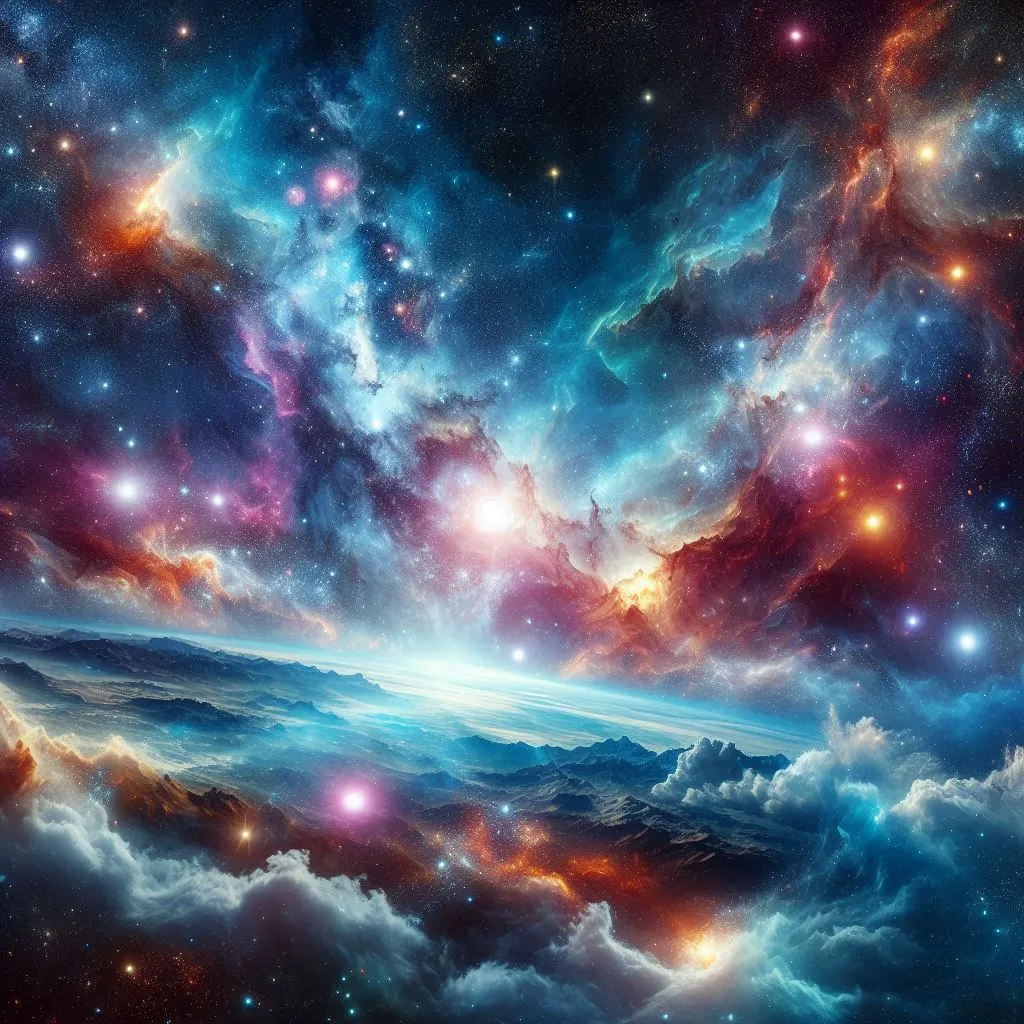
Get ready to embark on an exciting journey through the cosmos with our Out-of-This-World Space Trivia Questions and Answers!
Whether you’re a space enthusiast, a science lover, or just curious about the wonders of the universe, this collection will take you on an astronomical adventure.
From the mysteries of distant planets and stars to groundbreaking space missions and discoveries, these trivia questions will challenge your knowledge and spark your imagination.
Perfect for trivia nights, educational fun, or simply expanding your cosmic curiosity, this space trivia is sure to leave you starstruck! So, buckle up, and let’s explore the universe together!
Space Trivia Questions And Answers For Adults
1. Which planet is known as the “Red Planet”?
A) Venus
B) Mars
C) Jupiter
D) Mercury
Answer: B) Mars
Explanation: Mars appears red because its surface contains iron oxide, commonly known as rust.
Key Information: Mars has the largest volcano in the Solar System, Olympus Mons.
2. What is the name of Earth’s natural satellite?
A) Titan
B) Europa
C) Moon
D) Phobos
Answer: C) Moon
Explanation: The Moon is Earth’s only natural satellite and orbits our planet approximately every 27 days.
Key Information: The Moon is about 384,400 km (238,855 miles) from Earth.
3. Which planet is the largest in our Solar System?
A) Saturn
B) Jupiter
C) Neptune
D) Uranus
Answer: B) Jupiter
Explanation: Jupiter is the largest planet, with a diameter more than 11 times that of Earth.
Key Information: Jupiter has dozens of confirmed moons, including Ganymede, the largest moon in the Solar System.
4. What is the name of the galaxy that contains our Solar System?
A) Andromeda Galaxy
B) Whirlpool Galaxy
C) Milky Way Galaxy
D) Sombrero Galaxy
Answer: C) Milky Way Galaxy
Explanation: Our Solar System is located in one of the spiral arms of the Milky Way.
Key Information: The Milky Way contains hundreds of billions of stars.
5. Which planet is famous for its spectacular ring system?
A) Neptune
B) Saturn
C) Mars
D) Venus
Answer: B) Saturn
Explanation: Saturn’s rings are made mostly of ice particles mixed with rock and dust.
Key Information: Saturn is the second-largest planet in the Solar System.
6. Who became the first person to walk on the Moon?
A) Yuri Gagarin
B) Buzz Aldrin
C) Neil Armstrong
D) John Glenn
Answer: C) Neil Armstrong
Explanation: Neil Armstrong stepped onto the Moon during the Apollo 11 mission in 1969.
Key Information: His famous first words were, “That’s one small step for man…”
7. Which star is at the center of our Solar System?
A) Sirius
B) Polaris
C) Sun
D) Alpha Centauri
Answer: C) Sun
Explanation: The Sun provides the heat and light that make life on Earth possible.
Key Information: The Sun contains about 99.8% of the Solar System’s mass.
8. Which planet is closest to the Sun?
A) Venus
B) Earth
C) Mercury
D) Mars
Answer: C) Mercury
Explanation: Mercury is the nearest planet to the Sun and has the shortest year.
Key Information: One year on Mercury lasts only 88 Earth days.
9. What is the name of the first artificial satellite launched into space?
A) Voyager 1
B) Explorer 1
C) Sputnik 1
D) Hubble
Answer: C) Sputnik 1
Explanation: The Soviet Union launched Sputnik 1 in 1957, beginning the Space Age.
Key Information: Sputnik 1 orbited Earth for about three months.
10. Which planet is known for having the Great Red Spot?
A) Saturn
B) Jupiter
C) Uranus
D) Neptune
Answer: B) Jupiter
Explanation: The Great Red Spot is a massive storm that has raged on Jupiter for centuries.
Key Information: The storm is larger than Earth.
11. What is the closest star to Earth after the Sun?
A) Betelgeuse
B) Sirius
C) Proxima Centauri
D) Vega
Answer: C) Proxima Centauri
Explanation: Proxima Centauri is the nearest known star beyond our Solar System.
Key Information: It is about 4.24 light-years away.
12. Which planet has the most confirmed moons?
A) Jupiter
B) Earth
C) Saturn
D) Mars
Answer: C) Saturn
Explanation: Saturn currently has the highest number of confirmed moons.
Key Information: Scientists have confirmed more than 140 moons orbiting Saturn.
13. What is the name of NASA’s famous space telescope launched in 1990?
A) Kepler
B) James Webb Space Telescope
C) Hubble Space Telescope
D) Chandra
Answer: C) Hubble Space Telescope
Explanation: Hubble has captured stunning images of galaxies, stars, and nebulae for decades.
Key Information: Hubble orbits Earth about every 95 minutes.
14. Which dwarf planet was once considered the ninth planet?
A) Eris
B) Pluto
C) Ceres
D) Haumea
Answer: B) Pluto
Explanation: Pluto was classified as a planet until 2006, when it was reclassified as a dwarf planet.
Key Information: Pluto is located in the Kuiper Belt.
15. Which planet is often called Earth’s “sister planet” because of its similar size?
A) Mars
B) Venus
C) Mercury
D) Neptune
Answer: B) Venus
Explanation: Venus is similar in size to Earth but has an extremely hot atmosphere.
Key Information: Venus rotates in the opposite direction of most planets.
16. Which spacecraft became the first human-made object to enter interstellar space?
A) Apollo 11
B) Voyager 1
C) Cassini
D) New Horizons
Answer: B) Voyager 1
Explanation: Voyager 1 crossed into interstellar space in 2012.
Key Information: It continues to send data from billions of miles away.
17. What is the largest moon in the Solar System?
A) Titan
B) Europa
C) Ganymede
D) Triton
Answer: C) Ganymede
Explanation: Ganymede, a moon of Jupiter, is larger than the planet Mercury.
Key Information: It is the only moon known to have its own magnetic field.
18. Which planet rotates on its side?
A) Neptune
B) Uranus
C) Saturn
D) Mars
Answer: B) Uranus
Explanation: Uranus has an extreme tilt of about 98 degrees, making it appear to roll around the Sun.
Key Information: Scientists believe a massive collision may have caused its unusual tilt.
19. What is the name of the force that keeps planets in orbit around the Sun?
A) Magnetism
B) Friction
C) Gravity
D) Radiation
Answer: C) Gravity
Explanation: Gravity is the force that attracts objects toward one another, keeping planets in orbit.
Key Information: Isaac Newton helped explain how gravity works.
20. Which space agency successfully landed the Perseverance rover on Mars in 2021?
A) ESA
B) JAXA
C) NASA
D) ISRO
Answer: C) NASA
Explanation: Perseverance is exploring Mars to search for signs of ancient microbial life and collect rock samples.
Key Information: The rover landed in Jezero Crater on February 18, 2021.
Space Quiz Questions And Answers
1. Which planet is known as the “Red Planet”?
A) Venus
B) Mars
C) Jupiter
D) Mercury
Answer: B) Mars
Explanation: Mars appears red because its surface contains iron oxide, commonly known as rust.
Key Information: Mars has the largest volcano in the Solar System, Olympus Mons.
2. What is the name of Earth’s natural satellite?
A) Titan
B) Europa
C) Moon
D) Phobos
Answer: C) Moon
Explanation: The Moon is Earth’s only natural satellite and orbits our planet approximately every 27 days.
Key Information: The Moon is about 384,400 km (238,855 miles) from Earth.
3. Which planet is the largest in our Solar System?
A) Saturn
B) Jupiter
C) Neptune
D) Uranus
Answer: B) Jupiter
Explanation: Jupiter is the largest planet, with a diameter more than 11 times that of Earth.
Key Information: Jupiter has dozens of confirmed moons, including Ganymede, the largest moon in the Solar System.
4. What is the name of the galaxy that contains our Solar System?
A) Andromeda Galaxy
B) Whirlpool Galaxy
C) Milky Way Galaxy
D) Sombrero Galaxy
Answer: C) Milky Way Galaxy
Explanation: Our Solar System is located in one of the spiral arms of the Milky Way.
Key Information: The Milky Way contains hundreds of billions of stars.
5. Which planet is famous for its spectacular ring system?
A) Neptune
B) Saturn
C) Mars
D) Venus
Answer: B) Saturn
Explanation: Saturn’s rings are made mostly of ice particles mixed with rock and dust.
Key Information: Saturn is the second-largest planet in the Solar System.
6. Who became the first person to walk on the Moon?
A) Yuri Gagarin
B) Buzz Aldrin
C) Neil Armstrong
D) John Glenn
Answer: C) Neil Armstrong
Explanation: Neil Armstrong stepped onto the Moon during the Apollo 11 mission in 1969.
Key Information: His famous first words were, “That’s one small step for man…”
7. Which star is at the center of our Solar System?
A) Sirius
B) Polaris
C) Sun
D) Alpha Centauri
Answer: C) Sun
Explanation: The Sun provides the heat and light that make life on Earth possible.
Key Information: The Sun contains about 99.8% of the Solar System’s mass.
8. Which planet is closest to the Sun?
A) Venus
B) Earth
C) Mercury
D) Mars
Answer: C) Mercury
Explanation: Mercury is the nearest planet to the Sun and has the shortest year.
Key Information: One year on Mercury lasts only 88 Earth days.
9. What is the name of the first artificial satellite launched into space?
A) Voyager 1
B) Explorer 1
C) Sputnik 1
D) Hubble
Answer: C) Sputnik 1
Explanation: The Soviet Union launched Sputnik 1 in 1957, beginning the Space Age.
Key Information: Sputnik 1 orbited Earth for about three months.
10. Which planet is known for having the Great Red Spot?
A) Saturn
B) Jupiter
C) Uranus
D) Neptune
Answer: B) Jupiter
Explanation: The Great Red Spot is a massive storm that has raged on Jupiter for centuries.
Key Information: The storm is larger than Earth.
11. What is the closest star to Earth after the Sun?
A) Betelgeuse
B) Sirius
C) Proxima Centauri
D) Vega
Answer: C) Proxima Centauri
Explanation: Proxima Centauri is the nearest known star beyond our Solar System.
Key Information: It is about 4.24 light-years away.
12. Which planet has the most confirmed moons?
A) Jupiter
B) Earth
C) Saturn
D) Mars
Answer: C) Saturn
Explanation: Saturn currently has the highest number of confirmed moons.
Key Information: Scientists have confirmed more than 140 moons orbiting Saturn.
13. What is the name of NASA’s famous space telescope launched in 1990?
A) Kepler
B) James Webb Space Telescope
C) Hubble Space Telescope
D) Chandra
Answer: C) Hubble Space Telescope
Explanation: Hubble has captured stunning images of galaxies, stars, and nebulae for decades.
Key Information: Hubble orbits Earth about every 95 minutes.
14. Which dwarf planet was once considered the ninth planet?
A) Eris
B) Pluto
C) Ceres
D) Haumea
Answer: B) Pluto
Explanation: Pluto was classified as a planet until 2006, when it was reclassified as a dwarf planet.
Key Information: Pluto is located in the Kuiper Belt.
15. Which planet is often called Earth’s “sister planet” because of its similar size?
A) Mars
B) Venus
C) Mercury
D) Neptune
Answer: B) Venus
Explanation: Venus is similar in size to Earth but has an extremely hot atmosphere.
Key Information: Venus rotates in the opposite direction of most planets.
16. Which spacecraft became the first human-made object to enter interstellar space?
A) Apollo 11
B) Voyager 1
C) Cassini
D) New Horizons
Answer: B) Voyager 1
Explanation: Voyager 1 crossed into interstellar space in 2012.
Key Information: It continues to send data from billions of miles away.
17. What is the largest moon in the Solar System?
A) Titan
B) Europa
C) Ganymede
D) Triton
Answer: C) Ganymede
Explanation: Ganymede, a moon of Jupiter, is larger than the planet Mercury.
Key Information: It is the only moon known to have its own magnetic field.
18. Which planet rotates on its side?
A) Neptune
B) Uranus
C) Saturn
D) Mars
Answer: B) Uranus
Explanation: Uranus has an extreme tilt of about 98 degrees, making it appear to roll around the Sun.
Key Information: Scientists believe a massive collision may have caused its unusual tilt.
19. What is the name of the force that keeps planets in orbit around the Sun?
A) Magnetism
B) Friction
C) Gravity
D) Radiation
Answer: C) Gravity
Explanation: Gravity is the force that attracts objects toward one another, keeping planets in orbit.
Key Information: Isaac Newton helped explain how gravity works.
20. Which space agency successfully landed the Perseverance rover on Mars in 2021?
A) ESA
B) JAXA
C) NASA
D) ISRO
Answer: C) NASA
Explanation: Perseverance is exploring Mars to search for signs of ancient microbial life and collect rock samples.
Key Information: The rover landed in Jezero Crater on February 18, 2021.
Easy Space Quiz Questions With Answers
1. Which planet is known as the “Red Planet”?
A) Earth
B) Mars
C) Jupiter
D) Venus
Answer: B) Mars
Explanation: Mars appears red because of iron oxide on its surface.
Key Information: Mars is the fourth planet from the Sun.
2. Which is the largest planet in our Solar System?
A) Saturn
B) Jupiter
C) Neptune
D) Earth
Answer: B) Jupiter
Explanation: Jupiter is the biggest planet and is mainly made of hydrogen and helium.
Key Information: Jupiter has the famous Great Red Spot, a massive storm.
3. Who was the first person to walk on the Moon?
A) Yuri Gagarin
B) Neil Armstrong
C) Buzz Aldrin
D) John Glenn
Answer: B) Neil Armstrong
Explanation: Neil Armstrong became the first person to step on the Moon during Apollo 11 in 1969.
Key Information: Apollo 11 was the first successful human Moon landing mission.
4. Which galaxy contains our Solar System?
A) Andromeda Galaxy
B) Milky Way Galaxy
C) Whirlpool Galaxy
D) Sombrero Galaxy
Answer: B) Milky Way Galaxy
Explanation: Our Solar System is located inside the Milky Way Galaxy.
Key Information: The Milky Way contains billions of stars.
5. Which planet is closest to the Sun?
A) Venus
B) Mercury
C) Earth
D) Mars
Answer: B) Mercury
Explanation: Mercury is the first planet from the Sun.
Key Information: Mercury has the shortest year of all planets.
6. What is Earth’s natural satellite called?
A) Titan
B) Moon
C) Europa
D) Phobos
Answer: B) Moon
Explanation: The Moon is the only natural satellite of Earth.
Key Information: The Moon affects ocean tides on Earth.
7. Which planet is famous for its beautiful ring system?
A) Mars
B) Saturn
C) Venus
D) Mercury
Answer: B) Saturn
Explanation: Saturn has a large system of rings made of ice and rocks.
Key Information: Saturn is the second-largest planet in the Solar System.
8. What is the hottest planet in the Solar System?
A) Mercury
B) Venus
C) Mars
D) Jupiter
Answer: B) Venus
Explanation: Venus is extremely hot because of its thick carbon dioxide atmosphere.
Key Information: Venus is hotter than Mercury despite being farther from the Sun.
9. Which planet is known as the “Blue Planet”?
A) Neptune
B) Earth
C) Uranus
D) Saturn
Answer: B) Earth
Explanation: Earth appears blue because most of its surface is covered with water.
Key Information: Earth is the only known planet with life.
10. What force keeps planets in orbit around the Sun?
A) Energy
B) Gravity
C) Heat
D) Light
Answer: B) Gravity
Explanation: Gravity keeps planets moving around the Sun.
Key Information: Gravity is one of the fundamental forces of nature.
11. Which planet has the Great Red Spot?
A) Jupiter
B) Saturn
C) Neptune
D) Mars
Answer: A) Jupiter
Explanation: The Great Red Spot is a giant storm on Jupiter.
Key Information: This storm has existed for hundreds of years.
12. What was the first artificial satellite launched into space?
A) Voyager 1
B) Sputnik 1
C) Hubble
D) Explorer 1
Answer: B) Sputnik 1
Explanation: Sputnik 1 was launched by the Soviet Union in 1957.
Key Information: It was the beginning of the Space Age.
13. Which planet is called the Ice Giant?
A) Uranus
B) Mars
C) Venus
D) Mercury
Answer: A) Uranus
Explanation: Uranus is called an ice giant because of its composition.
Key Information: Neptune is the other ice giant planet.
14. What is a huge cloud of gas and dust in space called?
A) Asteroid
B) Nebula
C) Comet
D) Meteor
Answer: B) Nebula
Explanation: Nebulas are regions where stars can form.
Key Information: The Orion Nebula is one of the most famous nebulas.
15. Which planet has the fastest winds?
A) Earth
B) Neptune
C) Mars
D) Venus
Answer: B) Neptune
Explanation: Neptune has extremely powerful winds in its atmosphere.
Key Information: Winds on Neptune can reach over 2,000 km/h.
16. Which dwarf planet was once considered the ninth planet?
A) Ceres
B) Pluto
C) Eris
D) Haumea
Answer: B) Pluto
Explanation: Pluto was classified as a planet until 2006.
Key Information: Pluto is located in the Kuiper Belt.
17. What is the name of NASA’s famous space telescope launched in 1990?
A) James Webb
B) Hubble
C) Kepler
D) Chandra
Answer: B) Hubble
Explanation: Hubble has captured detailed images of the universe.
Key Information: Hubble orbits above Earth’s atmosphere.
18. Which planet has the largest volcano in the Solar System?
A) Earth
B) Mars
C) Venus
D) Jupiter
Answer: B) Mars
Explanation: Olympus Mons on Mars is the largest volcano known.
Key Information: Olympus Mons is taller than Mount Everest.
19. What is the name of the first human spaceflight program of NASA?
A) Apollo
B) Mercury
C) Gemini
D) Shuttle
Answer: B) Mercury
Explanation: Project Mercury was NASA’s first human spaceflight program.
Key Information: It helped the United States develop human spaceflight technology.
20. Which spacecraft was the first to reach interstellar space?
A) Voyager 1
B) Apollo 11
C) Cassini
D) New Horizons
Answer: A) Voyager 1
Explanation: Voyager 1 entered interstellar space in 2012.
Key Information: It continues sending scientific data from far beyond Earth.
Fun Space Trivia Questions And Answers
1. Which star is at the center of our Solar System?
A) Sirius
B) Polaris
C) Sun
D) Betelgeuse
Answer: C) Sun
Explanation: The Sun is the star that provides heat and light to our Solar System.
Key Information: The Sun contains about 99.8% of the Solar System’s total mass.
2. Which planet has the shortest year?
A) Mercury
B) Venus
C) Earth
D) Mars
Answer: A) Mercury
Explanation: Mercury completes its orbit around the Sun faster than any other planet.
Key Information: One year on Mercury lasts only 88 Earth days.
3. What is the name of the first spacecraft to land humans on the Moon?
A) Apollo 11
B) Apollo 13
C) Voyager 1
D) Gemini 4
Answer: A) Apollo 11
Explanation: Apollo 11 successfully landed astronauts on the Moon in 1969.
Key Information: Neil Armstrong and Buzz Aldrin walked on the lunar surface.
4. Which planet is known for having the largest number of moons?
A) Jupiter
B) Saturn
C) Uranus
D) Neptune
Answer: B) Saturn
Explanation: Saturn has the highest number of confirmed natural satellites.
Key Information: Saturn has more than 100 known moons.
5. What is the name of the first American astronaut to orbit Earth?
A) Alan Shepard
B) John Glenn
C) Neil Armstrong
D) Michael Collins
Answer: B) John Glenn
Explanation: John Glenn became the first American to orbit Earth in 1962.
Key Information: His mission was called Friendship 7.
6. Which planet is famous for its blue color caused by methane gas?
A) Neptune
B) Mars
C) Mercury
D) Venus
Answer: A) Neptune
Explanation: Methane in Neptune’s atmosphere absorbs red light, making it appear blue.
Key Information: Neptune is the farthest major planet from the Sun.
7. What is the largest moon in the Solar System?
A) Titan
B) Europa
C) Ganymede
D) Triton
Answer: C) Ganymede
Explanation: Ganymede is the largest moon and orbits Jupiter.
Key Information: Ganymede is even larger than the planet Mercury.
8. Which planet rotates on its side?
A) Saturn
B) Uranus
C) Jupiter
D) Mars
Answer: B) Uranus
Explanation: Uranus has an extreme tilt that makes it appear to spin sideways.
Key Information: Uranus has a tilt of about 98 degrees.
9. What is the name of the first space station?
A) ISS
B) Mir
C) Skylab
D) Salyut 1
Answer: D) Salyut 1
Explanation: Salyut 1 was launched in 1971 as the world’s first space station.
Key Information: It was launched by the Soviet Union.
10. Which planet is known as Earth’s twin?
A) Mars
B) Venus
C) Mercury
D) Neptune
Answer: B) Venus
Explanation: Venus is similar to Earth in size and composition.
Key Information: Venus has a very different atmosphere and surface temperature.
11. What is the name of the force that attracts objects toward each other?
A) Gravity
B) Energy
C) Speed
D) Motion
Answer: A) Gravity
Explanation: Gravity controls the movement of planets, stars, and other objects in space.
Key Information: Earth’s gravity keeps us on the planet’s surface.
12. Which space agency sent the Mars rover Perseverance?
A) NASA
B) ESA
C) ISRO
D) JAXA
Answer: A) NASA
Explanation: NASA launched the Perseverance rover to study Mars.
Key Information: Perseverance landed on Mars in 2021.
13. What is the name of the region beyond Neptune filled with icy objects?
A) Asteroid Belt
B) Kuiper Belt
C) Orion Belt
D) Solar Belt
Answer: B) Kuiper Belt
Explanation: The Kuiper Belt contains many frozen objects beyond Neptune.
Key Information: Pluto is one of the famous objects in the Kuiper Belt.
14. Which planet has the strongest gravity in the Solar System?
A) Earth
B) Jupiter
C) Saturn
D) Neptune
Answer: B) Jupiter
Explanation: Jupiter’s huge size gives it the strongest gravitational pull among planets.
Key Information: Jupiter is mainly made of hydrogen and helium.
15. What is a rocky object from space that reaches Earth’s surface called?
A) Meteorite
B) Comet
C) Asteroid
D) Star
Answer: A) Meteorite
Explanation: A meteorite is a space rock that survives its journey through Earth’s atmosphere.
Key Information: Many meteorites come from asteroids.
16. Which telescope studies the universe using infrared light?
A) Hubble
B) James Webb Space Telescope
C) Kepler
D) Chandra
Answer: B) James Webb Space Telescope
Explanation: The James Webb Telescope observes distant galaxies and stars using infrared technology.
Key Information: It was launched in 2021.
17. What is the name of the explosion of a massive star?
A) Eclipse
B) Supernova
C) Orbit
D) Rotation
Answer: B) Supernova
Explanation: A supernova occurs when a massive star reaches the end of its life.
Key Information: Supernovas create many elements found in the universe.
18. Which planet has the moon Phobos?
A) Mars
B) Jupiter
C) Saturn
D) Venus
Answer: A) Mars
Explanation: Phobos is one of Mars’ two natural moons.
Key Information: Mars also has another moon called Deimos.
19. What do astronauts wear during spacewalks?
A) Space suit
B) Flight suit
C) Diving suit
D) Safety jacket
Answer: A) Space suit
Explanation: Space suits provide oxygen and protection in the vacuum of space.
Key Information: Astronauts use special suits outside spacecraft.
20. Which galaxy is closest to the Milky Way?
A) Andromeda Galaxy
B) Whirlpool Galaxy
C) Sombrero Galaxy
D) Pinwheel Galaxy
Answer: A) Andromeda Galaxy
Explanation: The Andromeda Galaxy is the nearest large galaxy to the Milky Way.
Key Information: Scientists expect the Milky Way and Andromeda to interact in the distant future.
Hard Questions About Space With Answers
1. Which planet is known as the “Morning Star” or “Evening Star”?
A) Mercury
B) Venus
C) Mars
D) Jupiter
Answer: B) Venus
Explanation: Venus appears very bright in the sky and can often be seen near sunrise or sunset.
Key Information: Venus is the second planet from the Sun.
2. What is the name of the galaxy closest to the Milky Way?
A) Andromeda Galaxy
B) Whirlpool Galaxy
C) Sombrero Galaxy
D) Triangulum Galaxy
Answer: A) Andromeda Galaxy
Explanation: The Andromeda Galaxy is the nearest major galaxy to our Milky Way.
Key Information: It is about 2.5 million light-years away.
3. Which planet has the Great Dark Spot?
A) Jupiter
B) Neptune
C) Saturn
D) Uranus
Answer: B) Neptune
Explanation: The Great Dark Spot is a giant storm system observed on Neptune.
Key Information: Neptune has some of the fastest winds in the Solar System.
4. What is the name of the first artificial object to reach the Moon?
A) Apollo 11
B) Luna 2
C) Sputnik 1
D) Voyager 1
Answer: B) Luna 2
Explanation: Luna 2 was the first spacecraft to reach the Moon’s surface in 1959.
Key Information: It was launched by the Soviet Union.
5. Which planet has the longest day?
A) Earth
B) Venus
C) Mars
D) Jupiter
Answer: B) Venus
Explanation: Venus rotates very slowly on its axis.
Key Information: A day on Venus is longer than its year.
6. What is the name of the largest volcano in the Solar System?
A) Mount Everest
B) Olympus Mons
C) Mauna Loa
D) Valles Marineris
Answer: B) Olympus Mons
Explanation: Olympus Mons is a huge volcano located on Mars.
Key Information: It is nearly three times taller than Mount Everest.
7. Which planet has the moon Titan?
A) Saturn
B) Jupiter
C) Neptune
D) Uranus
Answer: A) Saturn
Explanation: Titan is Saturn’s largest moon and has a thick atmosphere.
Key Information: Titan is one of the most interesting moons in the Solar System.
8. What is the name of the path a planet follows around the Sun?
A) Axis
B) Orbit
C) Rotation
D) Gravity
Answer: B) Orbit
Explanation: An orbit is the curved path followed by a planet around a star.
Key Information: Earth completes one orbit around the Sun in about 365 days.
9. Which spacecraft carried humans to the Moon for the first time?
A) Apollo 11
B) Voyager 1
C) Cassini
D) New Horizons
Answer: A) Apollo 11
Explanation: Apollo 11 landed astronauts on the Moon in July 1969.
Key Information: It was NASA’s first successful crewed Moon landing.
10. Which planet has a day that lasts about 10 hours?
A) Jupiter
B) Earth
C) Mars
D) Venus
Answer: A) Jupiter
Explanation: Jupiter rotates faster than any other planet.
Key Information: Jupiter has the shortest day in the Solar System.
11. What is the name of the region between Mars and Jupiter filled with asteroids?
A) Kuiper Belt
B) Asteroid Belt
C) Oort Cloud
D) Solar Belt
Answer: B) Asteroid Belt
Explanation: The Asteroid Belt contains millions of rocky objects.
Key Information: It separates the inner and outer planets.
12. Which planet is the farthest from the Sun?
A) Uranus
B) Neptune
C) Saturn
D) Pluto
Answer: B) Neptune
Explanation: Neptune is the eighth and most distant major planet.
Key Information: Neptune takes about 165 Earth years to orbit the Sun.
13. What is the name of the first woman in space?
A) Sally Ride
B) Valentina Tereshkova
C) Kalpana Chawla
D) Mae Jemison
Answer: B) Valentina Tereshkova
Explanation: Valentina Tereshkova became the first woman in space in 1963.
Key Information: She flew aboard the Vostok 6 mission.
14. Which planet is famous for its hexagon-shaped storm?
A) Saturn
B) Jupiter
C) Mars
D) Neptune
Answer: A) Saturn
Explanation: Saturn has a unique six-sided storm at its north pole.
Key Information: The hexagon is larger than Earth.
15. What is the name of the study of space and celestial objects?
A) Biology
B) Astronomy
C) Geology
D) Chemistry
Answer: B) Astronomy
Explanation: Astronomy is the scientific study of stars, planets, and the universe.
Key Information: Astronomers use telescopes to study space.
16. Which planet has two small moons named Phobos and Deimos?
A) Mars
B) Venus
C) Mercury
D) Jupiter
Answer: A) Mars
Explanation: Mars has two irregularly shaped moons.
Key Information: Phobos and Deimos are named after figures from Greek mythology.
17. What is the name of the first reusable spacecraft program?
A) Apollo
B) Space Shuttle
C) Mercury
D) Gemini
Answer: B) Space Shuttle
Explanation: NASA’s Space Shuttle program allowed spacecraft to be reused.
Key Information: The first Space Shuttle mission launched in 1981.
18. Which planet has the strongest magnetic field?
A) Earth
B) Jupiter
C) Mars
D) Venus
Answer: B) Jupiter
Explanation: Jupiter’s enormous size creates a very powerful magnetic field.
Key Information: Jupiter’s magnetic field is much stronger than Earth’s.
19. What is the name of the cloud surrounding the Solar System that contains comets?
A) Oort Cloud
B) Nebula
C) Asteroid Belt
D) Galaxy Cloud
Answer: A) Oort Cloud
Explanation: The Oort Cloud is a distant region of icy objects around the Solar System.
Key Information: Many long-period comets come from this region.
20. Which planet is called a “Gas Giant”?
A) Mars
B) Jupiter
C) Earth
D) Mercury
Answer: B) Jupiter
Explanation: Jupiter is mainly composed of hydrogen and helium gases.
Key Information: Saturn is also classified as a gas giant.
Hard Questions About Space With Answers
1. What is the largest moon of Saturn called?
A) Europa
B) Titan
C) Ganymede
D) Triton
Answer: B) Titan
Explanation: Titan is Saturn’s largest moon and has a thick atmosphere.
Key Information: Titan is the second-largest moon in the Solar System.
2. Which planet has the highest mountain in the Solar System?
A) Earth
B) Mars
C) Venus
D) Jupiter
Answer: B) Mars
Explanation: Olympus Mons on Mars is the tallest known mountain in the Solar System.
Key Information: Olympus Mons is a giant shield volcano.
3. What is the name of the first spacecraft to leave the Solar System?
A) Voyager 1
B) Apollo 11
C) Cassini
D) Pioneer 10
Answer: A) Voyager 1
Explanation: Voyager 1 became the first human-made object to enter interstellar space.
Key Information: It was launched by NASA in 1977.
4. Which planet has the strongest winds in the Solar System?
A) Mars
B) Neptune
C) Venus
D) Saturn
Answer: B) Neptune
Explanation: Neptune’s atmosphere produces extremely fast winds.
Key Information: Wind speeds on Neptune can exceed 2,000 km/h.
5. What is the name of the first satellite launched by humans?
A) Explorer 1
B) Sputnik 1
C) Hubble
D) Skylab
Answer: B) Sputnik 1
Explanation: Sputnik 1 was launched by the Soviet Union in 1957.
Key Information: It was the first artificial object to orbit Earth.
6. Which planet is known for having a thick atmosphere of carbon dioxide?
A) Venus
B) Mercury
C) Mars
D) Uranus
Answer: A) Venus
Explanation: Venus has a dense carbon dioxide atmosphere that traps heat.
Key Information: This makes Venus the hottest planet.
7. What is the name of the closest star to Earth after the Sun?
A) Sirius
B) Proxima Centauri
C) Polaris
D) Betelgeuse
Answer: B) Proxima Centauri
Explanation: Proxima Centauri is the nearest known star beyond our Sun.
Key Information: It is about 4.24 light-years away.
8. Which planet has the most famous ring system?
A) Jupiter
B) Saturn
C) Neptune
D) Uranus
Answer: B) Saturn
Explanation: Saturn’s rings are made of ice, dust, and rocky particles.
Key Information: Saturn’s rings are visible with a telescope.
9. What is the name of the first American woman in space?
A) Sally Ride
B) Mae Jemison
C) Peggy Whitson
D) Eileen Collins
Answer: A) Sally Ride
Explanation: Sally Ride became the first American woman in space in 1983.
Key Information: She flew on the Space Shuttle Challenger.
10. Which planet has the largest number of confirmed moons?
A) Earth
B) Saturn
C) Mercury
D) Venus
Answer: B) Saturn
Explanation: Saturn has the greatest number of confirmed natural satellites.
Key Information: Saturn has more than 100 known moons.
11. What is the name of the force that keeps the Moon orbiting Earth?
A) Gravity
B) Heat
C) Light
D) Magnetism
Answer: A) Gravity
Explanation: Earth’s gravity keeps the Moon in its orbit.
Key Information: Gravity controls the motion of many objects in space.
12. Which space telescope was launched in 2021 to study the early universe?
A) Hubble
B) James Webb Space Telescope
C) Kepler
D) Spitzer
Answer: B) James Webb Space Telescope
Explanation: The James Webb Telescope studies distant galaxies and stars.
Key Information: It uses infrared technology for observations.
13. Which planet is famous for its Great Red Spot storm?
A) Jupiter
B) Saturn
C) Neptune
D) Mars
Answer: A) Jupiter
Explanation: The Great Red Spot is a massive storm system on Jupiter.
Key Information: The storm is larger than Earth.
14. What is a group of billions of stars called?
A) Planet
B) Galaxy
C) Moon
D) Asteroid
Answer: B) Galaxy
Explanation: Galaxies contain stars, gas, dust, and dark matter.
Key Information: The Milky Way is our home galaxy.
15. Which planet takes the longest time to orbit the Sun?
A) Saturn
B) Uranus
C) Neptune
D) Jupiter
Answer: C) Neptune
Explanation: Neptune takes about 165 Earth years to complete one orbit.
Key Information: It has the longest year among the major planets.
16. What is the name of a rock that burns in Earth’s atmosphere?
A) Meteor
B) Asteroid
C) Comet
D) Satellite
Answer: A) Meteor
Explanation: A meteor creates a bright streak when it burns in the atmosphere.
Key Information: Meteors are often called shooting stars.
17. Which planet is known for its blue-green color?
A) Uranus
B) Mars
C) Mercury
D) Venus
Answer: A) Uranus
Explanation: Methane gas in Uranus’s atmosphere gives it a blue-green appearance.
Key Information: Uranus is an ice giant planet.
18. What is the name of NASA’s rover that landed on Mars in 2021?
A) Curiosity
B) Spirit
C) Perseverance
D) Opportunity
Answer: C) Perseverance
Explanation: Perseverance was sent to search for signs of ancient life on Mars.
Key Information: It landed in Jezero Crater.
19. Which planet is known as the “Ringed Planet”?
A) Saturn
B) Jupiter
C) Neptune
D) Mars
Answer: A) Saturn
Explanation: Saturn is famous for its large and bright ring system.
Key Information: Its rings are made mostly of ice particles.
20. What is the name of the boundary beyond which light cannot escape a black hole?
A) Event Horizon
B) Gravity Line
C) Space Wall
D) Dark Zone
Answer: A) Event Horizon
Explanation: The event horizon marks the point where a black hole’s gravity becomes too strong for light to escape.
Key Information: Black holes can form after the collapse of massive stars.
Space Questions For Kids
1. What is the name of the first human-made object to reach space?
A) Apollo 11
B) Sputnik 1
C) Voyager 1
D) Hubble
Answer: B) Sputnik 1
Explanation: Sputnik 1 was the first artificial satellite launched into space by the Soviet Union in 1957.
Key Information: Its launch marked the beginning of the Space Age.
2. Which planet has the longest year in the Solar System?
A) Saturn
B) Uranus
C) Neptune
D) Jupiter
Answer: C) Neptune
Explanation: Neptune takes about 165 Earth years to complete one orbit around the Sun.
Key Information: Neptune is the farthest major planet from the Sun.
3. What is the name of the first spacecraft to land on Mars?
A) Viking 1
B) Curiosity
C) Pathfinder
D) Perseverance
Answer: A) Viking 1
Explanation: Viking 1 became the first spacecraft to successfully land on Mars in 1976.
Key Information: It conducted experiments on the Martian surface.
4. Which planet is closest in size to Earth?
A) Mars
B) Venus
C) Mercury
D) Neptune
Answer: B) Venus
Explanation: Venus has a similar size and mass compared to Earth.
Key Information: Venus is often called Earth’s twin planet.
5. What is the name of the first animal sent into orbit around Earth?
A) Ham the chimpanzee
B) Laika the dog
C) A cat named Félicette
D) A monkey named Albert
Answer: B) Laika the dog
Explanation: Laika was sent aboard Sputnik 2 in 1957 and became the first animal to orbit Earth.
Key Information: The mission helped scientists study living organisms in space.
6. Which planet has the fastest rotation speed?
A) Earth
B) Jupiter
C) Saturn
D) Mars
Answer: B) Jupiter
Explanation: Jupiter rotates once in about 10 hours, making it the fastest-spinning planet.
Key Information: Jupiter has the shortest day among all planets.
7. What is the name of the galaxy closest to our Milky Way?
A) Andromeda Galaxy
B) Whirlpool Galaxy
C) Sombrero Galaxy
D) Pinwheel Galaxy
Answer: A) Andromeda Galaxy
Explanation: Andromeda is the nearest large galaxy to the Milky Way.
Key Information: It contains about one trillion stars.
8. Which planet is known for its extreme temperature changes?
A) Mercury
B) Earth
C) Mars
D) Neptune
Answer: A) Mercury
Explanation: Mercury has almost no atmosphere, causing huge temperature differences between day and night.
Key Information: Mercury has very hot days and extremely cold nights.
9. What is the name of the largest known volcano in the Solar System?
A) Mount Everest
B) Olympus Mons
C) Mauna Kea
D) Valles Marineris
Answer: B) Olympus Mons
Explanation: Olympus Mons is a massive volcano located on Mars.
Key Information: It is the tallest mountain known in the Solar System.
10. Which planet has a famous moon called Europa?
A) Saturn
B) Jupiter
C) Uranus
D) Neptune
Answer: B) Jupiter
Explanation: Europa is one of Jupiter’s largest moons.
Key Information: Scientists believe Europa may have a liquid ocean beneath its icy surface.
11. What is the name of the first reusable spacecraft system?
A) Apollo
B) Space Shuttle
C) Gemini
D) Mercury
Answer: B) Space Shuttle
Explanation: NASA’s Space Shuttle program allowed spacecraft to be launched and reused.
Key Information: The first Space Shuttle mission occurred in 1981.
12. Which planet is famous for its blue appearance due to methane?
A) Neptune
B) Mars
C) Venus
D) Mercury
Answer: A) Neptune
Explanation: Methane gas in Neptune’s atmosphere absorbs red light, making it appear blue.
Key Information: Neptune is an ice giant planet.
13. What is the name of the region where most asteroids are found?
A) Kuiper Belt
B) Asteroid Belt
C) Oort Cloud
D) Solar Belt
Answer: B) Asteroid Belt
Explanation: The Asteroid Belt is located between Mars and Jupiter.
Key Information: It contains millions of rocky objects.
14. Which scientist developed the theory of relativity?
A) Isaac Newton
B) Albert Einstein
C) Galileo Galilei
D) Stephen Hawking
Answer: B) Albert Einstein
Explanation: Einstein developed the theories of special and general relativity.
Key Information: His work changed our understanding of space, time, and gravity.
15. What is the name of NASA’s famous Mars rover launched in 2011?
A) Curiosity
B) Spirit
C) Opportunity
D) Sojourner
Answer: A) Curiosity
Explanation: Curiosity has been exploring Mars since landing in 2012.
Key Information: It studies Mars’ climate and geology.
16. Which planet has the largest ring system?
A) Jupiter
B) Saturn
C) Uranus
D) Neptune
Answer: B) Saturn
Explanation: Saturn’s rings are the largest and most visible in the Solar System.
Key Information: The rings contain countless pieces of ice and rock.
17. What is the name of the first American satellite?
A) Explorer 1
B) Apollo 1
C) Skylab
D) Gemini 1
Answer: A) Explorer 1
Explanation: Explorer 1 was launched by the United States in 1958.
Key Information: It discovered Earth’s Van Allen radiation belts.
18. Which planet has two famous moons named Phobos and Deimos?
A) Mars
B) Venus
C) Jupiter
D) Saturn
Answer: A) Mars
Explanation: Mars has two small irregular moons called Phobos and Deimos.
Key Information: Both moons are named after characters from Greek mythology.
19. What is the name of the first space station built by NASA?
A) Mir
B) Skylab
C) ISS
D) Salyut
Answer: B) Skylab
Explanation: Skylab was NASA’s first space station, launched in 1973.
Key Information: Astronauts performed scientific experiments aboard Skylab.
20. Which planet has the strongest magnetic field?
A) Earth
B) Jupiter
C) Saturn
D) Uranus
Answer: B) Jupiter
Explanation: Jupiter’s massive size creates the strongest planetary magnetic field.
Key Information: Jupiter’s magnetic field is thousands of times stronger than Earth’s.
FAQS
1. What are World Space Trivia Questions and Answers?
World Space Trivia Questions and Answers are fun and educational questions about planets, stars, galaxies, astronauts, space missions, and discoveries beyond Earth.
2. Who can enjoy these space trivia questions?
These trivia questions are perfect for students, space enthusiasts, families, teachers, quiz lovers, and anyone curious about the universe.
3. What topics are included in world space trivia?
They cover topics such as the solar system, NASA missions, famous astronauts, space exploration history, planets, moons, stars, and interesting cosmic facts.
4. Can these space trivia questions be used for quizzes and learning activities?
Yes! They are great for classroom quizzes, science activities, family game nights, astronomy clubs, and fun knowledge challenges.
Final Thoughts
In conclusion, space trivia questions and answers are not only fun and engaging but also serve as an exciting way to learn more about the vast and mysterious universe we live in.
They spark curiosity about space exploration, encourage deeper thinking about scientific concepts, and offer a lighthearted way to connect with the incredible discoveries in our universe.
Whether you’re a space enthusiast or a casual learner, space trivia can be a great way to expand your knowledge while having a little fun along the way!
Recommend:
165+ Ultimate Barbie Trivia Questions & Answers
165+ Fascinating Eclipse Trivia Questions and Answers