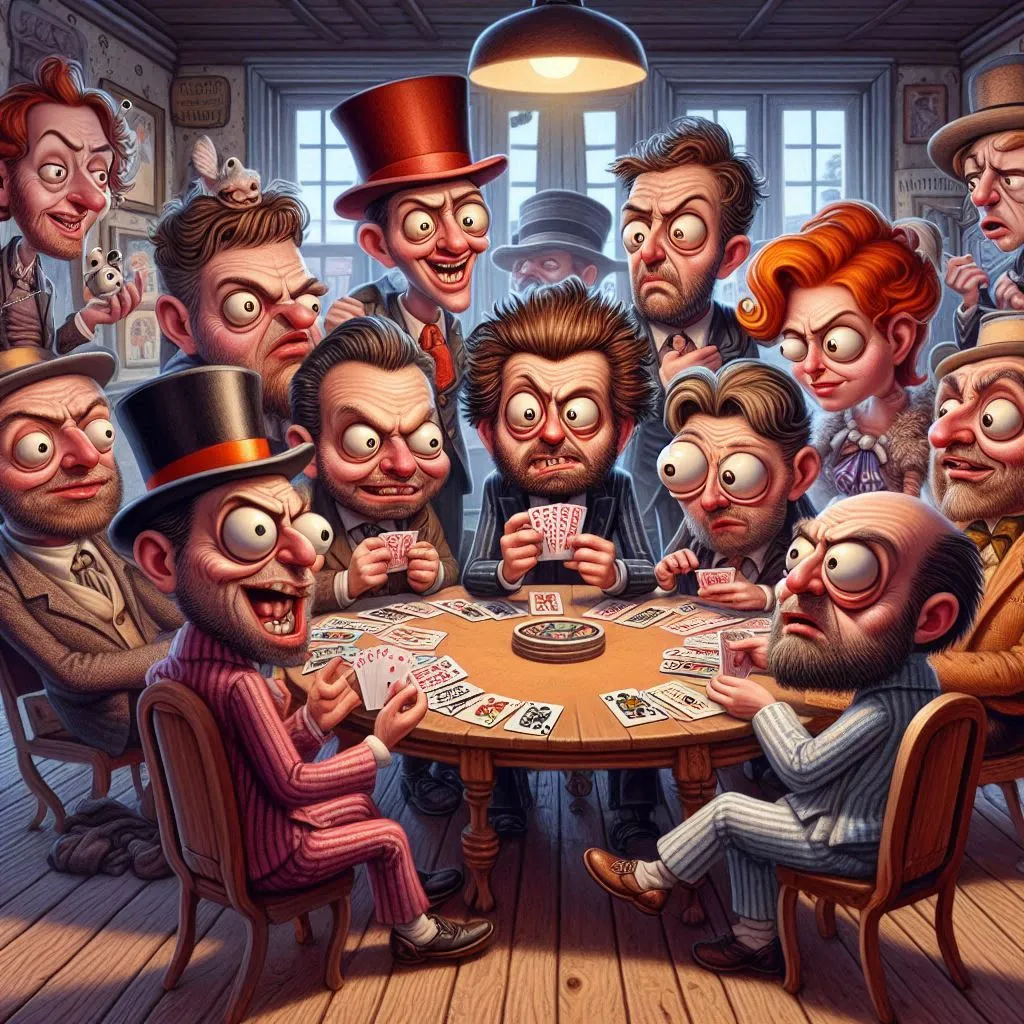
Are you ready to test your knowledge of the world of organized crime, legendary crime families, famous mobsters, and iconic mafia movies? These Mafia Trivia Questions and Answers are packed with fascinating facts, challenging questions, and entertaining moments for trivia fans of all levels.
Whether you love classic mafia films, famous fictional characters, or the history and culture surrounding organized crime, this quiz is a fun way to challenge yourself.
Gather your friends, make your guesses, and see how many Mafia trivia questions you can answer correctly!
Mafia Trivia Questions and Answers
1. Who was the notorious Chicago mob boss associated with the Prohibition era?
A. Al Capone
B. John Dillinger
C. Lucky Luciano
D. Bugsy Siegel
Answer: A. Al Capone
Explanation: Al Capone became one of the most famous organized-crime figures in Chicago during the Prohibition era.
Key Information: Capone was also known by the nickname “Scarface.”
2. What was the Prohibition era in the United States primarily known for?
A. Banning gambling
B. Banning alcohol
C. Banning tobacco
D. Banning automobiles
Answer: B. Banning alcohol
Explanation: Prohibition was the period when the U.S. Constitution prohibited the manufacture, sale, and transportation of intoxicating liquor.
Key Information: National Prohibition lasted from 1920 to 1933.
3. Which famous organized-crime figure was nicknamed “Lucky”?
A. Lucky Luciano
B. Joe Masseria
C. Carlo Gambino
D. Frank Costello
Answer: A. Lucky Luciano
Explanation: Charles “Lucky” Luciano was a major figure in the development of modern organized crime in the United States.
Key Information: Luciano was born in Sicily and later became influential in New York’s criminal underworld.
4. Which city is historically associated with the American Mafia’s Five Families?
A. New York City
B. Seattle
C. Denver
D. Phoenix
Answer: A. New York City
Explanation: New York City became the center of several major Italian-American organized-crime families.
Key Information: The Five Families are traditionally identified as Bonanno, Colombo, Gambino, Genovese, and Lucchese.
5. What term is commonly used for the Mafia’s traditional code of silence?
A. Omertà
B. Vendetta
C. Cosa
D. Famiglia
Answer: A. Omertà
Explanation: Omertà refers to a code emphasizing silence and non-cooperation with authorities.
Key Information: The term is strongly associated with Sicilian Mafia culture.
6. What does “Cosa Nostra” commonly mean in English?
A. Our Thing
B. Secret Society
C. Family Code
D. Silent Power
Answer: A. Our Thing
Explanation: “Cosa Nostra” is an Italian phrase commonly translated as “Our Thing.”
Key Information: It is a term associated with the Sicilian and Italian-American Mafia.
7. Which Mafia family was named after its longtime boss Carlo Gambino?
A. Gambino family
B. Genovese family
C. Bonanno family
D. Colombo family
Answer: A. Gambino family
Explanation: The Gambino crime family took its name from Carlo Gambino, who became one of its most influential leaders.
Key Information: Carlo Gambino was known for maintaining a relatively low public profile.
8. Which organized-crime figure was the namesake of the Genovese crime family?
A. Vito Genovese
B. Joe Bonanno
C. Carlo Gambino
D. Tommy Lucchese
Answer: A. Vito Genovese
Explanation: Vito Genovese was a powerful figure in New York organized crime.
Key Information: The Genovese family became one of the most prominent Mafia families in New York.
9. Which famous Mafia summit was held in Atlantic City in 1929?
A. Atlantic City Conference
B. Havana Conference
C. Palermo Meeting
D. Chicago Summit
Answer: A. Atlantic City Conference
Explanation: The Atlantic City Conference brought together numerous organized-crime figures during the Prohibition period.
Key Information: The meeting is considered significant in the history of American organized crime.
10. Which term refers to a Mafia boss?
A. Capo
B. Don
C. Soldier
D. Associate
Answer: B. Don
Explanation: “Don” is a traditional Italian title that has become widely associated with Mafia leaders in popular culture and historical accounts.
Key Information: Within Mafia terminology, leadership structures include bosses, underbosses, and other ranks.
11. What is a “capo” in traditional Mafia terminology?
A. A police officer
B. A captain who leads a crew
C. A court judge
D. A business owner
Answer: B. A captain who leads a crew
Explanation: A capo, short for caporegime, traditionally supervises a group of Mafia soldiers.
Key Information: Capos generally operate below the senior leadership of a crime family.
12. Which famous gangster was known by the nickname “Bugsy”?
A. Benjamin Siegel
B. Meyer Lansky
C. Frank Costello
D. Sam Giancana
Answer: A. Benjamin Siegel
Explanation: Benjamin “Bugsy” Siegel was a prominent American organized-crime figure.
Key Information: Siegel became closely associated with the early development of Las Vegas casinos.
13. Which city became strongly associated with Bugsy Siegel’s casino ambitions?
A. Las Vegas
B. Boston
C. Detroit
D. Miami
Answer: A. Las Vegas
Explanation: Siegel was involved in the development of the Flamingo Hotel and casino in Las Vegas.
Key Information: The Flamingo became one of the early major casino resorts on the Las Vegas Strip.
14. Which famous gangster was nicknamed “The Boss of Bosses” in some historical accounts?
A. Salvatore Maranzano
B. Al Capone
C. John Gotti
D. Meyer Lansky
Answer: A. Salvatore Maranzano
Explanation: Salvatore Maranzano briefly held a dominant position among New York Mafia leaders in the early 1930s.
Key Information: His death in 1931 was followed by major changes in the organization of New York’s Mafia.
15. Which organization was created by Lucky Luciano and other New York Mafia leaders in 1931?
A. The Commission
B. The Syndicate Council
C. The Five Boroughs
D. The National Board
Answer: A. The Commission
Explanation: The Commission was established to help regulate disputes and major affairs among powerful Mafia families.
Key Information: It became an important part of the organizational structure of American organized crime.
16. Which U.S. city was Al Capone’s criminal organization primarily associated with?
A. Chicago
B. Los Angeles
C. New Orleans
D. Philadelphia
Answer: A. Chicago
Explanation: Capone rose to power through the Chicago Outfit during the Prohibition era.
Key Information: His organization was involved in bootlegging and other illegal activities.
17. Which federal agency became famous for investigating organized crime and other major cases during the 20th century?
A. FBI
B. NASA
C. FDA
D. NOAA
Answer: A. FBI
Explanation: The Federal Bureau of Investigation investigated numerous organized-crime cases in the United States.
Key Information: The FBI is the principal federal investigative agency of the United States.
18. Which Mafia figure was famously called “Teflon Don”?
A. John Gotti
B. Joe Bonanno
C. Vito Genovese
D. Carlo Gambino
Answer: A. John Gotti
Explanation: John Gotti received the nickname “Teflon Don” because criminal charges against him repeatedly failed to result in convictions before his later conviction.
Key Information: Gotti became one of the most publicly recognizable American Mafia figures in the 1980s.
19. Which organization is traditionally associated with organized crime in Sicily?
A. Cosa Nostra
B. Interpol
C. Scotland Yard
D. Europol
Answer: A. Cosa Nostra
Explanation: Cosa Nostra is the name commonly associated with the Sicilian Mafia.
Key Information: Sicily has a long and complex history involving organized criminal groups.
20. Which term refers to a person formally inducted into a Mafia family?
A. Made man
B. Capo
C. Informant
D. Courier
Answer: A. Made man
Explanation: “Made man” is a term traditionally used for a person formally inducted into a Mafia organization.
Key Information: The phrase is commonly used in discussions of Mafia hierarchy and membership.
Related: 134+ Electrifying DJ Trivia Questions And Answers
Easy Mafia Trivia Questions and Answers
1. Which gangster was known by the nickname “Moe”?
A. Meyer Lansky
B. Sam Giancana
C. Joe Masseria
D. Tommy Lucchese
Answer: A. Meyer Lansky
Explanation: Meyer Lansky was a major figure in American organized crime and was commonly known as “Moe.”
Key Information: He was closely associated with gambling operations and several other organized-crime figures.
2. Which Mafia figure was known as the “Little Man”?
A. Meyer Lansky
B. Joe Masseria
C. Carlo Gambino
D. Frank Costello
Answer: A. Meyer Lansky
Explanation: Meyer Lansky was sometimes described as a physically small but highly influential organized-crime figure.
Key Information: He became an important financial figure within the American underworld.
3. Which gangster was known as “The Prime Minister”?
A. Frank Costello
B. Al Capone
C. John Gotti
D. Lucky Luciano
Answer: A. Frank Costello
Explanation: Frank Costello earned the nickname “The Prime Minister” because of his influence and political connections.
Key Information: Costello was a major figure in the New York organized-crime world.
4. Which Mafia family was originally known as the Maranzano family?
A. Bonanno family
B. Gambino family
C. Colombo family
D. Lucchese family
Answer: A. Bonanno family
Explanation: After Salvatore Maranzano’s death, his organization became associated with Joseph Bonanno.
Key Information: The Bonanno family became one of New York City’s traditional Five Families.
5. Who was Joseph Bonanno commonly known as?
A. Joe Bananas
B. Joey the Fox
C. Johnny Boy
D. Little Joe
Answer: A. Joe Bananas
Explanation: Joseph Bonanno was famously nicknamed “Joe Bananas,” although he reportedly disliked the nickname.
Key Information: Bonanno was a longtime leader of the organization that became the Bonanno crime family.
6. Which Mafia family is associated with Tommy Lucchese?
A. Lucchese family
B. Genovese family
C. Gambino family
D. Bonanno family
Answer: A. Lucchese family
Explanation: Tommy Lucchese was a major New York Mafia leader whose organization became known as the Lucchese family.
Key Information: The Lucchese family is one of New York’s traditional Five Families.
7. Which New York Mafia family was originally associated with Joe Profaci?
A. Colombo family
B. Gambino family
C. Genovese family
D. Bonanno family
Answer: A. Colombo family
Explanation: Joe Profaci led the organization that later became known as the Colombo crime family.
Key Information: The Colombo family is one of the Five Families of New York.
8. Which famous organized-crime figure was associated with the Chicago Outfit after Al Capone?
A. Tony Accardo
B. Carlo Gambino
C. Joe Bonanno
D. Tommy Lucchese
Answer: A. Tony Accardo
Explanation: Tony Accardo became a major leader of the Chicago Outfit after Capone’s era.
Key Information: Accardo was known for maintaining a relatively discreet public profile.
9. Which Chicago mobster was known by the nickname “Sam the Tailor”?
A. Sam Giancana
B. Tony Accardo
C. Johnny Torrio
D. Frank Nitti
Answer: A. Sam Giancana
Explanation: Sam Giancana was a powerful Chicago organized-crime figure who was sometimes called “Sam the Tailor.”
Key Information: He became associated with the Chicago Outfit during the mid-20th century.
10. Who was Al Capone’s mentor during his early years in Chicago?
A. Johnny Torrio
B. Lucky Luciano
C. Meyer Lansky
D. Frank Costello
Answer: A. Johnny Torrio
Explanation: Johnny Torrio played a major role in helping Capone establish himself in Chicago.
Key Information: Torrio was an influential organized-crime figure before Capone became dominant.
11. Which gangster was known as “The Fox”?
A. Tony Accardo
B. Frank Costello
C. Carlo Gambino
D. Joe Masseria
Answer: C. Carlo Gambino
Explanation: Carlo Gambino was sometimes referred to as “The Fox” because of his cautious and strategic approach.
Key Information: Gambino became one of the most influential Mafia bosses in New York.
12. Which Mafia boss was famous for avoiding extensive media attention?
A. Carlo Gambino
B. John Gotti
C. Al Capone
D. Bugsy Siegel
Answer: A. Carlo Gambino
Explanation: Carlo Gambino generally maintained a low public profile compared with more flamboyant organized-crime figures.
Key Information: His discreet leadership style became part of his reputation.
13. Which gangster was known as “The Dapper Don”?
A. John Gotti
B. Vito Genovese
C. Joe Masseria
D. Sam Giancana
Answer: A. John Gotti
Explanation: John Gotti became known as the “Dapper Don” because of his expensive suits and polished public appearance.
Key Information: His highly visible style contrasted with the low-profile approach of some earlier Mafia bosses.
14. Which New York Mafia family was John Gotti associated with?
A. Gambino family
B. Bonanno family
C. Colombo family
D. Lucchese family
Answer: A. Gambino family
Explanation: John Gotti became boss of the Gambino crime family in the 1980s.
Key Information: His leadership made the Gambino family especially prominent in the media.
15. Which U.S. city was historically associated with the Purple Gang?
A. Detroit
B. Chicago
C. New York
D. Boston
Answer: A. Detroit
Explanation: The Purple Gang was a notorious organized-crime group based in Detroit during the Prohibition era.
Key Information: The group was involved in bootlegging and other criminal activities.
16. Which gangster was the subject of the famous film “Scarface” in 1932, inspired partly by his life?
A. Al Capone
B. Lucky Luciano
C. Bugsy Siegel
D. Joe Bonanno
Answer: A. Al Capone
Explanation: The 1932 film Scarface was inspired in part by Al Capone’s public image and criminal career.
Key Information: Capone himself was widely known by the nickname “Scarface.”
17. Which gangster was famously associated with the St. Valentine’s Day Massacre?
A. Al Capone
B. Meyer Lansky
C. Lucky Luciano
D. Carlo Gambino
Answer: A. Al Capone
Explanation: The 1929 St. Valentine’s Day Massacre was widely attributed to forces connected to Capone’s Chicago organization, although the exact responsibility remains historically debated.
Key Information: The event intensified national attention on organized crime in Chicago.
18. Which city was a major center of organized crime during Prohibition because of its bootlegging networks?
A. Chicago
B. Seattle
C. Denver
D. Minneapolis
Answer: A. Chicago
Explanation: Chicago became one of the most prominent centers of illegal alcohol trafficking during Prohibition.
Key Information: Al Capone’s organization became particularly powerful during this period.
19. What was the name of the federal law that established national Prohibition in the United States?
A. Volstead Act
B. Sherman Act
C. Wagner Act
D. Espionage Act
Answer: A. Volstead Act
Explanation: The Volstead Act provided the legal framework for enforcing the 18th Amendment’s prohibition of intoxicating liquor.
Key Information: It took effect in 1920 and remained central to Prohibition enforcement.
20. Which amendment established Prohibition in the United States?
A. 16th Amendment
B. 18th Amendment
C. 19th Amendment
D. 21st Amendment
Answer: B. 18th Amendment
Explanation: The 18th Amendment established national Prohibition in the United States.
Key Information: The 21st Amendment later repealed the 18th Amendment in 1933.
Funny Mafia Trivia Questions and Answers
1. Which Mafia figure was known as “The Chin”?
A. Vincent Gigante
B. Joe Bonanno
C. Frank Costello
D. Anthony Colombo
Answer: A. Vincent Gigante
Explanation: Vincent Gigante was widely known by the nickname “The Chin.”
Key Information: Gigante became the boss of the Genovese crime family and was known for keeping a low public profile.
2. Which Mafia family was Vincent Gigante associated with?
A. Gambino family
B. Genovese family
C. Bonanno family
D. Colombo family
Answer: B. Genovese family
Explanation: Vincent Gigante became a prominent leader of the Genovese crime family.
Key Information: The Genovese family is one of New York City’s traditional Five Families.
3. Who was the longtime boss of the Chicago Outfit known as “Big Jim”?
A. James Marcello
B. Tony Accardo
C. Sam Giancana
D. Johnny Torrio
Answer: A. James Marcello
Explanation: James “Big Jim” Marcello was a major Chicago Outfit figure during the later 20th century.
Key Information: Marcello was associated with organized crime in Chicago for decades.
4. Which famous Mafia figure was born Salvatore Lucania?
A. Lucky Luciano
B. Carlo Gambino
C. Frank Costello
D. Vito Genovese
Answer: A. Lucky Luciano
Explanation: Lucky Luciano was born Salvatore Lucania in Sicily and later became a major American organized-crime figure.
Key Information: He played an important role in reorganizing New York’s Mafia structure.
5. What was the real first name of Bugsy Siegel?
A. Benjamin
B. Bernard
C. Bruno
D. Benny
Answer: A. Benjamin
Explanation: Bugsy Siegel’s full name was Benjamin Siegel.
Key Information: Siegel was a prominent figure in American organized crime during the 20th century.
6. Which gangster was closely associated with Meyer Lansky?
A. Lucky Luciano
B. Eliot Ness
C. J. Edgar Hoover
D. Charles Luciano Jr.
Answer: A. Lucky Luciano
Explanation: Meyer Lansky and Lucky Luciano were longtime associates within American organized crime.
Key Information: Lansky was particularly associated with the financial side of organized-crime operations.
7. Which law-enforcement agent became famous for pursuing Al Capone?
A. Eliot Ness
B. J. Edgar Hoover
C. Melvin Purvis
D. Wyatt Earp
Answer: A. Eliot Ness
Explanation: Eliot Ness led a team of federal agents known as the Untouchables, who investigated Capone’s organization.
Key Information: Ness later became a well-known public figure through books, films, and television.
8. What nickname was given to Eliot Ness’s team of Prohibition agents?
A. The Untouchables
B. The Invincibles
C. The Guardians
D. The Rangers
Answer: A. The Untouchables
Explanation: Ness’s federal enforcement team became known as the Untouchables because they were portrayed as resistant to corruption.
Key Information: Their story became famous through popular books and screen adaptations.
9. Which Mafia family was associated with Paul Castellano?
A. Gambino family
B. Genovese family
C. Bonanno family
D. Colombo family
Answer: A. Gambino family
Explanation: Paul Castellano succeeded Carlo Gambino as boss of the Gambino crime family.
Key Information: Castellano was one of the most powerful New York Mafia leaders during the 1980s.
10. Who succeeded Carlo Gambino as boss of the Gambino crime family?
A. Paul Castellano
B. John Gotti
C. Frank Costello
D. Tommy Lucchese
Answer: A. Paul Castellano
Explanation: Paul Castellano became head of the Gambino family after Gambino’s death in 1976.
Key Information: Castellano’s leadership lasted until his assassination in 1985.
11. Which major Mafia meeting was held in Havana in 1946?
A. Havana Conference
B. Palermo Summit
C. Atlantic Conference
D. Chicago Convention
Answer: A. Havana Conference
Explanation: The Havana Conference brought together important American organized-crime figures in Cuba.
Key Information: The meeting has become an important subject in histories of organized crime.
12. Which country became an important location for American organized-crime gambling operations during the mid-20th century?
A. Cuba
B. Canada
C. Spain
D. Brazil
Answer: A. Cuba
Explanation: Havana became an important gambling and entertainment center with connections to several American organized-crime figures.
Key Information: Meyer Lansky was particularly associated with casino development in Havana.
13. What term is commonly used for someone who cooperates with law enforcement against a criminal organization?
A. Informant
B. Capo
C. Consigliere
D. Underboss
Answer: A. Informant
Explanation: An informant provides information to law enforcement about criminal activity or organizations.
Key Information: Informants have played important roles in numerous organized-crime investigations.
14. What is a “consigliere” traditionally described as within a Mafia hierarchy?
A. Adviser
B. Driver
C. Soldier
D. Treasurer
Answer: A. Adviser
Explanation: A consigliere is traditionally described as a trusted adviser to a Mafia boss.
Key Information: The term comes from Italian and is commonly translated as “counselor” or “adviser.”
15. What is an “underboss” in a traditional Mafia hierarchy?
A. The second-in-command
B. A new recruit
C. A police informant
D. A casino manager
Answer: A. The second-in-command
Explanation: The underboss traditionally serves directly below the boss and may oversee various operations.
Key Information: Exact organizational structures can differ among criminal groups.
16. Which famous New York Mafia figure was nicknamed “The Prime Minister”?
A. Frank Costello
B. Joe Bonanno
C. John Gotti
D. Salvatore Maranzano
Answer: A. Frank Costello
Explanation: Frank Costello earned the nickname because of his reputation for political influence and connections.
Key Information: Costello was associated with the organization that later became the Genovese crime family.
17. Which 1970 federal law became a major tool against organized crime in the United States?
A. RICO Act
B. Sherman Act
C. Taft-Hartley Act
D. Glass-Steagall Act
Answer: A. RICO Act
Explanation: The Racketeer Influenced and Corrupt Organizations Act, commonly called RICO, was enacted to combat organized criminal activity.
Key Information: RICO allows prosecutors to target patterns of criminal activity connected to an organization.
18. What does RICO stand for?
A. Racketeer Influenced and Corrupt Organizations
B. Regional Investigation of Criminal Operations
C. Registered International Crime Organization
D. Racketeering Investigation and Control Office
Answer: A. Racketeer Influenced and Corrupt Organizations
Explanation: RICO is short for the Racketeer Influenced and Corrupt Organizations Act.
Key Information: The law was enacted in the United States in 1970.
19. Which traditional Mafia term refers to a group of soldiers supervised by a capo?
A. Crew
B. Council
C. Cellar
D. Circle
Answer: A. Crew
Explanation: A Mafia capo traditionally oversees a crew of soldiers and associates.
Key Information: The structure generally places crews below the senior leadership of a crime family.
20. Which city is especially associated with the historical Mafia families known as the Five Families?
A. New York City
B. Los Angeles
C. Houston
D. San Francisco
Answer: A. New York City
Explanation: The Five Families became major organized-crime groups in New York City.
Key Information: The traditional Five Families are the Bonanno, Colombo, Gambino, Genovese, and Lucchese families.
Mafia Trivia Questions and Answers for Kids
1. Which Mafia figure was known as “The Iceman”?
A. Richard Kuklinski
B. John Gotti
C. Frank Costello
D. Carlo Gambino
Answer: A. Richard Kuklinski
Explanation: Richard Kuklinski was a convicted murderer who claimed connections to organized crime and became known in the media as “The Iceman.”
Key Information: Many of his claims about Mafia connections have been disputed or questioned by investigators and researchers.
2. Which crime family was founded by Joe Masseria’s former associates and later became the Genovese family?
A. Genovese family
B. Gambino family
C. Bonanno family
D. Colombo family
Answer: A. Genovese family
Explanation: The organization that eventually became the Genovese family developed through several leadership changes in New York’s Mafia history.
Key Information: Joe Masseria was a major New York Mafia leader during the Castellammarese War.
3. What was the Castellammarese War?
A. A Mafia conflict in New York
B. A war between Italy and France
C. A Prohibition law dispute
D. A prison uprising
Answer: A. A Mafia conflict in New York
Explanation: The Castellammarese War was a major struggle between rival Mafia factions in New York during 1930–1931.
Key Information: Its aftermath helped reshape the structure of organized crime in New York.
4. Who was one of the main leaders opposing Joe Masseria during the Castellammarese War?
A. Salvatore Maranzano
B. Carlo Gambino
C. Frank Costello
D. Tony Accardo
Answer: A. Salvatore Maranzano
Explanation: Salvatore Maranzano led the faction that opposed Joe Masseria during the conflict.
Key Information: Maranzano emerged as a powerful figure after Masseria’s death.
5. Which Mafia boss was killed in 1931 shortly after declaring himself “boss of bosses”?
A. Salvatore Maranzano
B. Lucky Luciano
C. Joe Bonanno
D. Tommy Lucchese
Answer: A. Salvatore Maranzano
Explanation: Maranzano was assassinated in 1931 after attempting to establish a highly centralized Mafia hierarchy.
Key Information: His death helped lead to the creation of a more cooperative structure among major New York families.
6. What was the name of the major Mafia conflict between Joe Masseria and Salvatore Maranzano?
A. Castellammarese War
B. Sicilian War
C. New York Conflict
D. Five Families War
Answer: A. Castellammarese War
Explanation: The conflict became known as the Castellammarese War after Maranzano’s hometown in Sicily.
Key Information: The war lasted roughly from 1930 to 1931.
7. Which Mafia figure helped organize the Commission after the Castellammarese War?
A. Lucky Luciano
B. Al Capone
C. Bugsy Siegel
D. Sam Giancana
Answer: A. Lucky Luciano
Explanation: Lucky Luciano played a central role in creating the Commission as a governing body for major American Mafia families.
Key Information: The Commission was intended to reduce conflicts between powerful Mafia organizations.
8. Which organized-crime figure was associated with the phrase “the Mob”?
A. Meyer Lansky
B. Thomas Edison
C. Charles Lindbergh
D. Babe Ruth
Answer: A. Meyer Lansky
Explanation: Meyer Lansky became one of the best-known figures associated with the American organized-crime world.
Key Information: He was particularly noted for his financial and gambling connections.
9. Which U.S. city became famous for organized-crime involvement in casino gambling?
A. Las Vegas
B. Portland
C. Cleveland
D. Baltimore
Answer: A. Las Vegas
Explanation: Las Vegas developed into a major gambling center during the 20th century, attracting several organized-crime figures and investors.
Key Information: Organized crime’s historical influence on early Las Vegas is a major topic in American history.
10. Which casino was strongly associated with Bugsy Siegel?
A. Flamingo
B. Bellagio
C. Mirage
D. Caesars Palace
Answer: A. Flamingo
Explanation: Bugsy Siegel was heavily involved in the development of the Flamingo in Las Vegas.
Key Information: The Flamingo opened in the 1940s and became an important part of Las Vegas history.
11. Which Mafia figure was known as “Johnny the Fox”?
A. John Scalise
B. Carlo Gambino
C. Joe Bonanno
D. Frank Nitti
Answer: A. John Scalise
Explanation: John Scalise was a Chicago organized-crime figure associated with Al Capone’s organization.
Key Information: He was active during the violent period of Chicago’s Prohibition-era underworld.
12. Which gangster was a close associate of Al Capone and later became known as “The Enforcer”?
A. Frank Nitti
B. Meyer Lansky
C. Lucky Luciano
D. Carlo Gambino
Answer: A. Frank Nitti
Explanation: Frank Nitti was a prominent member of Capone’s Chicago organization and later became its leader.
Key Information: Nitti succeeded Capone as head of the Chicago Outfit.
13. Which city was home to the notorious Purple Gang?
A. Detroit
B. Chicago
C. New York
D. Cleveland
Answer: A. Detroit
Explanation: The Purple Gang was a powerful criminal organization operating in Detroit during the Prohibition era.
Key Information: Its activities included bootlegging and other forms of organized crime.
14. Which term traditionally describes an associate who has not been formally inducted into a Mafia family?
A. Associate
B. Made man
C. Underboss
D. Consigliere
Answer: A. Associate
Explanation: An associate may work with members of a Mafia organization without being formally inducted as a member.
Key Information: Associates and formally inducted members have traditionally held different positions within Mafia structures.
15. What does the Italian word “famiglia” mean in English?
A. Family
B. Business
C. Leader
D. Secret
Answer: A. Family
Explanation: “Famiglia” is the Italian word for “family.”
Key Information: Family terminology is frequently used in descriptions of traditional Mafia organizations.
16. Which famous Mafia boss was portrayed by Marlon Brando in The Godfather?
A. Don Vito Corleone
B. Don Michael Corleone
C. Don Barzini
D. Don Tessio
Answer: A. Don Vito Corleone
Explanation: Marlon Brando portrayed the fictional Mafia patriarch Vito Corleone in The Godfather.
Key Information: The character was created by author Mario Puzo and is fictional.
17. Who played Michael Corleone in The Godfather films?
A. Al Pacino
B. Robert De Niro
C. Joe Pesci
D. James Caan
Answer: A. Al Pacino
Explanation: Al Pacino portrayed Michael Corleone, the son of Vito Corleone, throughout much of the trilogy.
Key Information: The Godfather films are among the most influential crime movies in cinema history.
18. Who wrote the novel The Godfather?
A. Mario Puzo
B. Stephen King
C. John Grisham
D. Elmore Leonard
Answer: A. Mario Puzo
Explanation: Mario Puzo wrote The Godfather, which was published in 1969.
Key Information: Puzo also co-wrote the screenplay for the first two Godfather films with director Francis Ford Coppola.
19. Which fictional Mafia family is at the center of The Godfather?
A. Corleone family
B. Soprano family
C. Gambino family
D. Lucchese family
Answer: A. Corleone family
Explanation: The Corleone family is the fictional organized-crime family at the heart of The Godfather story.
Key Information: The family is fictional and should not be confused with real Mafia organizations.
20. Which television series follows the fictional DiMeo crime family?
A. The Sopranos
B. Boardwalk Empire
C. Narcos
D. Peaky Blinders
Answer: A. The Sopranos
Explanation: The Sopranos centers on Tony Soprano and the fictional DiMeo crime family in New Jersey.
Key Information: The series was created by David Chase and premiered on HBO in 1999.
Mafia Trivia Questions and Answers for Hard
1. Which real-life Mafia figure was known as “The Boss of Bosses” before his death in 1931?
A. Salvatore Maranzano
B. Carlo Gambino
C. Frank Costello
D. Joe Bonanno
Answer: A. Salvatore Maranzano
Explanation: Salvatore Maranzano claimed a dominant position over New York’s Mafia organizations after the Castellammarese War.
Key Information: He was assassinated in September 1931.
2. Which Mafia leader was associated with the New Orleans crime family?
A. Carlos Marcello
B. Joe Masseria
C. Tommy Lucchese
D. Vito Genovese
Answer: A. Carlos Marcello
Explanation: Carlos Marcello became the longtime boss of the New Orleans crime family.
Key Information: Marcello was one of the most prominent organized-crime figures in Louisiana during the 20th century.
3. Which city was Carlos Marcello’s main base of operations?
A. New Orleans
B. Miami
C. Chicago
D. Philadelphia
Answer: A. New Orleans
Explanation: Carlos Marcello was closely associated with organized crime in New Orleans, Louisiana.
Key Information: His organization had influence in parts of Louisiana and surrounding areas.
4. Which Mafia figure was nicknamed “The Don of Dons”?
A. Carlo Gambino
B. Lucky Luciano
C. John Gotti
D. Sam Giancana
Answer: A. Carlo Gambino
Explanation: Carlo Gambino was sometimes described with grand titles emphasizing his influence among Mafia leaders.
Key Information: Gambino was known for his quiet leadership style and long tenure.
5. Which crime family was led by Tony Accardo for many years?
A. Chicago Outfit
B. Gambino family
C. Bonanno family
D. Lucchese family
Answer: A. Chicago Outfit
Explanation: Tony Accardo was a powerful leader of the Chicago Outfit during much of the mid-20th century.
Key Information: The Chicago Outfit developed from the organization once led by Al Capone.
6. Which famous gangster was born in Naples, Italy, and later became a major Chicago figure?
A. Johnny Torrio
B. Carlo Gambino
C. Joe Bonanno
D. Frank Costello
Answer: A. Johnny Torrio
Explanation: Johnny Torrio was born in Italy and became a major organized-crime figure in Chicago.
Key Information: Torrio helped establish the organization that later became closely associated with Al Capone.
7. Which Mafia family was historically known as the Profaci family?
A. Colombo family
B. Gambino family
C. Bonanno family
D. Genovese family
Answer: A. Colombo family
Explanation: Joe Profaci led the organization that later became the Colombo crime family.
Key Information: The family underwent several leadership changes during the 20th century.
8. Which New York Mafia family was named after Joseph Bonanno?
A. Bonanno family
B. Gambino family
C. Genovese family
D. Lucchese family
Answer: A. Bonanno family
Explanation: Joseph Bonanno became the namesake of one of New York’s Five Families.
Key Information: Bonanno led the family for several decades.
9. Which Mafia family is named after Gaetano “Tommy” Lucchese?
A. Lucchese family
B. Colombo family
C. Genovese family
D. Bonanno family
Answer: A. Lucchese family
Explanation: Tommy Lucchese became one of the most influential leaders of the organization that bears his name.
Key Information: The Lucchese family is one of the traditional Five Families.
10. Which Mafia boss was known for his close relationship with President John F. Kennedy’s era in popular historical accounts?
A. Sam Giancana
B. Carlo Gambino
C. Joe Bonanno
D. Tommy Lucchese
Answer: A. Sam Giancana
Explanation: Sam Giancana became the subject of numerous historical accounts and investigations involving organized crime and political figures.
Key Information: Claims concerning Giancana’s connections to political events remain controversial and debated.
11. Which U.S. federal agency investigates organized crime cases?
A. FBI
B. NASA
C. Census Bureau
D. National Park Service
Answer: A. FBI
Explanation: The Federal Bureau of Investigation investigates many types of federal crimes, including organized criminal activity.
Key Information: The FBI was established in 1908 and is part of the U.S. Department of Justice.
12. What does the term “racketeering” generally refer to?
A. A pattern of organized illegal activity
B. A type of legal business
C. A sporting competition
D. A political campaign
Answer: A. A pattern of organized illegal activity
Explanation: Racketeering generally involves repeated illegal activities carried out through an organized scheme or enterprise.
Key Information: U.S. racketeering law is strongly associated with the RICO Act.
13. Which act is commonly used by U.S. prosecutors in major organized-crime cases?
A. RICO Act
B. Freedom Act
C. Patriot Games Act
D. Interstate Commerce Act
Answer: A. RICO Act
Explanation: The RICO Act provides legal tools for prosecuting people involved in patterns of racketeering activity.
Key Information: RICO stands for Racketeer Influenced and Corrupt Organizations Act.
14. Which famous Mafia-related film was released in 1972?
A. The Godfather
B. Goodfellas
C. Casino
D. Scarface
Answer: A. The Godfather
Explanation: Francis Ford Coppola directed The Godfather, which premiered in 1972.
Key Information: The film was adapted from Mario Puzo’s 1969 novel.
15. Which actor played Sonny Corleone in The Godfather?
A. James Caan
B. Al Pacino
C. Robert Duvall
D. Robert De Niro
Answer: A. James Caan
Explanation: James Caan portrayed Sonny Corleone, the hot-tempered eldest son of Vito Corleone.
Key Information: Sonny is one of the central characters in the first film.
16. Which actor played Tom Hagen in The Godfather?
A. Robert Duvall
B. James Caan
C. Al Pacino
D. Marlon Brando
Answer: A. Robert Duvall
Explanation: Robert Duvall portrayed Tom Hagen, the Corleone family’s consigliere.
Key Information: Hagen is Vito Corleone’s adopted son and trusted adviser in the story.
17. Which 1990 film directed by Martin Scorsese focuses on organized crime in New York?
A. Goodfellas
B. The Untouchables
C. Donnie Brasco
D. Casino Royale
Answer: A. Goodfellas
Explanation: Goodfellas is a 1990 crime film directed by Martin Scorsese.
Key Information: The movie was based on Nicholas Pileggi’s nonfiction book Wiseguy.
18. Which actor portrayed Henry Hill in Goodfellas?
A. Ray Liotta
B. Joe Pesci
C. Robert De Niro
D. Al Pacino
Answer: A. Ray Liotta
Explanation: Ray Liotta played Henry Hill, whose life inspired the film’s story.
Key Information: Henry Hill later became a government witness after leaving organized crime.
19. Which actor won an Academy Award for his supporting role as Tommy DeVito in Goodfellas?
A. Joe Pesci
B. Ray Liotta
C. Robert De Niro
D. Paul Sorvino
Answer: A. Joe Pesci
Explanation: Joe Pesci won the Academy Award for Best Supporting Actor for portraying Tommy DeVito.
Key Information: His performance became one of the most memorable elements of the film.
20. Which 1995 film explores organized crime and casino operations in Las Vegas?
A. Casino
B. Heat
C. Scarface
D. The Departed
Answer: A. Casino
Explanation: Martin Scorsese’s Casino explores the rise and decline of organized-crime influence over Las Vegas casinos.
Key Information: The film was inspired by nonfiction accounts of the Las Vegas underworld.
Dangerous Mafia Trivia Questions and Answers
1. Which Mafia figure was nicknamed “The Last Don”?
A. Joe Massino
B. Carlo Gambino
C. Frank Costello
D. Johnny Torrio
Answer: A. Joe Massino
Explanation: Joe Massino was a longtime leader of the Bonanno crime family and was sometimes referred to as “The Last Don.”
Key Information: Massino later became a government cooperating witness.
2. Which crime family was Joe Massino associated with?
A. Bonanno family
B. Gambino family
C. Genovese family
D. Lucchese family
Answer: A. Bonanno family
Explanation: Joe Massino became the boss of the Bonanno crime family in the 1990s.
Key Information: His cooperation with federal authorities was a major development in the family’s history.
3. Which Mafia figure became a major cooperating witness after serving as boss of the Bonanno family?
A. Joe Massino
B. Carlo Gambino
C. Tommy Lucchese
D. Frank Costello
Answer: A. Joe Massino
Explanation: Massino cooperated with federal prosecutors after facing serious criminal charges.
Key Information: His testimony affected several organized-crime prosecutions.
4. Which federal investigation targeted organized crime in New York during the 1980s?
A. Mafia Commission Trial
B. Watergate Investigation
C. Teapot Dome Inquiry
D. Pentagon Review
Answer: A. Mafia Commission Trial
Explanation: The Mafia Commission Trial targeted leaders of several New York crime families under federal racketeering laws.
Key Information: The case became one of the most significant organized-crime prosecutions of the decade.
5. Which New York Mafia boss was convicted in the Mafia Commission Trial?
A. Anthony Salerno
B. Joe Bonanno
C. Carlo Gambino
D. Tommy Lucchese
Answer: A. Anthony Salerno
Explanation: Anthony “Fat Andy” Salerno was among the defendants convicted in the 1985–1986 Mafia Commission case.
Key Information: The prosecution used RICO statutes to target the leadership of organized-crime families.
6. What was Anthony Salerno’s nickname?
A. Fat Andy
B. Big Tony
C. Little Andy
D. Iron Andy
Answer: A. Fat Andy
Explanation: Anthony Salerno was commonly known by the nickname “Fat Andy.”
Key Information: He was a prominent figure associated with the Genovese crime family.
7. Which Mafia family was Anthony Salerno associated with?
A. Genovese family
B. Gambino family
C. Colombo family
D. Bonanno family
Answer: A. Genovese family
Explanation: Salerno was a high-ranking member of the Genovese crime family.
Key Information: He was considered one of the family’s most influential figures during the 1970s and 1980s.
8. Which organized-crime figure was known as “Crazy Joe”?
A. Joe Gallo
B. Joe Bonanno
C. Joe Massino
D. Joe Colombo
Answer: A. Joe Gallo
Explanation: Joseph Gallo was a Colombo-family figure who became known by the nickname “Crazy Joe.”
Key Information: Gallo was involved in a major internal conflict within the Colombo organization.
9. Which crime family was Joe Gallo associated with?
A. Colombo family
B. Gambino family
C. Lucchese family
D. Genovese family
Answer: A. Colombo family
Explanation: Joe Gallo was a member of the Colombo crime family and became involved in a power struggle within it.
Key Information: The conflict became known as the Colombo family war.
10. Which Mafia figure became famous for testifying against members of organized crime in the 1960s?
A. Joe Valachi
B. Carlo Gambino
C. Lucky Luciano
D. Sam Giancana
Answer: A. Joe Valachi
Explanation: Joe Valachi became one of the first major Mafia members to publicly reveal information about the American Mafia to Congress.
Key Information: His 1963 testimony helped bring Mafia terminology and organization into public awareness.
11. What was the name of the congressional hearings involving Joe Valachi?
A. McClellan Hearings
B. Watergate Hearings
C. Kefauver Hearings
D. Senate Banking Hearings
Answer: A. McClellan Hearings
Explanation: Valachi testified before the Permanent Subcommittee on Investigations chaired by Senator John McClellan.
Key Information: His testimony provided significant insight into the structure of organized crime.
12. Which senator chaired the committee before which Joe Valachi testified?
A. John McClellan
B. Robert Kennedy
C. Joseph McCarthy
D. Estes Kefauver
Answer: A. John McClellan
Explanation: Senator John McClellan chaired the Senate investigations in which Valachi testified.
Key Information: The hearings attracted significant public and media attention.
13. Which earlier U.S. Senate investigation examined organized crime in the 1950s?
A. Kefauver Committee
B. Watergate Committee
C. Warren Commission
D. Church Committee
Answer: A. Kefauver Committee
Explanation: The Kefauver Committee investigated organized crime and interstate criminal activity during the early 1950s.
Key Information: Its televised hearings helped make organized crime a major national issue.
14. Which senator led the famous 1950s investigation into organized crime?
A. Estes Kefauver
B. John McClellan
C. Harry Truman
D. Richard Nixon
Answer: A. Estes Kefauver
Explanation: Senator Estes Kefauver chaired the Senate Special Committee to Investigate Organized Crime in Interstate Commerce.
Key Information: The committee’s hearings were widely viewed by the American public.
15. Which fictional Mafia family appears in the television series The Sopranos?
A. DiMeo family
B. Corleone family
C. Gambino family
D. Bonanno family
Answer: A. DiMeo family
Explanation: The fictional DiMeo crime family forms the organizational background of The Sopranos.
Key Information: Tony Soprano serves as its central leader during much of the series.
16. Who created the television series The Sopranos?
A. David Chase
B. Martin Scorsese
C. Francis Ford Coppola
D. Brian De Palma
Answer: A. David Chase
Explanation: David Chase created The Sopranos, which premiered on HBO in 1999.
Key Information: The series ran for six seasons and became highly influential in television history.
17. Which actor portrayed Tony Soprano?
A. James Gandolfini
B. Steve Buscemi
C. Ray Liotta
D. Robert De Niro
Answer: A. James Gandolfini
Explanation: James Gandolfini played Tony Soprano, the central character of The Sopranos.
Key Information: Gandolfini’s performance earned widespread critical acclaim.
18. Which fictional Mafia family appears in The Godfather?
A. Corleone family
B. DiMeo family
C. Soprano family
D. Lupertazzi family
Answer: A. Corleone family
Explanation: The Corleone family is the central fictional crime family in The Godfather.
Key Information: Vito and Michael Corleone are the story’s most prominent leaders.
19. Which actor portrayed Vito Corleone in the younger version shown in The Godfather Part II?
A. Robert De Niro
B. Al Pacino
C. James Caan
D. Robert Duvall
Answer: A. Robert De Niro
Explanation: Robert De Niro portrayed the young Vito Corleone in The Godfather Part II.
Key Information: De Niro won an Academy Award for the role.
20. Which director made The Godfather, The Godfather Part II, and The Godfather Part III?
A. Francis Ford Coppola
B. Martin Scorsese
C. Brian De Palma
D. Sergio Leone
Answer: A. Francis Ford Coppola
Explanation: Francis Ford Coppola directed all three films in The Godfather trilogy.
Key Information: The trilogy is widely regarded as one of the most influential film series in American cinema.
Best Mafia Trivia Questions and Answers
1. Which Mafia figure was nicknamed “The Pope”?
A. Frank Costello
B. Joe Masseria
C. Carlo Gambino
D. John Gotti
Answer: A. Frank Costello
Explanation: Frank Costello was sometimes called “The Prime Minister,” and his influence also earned him other powerful nicknames in popular accounts.
Key Information: Costello was a major New York organized-crime figure during the mid-20th century.
2. Which Mafia family was historically connected to Frank Costello?
A. Genovese family
B. Gambino family
C. Bonanno family
D. Colombo family
Answer: A. Genovese family
Explanation: Frank Costello was a major leader of the organization that eventually became known as the Genovese crime family.
Key Information: Costello was known for maintaining political and social connections.
3. Which organized-crime figure was known as “The Mad Hatter”?
A. Tommy Lucchese
B. Anthony Corallo
C. Albert Anastasia
D. Joe Colombo
Answer: B. Anthony Corallo
Explanation: Anthony Corallo was a powerful leader of the Lucchese crime family.
Key Information: Corallo was one of the defendants in the Mafia Commission Trial.
4. Which Mafia family did Anthony Corallo lead?
A. Lucchese family
B. Gambino family
C. Genovese family
D. Bonanno family
Answer: A. Lucchese family
Explanation: Anthony Corallo became boss of the Lucchese crime family in the 1970s.
Key Information: He was known for keeping a relatively low public profile.
5. Which Mafia boss was nicknamed “The Lord High Executioner”?
A. Albert Anastasia
B. Joe Bonanno
C. Frank Costello
D. Vito Genovese
Answer: A. Albert Anastasia
Explanation: Albert Anastasia was widely associated with the violent enforcement arm of organized crime.
Key Information: Anastasia became boss of what was later known as the Gambino family.
6. Which organization was Albert Anastasia associated with?
A. Murder, Inc.
B. The Untouchables
C. The Commission
D. The Purple Gang
Answer: A. Murder, Inc.
Explanation: Anastasia was closely associated with Murder, Inc., a name used by the media for a group of organized-crime enforcers.
Key Information: The term is mainly associated with organized crime in the 1930s and 1940s.
7. Which Mafia family was once led by Albert Anastasia?
A. Gambino family
B. Bonanno family
C. Colombo family
D. Lucchese family
Answer: A. Gambino family
Explanation: Anastasia was the boss of the organization that later became known as the Gambino crime family.
Key Information: He was killed in 1957 in a famous New York City assassination.
8. What New York location became famous for the 1957 meeting of Mafia leaders?
A. Apalachin
B. Brooklyn
C. Queens
D. Manhattan
Answer: A. Apalachin
Explanation: Mafia leaders gathered at a meeting in Apalachin, New York, in 1957.
Key Information: Law enforcement interrupted the meeting, making it a major event in organized-crime history.
9. What was the name of the famous 1957 Mafia gathering?
A. Apalachin Meeting
B. Havana Conference
C. Atlantic City Conference
D. Palermo Summit
Answer: A. Apalachin Meeting
Explanation: The Apalachin Meeting was an attempted gathering of numerous organized-crime leaders.
Key Information: Its exposure increased public and law-enforcement awareness of the national reach of the Mafia.
10. Which law-enforcement organization raided the Apalachin gathering?
A. New York State Police
B. NASA
C. U.S. Coast Guard
D. Secret Service
Answer: A. New York State Police
Explanation: New York State Police officers and other law-enforcement personnel disrupted the gathering.
Key Information: Many attendees attempted to leave when authorities arrived.
11. Which Mafia boss was killed at a barber shop in New York in 1957?
A. Albert Anastasia
B. Carlo Gambino
C. Joe Bonanno
D. Tommy Lucchese
Answer: A. Albert Anastasia
Explanation: Anastasia was assassinated while sitting in a barber shop at the Park Sheraton Hotel in Manhattan.
Key Information: His death helped clear the way for Carlo Gambino’s rise to power.
12. Which Mafia boss became powerful after Albert Anastasia’s death?
A. Carlo Gambino
B. Lucky Luciano
C. Joe Masseria
D. Vito Genovese
Answer: A. Carlo Gambino
Explanation: Carlo Gambino became the head of the organization following the transition after Anastasia’s death.
Key Information: Gambino eventually became one of the most influential Mafia bosses in American history.
13. Which Mafia boss was known for his close association with the Chicago Outfit and Las Vegas interests?
A. Sam Giancana
B. Joe Bonanno
C. Tommy Lucchese
D. Joe Colombo
Answer: A. Sam Giancana
Explanation: Sam Giancana was a major Chicago organized-crime figure with connections extending beyond Illinois.
Key Information: His life has been the subject of numerous books, documentaries, and historical investigations.
14. Which city was the main base of Sam Giancana?
A. Chicago
B. New York
C. Las Vegas
D. New Orleans
Answer: A. Chicago
Explanation: Giancana became a major leader within Chicago’s organized-crime structure.
Key Information: He led the Chicago Outfit during part of the 1950s and early 1960s.
15. Which term describes a person who has been formally initiated into a Mafia organization?
A. Made man
B. Associate
C. Informant
D. Civilian
Answer: A. Made man
Explanation: “Made man” traditionally refers to someone formally inducted into a Mafia family.
Key Information: In traditional terminology, formally initiated members hold a different status from associates.
16. Which traditional Mafia rank is immediately below the boss?
A. Underboss
B. Soldier
C. Associate
D. Driver
Answer: A. Underboss
Explanation: The underboss traditionally serves as the second-ranking leader of a Mafia family.
Key Information: The underboss may supervise capos and handle major organizational matters.
17. Which traditional Mafia position serves as a trusted adviser to the boss?
A. Consigliere
B. Soldier
C. Capo
D. Associate
Answer: A. Consigliere
Explanation: A consigliere is traditionally portrayed as an adviser and counselor to the boss.
Key Information: The term comes from Italian and means counselor or adviser.
18. Which rank traditionally leads a group of Mafia soldiers?
A. Capo
B. Underboss
C. Consigliere
D. Boss
Answer: A. Capo
Explanation: A capo, or caporegime, traditionally supervises a crew of soldiers and associates.
Key Information: Capos generally report to higher-ranking leadership.
19. Which phrase is commonly associated with the Mafia’s traditional code of silence?
A. Omertà
B. Vendetta
C. Cosa Bella
D. Famiglia
Answer: A. Omertà
Explanation: Omertà refers to a traditional code emphasizing silence and non-cooperation with authorities.
Key Information: The concept is particularly associated with Sicilian organized crime.
20. Which Italian phrase is commonly translated as “Our Thing”?
A. Cosa Nostra
B. La Famiglia
C. Casa Mia
D. Omertà
Answer: A. Cosa Nostra
Explanation: “Cosa Nostra” literally translates roughly as “Our Thing” and is strongly associated with the Sicilian and Italian-American Mafia.
Key Information: The phrase became widely recognized in discussions of organized crime in Italy and the United States.
FAQS
1. What are Mafia Trivia Questions and Answers?
Mafia Trivia Questions and Answers are fun quiz questions about organized crime history, famous fictional mafia characters, movies, TV shows, terminology, and notable events.
2. Are Mafia Trivia Questions suitable for trivia games?
Yes. They can be used for family-friendly trivia nights, classroom-style quizzes, parties, and online trivia games, especially when focused on history, entertainment, and general knowledge.
3. What topics are covered in Mafia Trivia Questions?
Mafia trivia can cover famous mafia movies and TV series, historical figures, organized-crime terminology, iconic characters, locations, and interesting facts.
4. How can I make a Mafia Trivia Quiz more challenging?
Mix easy questions with harder questions about lesser-known characters, historical facts, movie details, dates, terminology, and famous events to create a more challenging quiz.
Final Thoughts
We hope these Mafia Trivia Questions and Answers gave you an exciting and challenging trivia experience.
From legendary crime families and memorable mafia characters to famous films and fascinating facts, there is plenty to discover.
Share this quiz with friends and family, compare your scores, and challenge them to beat your best result. Keep exploring more entertaining trivia quizzes to put your knowledge to the test!