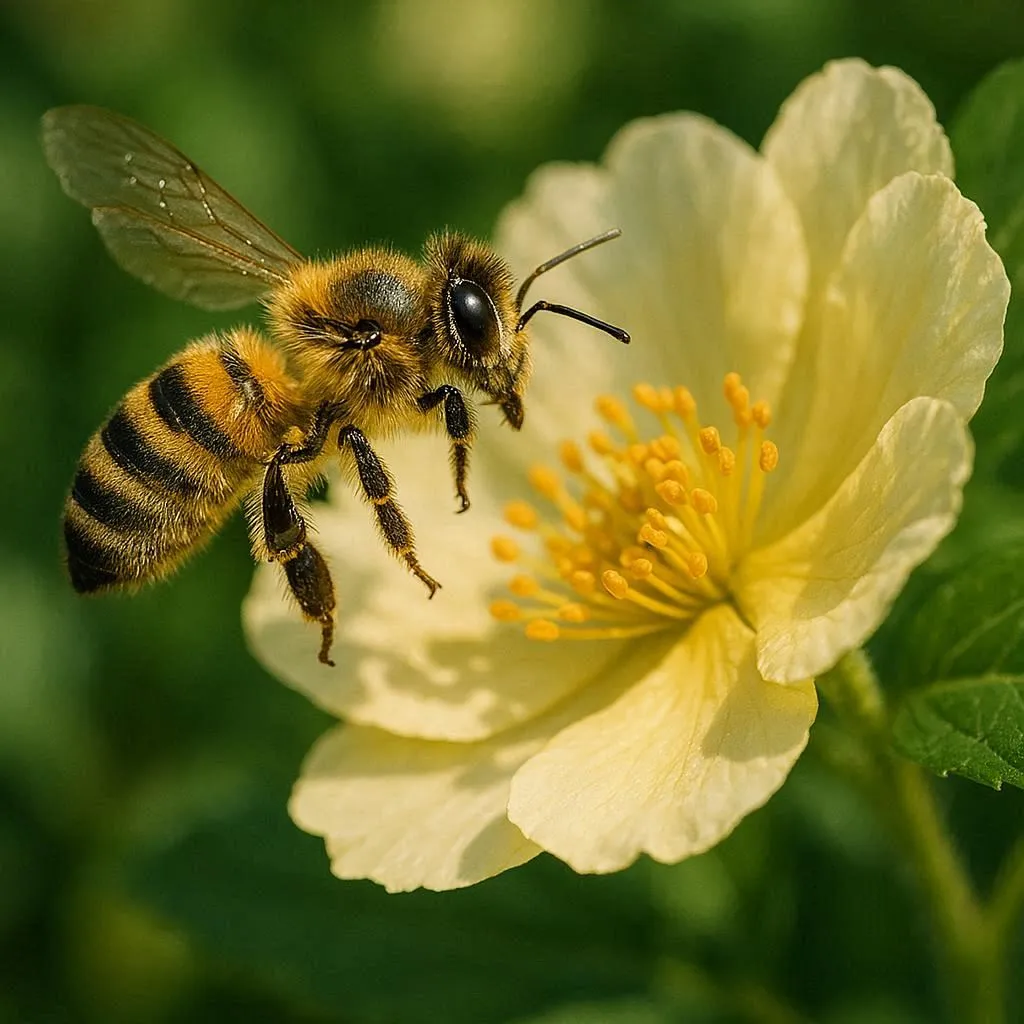
Looking for fun and fascinating Bee Trivia Questions and Answers? You’re in the right place! From honeybees and bumblebees to pollination, honey production, bee behavior, hives, queen bees, and surprising facts about these important insects, this collection is packed with interesting questions.
Whether you’re planning a classroom activity, trivia night, family game, nature quiz, or simply want to learn more about bees, these
Bee Trivia Questions and Answers offer a fun mix of easy, interesting, and challenging questions. Get ready to test yourself and discover just how amazing the world of bees can be!
Funny Bee Trivia Questions and Answers
1. What is the main job of a worker bee?
A. Laying eggs
B. Collecting food and caring for the hive
C. Mating with the queen
D. Protecting the queen only
Answer: B. Collecting food and caring for the hive
Explanation: Worker bees perform many tasks, including collecting nectar and pollen, feeding larvae, cleaning the hive, and protecting the colony.
Key Information: Worker bees are female bees that generally do not reproduce.
2. What does a bee collect from flowers to make honey?
A. Nectar
B. Seeds
C. Tree bark
D. Roots
Answer: A. Nectar
Explanation: Bees collect nectar from flowers and bring it back to the hive, where it is processed into honey.
Key Information: Nectar provides bees with carbohydrates and energy.
3. What is the primary food source for adult honey bees?
A. Honey and nectar
B. Leaves
C. Wood
D. Fruit skins
Answer: A. Honey and nectar
Explanation: Adult honey bees consume honey and nectar as major sources of energy.
Key Information: Pollen is also important because it provides protein and other nutrients.
4. What is the name of a male honey bee?
A. Worker
B. Drone
C. Queen
D. Guard
Answer: B. Drone
Explanation: Male honey bees are called drones.
Key Information: A drone’s primary biological role is to mate with a queen.
5. What is the only reproductive female in a typical honey bee colony?
A. Worker bee
B. Drone
C. Queen bee
D. Guard bee
Answer: C. Queen bee
Explanation: The queen is the primary reproductive female in a typical honey bee colony.
Key Information: A healthy queen can lay a very large number of eggs during the colony’s active season.
6. What do bees use to communicate the location of food?
A. Waggle dance
B. Sleeping patterns
C. Wing colors
D. Hive temperature
Answer: A. Waggle dance
Explanation: Honey bees can perform a waggle dance to communicate information about the direction and approximate distance of food.
Key Information: The dance is an impressive example of animal communication.
7. What is a bee’s home called?
A. Nest
B. Hive
C. Burrow
D. Den
Answer: B. Hive
Explanation: Honey bees commonly live in colonies housed in natural cavities or managed hives.
Key Information: A hive contains structures where bees raise young and store food.
8. What do bees use to make honeycomb?
A. Wax
B. Soil
C. Leaves
D. Silk
Answer: A. Wax
Explanation: Worker honey bees produce beeswax and use it to construct honeycomb.
Key Information: Honeycomb cells are typically hexagonal.
9. What shape are most honeycomb cells?
A. Circular
B. Square
C. Hexagonal
D. Triangular
Answer: C. Hexagonal
Explanation: Honey bees construct honeycomb using six-sided cells.
Key Information: Hexagonal cells efficiently use space while requiring relatively little building material.
10. How many legs does a honey bee have?
A. Four
B. Six
C. Eight
D. Ten
Answer: B. Six
Explanation: Bees are insects, and insects have six legs.
Key Information: Bees also have three main body sections: head, thorax, and abdomen.
11. How many wings does a honey bee have?
A. Two
B. Four
C. Six
D. Eight
Answer: B. Four
Explanation: Honey bees have two pairs of wings.
Key Information: The wings work together to produce the bee’s characteristic flight.
12. Which body part does a bee use to suck up nectar?
A. Proboscis
B. Antenna
C. Stinger
D. Leg
Answer: A. Proboscis
Explanation: A bee’s proboscis is a long, tube-like mouthpart used to collect liquid food such as nectar.
Key Information: Bees use their proboscis to access nectar inside flowers.
13. Why do bees visit flowers?
A. To collect food
B. To build nests
C. To find stones
D. To drink seawater
Answer: A. To collect food
Explanation: Bees visit flowers mainly to collect nectar and pollen for themselves and their colony.
Key Information: While visiting flowers, bees can also transfer pollen between plants.
14. What is pollination?
A. Transfer of pollen between flowers
B. Production of honey
C. Building a hive
D. Cleaning a hive
Answer: A. Transfer of pollen between flowers
Explanation: Pollination occurs when pollen is transferred to the reproductive part of a flower, allowing many plants to reproduce.
Key Information: Bees are important pollinators for many flowering plants.
15. What is a bee’s stinger primarily used for?
A. Defense
B. Collecting nectar
C. Building honeycomb
D. Carrying pollen
Answer: A. Defense
Explanation: Bees can use their stingers to defend themselves or their colony against threats.
Key Information: Honey bee workers have barbed stingers that can remain in the skin of some mammals after a sting.
16. What color is honey usually?
A. Golden or amber
B. Bright blue
C. Purple
D. Black
Answer: A. Golden or amber
Explanation: Honey commonly ranges from pale yellow to dark amber.
Key Information: Honey color and flavor can vary depending on the flowers visited by the bees.
17. What is bee pollen?
A. Pollen collected by bees
B. Beeswax
C. Honey mixed with water
D. A type of nectar
Answer: A. Pollen collected by bees
Explanation: Bees collect pollen from flowers and carry it back to the colony as a nutrient-rich food source.
Key Information: Pollen provides important protein and other nutrients for developing bees.
18. What happens to nectar inside the hive before it becomes honey?
A. Bees process and dehydrate it
B. Bees freeze it
C. Bees turn it into wax
D. Bees bury it underground
Answer: A. Bees process and dehydrate it
Explanation: Bees process nectar with enzymes and reduce its water content before storing it as honey.
Key Information: Mature honey is stored in honeycomb cells and sealed with beeswax.
19. Which bee is generally the largest member of a honey bee colony?
A. Queen
B. Worker
C. Drone
D. Guard
Answer: A. Queen
Explanation: The queen is typically longer and larger than worker bees.
Key Information: The queen’s main reproductive role is laying eggs.
20. Why are bees important to ecosystems?
A. They help pollinate plants
B. They produce rainfall
C. They create soil
D. They control ocean tides
Answer: A. They help pollinate plants
Explanation: Bees transfer pollen between flowers, supporting the reproduction of many plants.
Key Information: Bee pollination contributes to biodiversity and agricultural production.
Read More: 144+ Beetlejuice Trivia Questions And Answers
Easy Bee Trivia Questions and Answers
1. How many eyes does a honey bee have?
A. Two
B. Three
C. Five
D. Six
Answer: C. Five
Explanation: Honey bees have two large compound eyes and three smaller simple eyes called ocelli.
Key Information: The compound eyes help bees detect movement and colors.
2. What color can honey bees see that humans cannot see well?
A. Ultraviolet
B. Black
C. Orange
D. Brown
Answer: A. Ultraviolet
Explanation: Honey bees can see ultraviolet light, which helps them locate flowers and their nectar guides.
Key Information: Bees cannot see the color red as humans do.
3. What do bees use their antennae for?
A. Sensing smells and their surroundings
B. Making honey
C. Producing wax
D. Storing pollen
Answer: A. Sensing smells and their surroundings
Explanation: Bee antennae contain sensory organs that help detect odors, touch, and other environmental information.
Key Information: Antennae are essential for communication and finding food.
4. What is a group of bees called?
A. Colony
B. Pack
C. Herd
D. Pride
Answer: A. Colony
Explanation: A honey bee colony consists of many individual bees living and working together.
Key Information: A colony usually includes a queen, workers, and drones.
5. What does a queen bee primarily do?
A. Lay eggs
B. Collect nectar
C. Build every honeycomb cell
D. Guard the hive entrance
Answer: A. Lay eggs
Explanation: The queen’s main role in the colony is reproduction.
Key Information: Worker bees perform most of the other tasks needed to maintain the colony.
6. What do bees carry on their hind legs?
A. Pollen
B. Water only
C. Honey
D. Wax
Answer: A. Pollen
Explanation: Worker bees collect pollen and carry it in specialized structures called pollen baskets, or corbiculae.
Key Information: Pollen provides protein and other nutrients for the colony.
7. What are pollen baskets called?
A. Corbiculae
B. Spiracles
C. Mandibles
D. Ocelli
Answer: A. Corbiculae
Explanation: Corbiculae are specialized areas on the hind legs of certain bees used to carry pollen.
Key Information: Honey bees use these structures to transport pollen back to the hive.
8. What is a bee larva?
A. A young developing bee
B. An adult male bee
C. An old queen
D. A type of pollen
Answer: A. A young developing bee
Explanation: After hatching from an egg, a bee develops through the larval stage before becoming a pupa and eventually an adult.
Key Information: Worker bees feed and care for larvae inside the colony.
9. What is the pupal stage of a bee?
A. A stage between larva and adult
B. The egg stage
C. The adult worker stage
D. The honey-making stage
Answer: A. A stage between larva and adult
Explanation: During the pupal stage, the developing bee undergoes major physical changes before becoming an adult.
Key Information: Pupae develop inside capped cells in the honeycomb.
10. What do worker bees use to defend their hive?
A. Stingers
B. Wings only
C. Antennae
D. Pollen baskets
Answer: A. Stingers
Explanation: Worker honey bees can use their stingers as a defense mechanism when the colony is threatened.
Key Information: Honey bee workers are female.
11. What is swarming in honey bees?
A. Part of a colony leaving with a queen to form a new colony
B. Bees collecting pollen
C. Bees making honey
D. Bees sleeping
Answer: A. Part of a colony leaving with a queen to form a new colony
Explanation: Swarming is a natural reproductive process in which a queen and many worker bees leave the original colony.
Key Information: The remaining bees can raise a new queen.
12. What is royal jelly?
A. A nutritious secretion fed to developing queens
B. A type of honey
C. Beeswax
D. Flower nectar
Answer: A. A nutritious secretion fed to developing queens
Explanation: Young worker bees produce royal jelly, which is fed to all young larvae and in greater quantities to developing queen larvae.
Key Information: Diet helps determine whether a female larva develops into a queen or worker.
13. What is beeswax produced by?
A. Worker bees
B. Queen bees only
C. Drones only
D. Flower petals
Answer: A. Worker bees
Explanation: Worker bees produce wax from specialized glands on the underside of their abdomen.
Key Information: Bees use wax to build honeycomb cells.
14. Why do bees fan their wings inside the hive?
A. To help ventilate the hive and evaporate water from nectar
B. To make pollen
C. To produce eggs
D. To build the hive entrance
Answer: A. To help ventilate the hive and evaporate water from nectar
Explanation: Wing fanning helps circulate air and can assist with temperature control and honey production.
Key Information: Bees work together to maintain suitable hive conditions.
15. What is bee bread?
A. Stored pollen mixed with nectar or honey
B. A type of beeswax
C. Dried flower petals
D. A special type of honeycomb
Answer: A. Stored pollen mixed with nectar or honey
Explanation: Bees pack pollen into honeycomb cells and combine it with nectar or honey and microorganisms.
Key Information: Bee bread is an important protein-rich food for the colony.
16. Which bee usually does not have a stinger?
A. Drone
B. Worker
C. Queen
D. Guard bee
Answer: A. Drone
Explanation: Male honey bees, called drones, do not have stingers.
Key Information: Drones’ primary role is to mate with queens.
17. What is the main purpose of a bee’s wings?
A. Flying
B. Collecting nectar
C. Making wax
D. Digging tunnels
Answer: A. Flying
Explanation: Bees use their wings to fly between the hive and flowers and to move around the colony.
Key Information: Bees can also use their wings to help regulate conditions inside the hive.
18. What attracts bees to many flowers?
A. Color and scent
B. Sound only
C. Tree bark
D. Soil temperature
Answer: A. Color and scent
Explanation: Bees use visual and chemical cues to locate flowers that provide nectar and pollen.
Key Information: Ultraviolet patterns on flowers can also help guide bees toward nectar.
19. What is a honey bee’s scientific genus?
A. Apis
B. Canis
C. Felis
D. Equus
Answer: A. Apis
Explanation: Honey bees belong to the genus Apis.
Key Information: The western honey bee is scientifically known as Apis mellifera.
20. What is the main reason bees make honey?
A. To store food for the colony
B. To attract humans
C. To build wings
D. To protect flowers
Answer: A. To store food for the colony
Explanation: Bees convert nectar into honey and store it as a long-lasting food source.
Key Information: Honey provides energy for bees, especially when fresh flowers are scarce.
Bee Trivia Questions and Answers for Adults
1. How long can a honey bee typically live during the busy summer season?
A. About 5–6 weeks
B. About 6 months
C. About 2 years
D. About 10 years
Answer: A. About 5–6 weeks
Explanation: Worker honey bees often live only several weeks during the active summer season because of the intense work they perform.
Key Information: Winter worker bees can live considerably longer.
2. Which part of a flower do bees often collect nectar from?
A. Nectary
B. Root
C. Stem
D. Bark
Answer: A. Nectary
Explanation: Nectaries are structures in flowers that produce nectar.
Key Information: Nectar provides bees with carbohydrates for energy.
3. What is the process by which bees turn nectar into honey called?
A. Honey processing
B. Photosynthesis
C. Germination
D. Pollination
Answer: A. Honey processing
Explanation: Bees collect nectar, add enzymes, and reduce its water content before storing it as honey.
Key Information: Honey is stored in honeycomb cells and sealed with wax.
4. Which type of bee is responsible for feeding young larvae?
A. Worker bee
B. Drone
C. Queen only
D. Male guard bee
Answer: A. Worker bee
Explanation: Young worker bees perform nursing duties and feed developing larvae.
Key Information: Worker bees perform different jobs as they age.
5. What do bees use to carry nectar back to the hive?
A. Honey stomach
B. Pollen basket
C. Stinger
D. Antenna
Answer: A. Honey stomach
Explanation: Bees temporarily store collected nectar in a special part of their digestive system called the crop or honey stomach.
Key Information: Nectar is kept separate from the bee’s main digestive process until it is processed.
6. What is the main source of protein for honey bees?
A. Pollen
B. Nectar
C. Water
D. Honey
Answer: A. Pollen
Explanation: Pollen provides bees with protein, fats, vitamins, minerals, and other nutrients.
Key Information: Young developing bees especially need protein-rich food.
7. What do bees use their mandibles for?
A. Biting and handling materials
B. Seeing flowers
C. Flying
D. Producing eggs
Answer: A. Biting and handling materials
Explanation: Bees use their mandibles to manipulate wax, food, and other materials.
Key Information: Mandibles are located on the bee’s head.
8. What is the name for the protective covering placed over mature honey or developing pupae?
A. Capping
B. Shelling
C. Sealing
D. Wrapping
Answer: A. Capping
Explanation: Bees use wax to cap honey cells when the honey is ready for storage and brood cells as pupae develop.
Key Information: Capped brood cells have a slightly raised appearance.
9. What do bees use propolis for?
A. Sealing and protecting parts of the hive
B. Producing eggs
C. Flying faster
D. Collecting nectar
Answer: A. Sealing and protecting parts of the hive
Explanation: Propolis is a sticky material made from plant resins that bees use to seal gaps and protect the colony.
Key Information: Bees collect plant resins and combine them with their own substances to make propolis.
10. Which bee usually lives in a colony and produces honey?
A. Honey bee
B. Carpenter ant
C. Dragonfly
D. Butterfly
Answer: A. Honey bee
Explanation: Honey bees are social insects that live in colonies and store honey as food.
Key Information: Honey bees belong to the genus Apis.
11. What happens when a bee visits several flowers of the same species?
A. It can transfer pollen between flowers
B. It stops pollination
C. It produces wax immediately
D. It changes species
Answer: A. It can transfer pollen between flowers
Explanation: Pollen can stick to a bee’s body and be transferred to another flower.
Key Information: This makes bees important pollinators.
12. What is a bee’s thorax mainly associated with?
A. Legs and wings
B. Honey storage
C. Egg production
D. Digestion only
Answer: A. Legs and wings
Explanation: The thorax is the middle section of a bee’s body and contains the muscles used for movement and flight.
Key Information: A bee’s body has three main sections: head, thorax, and abdomen.
13. Which part of the bee contains most of its digestive and reproductive organs?
A. Abdomen
B. Head
C. Thorax
D. Antenna
Answer: A. Abdomen
Explanation: The abdomen contains many important internal organs, including digestive and reproductive structures.
Key Information: The stinger is also located at the end of the abdomen in female honey bees.
14. What is a bee colony’s main advantage of living together?
A. Cooperation
B. Isolation
C. Less food collection
D. Fewer responsibilities
Answer: A. Cooperation
Explanation: Bees work together to gather food, raise young, defend the hive, and maintain suitable conditions.
Key Information: Honey bees are highly social insects.
15. What does a bee use its sense of smell for?
A. Finding flowers and recognizing colony odors
B. Building wings
C. Producing wax
D. Changing its body color
Answer: A. Finding flowers and recognizing colony odors
Explanation: Smell is extremely important for bees when locating food and communicating within the colony.
Key Information: Bees have highly sensitive olfactory systems.
16. Which insect is closely related to bees?
A. Wasp
B. Grasshopper
C. Beetle
D. Dragonfly
Answer: A. Wasp
Explanation: Bees and wasps are both members of the insect order Hymenoptera.
Key Information: Ants are also members of the same order.
17. What is the purpose of a bee’s buzzing sound?
A. It is mainly produced by wing movement
B. It is produced by the stinger
C. It comes from the antennae
D. It is made by the legs
Answer: A. It is mainly produced by wing movement
Explanation: The rapid movement of a bee’s wings creates the familiar buzzing sound.
Key Information: Bees can also use vibrations and sounds as part of colony communication.
18. Which season usually provides many flowers for bees in temperate regions?
A. Spring
B. Winter
C. Late autumn only
D. None
Answer: A. Spring
Explanation: Spring often brings abundant flowering plants, providing bees with nectar and pollen.
Key Information: Flower availability varies depending on climate and location.
19. Why do bees store honey in their hive?
A. For food during periods when flowers are scarce
B. To make their wings stronger
C. To attract predators
D. To cool the hive
Answer: A. For food during periods when flowers are scarce
Explanation: Stored honey provides an energy source when bees cannot easily find enough nectar.
Key Information: Honey allows colonies to survive periods of limited food availability.
20. What makes bees important to farmers?
A. Their role in pollinating crops
B. Their ability to produce soil
C. Their ability to control rainfall
D. Their ability to remove weeds
Answer: A. Their role in pollinating crops
Explanation: Bees pollinate many flowering crops, helping plants produce fruits and seeds.
Key Information: Bee pollination supports both agriculture and natural ecosystems.
Read Also: 156+ Animal Trivia Questions And Answers
Honey Bee Questions Answers
1. Which bee is responsible for guarding the entrance of the hive?
A. Guard bee
B. Drone
C. Queen bee
D. Larva
Answer: A. Guard bee
Explanation: Guard bees are worker bees that protect the colony entrance from intruders.
Key Information: Guard bees can recognize members of their own colony by scent.
2. What do bees use to recognize members of their own colony?
A. Scent
B. Eye color
C. Wing size
D. Body weight
Answer: A. Scent
Explanation: Bees use chemical odors to identify nestmates and distinguish them from unfamiliar bees.
Key Information: Colony-specific scents help maintain hive security.
3. What is the term for a young bee that has not yet become an adult?
A. Brood
B. Drone
C. Queen
D. Worker
Answer: A. Brood
Explanation: Brood refers collectively to the eggs, larvae, and pupae developing inside a bee colony.
Key Information: Worker bees carefully feed and protect the brood.
4. What does the queen bee release to influence the colony?
A. Pheromones
B. Nectar
C. Pollen
D. Wax
Answer: A. Pheromones
Explanation: Queen pheromones are chemical signals that influence the behavior and organization of the colony.
Key Information: Pheromones help maintain colony cohesion.
5. Which bee usually leaves the hive to mate with a queen?
A. Drone
B. Worker
C. Guard bee
D. Nurse bee
Answer: A. Drone
Explanation: Drones are male honey bees whose primary reproductive role is mating with queens.
Key Information: Drones generally do not collect nectar or pollen.
6. What is the term for a female bee that is not a queen?
A. Worker
B. Drone
C. Larva
D. Pupa
Answer: A. Worker
Explanation: Worker bees are female bees that perform most of the colony’s daily tasks.
Key Information: Workers collect food, care for brood, build comb, and defend the hive.
7. Which bee usually has the longest body?
A. Queen
B. Worker
C. Drone
D. Larva
Answer: A. Queen
Explanation: The queen has a long abdomen that makes her noticeably larger and longer than worker bees.
Key Information: Her body is adapted primarily for egg production.
8. What is the main purpose of honeycomb?
A. Storing food and raising young
B. Making bees fly
C. Producing pollen
D. Attracting predators
Answer: A. Storing food and raising young
Explanation: Honeycomb provides cells for storing honey and pollen and for developing bee brood.
Key Information: Worker bees construct honeycomb from beeswax.
9. What is the main ingredient bees use to make beeswax?
A. Secretions from wax glands
B. Flower petals
C. Pollen
D. Tree roots
Answer: A. Secretions from wax glands
Explanation: Worker honey bees produce beeswax from specialized glands on their abdomen.
Key Information: Fresh beeswax is usually pale in color.
10. Why do bees collect water?
A. To help regulate the hive and feed the colony
B. To make pollen
C. To produce wings
D. To replace nectar completely
Answer: A. To help regulate the hive and feed the colony
Explanation: Bees collect water for colony needs, including cooling the hive during hot weather.
Key Information: Water is especially important for temperature regulation.
11. What happens when a honey bee colony becomes too crowded?
A. It may swarm
B. It stops producing workers
C. All bees leave permanently
D. The queen stops eating
Answer: A. It may swarm
Explanation: Swarming is a natural way honey bee colonies reproduce and establish new colonies.
Key Information: A swarm commonly includes a queen and many worker bees.
12. Which type of bee feeds and cares for larvae?
A. Nurse bee
B. Drone
C. Queen only
D. Forager only
Answer: A. Nurse bee
Explanation: Nurse bees are worker bees that care for developing brood and provide them with food.
Key Information: Worker bees can change jobs as they age.
13. What is a forager bee?
A. A worker that searches for food
B. A male bee
C. A developing larva
D. A queen bee
Answer: A. A worker that searches for food
Explanation: Forager bees leave the hive to collect nectar, pollen, water, and sometimes plant resins.
Key Information: Foragers communicate useful food locations to other colony members.
14. What is the dance used by honey bees to communicate food locations?
A. Waggle dance
B. Circle dance only
C. Spiral dance
D. Flight dance
Answer: A. Waggle dance
Explanation: The waggle dance communicates information about the direction and approximate distance of a food source.
Key Information: The sun’s position can help bees navigate.
15. Which substance helps bees protect and seal small gaps in their hive?
A. Propolis
B. Nectar
C. Pollen
D. Royal jelly
Answer: A. Propolis
Explanation: Propolis is made from plant resins and is used by bees to seal cracks and protect parts of the hive.
Key Information: Propolis is sometimes called “bee glue.”
16. What is the primary purpose of royal jelly?
A. Feeding developing larvae
B. Building honeycomb
C. Protecting the hive entrance
D. Collecting pollen
Answer: A. Feeding developing larvae
Explanation: Royal jelly is produced by worker bees and is fed to young larvae, with queen-destined larvae receiving it in greater amounts.
Key Information: Nutrition plays a major role in caste development.
17. Which body part helps a bee taste and smell its environment?
A. Antennae
B. Wings
C. Stinger
D. Abdomen
Answer: A. Antennae
Explanation: Bee antennae contain sensory receptors that detect odors and other environmental signals.
Key Information: Bees rely heavily on smell when locating flowers and communicating.
18. What do bees mainly use nectar for?
A. Energy
B. Building wings
C. Making their eyes
D. Producing pollen
Answer: A. Energy
Explanation: Nectar contains sugars that provide bees with energy for flying and other activities.
Key Information: Bees process excess nectar into honey for storage.
19. What do bees mainly use pollen for?
A. Protein and nutrients
B. Flight
C. Producing water
D. Building the hive entrance
Answer: A. Protein and nutrients
Explanation: Pollen provides protein, fats, vitamins, and minerals needed by the colony.
Key Information: Developing bees particularly need protein-rich food.
20. Why are hexagons used in honeycomb?
A. They efficiently fill space
B. They make honey sweeter
C. They attract flowers
D. They help bees sleep
Answer: A. They efficiently fill space
Explanation: Hexagonal cells fit together without leaving gaps and provide strong, efficient storage structures.
Key Information: Bees can build large amounts of storage space using relatively little wax.
Best Bee Trivia Questions and Answers
1. Which bee is known for producing honey that humans commonly eat?
A. Honey bee
B. Bumblebee
C. Carpenter bee
D. Mason bee
Answer: A. Honey bee
Explanation: Honey bees collect nectar and process it into honey, which they store as food for the colony.
Key Information: Several species in the genus Apis are known as honey bees.
2. What is a bumblebee known for?
A. Its fuzzy body
B. Its ability to live underwater
C. Its lack of wings
D. Its blue honey
Answer: A. Its fuzzy body
Explanation: Bumblebees are large, hairy bees that are important pollinators.
Key Information: Their hairy bodies help collect and carry pollen.
3. How do bees help flowering plants reproduce?
A. By transferring pollen
B. By eating leaves
C. By digging roots
D. By spreading seeds only
Answer: A. By transferring pollen
Explanation: Bees carry pollen from one flower to another while collecting food.
Key Information: This process is called pollination.
4. Which bee is usually larger and hairier than a honey bee?
A. Bumblebee
B. Drone
C. Worker bee
D. Queen bee
Answer: A. Bumblebee
Explanation: Bumblebees are generally larger and have a noticeably fuzzy appearance compared with honey bees.
Key Information: Bumblebees are important pollinators of many wild plants and crops.
5. What is a solitary bee?
A. A bee that does not live in a large social colony
B. A bee without wings
C. A male honey bee
D. A queen without workers
Answer: A. A bee that does not live in a large social colony
Explanation: Solitary bees generally build and provision their own nests rather than living in large colonies.
Key Information: Most bee species are actually solitary rather than highly social honey bees.
6. Which bee is famous for making nests in wood?
A. Carpenter bee
B. Honey bee
C. Bumblebee
D. Mining bee
Answer: A. Carpenter bee
Explanation: Carpenter bees excavate tunnels in wood to create nesting areas.
Key Information: They are named for their wood-boring nesting behavior.
7. What do bees collect from flowers besides nectar?
A. Pollen
B. Sand
C. Leaves
D. Bark
Answer: A. Pollen
Explanation: Bees collect pollen as a major source of protein and other nutrients.
Key Information: Pollen is especially important for feeding developing bees.
8. What is the name of the substance bees produce to build honeycomb?
A. Beeswax
B. Propolis
C. Royal jelly
D. Nectar
Answer: A. Beeswax
Explanation: Worker honey bees produce beeswax from glands on their abdomens.
Key Information: Beeswax is used to construct and repair honeycomb.
9. Which bee can lay thousands of eggs during a productive season?
A. Queen bee
B. Worker bee
C. Drone
D. Guard bee
Answer: A. Queen bee
Explanation: The queen is the primary egg-laying female in a typical honey bee colony.
Key Information: Her reproductive output is essential to maintaining the colony’s population.
10. What do worker bees do when they find a rich source of flowers?
A. Collect nectar and pollen
B. Leave the colony permanently
C. Stop communicating
D. Destroy the honeycomb
Answer: A. Collect nectar and pollen
Explanation: Foraging workers collect resources from flowers and bring them back to the colony.
Key Information: Foragers can travel considerable distances in search of food.
11. What is a bee’s proboscis used for?
A. Drinking nectar
B. Flying
C. Stinging predators
D. Building wax
Answer: A. Drinking nectar
Explanation: The proboscis is a long, flexible mouthpart used to suck up nectar and other liquids.
Key Information: It works somewhat like a tiny straw.
12. What protects a bee’s body from losing too much water?
A. Exoskeleton
B. Wings
C. Antennae
D. Proboscis
Answer: A. Exoskeleton
Explanation: Like other insects, bees have an external skeleton that supports and protects their bodies.
Key Information: The exoskeleton is made largely of chitin.
13. What is the scientific name of the common western honey bee?
A. Apis mellifera
B. Apis major
C. Apis flora
D. Apis australis
Answer: A. Apis mellifera
Explanation: Apis mellifera is the scientific name of the western honey bee.
Key Information: It is one of the most widely managed honey bee species.
14. What do bees use their wings for inside the hive?
A. Ventilation and cooling
B. Digging
C. Producing pollen
D. Laying eggs
Answer: A. Ventilation and cooling
Explanation: Bees fan their wings to circulate air and help regulate temperature and humidity.
Key Information: Hive temperature control is especially important for developing brood.
15. Which bee is responsible for most of the work inside a honey bee colony?
A. Worker bee
B. Drone
C. Queen
D. Male larva
Answer: A. Worker bee
Explanation: Worker bees perform numerous tasks, from cleaning and nursing to foraging and defense.
Key Information: Worker bees are female.
16. Why do bees visit flowers repeatedly?
A. To gather enough food for the colony
B. To sleep on flowers
C. To build nests in petals
D. To avoid other bees
Answer: A. To gather enough food for the colony
Explanation: A colony needs large amounts of nectar and pollen to survive and raise young.
Key Information: Flower availability strongly affects bee activity.
17. What can happen if bees cannot find enough flowers?
A. The colony may experience food shortages
B. They immediately turn into butterflies
C. They stop needing food
D. Their wings disappear
Answer: A. The colony may experience food shortages
Explanation: Bees depend on flowering plants for nectar and pollen.
Key Information: Habitat loss and reduced floral resources can create challenges for bee populations.
18. Which type of bee is usually responsible for mating with the queen?
A. Drone
B. Worker
C. Nurse bee
D. Guard bee
Answer: A. Drone
Explanation: Drones are male bees whose main role is reproduction.
Key Information: Drones typically do not perform the foraging and hive-maintenance duties of workers.
19. What is the main purpose of a bee’s pollen basket?
A. Carrying pollen
B. Storing honey
C. Holding water
D. Protecting the queen
Answer: A. Carrying pollen
Explanation: Honey bees use pollen baskets on their hind legs to transport collected pollen.
Key Information: Pollen baskets are also called corbiculae.
20. Why are bees considered important pollinators?
A. They move pollen between flowers while feeding
B. They eat harmful insects
C. They produce rain
D. They spread tree bark
Answer: A. They move pollen between flowers while feeding
Explanation: Bees often pick up pollen from one flower and deposit it on another flower as they forage.
Key Information: Pollination helps many plants produce fruits and seeds.
Bee Trivia Questions and Answers for Kids
1. Which bee species is famous for living in large colonies?
A. Honey bee
B. Carpenter bee
C. Leafcutter bee
D. Mining bee
Answer: A. Honey bee
Explanation: Honey bees are highly social insects that live together in organized colonies.
Key Information: A colony can contain thousands of individual bees.
2. What is the main purpose of a bee colony’s honey stores?
A. Food supply
B. Building wings
C. Making pollen
D. Attracting predators
Answer: A. Food supply
Explanation: Bees store honey as an energy-rich food source for periods when flowers are not producing enough nectar.
Key Information: Honey can remain stored for long periods when properly sealed.
3. Which bee is generally responsible for cleaning the cells of the hive?
A. Worker bee
B. Drone
C. Queen bee
D. Male larva
Answer: A. Worker bee
Explanation: Young worker bees often clean and prepare honeycomb cells before they are used again.
Key Information: Worker bees change tasks as they grow older.
4. What do bees do with pollen after bringing it back to the hive?
A. Store it as food
B. Turn it into water
C. Use it to make wings
D. Throw it outside
Answer: A. Store it as food
Explanation: Bees pack pollen into honeycomb cells where it becomes an important protein-rich food source.
Key Information: Stored pollen is sometimes called bee bread.
5. What is the name of the bee’s hard outer covering?
A. Exoskeleton
B. Epidermis
C. Shell
D. Carapace
Answer: A. Exoskeleton
Explanation: An exoskeleton provides support and protection for a bee’s body.
Key Information: The insect exoskeleton is primarily made of chitin.
6. How many body sections does an adult bee have?
A. Three
B. Four
C. Five
D. Six
Answer: A. Three
Explanation: A bee’s body is divided into the head, thorax, and abdomen.
Key Information: Each section performs different important functions.
7. Which body section contains a bee’s wings and legs?
A. Thorax
B. Head
C. Abdomen
D. Antenna
Answer: A. Thorax
Explanation: The thorax contains the muscles and structures associated with movement, including the legs and wings.
Key Information: Powerful flight muscles are located in the thorax.
8. What do bees use their compound eyes to detect?
A. Movement and visual information
B. Honey sweetness
C. Hive temperature only
D. Pollen taste
Answer: A. Movement and visual information
Explanation: Compound eyes help bees detect movement, patterns, and colors.
Key Information: Bees can see ultraviolet light, which helps them locate flowers.
9. Which color is difficult for honey bees to see compared with humans?
A. Red
B. Blue
C. Violet
D. Ultraviolet
Answer: A. Red
Explanation: Honey bees have vision that extends into ultraviolet but does not include red in the same way human vision does.
Key Information: Bees are especially sensitive to blue, green, and ultraviolet wavelengths.
10. What is the main function of a bee’s antennae?
A. Sensing the environment
B. Producing honey
C. Flying
D. Storing pollen
Answer: A. Sensing the environment
Explanation: Antennae contain receptors that help bees detect smells, touch, temperature, and other signals.
Key Information: Antennae are extremely important for communication and navigation.
11. What do bees use nectar to produce?
A. Honey
B. Pollen
C. Beeswax only
D. Royal jelly only
Answer: A. Honey
Explanation: Bees collect nectar and process it with enzymes while reducing its water content.
Key Information: Mature honey is stored in honeycomb cells.
12. What do worker bees produce to feed very young larvae?
A. Royal jelly
B. Beeswax
C. Propolis
D. Pollen baskets
Answer: A. Royal jelly
Explanation: Young worker bees produce royal jelly and feed it to developing larvae.
Key Information: Queen-destined larvae receive abundant royal jelly throughout development.
13. What is propolis sometimes called?
A. Bee glue
B. Bee milk
C. Bee water
D. Bee sugar
Answer: A. Bee glue
Explanation: Propolis is a sticky resinous material that bees use to seal cracks and protect the hive.
Key Information: Bees collect plant resins to make propolis.
14. What happens when a honey bee colony prepares to swarm?
A. A queen and many workers leave to establish a new colony
B. All drones become queens
C. The colony stops collecting food
D. The bees stop producing wax
Answer: A. A queen and many workers leave to establish a new colony
Explanation: Swarming is a natural form of colony reproduction.
Key Information: A swarm usually leaves the original hive while another queen is raised or remains with the original colony.
15. Which bee is usually unable to sting?
A. Drone
B. Worker
C. Queen
D. Guard bee
Answer: A. Drone
Explanation: Male honey bees, known as drones, do not possess stingers.
Key Information: Their primary function is mating with queens.
16. What is a bee’s stinger connected to?
A. Defensive system
B. Digestive system
C. Wings
D. Antennae
Answer: A. Defensive system
Explanation: The stinger is a defense structure used by female bees such as workers.
Key Information: A honey bee worker’s barbed stinger can remain embedded in the skin of some mammals.
17. What do bees do when they perform a waggle dance?
A. Communicate information about food
B. Produce honey
C. Build wax cells
D. Defend against rain
Answer: A. Communicate information about food
Explanation: The waggle dance provides other bees with information about the direction and distance of a food source.
Key Information: Bees use the position of the sun as part of their navigation system.
18. Which bee is usually responsible for collecting nectar from flowers?
A. Forager worker
B. Drone
C. Queen
D. Larva
Answer: A. Forager worker
Explanation: Forager workers leave the hive to collect nectar, pollen, water, and other resources.
Key Information: Foraging is one of the many jobs performed by worker bees.
19. Why do bees make their honeycomb cells hexagonal?
A. Hexagons use space efficiently
B. Hexagons produce more nectar
C. Hexagons make bees invisible
D. Hexagons attract queens
Answer: A. Hexagons use space efficiently
Explanation: Six-sided cells fit closely together without leaving gaps.
Key Information: This design provides strong storage space while using relatively little beeswax.
20. What is one major threat to bee populations?
A. Habitat loss
B. Moonlight
C. Ocean waves
D. Snowflakes
Answer: A. Habitat loss
Explanation: Loss of flowering plants and nesting habitats can reduce the resources available to bees.
Key Information: Pesticide exposure, parasites, diseases, and climate-related changes can also affect bee populations.
Tricky Trivia Questions and Answers for Kids
1. Which type of bee is usually the smallest member of a honey bee colony?
A. Worker bee
B. Queen bee
C. Drone
D. Swarm queen
Answer: A. Worker bee
Explanation: Worker bees are generally smaller than queens and drones.
Key Information: Worker bees are female and perform most colony tasks.
2. What is the first stage in a honey bee’s life cycle?
A. Egg
B. Larva
C. Pupa
D. Adult
Answer: A. Egg
Explanation: A honey bee begins its life as an egg laid by the queen.
Key Information: The egg later hatches into a larva.
3. What comes after the larval stage in a bee’s development?
A. Pupa
B. Egg
C. Adult
D. Drone
Answer: A. Pupa
Explanation: After the larval stage, a bee enters the pupal stage before emerging as an adult.
Key Information: During the pupal stage, the bee develops its adult body structures.
4. What do bees use their legs for besides walking?
A. Collecting pollen
B. Producing eggs
C. Seeing ultraviolet light
D. Making honey directly
Answer: A. Collecting pollen
Explanation: Honey bees have specialized structures on their hind legs that help them carry pollen.
Key Information: These pollen baskets are called corbiculae.
5. What is a bee’s pollen basket?
A. A structure on its hind leg for carrying pollen
B. A storage area inside the hive
C. A part of the queen’s body
D. A type of honeycomb
Answer: A. A structure on its hind leg for carrying pollen
Explanation: Worker honey bees pack collected pollen into the corbiculae on their hind legs.
Key Information: Pollen baskets are especially developed in social bees such as honey bees.
6. Which substance do bees use to seal cracks in their hive?
A. Propolis
B. Nectar
C. Pollen
D. Royal jelly
Answer: A. Propolis
Explanation: Bees collect plant resins and use them to make propolis, a sticky material used around the hive.
Key Information: Propolis can help protect the colony from microbes and unwanted pests.
7. What is the main purpose of bee antennae?
A. Smelling and sensing
B. Flying
C. Producing wax
D. Storing honey
Answer: A. Smelling and sensing
Explanation: Antennae contain many sensory receptors that help bees understand their surroundings.
Key Information: Bees rely heavily on smell when identifying flowers and nestmates.
8. Which part of a flower produces nectar?
A. Nectary
B. Root
C. Leaf
D. Bark
Answer: A. Nectary
Explanation: Nectaries are specialized structures that produce nectar to attract pollinators.
Key Information: Bees collect nectar from nectaries using their proboscis.
9. What is the main purpose of nectar for bees?
A. Providing energy
B. Building wings
C. Producing pollen
D. Protecting the hive
Answer: A. Providing energy
Explanation: Nectar contains sugars that provide bees with energy for flying and other activities.
Key Information: Excess nectar is processed into honey for storage.
10. What is the main nutritional role of pollen?
A. Providing protein
B. Providing only water
C. Building wings
D. Producing sunlight
Answer: A. Providing protein
Explanation: Pollen contains protein and other nutrients needed by bees.
Key Information: Developing larvae require protein-rich food for growth.
11. Which bee performs most of the foraging in a honey bee colony?
A. Worker bee
B. Drone
C. Queen
D. Pupa
Answer: A. Worker bee
Explanation: Worker bees leave the hive to collect nectar, pollen, water, and other resources.
Key Information: Worker bees are female.
12. What does a queen bee mainly produce?
A. Eggs
B. Pollen
C. Beeswax
D. Propolis
Answer: A. Eggs
Explanation: The queen’s primary role is to lay eggs and maintain the colony’s reproduction.
Key Information: A healthy queen can lay a very large number of eggs during peak season.
13. What is a drone bee?
A. A male honey bee
B. A young queen
C. A worker bee
D. A bee larva
Answer: A. A male honey bee
Explanation: Drones are male honey bees that primarily exist to mate with queens.
Key Information: Drones do not collect nectar or pollen like worker bees.
14. What is honeycomb made from?
A. Beeswax
B. Pollen
C. Nectar
D. Propolis only
Answer: A. Beeswax
Explanation: Worker bees produce beeswax and shape it into honeycomb cells.
Key Information: Honeycomb is used for storing food and raising brood.
15. Why do bees fan their wings inside the hive?
A. To circulate air
B. To make pollen
C. To lay eggs
D. To produce stingers
Answer: A. To circulate air
Explanation: Wing fanning helps regulate temperature and humidity inside the colony.
Key Information: Bees may also fan their wings to help remove moisture from nectar as it becomes honey.
16. What is a swarm of bees?
A. A large group of bees leaving a colony together
B. A single queen
C. A group of bee eggs
D. A honeycomb cell
Answer: A. A large group of bees leaving a colony together
Explanation: During swarming, a queen and many worker bees leave the original colony to establish a new one.
Key Information: Swarming is a natural part of honey bee colony reproduction.
17. Which bee usually protects the entrance of the hive?
A. Guard bee
B. Drone
C. Queen
D. Larva
Answer: A. Guard bee
Explanation: Guard bees inspect incoming bees and help protect the colony from intruders.
Key Information: Guard bees use scent and behavior to identify potential threats.
18. What do bees use to communicate the location of distant food?
A. Waggle dance
B. Honeycomb color
C. Wing color
D. Stinger movement
Answer: A. Waggle dance
Explanation: The waggle dance communicates information about the direction and distance of a food source.
Key Information: The dance is one of the most remarkable examples of communication in insects.
19. Which bee product is commonly used in candles and cosmetics?
A. Beeswax
B. Pollen
C. Nectar
D. Royal jelly only
Answer: A. Beeswax
Explanation: Beeswax has useful properties that make it valuable in candles, cosmetics, polishes, and other products.
Key Information: Beeswax is produced naturally by worker honey bees.
20. Why are wild bees important even when they do not produce honey for humans?
A. They pollinate plants
B. They produce rainfall
C. They control the seasons
D. They create rivers
Answer: A. They pollinate plants
Explanation: Many wild bee species are important pollinators of flowers, wild plants, and crops.
Key Information: Pollination helps plants produce seeds and fruits and supports healthy ecosystems.
FAQS
1. WHAT DO BEES COLLECT FROM FLOWERS?
Answer: Bees collect nectar and pollen from flowers, which they use as food for themselves and their colony.
2. WHAT DO BEES MAKE FROM NECTAR?
Answer: Bees turn nectar into honey, which they store in their hive as a long-lasting food source.
3. WHAT IS A GROUP OF BEES CALLED?
Answer: A group of bees is called a swarm when they travel together, often with a queen.
4. WHY ARE BEES IMPORTANT?
Answer: Bees are important pollinators that help many plants produce fruits, seeds, and new plants.
Conclusion
Bees play a vital role in nature and are fascinating creatures with unique behaviors, complex colonies, and an important role in pollination.
These Bee Trivia Questions and Answers are a fun way to learn more about bees while testing your memory and having a great time.
How many questions did you get right? Share your score, challenge your friends and family, and see who can become the ultimate bee trivia champion!
Recommend:
157+ Spooktacular Beetlejuice Trivia Questions and Answers