
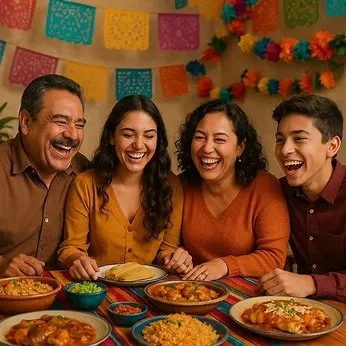
Looking for the best Hispanic trivia questions and answers to test your knowledge? You’re in the right place!
Hispanic culture is rich with fascinating traditions, famous personalities, historic events, music, food, sports, and celebrations from countries and communities across the Spanish-speaking world.
In this collection of Hispanic trivia questions and answers, you’ll find a fun mix of easy, medium, and challenging questions covering Hispanic history, culture, geography, language, entertainment, food, and more.
Whether you’re planning a Hispanic Heritage Month quiz, a family game night, a classroom activity, or simply want to learn something new, these questions are a fun way to challenge yourself and discover interesting facts.
So, grab a friend, keep track of your score, and see how many Hispanic trivia questions you can answer correctly!
Hispanic Trivia Questions and Answers
1. What is the largest Spanish-speaking country in the world by population?
Answer: Mexico.
Explanation: Mexico has the largest population of Spanish speakers in the world. Spanish is the primary language used throughout the country, although Mexico is also home to many Indigenous languages.
Key Information: Mexico is located in North America and has a rich cultural heritage influenced by Indigenous civilizations, including the Aztec and Maya, as well as Spanish colonial history.
2. What is the capital city of Spain?
Answer: Madrid.
Explanation: Madrid is the capital and largest city of Spain. It is the country’s main political, economic, and cultural center.
Key Information: Madrid is located in central Spain and is known for landmarks such as the Royal Palace, Prado Museum, and Retiro Park.
3. Which Hispanic country is home to Machu Picchu?
Answer: Peru.
Explanation: Machu Picchu is an ancient Inca site located high in the Andes Mountains of Peru.
Key Information: The site was built during the 15th century and is famous for its sophisticated stone construction, agricultural terraces, and spectacular mountain surroundings.
4. What is the capital city of Argentina?
Answer: Buenos Aires.
Explanation: Buenos Aires is the capital and largest city of Argentina. It is one of the most important cultural cities in South America.
Key Information: The city is internationally famous for tango, football, European-influenced architecture, theaters, cafés, and its lively cultural scene.
5. Which Hispanic country is home to the Panama Canal?
Answer: Panama.
Explanation: The Panama Canal is an artificial waterway that connects the Atlantic and Pacific Oceans.
Key Information: The canal opened in 1914 and is one of the world’s most important shipping routes, allowing vessels to avoid traveling around the southern tip of South America.
6. What was the capital of the Aztec Empire?
Answer: Tenochtitlan.
Explanation: Tenochtitlan was the capital of the Aztec Empire and was built on an island in Lake Texcoco.
Key Information: The city became one of the largest urban centers in the Americas before the Spanish conquest. Modern Mexico City was later established on and around the former city.
7. Which Hispanic country is famous for tango?
Answer: Argentina.
Explanation: Tango developed in the Río de la Plata region during the late 19th century and became especially associated with Buenos Aires.
Key Information: Tango combines music and dance with dramatic movements and expressive rhythms. It later spread internationally and became an important symbol of Argentine culture.
8. What is the capital city of Colombia?
Answer: Bogotá.
Explanation: Bogotá is the capital and largest city of Colombia. It is situated high in the Andes Mountains.
Key Information: Bogotá sits at approximately 2,600 meters above sea level and is an important center for Colombian government, education, business, and culture.
9. Which Hispanic country is home to the Atacama Desert?
Answer: Chile.
Explanation: The Atacama Desert is located in northern Chile and is famous for its exceptionally dry climate.
Key Information: Some areas of the Atacama receive almost no measurable rainfall. The region’s dry and clear conditions also make it an excellent location for astronomical observatories.
10. What Mexican celebration honors deceased loved ones?
Answer: Día de los Muertos, or Day of the Dead.
Explanation: Día de los Muertos is a traditional celebration in which families remember and honor relatives and friends who have died.
Key Information: Families often create colorful altars called ofrendas, decorated with photographs, candles, flowers, favorite foods, and personal belongings of deceased loved ones.
11. Who was Frida Kahlo?
Answer: Frida Kahlo was a famous Mexican painter.
Explanation: Kahlo became internationally famous for her distinctive self-portraits and deeply personal artwork.
Key Information: Her paintings often explored identity, physical suffering, Mexican heritage, relationships, and personal experiences. She was married to Mexican muralist Diego Rivera.
12. Which region of Spain is especially associated with flamenco?
Answer: Andalusia.
Explanation: Andalusia in southern Spain is widely regarded as the heartland of flamenco music and dance.
Key Information: Flamenco combines singing, guitar playing, rhythmic footwork, hand movements, and expressive dance. It developed through the interaction of several cultural traditions.
13. What Mexican dish consists of tortillas filled with ingredients and covered with sauce?
Answer: Enchiladas.
Explanation: Enchiladas are prepared using tortillas filled with ingredients such as cheese, meat, beans, or vegetables and covered with a chili-based sauce.
Key Information: Mexico has many regional varieties of enchiladas, with different sauces, fillings, and preparation methods depending on the area.
14. Who wrote Don Quixote?
Answer: Miguel de Cervantes.
Explanation: Miguel de Cervantes was a Spanish writer whose famous novel follows the adventures of Don Quixote, a man who imagines himself to be a heroic knight.
Key Information: The first part of Don Quixote appeared in 1605, followed by the second part in 1615. It is considered one of the most influential works in world literature.
15. Which Hispanic country played a major role in the development of modern reggaeton?
Answer: Puerto Rico.
Explanation: Reggaeton developed from Caribbean and Latin American musical influences, including reggae en español, dancehall, hip-hop, and other styles.
Key Information: Puerto Rican artists helped transform reggaeton into a global music genre, particularly during the late 1990s and 2000s.
16. In which Spanish city does the famous Running of the Bulls take place?
Answer: Pamplona.
Explanation: The Running of the Bulls is one of the best-known events of the annual Festival of San Fermín in Pamplona, Spain.
Key Information: Participants run through the city’s streets ahead of a group of bulls. The festival takes place every July and attracts visitors from many countries.
17. Which Hispanic country is home to the Galápagos Islands?
Answer: Ecuador.
Explanation: The Galápagos Islands are an Ecuadorian archipelago located in the Pacific Ocean.
Key Information: The islands are famous for their unusual wildlife and unique ecosystems. Charles Darwin visited them in 1835, and his observations contributed to his ideas about evolution.
18. What traditional Spanish rice dish originated in Valencia?
Answer: Paella.
Explanation: Paella originated in the Valencia region of Spain and is traditionally cooked in a wide, shallow pan.
Key Information: Different types of paella use different ingredients. Traditional Valencian versions can include rice, vegetables, beans, chicken, or rabbit, while seafood versions are also widely popular.
19. Who was Gabriel García Márquez?
Answer: Gabriel García Márquez was a Colombian novelist, journalist, and Nobel Prize-winning author.
Explanation: García Márquez was one of the most influential Spanish-language writers of the 20th century and is strongly associated with magical realism.
Key Information: His famous novel One Hundred Years of Solitude was published in 1967. He received the Nobel Prize in Literature in 1982.
20. Which ancient civilization built Machu Picchu?
Answer: The Inca civilization.
Explanation: Machu Picchu was constructed by the Inca civilization, which created one of the largest empires in pre-Columbian South America.
Key Information: The Inca developed an extensive road system across the Andes and controlled territory covering parts of several modern countries before the arrival of the Spanish.
Read More: 147+ Latino Trivia Questios And Aswers
Hispanic Trivia Questions and Answers for Students
1. What is the largest country in Central America by land area?
Answer: Nicaragua.
Explanation: Nicaragua is the largest country in Central America by land area. It stretches from the Caribbean Sea on the east to the Pacific Ocean on the west.
Key Information: Nicaragua is famous for its large freshwater lakes, volcanoes, tropical forests, and colonial cities such as Granada and León.
2. Which Hispanic country is known as the “Land of Volcanoes”?
Answer: El Salvador.
Explanation: El Salvador has many volcanoes across its relatively small territory, giving it the nickname “Land of Volcanoes.”
Key Information: El Salvador is the smallest country in mainland Central America. Its landscape includes volcanoes, mountains, beaches, and fertile agricultural regions.
3. What is the capital of Peru?
Answer: Lima.
Explanation: Lima is the capital and largest city of Peru. It was founded by Spanish conquistador Francisco Pizarro in 1535.
Key Information: Lima is located along Peru’s Pacific coast and is an important center for Peruvian history, cuisine, business, and culture.
4. Which Hispanic country shares the island of Hispaniola with Haiti?
Answer: The Dominican Republic.
Explanation: The Dominican Republic occupies the eastern portion of Hispaniola, while Haiti occupies the western portion.
Key Information: The Dominican Republic is famous for its Caribbean beaches, merengue and bachata music, baseball tradition, and historic capital Santo Domingo.
5. What is the official currency of Mexico?
Answer: The Mexican peso.
Explanation: The Mexican peso is Mexico’s official currency and is one of the most actively traded currencies in Latin America.
Key Information: The peso uses the symbol “$” and is commonly written as MXN in international financial markets.
6. Which Hispanic country is famous for the Salar de Uyuni salt flats?
Answer: Bolivia.
Explanation: Salar de Uyuni is an enormous salt flat located in southwestern Bolivia.
Key Information: It is the world’s largest salt flat, covering thousands of square miles. During the rainy season, a thin layer of water can create a spectacular mirror-like effect.
7. What is the capital of Venezuela?
Answer: Caracas.
Explanation: Caracas is the capital and largest city of Venezuela. It lies in a valley surrounded by mountains near the Caribbean coast.
Key Information: Caracas is an important political, economic, and cultural center and is located near Ávila National Park and the Caribbean coastline.
8. Which Hispanic country is famous for the Carnival of Barranquilla?
Answer: Colombia.
Explanation: The Carnival of Barranquilla is one of Colombia’s largest and most important cultural celebrations.
Key Information: The festival features colorful costumes, traditional dances, parades, and music. It reflects a mixture of Indigenous, African, and European cultural influences.
9. What is the capital of Costa Rica?
Answer: San José.
Explanation: San José is the capital and largest city of Costa Rica. It is located in the country’s Central Valley.
Key Information: San José is an important center for government, education, business, and culture and provides access to many of Costa Rica’s natural attractions.
10. Which Hispanic country is famous for the city of Cartagena?
Answer: Colombia.
Explanation: Cartagena is a historic Caribbean coastal city in Colombia known for its fortified old town and colonial architecture.
Key Information: Cartagena’s historic center is surrounded by massive defensive walls built during the Spanish colonial period and is recognized as a UNESCO World Heritage Site.
11. What is the capital of Ecuador?
Answer: Quito.
Explanation: Quito is the capital of Ecuador and is located high in the Andes Mountains near the equator.
Key Information: Quito is one of the world’s highest national capitals. Its historic center contains beautifully preserved colonial churches, plazas, and buildings.
12. Which Hispanic country is famous for the Nazca Lines?
Answer: Peru.
Explanation: The Nazca Lines are enormous ancient geoglyphs created in the desert of southern Peru.
Key Information: The designs include animals, plants, geometric shapes, and other figures. Many of them are so large that their full shapes are best appreciated from the air.
13. What is the capital of Uruguay?
Answer: Montevideo.
Explanation: Montevideo is the capital and largest city of Uruguay. It sits along the northern shore of the Río de la Plata.
Key Information: Montevideo is known for its coastal promenade, historic neighborhoods, football culture, and strong connection to tango and candombe music.
14. Which Hispanic country is famous for its traditional drink called mate?
Answer: Argentina.
Explanation: Mate is a caffeinated herbal drink prepared by steeping dried yerba mate leaves in hot water.
Key Information: Drinking mate is an important social tradition in Argentina and is also widely enjoyed in Uruguay, Paraguay, and parts of southern Brazil and Chile.
15. What is the capital of Paraguay?
Answer: Asunción.
Explanation: Asunción is the capital and largest city of Paraguay and is located along the Paraguay River.
Key Information: Founded in 1537, Asunción is one of the oldest continuously inhabited cities established by Europeans in the Río de la Plata region.
16. Which Hispanic country is famous for the traditional music genre bachata?
Answer: The Dominican Republic.
Explanation: Bachata originated in the Dominican Republic and was initially associated with romantic songs and guitar-based music.
Key Information: Modern bachata has become an international dance and music style, with artists such as Juan Luis Guerra and Romeo Santos helping popularize it worldwide.
17. What is the capital of Bolivia?
Answer: Sucre is the constitutional capital of Bolivia.
Explanation: Bolivia has a unique arrangement in which Sucre is the constitutional capital, while La Paz serves as the seat of government.
Key Information: Sucre is known for its white colonial architecture and historic center. La Paz is located at a much higher elevation and houses Bolivia’s executive and legislative institutions.
18. Which Hispanic country is home to the famous city of Cusco?
Answer: Peru.
Explanation: Cusco was the historic capital of the Inca Empire and became an important Spanish colonial city after the conquest.
Key Information: Cusco sits high in the Andes and serves as a major gateway for visitors traveling to Machu Picchu and other archaeological sites.
19. What is the capital of Honduras?
Answer: Tegucigalpa.
Explanation: Tegucigalpa is the capital and one of the principal cities of Honduras. It is located in a mountainous region of the country.
Key Information: The city is known for its hilly landscape, historic churches, government buildings, and cultural institutions.
20. Which Hispanic country is famous for the traditional dance called merengue?
Answer: The Dominican Republic.
Explanation: Merengue is one of the Dominican Republic’s most important musical and dance traditions. It features lively rhythms and energetic dancing.
Key Information: Merengue became internationally popular during the 20th century and remains an important symbol of Dominican national identity.
Read More: 147+ October Trivia Questions and Answers
Fun Hispanic Trivia Questions and Answers
1. Which Hispanic country is home to the famous Alhambra palace complex?
Answer: Spain.
Explanation: The Alhambra is a historic palace and fortress complex located in Granada, Spain. It was originally developed during the period of Muslim rule in the Iberian Peninsula.
Key Information: The Alhambra is celebrated for its intricate geometric designs, beautiful courtyards, fountains, gardens, and Islamic architectural details. It is a UNESCO World Heritage Site.
2. Which Spanish city is famous for the Sagrada Família basilica?
Answer: Barcelona.
Explanation: The Sagrada Família is a world-famous basilica in Barcelona designed primarily by architect Antoni Gaudí.
Key Information: Construction began in 1882 and continued for generations. The building is recognized for its unusual towers, detailed façades, and distinctive combination of Gothic and Art Nouveau influences.
3. Which Hispanic country is known for the traditional dance called cueca?
Answer: Chile.
Explanation: Cueca is the national dance of Chile and traditionally portrays a playful courtship between partners.
Key Information: Cueca is commonly performed during Chilean national celebrations and involves coordinated movements with handkerchiefs.
4. What is the capital of Guatemala?
Answer: Guatemala City.
Explanation: Guatemala City is the capital and largest urban center of Guatemala. It is located in a highland valley surrounded by mountains and volcanoes.
Key Information: The city is an important center for government, commerce, education, and culture. Guatemala also contains numerous archaeological sites from the ancient Maya civilization.
5. Which Hispanic country is famous for the ancient Maya city of Tikal?
Answer: Guatemala.
Explanation: Tikal was one of the most important cities of the ancient Maya civilization and is located in northern Guatemala.
Key Information: Tikal contains enormous temples and pyramids rising above the surrounding rainforest. The site is a UNESCO World Heritage Site and an important source of information about Maya civilization.
6. What is the capital of Nicaragua?
Answer: Managua.
Explanation: Managua is the capital and largest city of Nicaragua. It is situated near the southwestern shore of Lake Managua.
Key Information: Managua became Nicaragua’s capital in the 19th century. The city is surrounded by volcanoes, lakes, and tropical landscapes.
7. Which Hispanic country is famous for the traditional drink horchata?
Answer: Mexico.
Explanation: Mexican horchata is a sweet, refreshing drink commonly made from rice, water or milk, sugar, and cinnamon.
Key Information: Horchata is commonly served with Mexican meals. Different countries have their own versions, and Spain’s traditional horchata is typically made from tiger nuts rather than rice.
8. Which country is the birthplace of the famous writer Isabel Allende?
Answer: Chile.
Explanation: Isabel Allende is a Chilean-American novelist whose works often combine family stories, history, politics, and elements of magical realism.
Key Information: Some of her best-known books include The House of the Spirits and Eva Luna. She is one of the most widely read Spanish-language authors in the world.
9. Which Hispanic country is famous for the city of Granada and its colonial architecture?
Answer: Nicaragua.
Explanation: Granada is one of Nicaragua’s oldest cities and was founded by the Spanish in 1524.
Key Information: The city is known for brightly colored colonial buildings, historic churches, cobblestone streets, and its location near Lake Nicaragua.
10. What is the capital of the Dominican Republic?
Answer: Santo Domingo.
Explanation: Santo Domingo is the capital and largest city of the Dominican Republic and has a major place in Caribbean history.
Key Information: Its Colonial Zone contains historic buildings from the early Spanish period in the Americas. The city was founded in 1496 by Bartholomew Columbus.
11. Which Hispanic country is famous for the musical style vallenato?
Answer: Colombia.
Explanation: Vallenato is a traditional Colombian music genre that originated in the Caribbean region of the country.
Key Information: Traditional vallenato commonly features the accordion, caja drum, and guacharaca. The genre often tells stories about love, daily life, and regional culture.
12. What is the capital of Cuba?
Answer: Havana.
Explanation: Havana is the capital and largest city of Cuba and is located along the country’s northern coast.
Key Information: Havana is famous for its historic architecture, colorful streets, classic cars, music, and the fortified area known as Old Havana.
13. Which Hispanic country is known for the traditional dish called arepas?
Answer: Venezuela and Colombia.
Explanation: Arepas are made primarily from cornmeal dough and can be grilled, baked, or cooked on a griddle.
Key Information: Arepas are eaten throughout both countries and can be filled with ingredients such as cheese, meat, beans, eggs, avocado, or chicken.
14. Which Hispanic country is famous for the literary figure Don Juan?
Answer: Spain.
Explanation: Don Juan is a legendary fictional character associated with Spanish literature and the story of a seductive and rebellious man.
Key Information: One of the most famous versions is El burlador de Sevilla, traditionally attributed to Spanish playwright Tirso de Molina.
15. What is the capital of Puerto Rico?
Answer: San Juan.
Explanation: San Juan is the capital and largest city of Puerto Rico, a U.S. territory in the Caribbean.
Key Information: Old San Juan is famous for colorful colonial buildings, cobblestone streets, historic forts, and centuries-old Spanish architecture.
16. Which Hispanic country is famous for the traditional soup called sancocho?
Answer: Colombia.
Explanation: Sancocho is a hearty soup made with combinations of meat, vegetables, plantains, corn, potatoes, and other ingredients.
Key Information: Different regions of Colombia prepare sancocho in different ways. It is often served during family gatherings and social celebrations.
17. Which Hispanic country is famous for the traditional festival called Las Fallas?
Answer: Spain.
Explanation: Las Fallas is a major festival held in Valencia, Spain, featuring enormous artistic sculptures, fireworks, parades, and celebrations.
Key Information: The festival culminates with the burning of many of the giant sculptures, known as fallas. It takes place each March and honors Saint Joseph.
18. What is the capital of Chile?
Answer: Santiago.
Explanation: Santiago is the capital and largest city of Chile. It lies in a valley surrounded by the Andes and coastal mountains.
Key Information: Santiago is Chile’s main political, economic, and cultural center. On clear days, the Andes provide a dramatic backdrop to the city.
19. Which Hispanic country is famous for the traditional music genre cumbia?
Answer: Colombia.
Explanation: Cumbia originated on Colombia’s Caribbean coast and developed from African, Indigenous, and European cultural influences.
Key Information: Cumbia later spread throughout Latin America, where countries such as Mexico, Peru, Argentina, and Chile developed their own versions of the style.
20. Which Spanish artist is famous for painting The Persistence of Memory?
Answer: Salvador Dalí.
Explanation: Salvador Dalí was a Spanish artist and one of the most recognizable figures of the Surrealist movement.
Key Information: The Persistence of Memory, painted in 1931, is famous for its melting clocks and dreamlike landscape. It is one of the most recognizable paintings of the 20th century.
Hispanic Trivia Questions and Answers for Adults
1. Which Hispanic country is known for the ancient city of Teotihuacán?
Answer: Mexico.
Explanation: Teotihuacán was one of the largest and most influential cities in ancient Mesoamerica. It was already a major urban center centuries before the Aztec Empire.
Key Information: The site is famous for the Pyramid of the Sun, Pyramid of the Moon, and Avenue of the Dead. Its impressive architecture makes it one of Mexico’s most important archaeological sites.
2. Which Hispanic country is famous for the Salar de Atacama?
Answer: Chile.
Explanation: The Salar de Atacama is a large salt flat located in northern Chile’s Atacama Desert.
Key Information: The area is surrounded by volcanoes and is an important habitat for several species of flamingos. It is also significant for Chile’s lithium industry.
3. What is the capital of Venezuela?
Answer: Caracas.
Explanation: Caracas is Venezuela’s capital and largest metropolitan area. It is located in a valley close to the Caribbean coast.
Key Information: The city is surrounded by mountains, including the Ávila mountain range, which forms part of the city’s distinctive landscape.
4. Which Hispanic country is famous for the traditional dish called ceviche?
Answer: Peru.
Explanation: Peruvian ceviche is traditionally prepared using fresh raw fish marinated in citrus juice and combined with ingredients such as onion and chili.
Key Information: Ceviche is considered one of Peru’s signature dishes. Its preparation varies by region, and it is often served with ingredients such as sweet potato and corn.
5. Which country is home to the ancient Maya city of Chichén Itzá?
Answer: Mexico.
Explanation: Chichén Itzá was a major Maya city located on Mexico’s Yucatán Peninsula.
Key Information: Its most famous structure is El Castillo, also called the Temple of Kukulcán. The site is recognized as a UNESCO World Heritage Site.
6. What is the capital of Honduras?
Answer: Tegucigalpa.
Explanation: Tegucigalpa is the capital of Honduras and is situated in a mountainous region of the country.
Key Information: The city is known for its hills, historic churches, museums, and colonial-era architecture. It forms a major urban area together with neighboring Comayagüela.
7. Which Hispanic country is famous for the traditional music style son?
Answer: Cuba.
Explanation: Cuban son is a musical genre that combines African rhythms with Spanish musical traditions.
Key Information: Son played a major role in the development of later Cuban genres, including salsa. It commonly uses guitars, percussion, bass, and other instruments.
8. What is the capital of El Salvador?
Answer: San Salvador.
Explanation: San Salvador is the capital and largest city of El Salvador. It is located in a valley surrounded by volcanic mountains.
Key Information: The city is near several volcanoes, including San Salvador Volcano. El Salvador’s volcanic landscape has strongly influenced its geography and agriculture.
9. Which Hispanic country is famous for the traditional dance called marinera?
Answer: Peru.
Explanation: Marinera is a traditional Peruvian dance that represents a playful courtship between partners.
Key Information: Dancers often use handkerchiefs as part of the choreography. The dance has different regional forms, including the well-known Marinera Norteña.
10. Which Hispanic country is home to Lake Titicaca?
Answer: Peru and Bolivia.
Explanation: Lake Titicaca lies on the border between Peru and Bolivia in the high Andes.
Key Information: It is one of the world’s highest navigable lakes and has great cultural importance to Indigenous communities in the region.
11. What is the capital of Paraguay?
Answer: Asunción.
Explanation: Asunción is Paraguay’s capital and largest city. It stands on the eastern bank of the Paraguay River.
Key Information: Founded in 1537, Asunción is one of the oldest European-founded cities in the region and played an important role in the colonial history of South America.
12. Which Hispanic country is famous for the traditional dish called pupusa?
Answer: El Salvador.
Explanation: A pupusa is a thick, round corn or rice-flour flatbread filled with ingredients such as cheese, beans, or meat.
Key Information: Pupusas are considered a national dish of El Salvador and are commonly served with curtido, a lightly fermented cabbage slaw, and tomato sauce.
13. Which Spanish city is famous for the Guggenheim Museum designed by Frank Gehry?
Answer: Bilbao.
Explanation: The Guggenheim Museum Bilbao is a modern art museum located in the Basque Country of northern Spain.
Key Information: The museum opened in 1997 and became famous for its unusual titanium-clad architecture. Its success helped transform Bilbao into a major cultural and tourist destination.
14. Which Hispanic country is famous for the traditional drink horchata de chufa?
Answer: Spain.
Explanation: Horchata de chufa is a traditional Spanish drink made from tiger nuts, water, and sugar.
Key Information: The drink is especially associated with Valencia, where tiger nuts have been cultivated for centuries. It is typically served cold and is popular during warm weather.
15. Which Hispanic country is famous for the traditional dance called jarabe tapatío?
Answer: Mexico.
Explanation: Jarabe Tapatío is a traditional Mexican folk dance commonly known in English as the Mexican Hat Dance.
Key Information: The dance is strongly associated with Mexican national identity and is often performed by dancers wearing colorful traditional clothing.
16. What is the capital of Nicaragua?
Answer: Managua.
Explanation: Managua is Nicaragua’s capital and largest city. It is located near the southwestern shore of Lake Managua.
Key Information: Managua is surrounded by volcanic landscapes and is an important political, commercial, and cultural center of Nicaragua.
17. Which Hispanic country is famous for the traditional dance called joropo?
Answer: Venezuela.
Explanation: Joropo is a traditional Venezuelan musical and dance style associated especially with the country’s plains.
Key Information: Joropo commonly features instruments such as the harp, cuatro, and maracas. It is an important part of Venezuelan folk culture.
18. Which Hispanic country is famous for the colonial city of Antigua Guatemala?
Answer: Guatemala.
Explanation: Antigua Guatemala was an important Spanish colonial capital in Central America before earthquakes caused the capital to be moved.
Key Information: The city is known for colorful colonial buildings, historic churches, cobblestone streets, and volcano views. Its historic center is a UNESCO World Heritage Site.
19. Which Hispanic country is famous for the traditional dance called cueca?
Answer: Chile.
Explanation: Cueca is Chile’s national dance and traditionally represents a playful courtship between two people.
Key Information: Dancers commonly use white handkerchiefs during the performance. Cueca is especially prominent during Chile’s national celebrations in September.
20. Which Hispanic country is famous for the traditional music genre plena?
Answer: Puerto Rico.
Explanation: Plena is a traditional Puerto Rican music style that developed in the early 20th century and has strong African and Caribbean influences.
Key Information: Plena is often called a musical newspaper because its lyrics have historically commented on everyday life, social events, and community issues.
Easy Hispanic Trivia Questions and Answers
1. Which Hispanic country is home to the famous Copper Canyon?
Answer: Mexico.
Explanation: Copper Canyon, known as Barrancas del Cobre in Spanish, is a vast network of canyons in the Mexican state of Chihuahua.
Key Information: The canyon system is larger and in places deeper than the Grand Canyon. The famous Chihuahua–Pacific Railway, known as El Chepe, travels through this spectacular mountainous region.
2. Which Hispanic country is famous for the Torres del Paine National Park?
Answer: Chile.
Explanation: Torres del Paine is a spectacular national park in southern Chilean Patagonia, known for mountains, glaciers, lakes, and dramatic rock formations.
Key Information: The park’s famous granite towers are called the Torres del Paine. It is one of South America’s most popular destinations for hiking and nature tourism.
3. What is the capital of Cuba?
Answer: Havana.
Explanation: Havana is the capital and largest city of Cuba and is located on the country’s northern coast.
Key Information: Old Havana is famous for its colorful colonial buildings, historic plazas, fortresses, music, and distinctive architecture. Its historic center is a UNESCO World Heritage Site.
4. Which Hispanic country is famous for the traditional dish called feijoada?
Answer: Brazil is famous for feijoada, but Brazil is Portuguese-speaking rather than Hispanic.
Explanation: Feijoada is a famous Brazilian stew made primarily with black beans and various cuts of meat.
Key Information: Brazil is Latin American but is not considered a Hispanic country because Portuguese is its primary language. This distinction makes the question a useful Hispanic trivia fact.
5. Which Hispanic country is famous for the city of Valparaíso?
Answer: Chile.
Explanation: Valparaíso is a historic port city on Chile’s Pacific coast, known for its steep hills and colorful neighborhoods.
Key Information: The city is famous for its street art, historic funicular elevators, brightly painted houses, and bohemian atmosphere. Its historic quarter is a UNESCO World Heritage Site.
6. Which Hispanic country is home to the famous Angel Falls?
Answer: Venezuela.
Explanation: Angel Falls is located in Canaima National Park in southeastern Venezuela and is famous for its enormous vertical drop.
Key Information: The waterfall drops from Auyán-tepui, a type of flat-topped mountain called a tepui. It is widely recognized as the world’s highest uninterrupted waterfall.
7. Which Hispanic country is famous for the traditional food called gallo pinto?
Answer: Costa Rica and Nicaragua.
Explanation: Gallo pinto is a popular rice-and-beans dish found throughout Costa Rica and Nicaragua.
Key Information: The preparation varies between the two countries. It is commonly eaten for breakfast and is often served with eggs, cheese, tortillas, or other traditional foods.
8. Which Spanish city is famous for the Mezquita-Catedral?
Answer: Córdoba.
Explanation: The Mezquita-Catedral of Córdoba is a historic religious complex that began as a mosque and was later converted into a Catholic cathedral.
Key Information: Its famous red-and-white horseshoe arches are one of the most recognizable examples of Islamic architecture in Spain. The building reflects the complex history of Córdoba.
9. Which Hispanic country is famous for the traditional music style called nueva canción?
Answer: Chile.
Explanation: Nueva canción was a Latin American musical movement that combined folk traditions with socially and politically conscious lyrics.
Key Information: Chilean singer-songwriter Víctor Jara became one of the movement’s most important figures. The genre also influenced musicians across Latin America.
10. Which Hispanic country is home to the ancient ruins of Copán?
Answer: Honduras.
Explanation: Copán was an important Maya city located in western Honduras near the border with Guatemala.
Key Information: Copán is especially famous for its detailed stone sculptures, hieroglyphic stairway, and carved monuments. It is recognized as a UNESCO World Heritage Site.
11. Which Hispanic country is famous for the traditional drink called chicha morada?
Answer: Peru.
Explanation: Chicha morada is a non-alcoholic Peruvian drink traditionally made from purple corn.
Key Information: The drink is commonly flavored with ingredients such as cinnamon, cloves, pineapple, and lime. Its deep purple color comes naturally from the corn.
12. What is the capital of Costa Rica?
Answer: San José.
Explanation: San José is Costa Rica’s capital and largest city, located in the country’s Central Valley.
Key Information: The city is an important center for government, education, business, and culture. It also serves as a common starting point for travelers exploring Costa Rica.
13. Which Hispanic country is famous for the traditional dance called bachata?
Answer: The Dominican Republic.
Explanation: Bachata originated in the Dominican Republic and developed from earlier Caribbean musical traditions.
Key Information: Traditional bachata is strongly associated with guitar-based music and romantic themes. Modern bachata has become popular internationally as both a music and dance style.
14. Which Hispanic country is famous for the city of La Paz?
Answer: Bolivia.
Explanation: La Paz is the seat of Bolivia’s government and one of the country’s most important cities.
Key Information: La Paz sits in a deep canyon surrounded by the Andes and is one of the highest major cities in the world. Bolivia’s constitutional capital is Sucre.
15. Which Hispanic country is famous for the traditional dish called locro?
Answer: Argentina.
Explanation: Locro is a hearty stew traditionally made with ingredients such as corn, beans, squash, and meat.
Key Information: Locro has Indigenous Andean roots and is particularly associated with Argentine national celebrations, including May 25, Argentina’s May Revolution anniversary.
16. Which Spanish city is famous for the annual festival called La Tomatina?
Answer: Buñol.
Explanation: La Tomatina is a famous festival held in the town of Buñol near Valencia, Spain, where participants engage in a large-scale tomato fight.
Key Information: The event takes place annually in August and attracts thousands of participants and spectators from around the world.
17. Which Hispanic country is famous for the traditional dish called mofongo?
Answer: Puerto Rico.
Explanation: Mofongo is a Puerto Rican dish made primarily from fried green plantains that are mashed with ingredients such as garlic and pork cracklings.
Key Information: Mofongo reflects the strong African, Caribbean, and Spanish influences found in Puerto Rican cuisine. It is commonly served with meat, seafood, or broth.
18. Which Hispanic country is home to the famous Lake Maracaibo?
Answer: Venezuela.
Explanation: Lake Maracaibo is a large body of water in northwestern Venezuela and is connected to the Caribbean Sea.
Key Information: The region around Lake Maracaibo is an important petroleum-producing area. The lake is also famous for frequent lightning storms known as Catatumbo lightning.
19. Which Hispanic country is famous for the traditional dance called chacarera?
Answer: Argentina.
Explanation: Chacarera is a traditional Argentine folk dance and music style that originated in the country’s rural regions.
Key Information: The dance is especially associated with the provinces of Santiago del Estero and Córdoba. It is commonly performed at festivals and cultural celebrations.
20. Which Hispanic country is famous for the historic city of Toledo?
Answer: Spain.
Explanation: Toledo is an ancient city in central Spain that was historically influenced by Christian, Muslim, and Jewish communities.
Key Information: Because of its diverse historical heritage, Toledo is sometimes called the “City of Three Cultures.” Its old town contains churches, mosques, synagogues, and medieval architecture.
Hispanic Culture Trivia Questions
1. Which Hispanic country is home to the famous city of Antigua Guatemala?
Answer: Guatemala.
Explanation: Antigua Guatemala was founded in the 16th century and served as the capital of the Spanish colonial Kingdom of Guatemala before a series of earthquakes led to the capital being moved.
Key Information: Antigua is known for colorful colonial buildings, historic churches, cobblestone streets, and views of surrounding volcanoes. Its historic center is a UNESCO World Heritage Site.
2. Which Hispanic country is famous for the traditional dance called tango?
Answer: Argentina.
Explanation: Tango developed in the Río de la Plata region and became closely connected with the working-class neighborhoods of Buenos Aires.
Key Information: Tango combines music, dance, and dramatic expression. It was added to UNESCO’s Representative List of the Intangible Cultural Heritage of Humanity in 2009.
3. Which country is home to the historic city of Cartagena de Indias?
Answer: Colombia.
Explanation: Cartagena de Indias is a historic Caribbean port city that played an important role during the Spanish colonial period.
Key Information: Its fortified old city contains impressive walls, plazas, churches, and colorful colonial buildings. The historic center is a UNESCO World Heritage Site.
4. Which Hispanic country is famous for the traditional dish called asado?
Answer: Argentina.
Explanation: Asado refers to the Argentine tradition of grilling meat over an open fire or charcoal.
Key Information: Asado is more than a meal; it is an important social tradition. Beef is especially prominent, and meals are often shared during family gatherings and celebrations.
5. Which Hispanic country is home to the famous Cotopaxi volcano?
Answer: Ecuador.
Explanation: Cotopaxi is one of Ecuador’s most recognizable volcanoes and is located south of Quito.
Key Information: Cotopaxi is an active stratovolcano with a nearly symmetrical cone. Its snow-covered summit makes it one of the most photographed mountains in Ecuador.
6. Which Hispanic country is famous for the traditional dance called merengue?
Answer: The Dominican Republic.
Explanation: Merengue developed in the Dominican Republic and became an important part of the country’s musical identity.
Key Information: Merengue is characterized by a lively rhythm and energetic partner dancing. It is widely performed at celebrations, festivals, and social events.
7. Which Hispanic country is home to the famous colonial city of León?
Answer: Nicaragua.
Explanation: León is one of Nicaragua’s oldest cities and was founded by Spanish colonists in the 16th century.
Key Information: León is known for its historic churches, colonial architecture, museums, and connection to Nicaraguan poetry and political history.
8. Which Spanish city is famous for the Guggenheim Museum?
Answer: Bilbao.
Explanation: The Guggenheim Museum Bilbao is a modern art museum designed by Canadian-American architect Frank Gehry.
Key Information: Opened in 1997, the museum became internationally famous for its innovative titanium-covered architecture and helped transform Bilbao into a major cultural destination.
9. Which Hispanic country is famous for the traditional dish called bandeja paisa?
Answer: Colombia.
Explanation: Bandeja paisa is a hearty Colombian meal associated particularly with the Antioquia region.
Key Information: It commonly includes beans, rice, ground meat, chicharrón, fried egg, plantain, avocado, and other accompaniments, making it one of Colombia’s most substantial traditional dishes.
10. Which Hispanic country is home to the historic ruins of Chan Chan?
Answer: Peru.
Explanation: Chan Chan was the capital of the ancient Chimú civilization and is located near the modern city of Trujillo.
Key Information: It is considered the largest pre-Columbian city in South America built primarily from adobe. The archaeological site contains large compounds, walls, plazas, and decorative reliefs.
11. Which Hispanic country is famous for the traditional drink called mate?
Answer: Argentina.
Explanation: Mate is a caffeinated drink prepared from dried yerba mate leaves and hot water.
Key Information: Sharing mate is an important social custom in Argentina. The drink is also extremely popular in Uruguay, Paraguay, and parts of southern Brazil and Chile.
12. Which Hispanic country is famous for the traditional dish called ropa vieja?
Answer: Cuba.
Explanation: Ropa vieja is a Cuban dish made from shredded beef cooked with a flavorful tomato-based sauce and vegetables.
Key Information: The Spanish name literally means “old clothes,” referring to the shredded appearance of the meat. It is one of the best-known dishes in Cuban cuisine.
13. Which Hispanic country is home to the famous Arenal Volcano?
Answer: Costa Rica.
Explanation: Arenal Volcano is located in northern Costa Rica near the town of La Fortuna.
Key Information: Although Arenal is currently considered dormant, it was one of Costa Rica’s most active volcanoes during much of the 20th and early 21st centuries. The surrounding area is famous for hot springs and rainforests.
14. Which Hispanic country is famous for the traditional music style called vallenato?
Answer: Colombia.
Explanation: Vallenato originated in Colombia’s Caribbean region and developed from a mixture of European, African, and Indigenous influences.
Key Information: Traditional vallenato commonly uses the accordion, caja drum, and guacharaca. Its songs often tell stories about love, everyday life, and regional experiences.
15. Which Hispanic country is home to the famous city of Cusco?
Answer: Peru.
Explanation: Cusco was the historic capital of the Inca Empire and later became an important Spanish colonial city.
Key Information: Cusco is located high in the Andes and contains a mixture of Inca stonework and Spanish colonial architecture. It is also a major gateway to Machu Picchu.
16. Which Hispanic country is famous for the traditional soup called sancocho?
Answer: Colombia.
Explanation: Sancocho is a hearty soup made with combinations of meat, plantains, potatoes, corn, cassava, and other vegetables.
Key Information: Recipes vary considerably across Colombia. Sancocho is commonly prepared for family gatherings, celebrations, and weekend meals.
17. Which Hispanic country is home to the famous Sierra Nevada de Santa Marta?
Answer: Colombia.
Explanation: The Sierra Nevada de Santa Marta is an isolated mountain range on Colombia’s Caribbean coast.
Key Information: It rises dramatically from near sea level to snow-covered peaks and contains diverse ecosystems. The region is also home to Indigenous communities with deep historical connections to the mountains.
18. Which Hispanic country is famous for the traditional dish called tamales?
Answer: Mexico.
Explanation: Tamales are made from masa, filled with various ingredients, wrapped in corn husks or banana leaves, and steamed.
Key Information: Tamales have ancient Indigenous roots and are prepared in many different regional styles throughout Mexico. Fillings can be savory or sweet.
19. Which Hispanic country is famous for the historic city of Salamanca?
Answer: Spain.
Explanation: Salamanca is a historic Spanish city known for its prestigious university and remarkable architectural heritage.
Key Information: The University of Salamanca was founded in 1218 and is one of the oldest universities in Europe. The city’s old quarter is a UNESCO World Heritage Site.
20. Which Hispanic country is famous for the traditional dessert called tres leches cake?
Answer: Nicaragua is one country strongly associated with tres leches cake.
Explanation: Tres leches cake is a moist sponge cake soaked in three types of milk, traditionally evaporated milk, condensed milk, and regular milk or cream.
Key Information: The dessert is popular throughout much of Latin America, with different countries claiming or celebrating their own versions. It is commonly served at birthdays and other celebrations.
Best Hispanic Trivia Questions and Answers
1. Which Hispanic country is home to the famous archaeological site of Uxmal?
Answer: Mexico.
Explanation: Uxmal was an important ancient Maya city located in the Yucatán Peninsula. It was a major center of Maya civilization before the arrival of the Spanish.
Key Information: Uxmal is famous for the Pyramid of the Magician and its detailed stone architecture. It is part of a UNESCO World Heritage Site known as the Puuc region.
2. Which Hispanic country is famous for the traditional dish called lomo saltado?
Answer: Peru.
Explanation: Lomo saltado is a popular Peruvian dish that combines strips of beef with onions, tomatoes, soy sauce, and other seasonings.
Key Information: The dish reflects the strong influence of Chinese immigrants on Peruvian cuisine. This combination of Chinese cooking techniques with Peruvian ingredients is known as chifa cuisine.
3. Which Spanish city is famous for the historic Santiago de Compostela Cathedral?
Answer: Santiago de Compostela.
Explanation: The cathedral is the traditional destination of the Camino de Santiago pilgrimage routes across Europe.
Key Information: According to Christian tradition, the cathedral is associated with the tomb of Saint James the Apostle. The city is located in Galicia in northwestern Spain.
4. Which Hispanic country is famous for the traditional dish called empanada?
Answer: Argentina.
Explanation: Argentine empanadas are pastries filled with ingredients such as beef, chicken, cheese, ham, or vegetables.
Key Information: Empanadas vary by region, with different fillings and preparation methods. They are commonly eaten as snacks, appetizers, or meals during gatherings.
5. Which Hispanic country is home to the famous Colca Canyon?
Answer: Peru.
Explanation: Colca Canyon is located in southern Peru and is one of the deepest canyon systems in the world.
Key Information: The canyon is famous for spectacular mountain scenery and sightings of Andean condors. Traditional agricultural terraces can also be seen along its slopes.
6. Which Hispanic country is famous for the traditional music style called son jarocho?
Answer: Mexico.
Explanation: Son jarocho is a traditional musical style from the Mexican state of Veracruz.
Key Information: The music commonly features the jarana guitar and harp and is often performed with lively rhythmic dancing. It reflects Spanish, Indigenous, and African influences.
7. Which Hispanic country is home to the famous colonial city of Arequipa?
Answer: Peru.
Explanation: Arequipa is a historic city in southern Peru surrounded by dramatic volcanic landscapes.
Key Information: The city’s historic center is famous for buildings constructed from white volcanic stone called sillar. Arequipa is often nicknamed the “White City.”
8. Which Hispanic country is famous for the traditional drink called café de olla?
Answer: Mexico.
Explanation: Café de olla is a traditional Mexican coffee prepared with ingredients such as cinnamon and piloncillo, a type of unrefined cane sugar.
Key Information: The coffee is traditionally prepared in a clay pot, which contributes to its distinctive name and traditional character.
9. Which Hispanic country is home to the famous ruins of Tiwanaku?
Answer: Bolivia.
Explanation: Tiwanaku was an important pre-Columbian civilization centered near Lake Titicaca in present-day Bolivia.
Key Information: The site contains impressive stone structures, gateways, sculptures, and ceremonial architecture. Tiwanaku influenced cultures across a large area of the Andes.
10. Which Hispanic country is famous for the traditional dance called huayno?
Answer: Peru.
Explanation: Huayno is a traditional Andean music and dance style with deep Indigenous roots.
Key Information: Huayno is performed in various regions of the Andes and often incorporates instruments such as panpipes, flutes, guitars, and drums.
11. Which Hispanic country is home to the famous historic center of Quito?
Answer: Ecuador.
Explanation: Quito’s historic center contains many well-preserved colonial buildings, churches, plazas, and monasteries.
Key Information: Quito’s historic center was among the first places in the world to be designated a UNESCO World Heritage Site in 1978.
12. Which Hispanic country is famous for the traditional dish called arroz con pollo?
Answer: Peru and many other Latin American countries.
Explanation: Arroz con pollo is a popular dish combining seasoned rice with chicken and vegetables.
Key Information: Recipes vary from country to country. Peruvian versions often use cilantro and other local seasonings that give the dish its distinctive flavor and color.
13. Which Hispanic country is home to the famous Potosí silver mines?
Answer: Bolivia.
Explanation: Potosí became enormously important during the Spanish colonial period because of the silver deposits found at Cerro Rico.
Key Information: The silver mines generated enormous wealth for the Spanish Empire but were also associated with extremely difficult and dangerous labor conditions.
14. Which Hispanic country is famous for the traditional dance called sevillanas?
Answer: Spain.
Explanation: Sevillanas are a traditional Spanish dance closely associated with Seville and Andalusia.
Key Information: The dance is commonly performed during festivals, fairs, and celebrations. Dancers often wear colorful flamenco-style clothing.
15. Which Hispanic country is home to the famous archaeological site of Tulum?
Answer: Mexico.
Explanation: Tulum was a fortified Maya coastal city located on the Caribbean coast of the Yucatán Peninsula.
Key Information: Tulum is particularly famous for its seaside location and the Temple of Kukulcán and other Maya structures overlooking the Caribbean Sea.
16. Which Hispanic country is famous for the traditional dish called pabellón criollo?
Answer: Venezuela.
Explanation: Pabellón criollo is a traditional Venezuelan meal consisting of shredded beef, black beans, rice, and fried plantains.
Key Information: The dish is considered one of Venezuela’s national foods and represents several important ingredients and culinary traditions of the country.
17. Which Hispanic country is home to the famous city of San Miguel de Allende?
Answer: Mexico.
Explanation: San Miguel de Allende is a historic city in central Mexico known for its colonial architecture and artistic atmosphere.
Key Information: Its historic center is a UNESCO World Heritage Site. The city is particularly famous for colorful buildings, churches, cobblestone streets, and art galleries.
18. Which Hispanic country is famous for the traditional drink called tereré?
Answer: Paraguay.
Explanation: Tereré is a cold version of yerba mate traditionally prepared with cold water or herbal infusions.
Key Information: Tereré is deeply embedded in Paraguayan social culture and is especially refreshing in the country’s hot climate. It is also enjoyed in neighboring regions.
19. Which Hispanic country is home to the famous El Morro fortress in San Juan?
Answer: Puerto Rico.
Explanation: Castillo San Felipe del Morro is a historic fortress built by Spain to protect San Juan’s harbor.
Key Information: The fortress dates back to the 16th century and is one of Puerto Rico’s most recognizable landmarks. It is part of the San Juan National Historic Site.
20. Which Hispanic country is famous for the traditional dessert called alfajores?
Answer: Argentina.
Explanation: Alfajores are sandwich-style cookies commonly filled with dulce de leche and sometimes covered with chocolate, powdered sugar, or coconut.
Key Information: Alfajores are extremely popular in Argentina and are also enjoyed throughout several other Spanish-speaking countries, including Uruguay, Peru, and Chile.
FAQS
1. What is the largest Spanish-speaking country by population?
Mexico is the largest Spanish-speaking country by population, with more than 120 million people.
2. Who is known as the “Queen of Tejano Music”?
Selena Quintanilla is known as the “Queen of Tejano Music” and remains one of the most celebrated Latina music icons.
3. Where is Machu Picchu located?
Machu Picchu is located in Peru, high in the Andes Mountains. It was built by the Inca civilization.
4. Who was Frida Kahlo?
Frida Kahlo was a famous Mexican painter best known for her self-portraits and deeply personal artwork.
Final Thoughts
These Hispanic trivia questions and answers are a fun way to explore the history, culture, traditions, people, and achievements of Hispanic communities around the world.
From famous foods and festivals to music, sports, geography, and historical facts, there’s plenty to learn while putting your knowledge to the test.
Whether you answered most questions correctly or discovered plenty of new facts along the way, we hope this trivia collection entertained and educated you.
Share these Hispanic trivia questions and answers with friends, family, classmates, or quiz groups and challenge them to beat your score!
You may also like:
46+ Nature Trivia Questions and Answers
140+ Vampire Diaries Trivia Questions and Answers
151+ Fascinating Christopher Columbus Trivia Questions and Answers