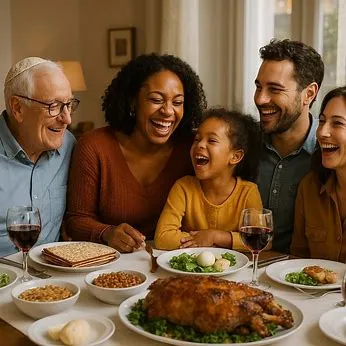
Get ready to explore one of the most meaningful Jewish holidays with these Passover Trivia Questions and Answers! Passover, also known as Pesach, is a special time that commemorates the Exodus of the Israelites from slavery in ancient Egypt. The holiday is filled with important traditions, symbolic foods, prayers, stories, and family gatherings.
This collection of Passover Trivia Questions and Answers covers a wide range of topics, including the Exodus story, the Seder, the Haggadah, matzah, the Four Questions, traditional foods, Passover customs, and fascinating facts about this important holiday.
Whether you are preparing for a Passover quiz, family activity, classroom game, or simply want to learn more, these questions offer an enjoyable way to explore the traditions and history of Passover.
Passover Questions and Answers
1. What is Passover?
Answer: Passover is a Jewish holiday commemorating the Israelites’ liberation from slavery in ancient Egypt.
Explanation: The holiday tells the story of the Exodus, when the Israelites left Egypt under the leadership of Moses.
Key Information: Passover is also known as Pesach and lasts seven days in Israel and eight days in many Jewish communities outside Israel.
2. What is the Hebrew name for Passover?
Answer: Pesach.
Explanation: Pesach is the Hebrew name for the Jewish holiday commonly called Passover in English.
Key Information: The name is connected to the biblical account in which God “passed over” the Israelite homes during the final plague in Egypt.
3. Who led the Israelites out of Egypt according to the Passover story?
Answer: Moses.
Explanation: According to the biblical account, Moses confronted Pharaoh and led the Israelites toward freedom.
Key Information: Moses is one of the central figures in the Exodus story and in Jewish tradition.
4. Who was the ruler of Egypt in the Exodus story?
Answer: Pharaoh.
Explanation: Pharaoh is described in the biblical narrative as the ruler who enslaved the Israelites and initially refused to let them leave Egypt.
Key Information: The biblical text does not identify the Pharaoh by a personal name, so proposed historical identifications remain debated.
5. How many plagues are traditionally described in the Passover story?
Answer: Ten.
Explanation: The Book of Exodus describes ten plagues that struck Egypt before Pharaoh finally allowed the Israelites to leave.
Key Information: The plagues include blood, frogs, darkness, and the death of the firstborn.
6. What was the final plague in Egypt?
Answer: The death of the firstborn.
Explanation: According to Exodus, the firstborn of Egypt died during the final plague, while the Israelites were instructed to mark their doorposts.
Key Information: This event is central to the meaning of the name Passover.
7. What food is traditionally avoided during Passover?
Answer: Chametz, or leavened grain products.
Explanation: Jewish tradition prohibits chametz during Passover because the Israelites left Egypt so quickly that their bread did not have time to rise.
Key Information: Chametz generally includes foods made from wheat, barley, rye, oats, or spelt that have fermented and risen.
8. What is matzah?
Answer: Unleavened bread.
Explanation: Matzah is eaten during Passover to remember the Israelites’ hurried departure from Egypt.
Key Information: It is sometimes called the “bread of affliction” and is one of the most recognizable foods associated with Pesach.
9. What is a Passover Seder?
Answer: A ceremonial meal and service held at the beginning of Passover.
Explanation: During the Seder, participants retell the Exodus story, eat symbolic foods, and recite prayers and blessings.
Key Information: The word “Seder” means “order,” referring to the structured sequence of the evening.
10. What book is traditionally used to guide the Passover Seder?
Answer: The Haggadah.
Explanation: The Haggadah contains the order of the Seder, prayers, blessings, songs, questions, and the retelling of the Exodus.
Key Information: There are many different Haggadah editions, reflecting different Jewish traditions and communities.
11. What does the word “Haggadah” mean?
Answer: “Telling” or “narration.”
Explanation: The name reflects the Haggadah’s purpose of telling the story of the Israelites’ Exodus from Egypt.
Key Information: The Haggadah encourages participants to actively discuss and experience the story rather than simply read it.
12. What is the Seder plate?
Answer: A special plate containing symbolic foods used during the Passover Seder.
Explanation: Each item on the Seder plate represents an aspect of the Exodus story or the Israelites’ experience.
Key Information: Common items include maror, charoset, karpas, a roasted bone, and an egg, although arrangements and customs vary.
13. What is maror?
Answer: A bitter herb eaten during the Seder.
Explanation: Maror symbolizes the bitterness and hardship experienced by the Israelites during slavery in Egypt.
Key Information: Horseradish and romaine lettuce are among the foods commonly used as maror.
14. What does charoset symbolize?
Answer: The mortar used by the enslaved Israelites.
Explanation: Charoset is a sweet mixture of fruits, nuts, and other ingredients whose texture is traditionally associated with mortar.
Key Information: Ashkenazi and Sephardic Jewish communities often prepare charoset differently.
15. What is karpas on the Seder plate?
Answer: A vegetable or other green food dipped in liquid during the Seder.
Explanation: Karpas is eaten early in the Seder, often after being dipped in salt water.
Key Information: The salt water can symbolize the tears of the Israelites during slavery.
16. What does the roasted bone on the Seder plate represent?
Answer: The Passover sacrifice.
Explanation: The roasted bone, traditionally a lamb shank bone, recalls the sacrificial offering associated with ancient Passover observance.
Key Information: Many Jewish communities use a roasted bone symbolically today rather than offering an actual sacrifice.
17. Why is an egg placed on many Seder plates?
Answer: It is traditionally associated with mourning, sacrifice, and the cycle of life.
Explanation: The egg has several interpretations in Jewish tradition, including a connection to the festival offering and mourning.
Key Information: Different Jewish communities explain the symbolism of the egg in different ways.
18. How many cups of wine are traditionally consumed during the Seder?
Answer: Four.
Explanation: Four cups are traditionally drunk at specific points during the Seder.
Key Information: The four cups are connected to four expressions of redemption mentioned in the Torah.
19. Who is Elijah’s Cup named after?
Answer: The prophet Elijah.
Explanation: A special cup of wine is traditionally placed on the Seder table for Elijah, who is associated with future redemption.
Key Information: In many households, the cup is filled but not consumed during the Seder.
20. What is the Afikoman?
Answer: A piece of matzah eaten near the end of the Seder.
Explanation: The Afikoman is traditionally taken from the middle matzah and set aside to be eaten as the final food of the meal.
Key Information: In many families, children participate in a tradition of hiding or searching for the Afikoman, making it one of the most memorable parts of the Seder.**
Read More: 151+ Easter Trivia Questions and Answers
Funny Passover Trivia Questions and Answers
1. Why is Passover celebrated for seven or eight days?
Answer: Passover lasts seven days in Israel and traditionally eight days in many Jewish communities outside Israel.
Explanation: The Torah describes a seven-day observance, while the additional day outside Israel developed from an ancient calendar practice.
Key Information: Reform Jewish communities and some other communities outside Israel may observe seven days instead.
2. What is the first night of Passover traditionally called?
Answer: The Seder night.
Explanation: The first night features the Passover Seder, a structured meal and ceremony centered on remembering the Exodus.
Key Information: In many communities outside Israel, a second Seder is held on the second night.
3. What are the Four Questions traditionally asked during the Seder?
Answer: They are questions about why the Seder night is different from all other nights.
Explanation: A central part of the Seder is asking why participants eat matzah and bitter herbs and observe other unusual practices.
Key Information: The questions are traditionally recited by the youngest person capable of asking them, although practices vary.
4. Who traditionally asks the Four Questions?
Answer: Traditionally, the youngest participating child asks them.
Explanation: Having a child ask questions encourages family participation and fulfills the Seder’s emphasis on teaching the Exodus story to the next generation.
Key Information: The Four Questions are known in Hebrew as Mah Nishtanah, meaning “What is different?”
5. What does “Mah Nishtanah” mean?
Answer: “What is different?”
Explanation: The phrase introduces the Four Questions about the unusual practices of the Passover Seder.
Key Information: It is one of the best-known Hebrew phrases associated with Passover.
6. Why do participants recline during parts of the Seder?
Answer: Reclining symbolizes freedom and comfort.
Explanation: In ancient times, reclining at a meal was associated with people who were free rather than enslaved.
Key Information: The practice emphasizes the transformation from slavery to freedom that Passover commemorates.
7. Why are bitter herbs eaten during the Seder?
Answer: To remember the bitterness of slavery in Egypt.
Explanation: The bitter taste provides a physical reminder of the suffering described in the Exodus story.
Key Information: Common choices include horseradish and certain types of lettuce.
8. What does dipping vegetables into salt water symbolize at the Seder?
Answer: It is commonly associated with the tears of the Israelites.
Explanation: The salt water provides a symbolic reminder of suffering during slavery.
Key Information: The dipping also creates one of the unusual actions that helps prompt the Four Questions.
9. Why are four questions asked during the Seder?
Answer: To encourage discussion and retelling of the Passover story.
Explanation: Questioning is an important part of the Seder because participants are expected to explain the meaning of the holiday.
Key Information: The Seder is designed to engage children and adults in learning rather than simply listening to a story.
10. What is the Hebrew word for unleavened bread eaten during Passover?
Answer: Matzah.
Explanation: Matzah is made without allowing the dough to ferment and rise.
Key Information: Eating matzah fulfills a central Passover tradition connected with the Israelites’ departure from Egypt.
11. What is chametz?
Answer: Leavened food made from certain grains.
Explanation: During Passover, observant Jews traditionally avoid chametz, which results from grain products becoming leavened through fermentation.
Key Information: The exact rules concerning chametz and permitted foods can vary among Jewish communities.
12. Why do many Jewish families clean their homes before Passover?
Answer: To remove chametz.
Explanation: Removing leavened food prepares the household for the Passover prohibition against owning or eating chametz.
Key Information: Some families conduct a formal search for remaining chametz on the night before Passover begins.
13. What is Bedikat Chametz?
Answer: The traditional search for chametz before Passover.
Explanation: Families search their homes for remaining leavened food as part of the preparation for the holiday.
Key Information: The search is traditionally conducted by candlelight, although modern families may use flashlights.
14. What is Bi’ur Chametz?
Answer: The destruction or disposal of remaining chametz.
Explanation: After the search, chametz that will not be sold or removed is traditionally destroyed or otherwise disposed of according to Jewish law.
Key Information: Burning chametz is one traditional method, while other approved methods may also be used.
15. What is the symbolic selling of chametz?
Answer: A legal arrangement in which chametz is transferred to a non-Jewish person for the duration of Passover.
Explanation: Jewish law prohibits owning chametz during Passover, so some observant Jews arrange for it to be sold temporarily.
Key Information: The chametz is typically stored away and returned after the holiday.
16. What does the word “Pesach” refer to in the Exodus story?
Answer: God’s passing over the Israelite homes during the final plague.
Explanation: According to the biblical account, the Israelites marked their doorposts so that the final plague would pass over their homes.
Key Information: This event gives the holiday its Hebrew name, Pesach.
17. What did the Israelites traditionally put on their doorposts during the Exodus?
Answer: The blood of a sacrificed lamb.
Explanation: According to the Book of Exodus, the Israelites marked their doorposts with the blood of the Passover offering.
Key Information: This marking distinguished the Israelite homes during the final plague.
18. What food did the Israelites eat with the original Passover offering according to Exodus?
Answer: Roasted lamb, unleavened bread, and bitter herbs.
Explanation: These foods were specifically associated with the original Passover meal described in the biblical text.
Key Information: The roasted lamb is remembered symbolically on modern Seder plates, while the actual Temple sacrifice is no longer performed.
19. What does Passover primarily celebrate?
Answer: Freedom from slavery and the Exodus from Egypt.
Explanation: The holiday remembers the Israelites’ journey from slavery toward freedom.
Key Information: Freedom, remembrance, family education, and gratitude are central themes of the Passover Seder.
20. Why is teaching children important during Passover?
Answer: Because passing the story of the Exodus from one generation to the next is a central part of the holiday.
Explanation: The Seder is structured to encourage children to ask questions and adults to explain the meaning of Passover.
Key Information: The Haggadah includes passages specifically designed to address different types of children and encourage participation in the Seder.
Passover Trivia Questions and Answers for Adults
1. What is the main theme of the Passover Seder?
Answer: Remembering the Exodus from Egypt and celebrating freedom.
Explanation: The Seder brings families and communities together to retell the story of the Israelites’ journey from slavery to freedom.
Key Information: The Haggadah organizes the evening through readings, questions, blessings, symbolic foods, and songs.
2. What does the Hebrew word “Seder” mean?
Answer: Order.
Explanation: The Seder follows a traditional sequence of steps, which is why it is called a Seder.
Key Information: The traditional Seder is organized into fifteen stages, although customs can differ among communities.
3. What is traditionally placed in the center of a Seder table?
Answer: The Seder plate and other symbolic foods.
Explanation: The Seder table contains foods and objects that help participants remember different parts of the Exodus story.
Key Information: Matzah, wine or grape juice, and the Haggadah are also important parts of the Seder.
4. What is the significance of three pieces of matzah at the Seder?
Answer: They are traditionally used during different parts of the Seder, including the breaking of the middle matzah.
Explanation: Three matzot are commonly placed together, often covered in a special cloth or container.
Key Information: The middle matzah is broken, and part is set aside as the Afikoman.
5. Which piece of matzah becomes the Afikoman?
Answer: Part of the middle matzah.
Explanation: The middle matzah is broken early in the Seder, and the larger piece is traditionally reserved for eating near the end.
Key Information: The Afikoman is traditionally the final food eaten during the Seder.
6. What does the Afikoman symbolize?
Answer: Its symbolism has several interpretations, including representing the Passover offering and serving as a concluding taste of the Seder meal.
Explanation: The Afikoman is an essential part of the Seder’s traditional structure.
Key Information: Customs surrounding the Afikoman, including hiding it for children to find, vary among families.
7. What is the purpose of the Haggadah during Passover?
Answer: To guide participants through the Seder and tell the Exodus story.
Explanation: The Haggadah provides the prayers, questions, explanations, songs, and instructions needed for the Seder.
Key Information: There are numerous Haggadah versions reflecting different languages, traditions, and perspectives.
8. What is the “Four Children” section of the Haggadah about?
Answer: Different ways children may respond to the Passover story.
Explanation: The section presents four types of children and describes different approaches to teaching each one.
Key Information: It emphasizes the importance of making the story understandable and meaningful to every child.
9. What is the “Dayenu” traditionally sung during?
Answer: The Passover Seder.
Explanation: “Dayenu” is a famous Hebrew song expressing gratitude for the many stages of liberation described in the Exodus story.
Key Information: The word “Dayenu” means “it would have been enough.”
10. What does “Dayenu” mean?
Answer: “It would have been enough.”
Explanation: The song lists blessings and events and repeatedly expresses gratitude for each one.
Key Information: It is one of the most recognizable traditional songs of the Passover Seder.
11. What is “Had Gadya”?
Answer: A traditional Aramaic song often sung near the end of the Seder.
Explanation: Had Gadya tells a cumulative story involving a little goat and a series of characters and events.
Key Information: It is traditionally the final song in many versions of the Haggadah.
12. What does “Had Gadya” mean?
Answer: “One little goat.”
Explanation: The song begins with a little goat that a father buys for two coins.
Key Information: The song has inspired many interpretations, including allegorical readings of Jewish history.
13. What is the significance of wine during the Seder?
Answer: Wine symbolizes joy and redemption.
Explanation: Participants traditionally drink four cups of wine during the Seder.
Key Information: Grape juice may be used instead of wine by people who do not drink alcohol.
14. What are the Four Cups traditionally connected to?
Answer: Four expressions of redemption in the Torah.
Explanation: The four cups are connected with promises made by God concerning the Israelites’ liberation.
Key Information: Each cup is consumed at a specific stage of the Seder.
15. What is the fifth cup associated with Passover?
Answer: Elijah’s Cup.
Explanation: A fifth cup is sometimes placed on the table but is not traditionally drunk during the Seder.
Key Information: It is associated with the prophet Elijah and hopes for future redemption.
16. Why is Elijah associated with Passover?
Answer: Jewish tradition connects Elijah with future redemption.
Explanation: Elijah is traditionally expected to announce the arrival of the Messiah and a future era of redemption.
Key Information: Opening the door for Elijah is a well-known Passover custom in many Jewish homes.
17. Why do some families open the door during the Seder?
Answer: To symbolically welcome Elijah.
Explanation: The tradition connects Elijah with hope, redemption, and the future.
Key Information: The custom usually takes place around the time of Elijah’s Cup.
18. What is the “Hallel” during the Seder?
Answer: A collection of Psalms praising God.
Explanation: Hallel is recited during Jewish festivals as an expression of praise and gratitude.
Key Information: Parts of Hallel are traditionally recited during the Passover Seder.
19. What is the role of songs during the Passover Seder?
Answer: They help participants celebrate, remember, and engage with the story.
Explanation: Songs make the Seder interactive and help families pass traditions from one generation to another.
Key Information: Common songs include Dayenu, Had Gadya, and other traditional melodies that vary by community.
20. What is the final traditional blessing or declaration associated with the Seder?
Answer: “Next year in Jerusalem” (L’Shanah HaBa’ah B’Yerushalayim).
Explanation: This phrase expresses hope for future redemption and connection with Jerusalem.
Key Information: It is traditionally said at the conclusion of the Seder and reflects a longstanding theme in Jewish prayer and tradition.
Passover Trivia Questions for Kids
1. What is the biblical book that contains the main story of the Exodus from Egypt?
Answer: The Book of Exodus.
Explanation: The Book of Exodus describes the Israelites’ slavery in Egypt, Moses’ leadership, the Ten Plagues, and their departure from Egypt.
Key Information: Exodus is the second book of the Torah and is called Shemot in Hebrew.
2. What is the Hebrew name of the Book of Exodus?
Answer: Shemot.
Explanation: Shemot means “Names” and comes from the opening words of the book.
Key Information: Shemot is the second book of the five books of the Torah.
3. What does the word “Exodus” mean?
Answer: A departure or journey out.
Explanation: The word describes the Israelites’ departure from Egypt and their journey toward freedom.
Key Information: The English word comes from Greek and is commonly used to describe the biblical departure from Egypt.
4. What body of water did the Israelites cross during the Exodus story?
Answer: The Sea of Reeds, traditionally translated as the Red Sea.
Explanation: The Book of Exodus describes the Israelites crossing a body of water while escaping Pharaoh’s army.
Key Information: The Hebrew phrase is Yam Suph, often translated as “Sea of Reeds.”
5. What happened to Pharaoh’s army during the crossing?
Answer: According to the biblical story, the waters returned and overwhelmed the pursuing army.
Explanation: Moses stretched out his hand, and the waters returned after the Israelites had crossed safely.
Key Information: The story of the sea crossing is one of the central events remembered during Passover.
6. What miracle is associated with Moses and the sea?
Answer: The parting of the waters.
Explanation: According to Exodus, the Israelites were able to cross on dry ground after the waters were divided.
Key Information: The event represents divine deliverance from slavery and danger.
7. What did Moses’ mother place him in as a baby?
Answer: A basket or ark made of reeds.
Explanation: According to Exodus, Moses’ mother placed him among the reeds along the Nile to protect him from Pharaoh’s decree against Hebrew baby boys.
Key Information: Pharaoh’s daughter discovered and adopted Moses.
8. Who found baby Moses among the reeds?
Answer: Pharaoh’s daughter.
Explanation: She discovered the baby and recognized that he was one of the Hebrew children.
Key Information: Moses was raised in Pharaoh’s household but later became the leader of the Israelites.
9. What was Moses’ brother’s name?
Answer: Aaron.
Explanation: Aaron served as Moses’ spokesman when Moses confronted Pharaoh.
Key Information: Aaron later became the first High Priest of the Israelites according to biblical tradition.
10. What was Moses’ sister’s name?
Answer: Miriam.
Explanation: Miriam watched over the baby Moses after he was placed among the reeds.
Key Information: Miriam later became an important leader among the Israelites and is associated with a famous song after the sea crossing.
11. What food did the Israelites receive in the wilderness according to the Bible?
Answer: Manna.
Explanation: Manna is described as miraculous food provided to the Israelites during their journey through the wilderness.
Key Information: Manna is not a traditional Seder food and is separate from the foods specifically required for the Passover meal.
12. What did the Israelites eat when they left Egypt that became a symbol of Passover?
Answer: Unleavened bread, or matzah.
Explanation: The Israelites left Egypt so quickly that they did not have enough time for their dough to rise.
Key Information: Matzah remains one of the central foods eaten during Passover.
13. Why did the Israelites not have time for their bread to rise?
Answer: They left Egypt in great haste.
Explanation: According to Exodus, the Israelites were driven out and prepared their dough before it could become leavened.
Key Information: This haste is one of the reasons matzah is central to Passover observance.
14. What is the Hebrew word for the unleavened bread eaten at Passover?
Answer: Matzah.
Explanation: Matzah is made from flour and water without allowing the dough to ferment and rise.
Key Information: Traditional matzah must be prepared under specific time and preparation requirements to remain kosher for Passover.
15. What is “maror” meant to remind participants of?
Answer: The bitterness of slavery.
Explanation: Eating a bitter herb gives participants a sensory reminder of the hardships suffered by the Israelites in Egypt.
Key Information: Horseradish is a common choice for maror in many Ashkenazi Jewish communities.
16. What is “afikoman” eaten for during the Seder?
Answer: It is eaten as the concluding food of the meal.
Explanation: After the main meal, participants eat the reserved piece of matzah known as the Afikoman.
Key Information: In many families, children search for a hidden Afikoman as part of a popular Seder tradition.
17. What does the word “Hallel” mean?
Answer: Praise.
Explanation: Hallel consists of Psalms of praise and thanksgiving that are recited on certain Jewish holidays.
Key Information: Hallel forms an important part of the celebratory atmosphere of the Passover Seder.
18. What is the traditional blessing said before eating matzah?
Answer: A blessing thanking God for bringing forth bread from the earth, followed by the special blessing for the mitzvah of eating matzah.
Explanation: The Seder includes specific blessings before participants eat matzah.
Key Information: The Hebrew blessing for the mitzvah begins with “Baruch atah Adonai” and identifies eating matzah as a commandment.
19. What is the purpose of retelling the Exodus story every Passover?
Answer: To remember the journey from slavery to freedom and pass the tradition to future generations.
Explanation: The Seder turns historical and religious memory into an interactive family experience.
Key Information: Jewish tradition emphasizes personally experiencing the Exodus story rather than merely remembering it as something that happened to ancestors.
20. What important value does Passover emphasize through the Exodus story?
Answer: Freedom.
Explanation: Passover centers on the liberation of the Israelites from slavery and their journey toward becoming a free people.
Key Information: The holiday also emphasizes remembrance, gratitude, justice, family education, and responsibility toward others.
Easy Passover Trivia Questions and Answers
1. What is the name of the meal eaten during the Passover Seder?
Answer: The Seder meal.
Explanation: The Seder meal is part of the larger Passover Seder, which combines a ceremonial service with a festive meal.
Key Information: Symbolic foods are eaten before and during the meal to help tell the story of the Exodus.
2. What type of wine is traditionally used during Passover?
Answer: Kosher wine.
Explanation: Observant Jewish families traditionally use wine that meets Jewish dietary and religious requirements.
Key Information: Grape juice can also be used, especially for children or people who do not consume alcohol.
3. What does “kosher for Passover” mean?
Answer: Food prepared according to Jewish dietary laws specifically for Passover.
Explanation: Passover has additional dietary rules, especially concerning chametz.
Key Information: Products labeled kosher for Passover are prepared and certified according to applicable Passover standards.
4. What is a “kitniyot” food?
Answer: Certain foods such as rice, corn, beans, and legumes that some Jewish communities traditionally avoid during Passover.
Explanation: Ashkenazi Jewish tradition historically restricted many kitniyot foods, while Sephardi and Mizrahi communities commonly permit them when prepared appropriately.
Key Information: Passover customs regarding kitniyot differ significantly between Jewish communities.
5. Why do some Jewish families avoid rice during Passover?
Answer: Because rice is considered kitniyot in some traditions.
Explanation: Ashkenazi communities traditionally avoided rice and similar foods during Passover, while many Sephardi communities permit them.
Key Information: This is a custom rather than the same prohibition as chametz, and practices vary by community.
6. What is the main difference between chametz and kitniyot?
Answer: Chametz is prohibited by Jewish law during Passover, while kitniyot restrictions are primarily a communal custom.
Explanation: Chametz refers to leavened products from specific grains, whereas kitniyot includes foods such as rice, corn, and legumes in traditions that restrict them.
Key Information: Different Jewish communities follow different rules regarding kitniyot.
7. What is a kosher certification symbol?
Answer: A mark indicating that a food has been certified as meeting specified Jewish dietary requirements.
Explanation: Certification organizations inspect food production and ingredients to verify compliance with kosher standards.
Key Information: Passover products often have additional markings indicating that they are specifically kosher for Passover.
8. Why are separate dishes sometimes used during Passover?
Answer: To avoid contact with chametz.
Explanation: Some observant households keep special dishes, cookware, and utensils for Passover.
Key Information: The exact process for preparing a kitchen for Passover varies according to Jewish legal tradition and community practice.
9. What is “kashering” a kitchen?
Answer: Preparing kitchen equipment and utensils for kosher use according to Jewish law.
Explanation: Depending on the item and tradition, methods can include boiling, heating, or other procedures.
Key Information: Not every material or utensil can necessarily be kashered, so specific practices vary.
10. What is the significance of the Seder plate’s symbolic foods?
Answer: They help participants remember different aspects of the Exodus.
Explanation: Each food represents an important theme, such as slavery, tears, sacrifice, or freedom.
Key Information: The exact arrangement and ingredients can differ among Jewish traditions.
11. What is often used as maror in Ashkenazi Jewish traditions?
Answer: Horseradish.
Explanation: Horseradish provides the strong bitter taste intended to represent the bitterness of slavery.
Key Information: Romaine lettuce and other bitter greens may also be used.
12. What is often used as charoset in Ashkenazi Jewish tradition?
Answer: Apples, walnuts, wine, and cinnamon.
Explanation: These ingredients are combined into a sweet mixture whose texture is traditionally associated with mortar.
Key Information: Sephardi and Mizrahi communities may make charoset with dates, figs, raisins, other fruits, and different spices.
13. Why is charoset usually sweet?
Answer: Its sweetness contrasts with the bitterness of maror and represents aspects of hope and redemption.
Explanation: Although charoset symbolizes mortar, its pleasant taste provides an important contrast during the Seder.
Key Information: Charoset recipes vary greatly around the world.
14. What is the “Karpas” step of the Seder?
Answer: Eating a vegetable dipped in liquid.
Explanation: Karpas occurs early in the Seder and is one of the practices that helps make the evening unusual for children.
Key Information: Parsley, celery, or potato may be used depending on family and community tradition.
15. Why does the Seder include unusual actions and foods?
Answer: To encourage questions and discussion about the Exodus.
Explanation: The Seder is designed so that participants, especially children, notice that the evening is different from an ordinary meal.
Key Information: Asking questions is considered an important way of fulfilling the educational purpose of the Seder.
16. What is the “Maggid” section of the Seder?
Answer: The section in which the Exodus story is told.
Explanation: Maggid includes the Four Questions, explanations, biblical passages, and discussion about the Israelites’ liberation.
Key Information: The word “Maggid” is related to the Hebrew idea of telling or recounting.
17. What does “Maggid” mean?
Answer: Telling or recounting.
Explanation: The Maggid section fulfills the commandment to tell the story of the Exodus.
Key Information: It is one of the central sections of the traditional Haggadah.
18. What is “Birkat Hamazon”?
Answer: The Grace After Meals.
Explanation: Birkat Hamazon is a series of blessings recited after eating a meal with bread.
Key Information: During the Seder, it is traditionally recited after the festive meal and before the concluding parts of the ceremony.
19. What is “Nirtzah” in the Seder?
Answer: The concluding section of the traditional Seder.
Explanation: Nirtzah comes at the end of the Seder after the formal rituals, songs, and readings.
Key Information: It expresses hope that the Seder has been accepted and concludes with traditional phrases and songs.
20. What traditional phrase often concludes the Passover Seder?
Answer: “L’Shanah HaBa’ah B’Yerushalayim” — “Next year in Jerusalem.”
Explanation: The phrase expresses hope for redemption and a future connection with Jerusalem.
Key Information: It has been used for generations as a concluding expression of Jewish hope and aspiration.
Hard Passover Trivia Questions and Answers
1. What is the first of the Four Questions asked at the Passover Seder?
Answer: “On all other nights we eat chametz and matzah; on this night, why do we eat only matzah?”
Explanation: The question draws attention to the special dietary practice of Passover.
Key Information: The wording varies among Haggadah traditions, but the questions focus on what makes the Seder night different.
2. What does the second question of the Four Questions focus on?
Answer: Eating bitter herbs.
Explanation: The question asks why bitter herbs are eaten on Passover night.
Key Information: The bitter taste represents the hardship and bitterness of slavery in Egypt.
3. What does the third question of the Four Questions focus on?
Answer: Dipping food twice.
Explanation: The traditional question asks why food is dipped twice on this night.
Key Information: The two dippings commonly refer to karpas in salt water and maror in charoset, although customs vary.
4. What does the fourth question of the Four Questions focus on?
Answer: Reclining while eating.
Explanation: The question asks why participants recline during the Seder when they normally might not do so.
Key Information: Reclining traditionally symbolizes the comfort and freedom of people who are no longer enslaved.
5. What is the traditional Hebrew phrase for “Next year in Jerusalem”?
Answer: L’Shanah HaBa’ah B’Yerushalayim.
Explanation: This phrase expresses hope for future redemption and a renewed connection with Jerusalem.
Key Information: It is commonly recited at the conclusion of the Passover Seder.
6. What is the traditional Hebrew term for the Passover sacrifice?
Answer: Korban Pesach.
Explanation: The Korban Pesach was the sacrificial offering associated with Passover during the biblical and Temple periods.
Key Information: Jewish sacrifice is not currently practiced because there is no Temple in Jerusalem.
7. What animal was used for the original Passover sacrifice?
Answer: A lamb or goat.
Explanation: The Book of Exodus instructs the Israelites to select a male lamb or goat for the Passover offering.
Key Information: The sacrificial animal was eaten with unleavened bread and bitter herbs according to the biblical account.
8. What was placed on the doorposts of Israelite homes during the first Passover?
Answer: Blood from the Passover sacrifice.
Explanation: According to Exodus, the Israelites marked their doorposts with the blood as a sign during the final plague.
Key Information: This marking is directly connected to the Hebrew name Pesach and the idea of “passing over.”
9. What does the Seder plate’s roasted egg traditionally symbolize?
Answer: It has several traditional interpretations, including mourning for the destruction of the Temple and connection to a festival offering.
Explanation: The egg has multiple layers of symbolism within Jewish tradition.
Key Information: The exact explanation can differ between Jewish communities and Haggadahs.
10. What is the role of the roasted shank bone on the Seder plate?
Answer: It symbolically represents the Passover sacrifice.
Explanation: The shank bone recalls the lamb offered in ancient Passover observance.
Key Information: Some families use a chicken neck or another suitable bone instead of a lamb shank bone.
11. Why is matzah sometimes called the “bread of affliction”?
Answer: It represents the hardship and slavery experienced by the Israelites.
Explanation: Matzah is connected both to the Israelites’ suffering and to their hurried departure from Egypt.
Key Information: The Hebrew phrase lechem oni is often translated as “bread of affliction” or “bread of poverty.”
12. What does matzah symbolize besides slavery?
Answer: It also symbolizes freedom and the Israelites’ hurried departure from Egypt.
Explanation: The same simple bread recalls both the difficult life in Egypt and the rapid journey toward liberation.
Key Information: This dual symbolism is an important part of the Seder’s discussion of Passover.
13. Why is the middle matzah broken during the Seder?
Answer: It is broken as part of the traditional Seder ritual, with part reserved as the Afikoman.
Explanation: The breaking of the matzah occurs during the early stages of the Seder.
Key Information: Different traditions offer different explanations for why the middle matzah is broken.
14. What does “Leil Seder” mean?
Answer: “Seder night.”
Explanation: It refers to the evening on which the Passover Seder is conducted.
Key Information: In Israel there is traditionally one Seder night, while many communities outside Israel observe two.
15. What is the “Four Sons” or “Four Children” passage designed to teach?
Answer: That the Passover story should be explained in different ways to different learners.
Explanation: The Haggadah presents different types of children and models responses to their questions or attitudes.
Key Information: The passage emphasizes education and participation as central elements of the Seder.
16. Which traditional Passover song tells the story of a little goat?
Answer: Chad Gadya, also spelled Had Gadya.
Explanation: The song describes a chain of events involving a little goat and various characters.
Key Information: It is traditionally sung near the end of the Seder and is written in Aramaic.
17. Which language is Chad Gadya traditionally written in?
Answer: Aramaic.
Explanation: The song’s original traditional text is written primarily in Aramaic.
Key Information: Many modern Haggadahs provide translations so participants can understand its meaning.
18. What is the meaning of the song “Echad Mi Yodea”?
Answer: “Who Knows One?”
Explanation: The song asks a series of questions about numbers and answers them with Jewish religious associations.
Key Information: For example, “one” refers to God, while higher numbers correspond to concepts such as the Ten Commandments.
19. Why is “Echad Mi Yodea” traditionally sung at the Seder?
Answer: It helps teach Jewish traditions through a memorable cumulative song.
Explanation: Each verse adds another number and association, making it easier for participants to remember important concepts.
Key Information: It is often sung near the end of the Seder.
20. What is the traditional blessing said over wine at the Passover Seder?
Answer: Kiddush.
Explanation: Kiddush is a blessing that sanctifies the holiday and is recited over wine or grape juice.
Key Information: The first cup of wine is connected with the opening of the Seder and the sanctification of the festival.
FAQS
1. What is Passover?
Passover is a Jewish holiday that commemorates the Israelites’ freedom from slavery in ancient Egypt.
2. How long does Passover traditionally last?
Passover lasts seven days in Israel and eight days in many Jewish communities outside Israel.
3. What special meal is celebrated during Passover?
The Seder is a special ceremonial meal held at the beginning of Passover, featuring traditional foods, prayers, and the retelling of the Exodus story.
4. Why is matzah eaten during Passover?
Matzah, or unleavened bread, is eaten to remember how quickly the Israelites left Egypt without enough time for their bread to rise.
Final Thoughts
These Passover Trivia Questions and Answers offer a fun way to learn more about the history, traditions, symbols, and customs associated with Passover.
From the story of the Exodus and the Seder table to matzah and other important traditions, each question provides an opportunity to discover something meaningful about this historic celebration.
Whether you knew many of the answers or learned something new, we hope you enjoyed the journey.
Share these Passover Trivia Questions and Answers with family and friends and make your next Passover gathering even more engaging and memorable!
Read more:
147+ Spooktacular Halloween Trivia Questions