
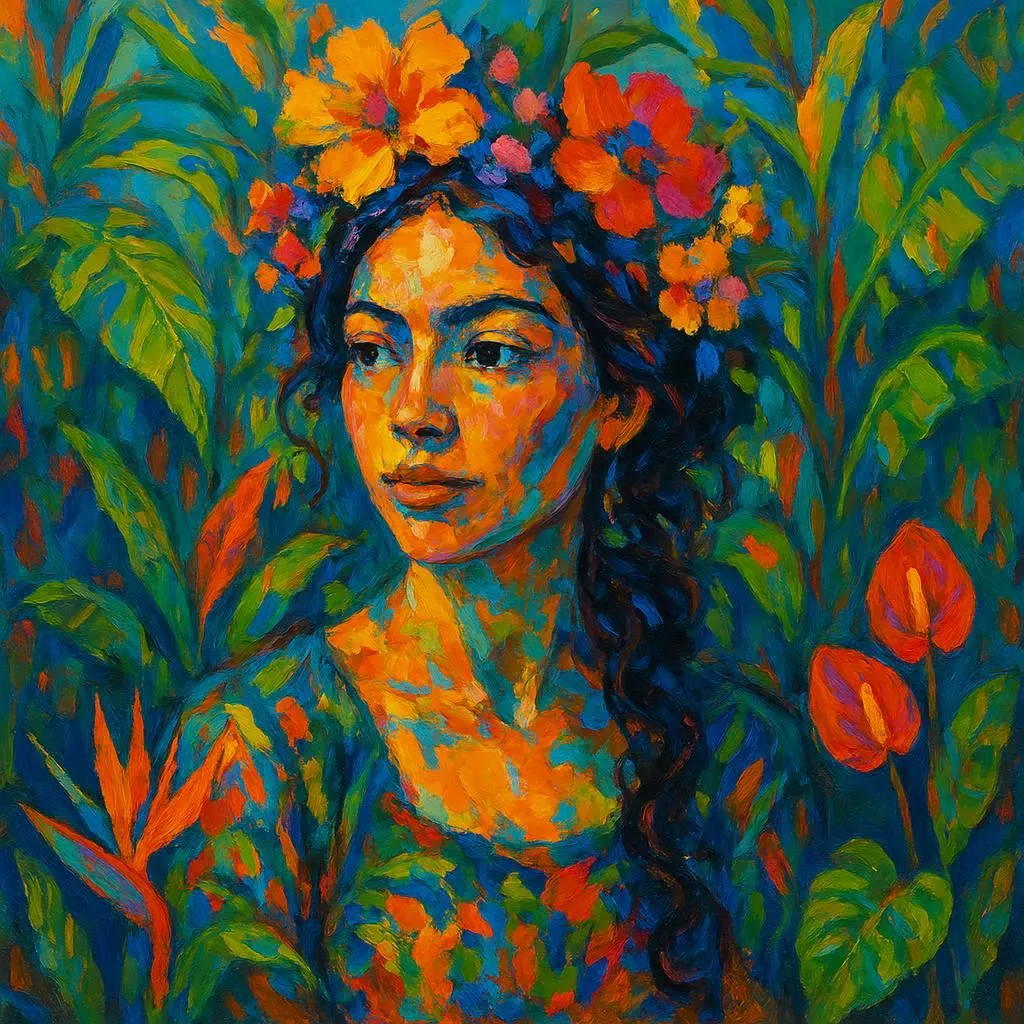
Step into the colorful and fascinating world of one of Mexico’s most celebrated artists with these Frida Kahlo Trivia Questions and Answers! Test your knowledge of Frida Kahlo’s remarkable life, iconic paintings, artistic style, Mexican heritage, and lasting influence on the art world. Whether you’re an art enthusiast or simply curious about her extraordinary story, these trivia questions offer an engaging way to learn more about this legendary artist.
Frida Kahlo Questions and Answers
1. In which country was Frida Kahlo born?
A. Spain
B. Mexico
C. Argentina
D. Brazil
Correct Answer: B. Mexico
Explanation: Frida Kahlo was born in Mexico and became one of the country’s most internationally recognized artists.
Key Information: She was born in 1907 in Coyoacán, Mexico City.
2. What was Frida Kahlo’s full name?
A. Magdalena Carmen Frida Kahlo y Calderón
B. Frida Carmen Rivera Kahlo
C. Magdalena Frida Carmen Rivera
D. Carmen Kahlo Magdalena
Correct Answer: A. Magdalena Carmen Frida Kahlo y Calderón
Explanation: Frida Kahlo’s full birth name was Magdalena Carmen Frida Kahlo y Calderón.
Key Information: She later became widely known simply as Frida Kahlo.
3. In what year was Frida Kahlo born?
A. 1899
B. 1907
C. 1912
D. 1918
Correct Answer: B. 1907
Explanation: Frida Kahlo was born on July 6, 1907.
Key Information: Her birthplace was Coyoacán, which was then a town near Mexico City.
4. Which type of artwork is Frida Kahlo especially famous for?
A. Self-portraits
B. Landscapes
C. Sculptures
D. Architecture
Correct Answer: A. Self-portraits
Explanation: Kahlo created numerous self-portraits that explored identity, emotions, culture, and personal experiences.
Key Information: Her self-portraits are among the most recognizable works of 20th-century art.
5. What was the profession of Frida Kahlo’s father?
A. Doctor
B. Photographer
C. Musician
D. Lawyer
Correct Answer: B. Photographer
Explanation: Guillermo Kahlo, Frida’s father, was a photographer.
Key Information: His work included architectural and documentary photography in Mexico.
6. Which famous Mexican artist was Frida Kahlo married to?
A. Diego Rivera
B. José Clemente Orozco
C. David Alfaro Siqueiros
D. Rufino Tamayo
Correct Answer: A. Diego Rivera
Explanation: Frida Kahlo married the renowned Mexican muralist Diego Rivera.
Key Information: Their relationship was an important part of both artists’ biographies.
7. What type of art was Diego Rivera particularly famous for creating?
A. Murals
B. Watercolors
C. Portrait miniatures
D. Ceramics
Correct Answer: A. Murals
Explanation: Diego Rivera became famous for large-scale murals depicting Mexican history, society, and politics.
Key Information: Rivera was one of the leading figures of the Mexican muralism movement.
8. Which painting is one of Frida Kahlo’s best-known works?
A. The Two Fridas
B. Water Lilies
C. The Persistence of Memory
D. American Gothic
Correct Answer: A. The Two Fridas
Explanation: The Two Fridas is a major Kahlo painting featuring two versions of the artist seated together.
Key Information: The work was painted in 1939 and explores themes of identity and emotional experience.
9. What is the title of Kahlo’s famous painting featuring a monkey on her shoulder?
A. Self-Portrait with Monkey
B. The Blue Monkey
C. Monkey and Me
D. Portrait of a Mexican Artist
Correct Answer: A. Self-Portrait with Monkey
Explanation: Kahlo created several self-portraits featuring monkeys, which became recurring elements in her artwork.
Key Information: Animals and symbolic objects frequently appeared in her paintings.
10. Which house became strongly associated with Frida Kahlo?
A. Casa Azul
B. Casa Blanca
C. Casa Verde
D. Casa Roja
Correct Answer: A. Casa Azul
Explanation: Casa Azul, meaning “Blue House,” was Kahlo’s family home and later became a museum dedicated to her life and work.
Key Information: The house is located in Coyoacán, Mexico City.
11. What does “Casa Azul” mean in English?
A. Blue House
B. Green House
C. White House
D. Red House
Correct Answer: A. Blue House
Explanation: “Casa Azul” is Spanish for “Blue House.”
Key Information: Its distinctive blue exterior is one of its most recognizable features.
12. Which artistic movement is often associated with Frida Kahlo?
A. Surrealism
B. Impressionism
C. Cubism
D. Futurism
Correct Answer: A. Surrealism
Explanation: Kahlo was associated with Surrealism, although she did not always consider her work to belong to that movement.
Key Information: Her paintings often combined realistic details with dreamlike and symbolic imagery.
13. Which country did Frida Kahlo represent at an international exhibition in 1938?
A. Mexico
B. France
C. Italy
D. Spain
Correct Answer: A. Mexico
Explanation: Kahlo’s art increasingly gained international attention during her lifetime.
Key Information: Her work became particularly recognized for its strong Mexican cultural identity.
14. What subject frequently appears in Frida Kahlo’s paintings?
A. Her own identity and experiences
B. Medieval castles
C. Ocean exploration
D. Ancient Roman battles
Correct Answer: A. Her own identity and experiences
Explanation: Kahlo frequently used her own life, emotions, identity, and experiences as subjects for her paintings.
Key Information: Her work often incorporates symbolism, Mexican traditions, and personal imagery.
15. Which traditional clothing style did Frida Kahlo famously incorporate into her appearance?
A. Tehuana dress
B. Victorian gown
C. Japanese kimono
D. Scottish kilt
Correct Answer: A. Tehuana dress
Explanation: Kahlo frequently wore Tehuana-inspired clothing from the Isthmus of Tehuantepec region.
Key Information: Her clothing became an important part of her public image and artistic identity.
16. What distinctive feature became part of Frida Kahlo’s recognizable appearance?
A. Connected eyebrows
B. Bright blue hair
C. A large mustache
D. A facial tattoo
Correct Answer: A. Connected eyebrows
Explanation: Kahlo chose not to remove her natural brow hair, making her distinctive eyebrows an important part of her visual identity.
Key Information: She often emphasized her natural features in her self-portraits.
17. Which Mexican city is home to the Frida Kahlo Museum?
A. Mexico City
B. Guadalajara
C. Monterrey
D. Cancún
Correct Answer: A. Mexico City
Explanation: The Frida Kahlo Museum is located in the Coyoacán neighborhood of Mexico City.
Key Information: The museum is housed in Casa Azul, where Kahlo was born and spent significant periods of her life.
18. What color is most famously associated with Casa Azul?
A. Blue
B. Yellow
C. Purple
D. Silver
Correct Answer: A. Blue
Explanation: Casa Azul is famous for its vivid blue walls.
Key Information: The house is one of the most important sites connected with Kahlo’s life.
19. In which year did Frida Kahlo die?
A. 1948
B. 1954
C. 1961
D. 1968
Correct Answer: B. 1954
Explanation: Frida Kahlo died on July 13, 1954, at the age of 47.
Key Information: She died at Casa Azul in Coyoacán, Mexico City.
20. What is one major reason Frida Kahlo remains influential today?
A. Her distinctive art and exploration of identity
B. Her invention of photography
C. Her career as a professional athlete
D. Her work as a classical composer
Correct Answer: A. Her distinctive art and exploration of identity
Explanation: Kahlo’s highly personal paintings, cultural imagery, and exploration of identity continue to attract audiences worldwide.
Key Information: Her work has had a lasting influence on modern art and popular culture.
Recommended: 173+ Funny Female Trivia Questions and Answers
Where Was Frida Kahlo Born
1. Which famous Frida Kahlo painting features two versions of the artist sitting side by side?
A. The Two Fridas
B. Self-Portrait with Thorn Necklace
C. Henry Ford Hospital
D. The Wounded Deer
Correct Answer: A. The Two Fridas
Explanation: The Two Fridas depicts two versions of Kahlo seated together and connected by their exposed hearts.
Key Information: Kahlo painted the work in 1939, during an important period in her personal life.
2. What nationality was Frida Kahlo?
A. Spanish
B. Mexican
C. Cuban
D. Colombian
Correct Answer: B. Mexican
Explanation: Frida Kahlo was a Mexican artist whose work strongly reflected Mexican culture and identity.
Key Information: Mexican traditions, clothing, plants, animals, and historical imagery frequently appear in her paintings.
3. Which neighborhood of Mexico City was Frida Kahlo born in?
A. Coyoacán
B. Polanco
C. Roma
D. Condesa
Correct Answer: A. Coyoacán
Explanation: Kahlo was born in Coyoacán, a historic area of Mexico City.
Key Information: Casa Azul, her famous family home, is also located in Coyoacán.
4. What was Frida Kahlo’s mother’s name?
A. Matilde Calderón y González
B. María Rivera Kahlo
C. Elena González Rivera
D. Carmen Kahlo Calderón
Correct Answer: A. Matilde Calderón y González
Explanation: Matilde Calderón y González was Frida Kahlo’s mother.
Key Information: Kahlo’s family background included both Mexican and European ancestry.
5. What was Frida Kahlo’s father’s first name?
A. Guillermo
B. Carlos
C. Miguel
D. Rafael
Correct Answer: A. Guillermo
Explanation: Guillermo Kahlo was Frida’s father and worked as a photographer.
Key Information: His photography documented architecture and aspects of life in Mexico.
6. Which famous Mexican muralist was Frida Kahlo’s husband?
A. Diego Rivera
B. José Clemente Orozco
C. Rufino Tamayo
D. David Alfaro Siqueiros
Correct Answer: A. Diego Rivera
Explanation: Kahlo and Rivera married in 1929 and became one of Mexico’s best-known artistic couples.
Key Information: Their relationship included periods of separation and a second marriage in 1940.
7. What nickname is commonly associated with Frida Kahlo’s childhood home?
A. Casa Azul
B. Casa Dorada
C. Casa Verde
D. Casa Blanca
Correct Answer: A. Casa Azul
Explanation: Kahlo’s family home became known as Casa Azul because of its vivid blue exterior.
Key Information: It is now the Museo Frida Kahlo.
8. What does Frida Kahlo’s artwork often explore?
A. Personal identity and life experiences
B. Space travel
C. Medieval warfare
D. Industrial engineering
Correct Answer: A. Personal identity and life experiences
Explanation: Kahlo frequently transformed her personal experiences, emotions, identity, and cultural background into visual art.
Key Information: Her paintings often contain symbolic objects and carefully chosen imagery.
9. Which flower is frequently associated with Frida Kahlo’s traditional appearance?
A. Marigold
B. Rose
C. Tulip
D. Lavender
Correct Answer: A. Marigold
Explanation: Kahlo frequently incorporated flowers into her hairstyles and self-portraits, including marigold-like flowers.
Key Information: Floral arrangements became an important element of her distinctive visual style.
10. Which region’s traditional clothing strongly influenced Frida Kahlo’s famous style?
A. Tehuantepec
B. Patagonia
C. Yucatán
D. Sonora
Correct Answer: A. Tehuantepec
Explanation: Kahlo frequently wore Tehuana clothing associated with the Isthmus of Tehuantepec.
Key Information: Her clothing helped express cultural identity and became part of her artistic persona.
11. Which type of portrait did Frida Kahlo create especially frequently?
A. Self-portrait
B. Seascape
C. Still-life of buildings
D. Architectural drawing
Correct Answer: A. Self-portrait
Explanation: Self-portraits form a major part of Kahlo’s artistic legacy.
Key Information: She used herself as a subject to explore identity, emotions, culture, and personal symbolism.
12. Which animal appears in several of Frida Kahlo’s paintings?
A. Monkey
B. Polar bear
C. Kangaroo
D. Penguin
Correct Answer: A. Monkey
Explanation: Monkeys appear in several of Kahlo’s self-portraits and other works.
Key Information: Animals in her paintings often carried personal or symbolic significance.
13. Which animal appears in the painting “The Wounded Deer”?
A. Deer
B. Horse
C. Wolf
D. Fox
Correct Answer: A. Deer
Explanation: The painting depicts Kahlo represented as a wounded deer in a forest setting.
Key Information: It was created in 1946 and is known for its strong symbolic imagery.
14. Which famous artwork by Kahlo includes a thorn necklace?
A. Self-Portrait with Thorn Necklace and Hummingbird
B. The Two Fridas
C. My Dress Hangs There
D. The Little Deer
Correct Answer: A. Self-Portrait with Thorn Necklace and Hummingbird
Explanation: This self-portrait features Kahlo wearing a thorn necklace with a hummingbird and other symbolic elements.
Key Information: The painting was completed in 1940.
15. Which bird appears prominently in “Self-Portrait with Thorn Necklace and Hummingbird”?
A. Hummingbird
B. Eagle
C. Parrot
D. Flamingo
Correct Answer: A. Hummingbird
Explanation: A hummingbird hangs from the thorn necklace in the painting.
Key Information: The work combines natural imagery with symbolic personal elements.
16. Which Frida Kahlo painting is known for depicting her floating in a hospital bed?
A. Henry Ford Hospital
B. The Two Fridas
C. Viva la Vida
D. Diego and I
Correct Answer: A. Henry Ford Hospital
Explanation: Henry Ford Hospital depicts Kahlo lying on a bed surrounded by symbolic objects connected by red ribbons.
Key Information: The painting was completed in 1932.
17. Which famous museum is housed in Frida Kahlo’s former home?
A. Museo Frida Kahlo
B. Museo Nacional de Antropología
C. Museo Soumaya
D. Museo del Prado
Correct Answer: A. Museo Frida Kahlo
Explanation: The Museo Frida Kahlo occupies Casa Azul and contains objects, artworks, and personal belongings associated with Kahlo.
Key Information: The museum is one of the major cultural attractions in Coyoacán.
18. What is another common name for the Museo Frida Kahlo?
A. The Blue House Museum
B. The Red Palace
C. The Green Gallery
D. The Mexican Art Hall
Correct Answer: A. The Blue House Museum
Explanation: The museum is commonly associated with the blue house, Casa Azul, where Kahlo lived.
Key Information: “Casa Azul” means “Blue House” in Spanish.
19. Which artistic movement was André Breton associated with and connected Frida Kahlo to during her career?
A. Surrealism
B. Impressionism
C. Romanticism
D. Neoclassicism
Correct Answer: A. Surrealism
Explanation: André Breton, a leading figure in Surrealism, admired Kahlo’s work and helped promote her within the movement.
Key Information: Kahlo famously maintained that she painted her own reality rather than dreams.
20. Which famous Mexican city is strongly connected with both Frida Kahlo and Diego Rivera?
A. Mexico City
B. Tijuana
C. Mérida
D. Guadalajara
Correct Answer: A. Mexico City
Explanation: Mexico City was central to Kahlo’s life, career, family history, and relationship with Rivera.
Key Information: Several important museums, homes, and artworks connected with Kahlo are located in Mexico City.
Related: 145+ Cinco de Mayo Trivia Questions and Answers
Frida Kahlo Often Painted Images Reflecting the the Lives Of
1. Which painting by Frida Kahlo depicts her wearing a Tehuana-style dress and holding Diego Rivera’s portrait?
A. Diego and I
B. The Two Fridas
C. Self-Portrait as a Tehuana
D. Frieda and Diego Rivera
Correct Answer: C. Self-Portrait as a Tehuana
Explanation: In this work, Kahlo portrays herself in traditional Tehuana clothing with a small portrait of Diego Rivera above her forehead.
Key Information: The painting is also known as “Diego on My Mind.”
2. What type of paintings helped Frida Kahlo become particularly famous?
A. Self-portraits
B. Seascapes
C. Battle scenes
D. Architectural plans
Correct Answer: A. Self-portraits
Explanation: Kahlo created numerous self-portraits that explored her identity, emotions, culture, and experiences.
Key Information: Her self-portraits make up a significant part of her artistic legacy.
3. Which Mexican holiday and cultural tradition is reflected in some of Kahlo’s artwork?
A. Día de los Muertos
B. Cinco de Mayo
C. Independence Day
D. Revolution Day
Correct Answer: A. Día de los Muertos
Explanation: Kahlo incorporated Mexican cultural traditions and imagery into several works, including imagery associated with Día de los Muertos.
Key Information: Mexican folk traditions strongly influenced her visual language.
4. Which famous painting by Kahlo depicts a large watermelon slice alongside other slices?
A. Viva la Vida
B. The Fruit of the Earth
C. Still Life with Parrot
D. Mexican Still Life
Correct Answer: A. Viva la Vida
Explanation: Viva la Vida is a well-known still life featuring vibrant watermelons.
Key Information: The work was completed in 1954, shortly before Kahlo’s death.
5. What does “Viva la Vida” mean in English?
A. Long Live Life
B. Beautiful Mexico
C. Life Is Art
D. Celebrate Mexico
Correct Answer: A. Long Live Life
Explanation: “Viva la Vida” is a Spanish phrase that can be translated as “Long Live Life.”
Key Information: The phrase appears prominently in the title of Kahlo’s final still-life painting.
6. Which famous artist helped organize Frida Kahlo’s first solo exhibition in New York?
A. André Breton
B. Julien Levy
C. Pablo Picasso
D. Henri Matisse
Correct Answer: B. Julien Levy
Explanation: Julien Levy’s gallery in New York hosted Kahlo’s first solo exhibition in 1938.
Key Information: The exhibition helped introduce her work to a wider American audience.
7. In which U.S. city was Frida Kahlo’s first solo exhibition held?
A. New York City
B. Chicago
C. Boston
D. Los Angeles
Correct Answer: A. New York City
Explanation: Kahlo’s first solo exhibition took place at the Julien Levy Gallery in New York City in 1938.
Key Information: The exhibition was an important milestone in her international career.
8. Which European city hosted Frida Kahlo’s first solo exhibition in Europe?
A. Paris
B. Rome
C. Madrid
D. Berlin
Correct Answer: A. Paris
Explanation: Kahlo’s first solo exhibition in Europe was held in Paris in 1939.
Key Information: Her work attracted the attention of European artists and cultural figures.
9. Which famous art movement did André Breton help lead?
A. Surrealism
B. Impressionism
C. Cubism
D. Pop Art
Correct Answer: A. Surrealism
Explanation: André Breton was one of the leading figures in the Surrealist movement.
Key Information: Breton considered Kahlo’s work related to Surrealism, although Kahlo had her own view of her artistic identity.
10. Which famous museum acquired one of Frida Kahlo’s paintings during her lifetime?
A. Louvre Museum
B. Museum of Modern Art
C. Prado Museum
D. British Museum
Correct Answer: B. Museum of Modern Art
Explanation: The Museum of Modern Art in New York acquired Kahlo’s work “Self-Portrait—The Frame.”
Key Information: Kahlo became increasingly recognized internationally during the later part of her career.
11. What was the title of the painting acquired by the Museum of Modern Art in New York?
A. The Frame
B. The Two Fridas
C. Diego and I
D. Self-Portrait with Monkey
Correct Answer: A. The Frame
Explanation: The Frame, a self-portrait painted in 1938, became the first work by a 20th-century Mexican artist acquired by the Louvre and is also held in major collections.
Key Information: The painting is notable for its colorful, elaborate frame.
12. Which material did Frida Kahlo frequently use to create small-scale works and paintings?
A. Oil paint
B. Marble
C. Bronze
D. Glass
Correct Answer: A. Oil paint
Explanation: Kahlo primarily worked with oil paints on materials such as canvas and metal.
Key Information: Her carefully detailed oil paintings often feature vivid colors and symbolic imagery.
13. Which country did Frida Kahlo visit in 1939 for an exhibition of her work?
A. France
B. Japan
C. Canada
D. Egypt
Correct Answer: A. France
Explanation: Kahlo traveled to Paris in 1939 for an exhibition of her artwork.
Key Information: Her work attracted attention among European avant-garde artists and collectors.
14. Which famous American photographer photographed Frida Kahlo?
A. Edward Weston
B. Man Ray
C. Ansel Adams
D. Alfred Stieglitz
Correct Answer: B. Man Ray
Explanation: Man Ray was among the notable photographers who photographed Kahlo.
Key Information: Kahlo’s distinctive appearance made her a frequent subject for photographers and artists.
15. Which famous photographer created many well-known portraits of Frida Kahlo and Diego Rivera?
A. Nickolas Muray
B. Dorothea Lange
C. Robert Capa
D. Gordon Parks
Correct Answer: A. Nickolas Muray
Explanation: Nickolas Muray photographed Kahlo extensively and was also a close friend of hers.
Key Information: His vivid color photographs contributed to the visual record of Kahlo’s life.
16. What was Frida Kahlo’s original career ambition before becoming a full-time artist?
A. Medicine
B. Architecture
C. Journalism
D. Law
Correct Answer: A. Medicine
Explanation: Kahlo initially planned to pursue medicine and attended the National Preparatory School in Mexico City.
Key Information: Her early interest in medicine influenced the anatomical imagery found in some of her later artwork.
17. Which school did Frida Kahlo attend as a young student?
A. National Preparatory School
B. University of Madrid
C. Paris Art Academy
D. Mexico City Art Institute
Correct Answer: A. National Preparatory School
Explanation: Kahlo attended the prestigious National Preparatory School in Mexico City.
Key Information: She was among a relatively small number of female students at the school during her time there.
18. Which Mexican painter was Frida Kahlo introduced to while she was still a student?
A. Diego Rivera
B. Rufino Tamayo
C. José María Velasco
D. Saturnino Herrán
Correct Answer: A. Diego Rivera
Explanation: Kahlo met Diego Rivera while he was working on a mural at her school.
Key Information: Their artistic and personal relationship later became a major part of Mexican art history.
19. What nickname was sometimes used to describe Frida Kahlo’s home because of its distinctive color?
A. The Blue House
B. The Golden House
C. The Green Palace
D. The Red Villa
Correct Answer: A. The Blue House
Explanation: Casa Azul is known in English as the Blue House because of its striking blue exterior.
Key Information: The building now houses the Museo Frida Kahlo.
20. Which Mexican neighborhood contains Casa Azul?
A. Coyoacán
B. Chapultepec
C. Santa Fe
D. Xochimilco
Correct Answer: A. Coyoacán
Explanation: Casa Azul is located in Coyoacán, one of Mexico City’s historic neighborhoods.
Key Information: Coyoacán remains closely associated with Frida Kahlo’s life and artistic legacy.
Frida Kahlo Self Portraits
1. Which school did Frida Kahlo attend before becoming an artist?
A. National Preparatory School
B. San Carlos Academy
C. Mexico City Art College
D. National University of Mexico
Correct Answer: A. National Preparatory School
Explanation: Kahlo attended the prestigious National Preparatory School in Mexico City.
Key Information: She initially planned to study medicine rather than pursue an artistic career.
2. What subject did Frida Kahlo originally hope to study professionally?
A. Medicine
B. Literature
C. Architecture
D. Music
Correct Answer: A. Medicine
Explanation: Kahlo had ambitions of becoming a doctor before her life circumstances changed her path.
Key Information: Her interest in medicine later influenced the anatomical themes in some of her paintings.
3. Which Mexican muralist painted the famous murals at the National Palace in Mexico City?
A. Diego Rivera
B. José Clemente Orozco
C. Rufino Tamayo
D. Juan O’Gorman
Correct Answer: A. Diego Rivera
Explanation: Diego Rivera created major murals depicting Mexican history at the National Palace.
Key Information: Rivera was one of the leading figures of Mexican muralism.
4. Where did Frida Kahlo first meet Diego Rivera?
A. At the National Preparatory School
B. At a Paris gallery
C. At the Louvre
D. At a New York theater
Correct Answer: A. At the National Preparatory School
Explanation: Rivera was working on a mural at the school when Kahlo encountered him.
Key Information: Their relationship eventually became both personal and artistic.
5. In which year did Frida Kahlo marry Diego Rivera for the first time?
A. 1925
B. 1929
C. 1933
D. 1938
Correct Answer: B. 1929
Explanation: Kahlo and Rivera married in 1929.
Key Information: They later divorced in 1939 and remarried in 1940.
6. In which year did Frida Kahlo and Diego Rivera remarry?
A. 1938
B. 1939
C. 1940
D. 1942
Correct Answer: C. 1940
Explanation: After divorcing in 1939, Kahlo and Rivera remarried in 1940.
Key Information: Their second marriage lasted until Kahlo’s death in 1954.
7. Which famous painting did Frida Kahlo create in 1940 featuring two versions of herself?
A. The Two Fridas
B. Self-Portrait with Monkey
C. Diego and I
D. The Broken Column
Correct Answer: A. The Two Fridas
Explanation: The Two Fridas presents two versions of Kahlo seated together and connected by their hearts.
Key Information: It is one of her most recognized paintings.
8. Which object frequently appears in Frida Kahlo’s self-portraits as part of her distinctive appearance?
A. Flowers in her hair
B. A crown of jewels
C. A military helmet
D. A feathered mask
Correct Answer: A. Flowers in her hair
Explanation: Kahlo often wore elaborate floral arrangements in her hair.
Key Information: Flowers became an important part of her recognizable visual identity.
9. Which type of clothing became strongly associated with Frida Kahlo?
A. Tehuana dresses
B. Victorian suits
C. French gowns
D. Scottish dresses
Correct Answer: A. Tehuana dresses
Explanation: Kahlo frequently wore Tehuana-style clothing inspired by the Isthmus of Tehuantepec.
Key Information: Her clothing reflected her interest in Mexican culture and identity.
10. Which painting is known for showing Frida Kahlo with a broken column replacing part of her spine?
A. The Broken Column
B. The Two Fridas
C. Self-Portrait with Thorn Necklace
D. My Dress Hangs There
Correct Answer: A. The Broken Column
Explanation: The Broken Column uses symbolic imagery to portray Kahlo’s physical suffering and vulnerability.
Key Information: The painting was created in 1944.
11. Which natural object is featured prominently in “The Broken Column”?
A. Thorn necklace
B. Tree branch
C. Rose bush
D. Cactus flower
Correct Answer: A. Thorn necklace
Explanation: Kahlo depicts herself wearing a body brace and surrounded by symbolic elements, including nails and a barren landscape.
Key Information: The work is widely recognized for its powerful personal symbolism.
12. Which painting depicts Frida Kahlo standing between two large figures of Diego Rivera?
A. Frieda and Diego Rivera
B. The Two Fridas
C. Diego on My Mind
D. Self-Portrait with Monkeys
Correct Answer: A. Frieda and Diego Rivera
Explanation: This early work portrays Kahlo and Rivera together in a formal composition.
Key Information: It was painted in 1931.
13. Which city was Frida Kahlo’s home and the center of much of her artistic life?
A. Mexico City
B. Havana
C. Buenos Aires
D. Lima
Correct Answer: A. Mexico City
Explanation: Kahlo was born, lived, worked, and died in Mexico City.
Key Information: Her home in Coyoacán is now the Museo Frida Kahlo.
14. What was the original purpose of Casa Azul?
A. Family home
B. Government building
C. Art school
D. Theater
Correct Answer: A. Family home
Explanation: Casa Azul was originally the family home of the Kahlo family.
Key Information: It later became the museum dedicated to Frida Kahlo.
15. Which artist painted “Man at the Crossroads,” a controversial mural commissioned for Rockefeller Center?
A. Diego Rivera
B. Frida Kahlo
C. Pablo Picasso
D. Salvador Dalí
Correct Answer: A. Diego Rivera
Explanation: Diego Rivera created the mural, which was later destroyed after a dispute over its political imagery.
Key Information: Rivera was famous for large-scale murals addressing social and political themes.
16. Which country did Frida Kahlo’s father originally come from?
A. Germany
B. Italy
C. France
D. Portugal
Correct Answer: A. Germany
Explanation: Guillermo Kahlo was born in Germany and later moved to Mexico.
Key Information: Kahlo’s father became a professional photographer in Mexico.
17. What was Frida Kahlo’s father’s profession?
A. Photographer
B. Painter
C. Doctor
D. Architect
Correct Answer: A. Photographer
Explanation: Guillermo Kahlo worked as a photographer and documented architecture and cultural subjects.
Key Information: His photography influenced Frida’s visual understanding from an early age.
18. Which art style is frequently connected with Frida Kahlo’s work despite her rejection of the label?
A. Surrealism
B. Baroque
C. Impressionism
D. Minimalism
Correct Answer: A. Surrealism
Explanation: Kahlo’s symbolic and dreamlike imagery led many critics to associate her with Surrealism.
Key Information: Kahlo maintained that her paintings represented her reality rather than dreams.
19. Which French Surrealist admired Frida Kahlo’s artwork?
A. André Breton
B. Claude Monet
C. Paul Cézanne
D. Henri Rousseau
Correct Answer: A. André Breton
Explanation: André Breton praised Kahlo’s work and helped connect her with the Surrealist art world.
Key Information: Breton wrote about Kahlo and helped arrange opportunities for her work in Europe.
20. Which museum now preserves many personal belongings and artworks associated with Frida Kahlo?
A. Museo Frida Kahlo
B. Museo del Prado
C. Metropolitan Museum of Art
D. National Gallery
Correct Answer: A. Museo Frida Kahlo
Explanation: The Museo Frida Kahlo occupies Casa Azul and preserves many objects connected with the artist’s life.
Key Information: The museum is located in Coyoacán, Mexico City.
Frida Kahlo Personality
1. Which year did Frida Kahlo’s painting “The Two Fridas” first appear?
A. 1929
B. 1935
C. 1939
D. 1945
Correct Answer: C. 1939
Explanation: Frida Kahlo painted “The Two Fridas” in 1939 during a significant period of personal change.
Key Information: The painting is one of Kahlo’s largest and most famous works.
2. Which painting shows Frida Kahlo with a small portrait of Diego Rivera above her forehead?
A. Self-Portrait as a Tehuana
B. The Broken Column
C. Henry Ford Hospital
D. Viva la Vida
Correct Answer: A. Self-Portrait as a Tehuana
Explanation: In this painting, Kahlo wears traditional Tehuana clothing and places Rivera’s image above her brow.
Key Information: The painting is also commonly called “Diego on My Mind.”
3. Which Mexican cultural style influenced Frida Kahlo’s clothing choices?
A. Tehuana traditions
B. Aztec military uniforms
C. Spanish flamenco costumes
D. Mayan royal clothing
Correct Answer: A. Tehuana traditions
Explanation: Kahlo frequently wore clothing inspired by Tehuana women from southern Mexico.
Key Information: Her clothing became an important expression of her cultural identity.
4. Which artist was Frida Kahlo’s close friend and photographed her extensively in color?
A. Nickolas Muray
B. Edward Hopper
C. Georgia O’Keeffe
D. Grant Wood
Correct Answer: A. Nickolas Muray
Explanation: Photographer Nickolas Muray created many memorable color photographs of Kahlo.
Key Information: Muray and Kahlo maintained a long friendship.
5. Which profession did Frida Kahlo’s father practice?
A. Photography
B. Journalism
C. Medicine
D. Sculpture
Correct Answer: A. Photography
Explanation: Guillermo Kahlo was a professional photographer in Mexico.
Key Information: His work included architectural photography and documentation.
6. Which museum owns “Self-Portrait—The Frame”?
A. Centre Pompidou
B. Louvre Museum
C. National Gallery of Art
D. Museum of Modern Art
Correct Answer: B. Louvre Museum
Explanation: “The Frame” became part of the Louvre’s collection after Kahlo’s work gained international recognition.
Key Information: It was an important achievement for a modern Mexican artist at the time.
7. What is unusual about Frida Kahlo’s painting “The Frame”?
A. It uses a highly decorative glass-and-metal frame
B. It contains no human figure
C. It is painted entirely in black
D. It is larger than a mural
Correct Answer: A. It uses a highly decorative glass-and-metal frame
Explanation: The colorful frame is an integral and distinctive part of the work.
Key Information: “The Frame” was painted in 1938.
8. Which Frida Kahlo painting portrays her wearing a traditional Tehuana dress against a plain background?
A. Self-Portrait as a Tehuana
B. The Wounded Deer
C. My Birth
D. Tree of Hope
Correct Answer: A. Self-Portrait as a Tehuana
Explanation: Kahlo presents herself in Tehuana clothing while incorporating an image of Diego Rivera.
Key Information: The work reflects her use of clothing and symbolism to explore identity.
9. Which painting by Frida Kahlo features a monkey resting near her shoulder?
A. Self-Portrait with Monkey
B. The Two Fridas
C. The Broken Column
D. Henry Ford Hospital
Correct Answer: A. Self-Portrait with Monkey
Explanation: Kahlo painted several works featuring monkeys, including self-portraits.
Key Information: Monkeys were among the animals she kept as pets.
10. Which animal is prominently shown in Frida Kahlo’s painting “The Little Deer”?
A. Deer
B. Monkey
C. Dog
D. Parrot
Correct Answer: A. Deer
Explanation: “The Little Deer” portrays Kahlo’s face on the body of a wounded deer.
Key Information: The painting was created in 1946.
11. Which bird appears in “Self-Portrait with Thorn Necklace and Hummingbird”?
A. Hummingbird
B. Peacock
C. Eagle
D. Parrot
Correct Answer: A. Hummingbird
Explanation: A hummingbird hangs from the thorn necklace worn by Kahlo in the painting.
Key Information: The work was painted in 1940.
12. Which animal appears behind Frida Kahlo in “Self-Portrait with Monkey”?
A. Monkey
B. Deer
C. Dog
D. Horse
Correct Answer: A. Monkey
Explanation: A monkey is positioned close behind Kahlo in the self-portrait.
Key Information: Animals frequently appear as symbolic companions in her artwork.
13. What was one of Frida Kahlo’s most distinctive facial features in her self-portraits?
A. Prominent joined eyebrows
B. Bright blue eyes painted differently
C. A facial scar
D. A painted mask
Correct Answer: A. Prominent joined eyebrows
Explanation: Kahlo deliberately portrayed her natural eyebrows rather than conforming to conventional beauty standards.
Key Information: Her eyebrows became one of the most recognizable aspects of her artistic image.
14. Which color is especially associated with Casa Azul?
A. Blue
B. Orange
C. Silver
D. Gray
Correct Answer: A. Blue
Explanation: Casa Azul is famous for its vivid blue walls.
Key Information: The house’s distinctive color inspired its name, which means “Blue House.”
15. What does the Spanish word “Azul” mean?
A. Blue
B. Green
C. Yellow
D. Red
Correct Answer: A. Blue
Explanation: “Azul” is the Spanish word for blue.
Key Information: Casa Azul literally translates as “Blue House.”
16. Which neighborhood became strongly associated with Frida Kahlo’s life and museum?
A. Coyoacán
B. Polanco
C. Roma Norte
D. San Ángel
Correct Answer: A. Coyoacán
Explanation: Kahlo was born and lived for much of her life in Coyoacán.
Key Information: Casa Azul and the Museo Frida Kahlo are located there.
17. Which year did Frida Kahlo have her first solo exhibition in New York?
A. 1934
B. 1938
C. 1942
D. 1947
Correct Answer: B. 1938
Explanation: Kahlo’s first solo exhibition was held at the Julien Levy Gallery in New York in 1938.
Key Information: The exhibition helped establish her reputation outside Mexico.
18. Which city hosted Frida Kahlo’s first major European exhibition?
A. Paris
B. London
C. Rome
D. Vienna
Correct Answer: A. Paris
Explanation: Kahlo exhibited her work in Paris in 1939.
Key Information: The exhibition was an important step in her growing international recognition.
19. Which famous artist was one of the leading figures of the Surrealist movement and supported Kahlo’s work?
A. André Breton
B. Henri Matisse
C. Georges Seurat
D. Edgar Degas
Correct Answer: A. André Breton
Explanation: André Breton admired Kahlo’s artwork and regarded aspects of it as connected to Surrealism.
Key Information: Kahlo herself viewed her paintings as expressions of her reality rather than dreams.
20. Which Frida Kahlo painting is a still life featuring watermelons and is associated with the end of her life?
A. Viva la Vida
B. The Two Fridas
C. The Wounded Deer
D. My Dress Hangs There
Correct Answer: A. Viva la Vida
Explanation: “Viva la Vida” is a colorful watermelon still life completed in 1954.
Key Information: It is generally regarded as one of Kahlo’s final paintings.
Frida Kahlo House
1. Which medical condition did Frida Kahlo experience as a child?
A. Polio
B. Asthma
C. Scarlet fever
D. Tuberculosis
Correct Answer: A. Polio
Explanation: Kahlo contracted polio as a child, which affected one of her legs.
Key Information: Her childhood illness was one of several health challenges that influenced her life.
2. What nickname did Frida Kahlo sometimes use for herself in reference to her birth year?
A. Daughter of 1907
B. Child of the Revolution
C. Daughter of Mexico
D. Flower of Coyoacán
Correct Answer: B. Child of the Revolution
Explanation: Kahlo sometimes identified her birth with the beginning of the Mexican Revolution.
Key Information: Although she was actually born in 1907, she often gave her birth year as 1910 to associate herself with the revolution.
3. In which year did the Mexican Revolution begin?
A. 1905
B. 1910
C. 1915
D. 1920
Correct Answer: B. 1910
Explanation: The Mexican Revolution began in 1910.
Key Information: Kahlo’s identification with 1910 reflected her strong connection to Mexican national history.
4. Which major accident dramatically changed Frida Kahlo’s life as a young woman?
A. A bus accident
B. A train accident
C. A boating accident
D. A car accident
Correct Answer: A. A bus accident
Explanation: Kahlo was seriously injured in a bus accident in 1925.
Key Information: Her long recovery period contributed to her beginning and developing her painting practice.
5. Where did Frida Kahlo spend much of her recovery after her accident?
A. In bed at home
B. In a Paris studio
C. At a university laboratory
D. In an art museum
Correct Answer: A. In bed at home
Explanation: During her recovery, Kahlo spent extended periods confined to bed.
Key Information: A mirror was positioned above her bed, allowing her to study herself and begin creating self-portraits.
6. What helped Frida Kahlo paint self-portraits while recovering in bed?
A. A mirror above her bed
B. A camera mounted on a wall
C. A television screen
D. A portrait of Diego Rivera
Correct Answer: A. A mirror above her bed
Explanation: Kahlo used a mirror to observe herself while she was unable to move around normally.
Key Information: This experience contributed to the large number of self-portraits she eventually created.
7. Which artwork is often considered Frida Kahlo’s first self-portrait?
A. Self-Portrait in a Velvet Dress
B. The Two Fridas
C. The Broken Column
D. Viva la Vida
Correct Answer: A. Self-Portrait in a Velvet Dress
Explanation: Kahlo painted Self-Portrait in a Velvet Dress in 1926.
Key Information: The painting was created during her recovery from the 1925 accident.
8. Who was Frida Kahlo’s younger sister who was also involved in her life and later associated with Diego Rivera?
A. Cristina Kahlo
B. Matilde Kahlo
C. Adriana Kahlo
D. Carmen Kahlo
Correct Answer: A. Cristina Kahlo
Explanation: Cristina Kahlo was Frida’s younger sister and an important member of the Kahlo family.
Key Information: Cristina and Frida remained closely connected throughout their lives.
9. Which subject appears repeatedly in Frida Kahlo’s paintings as a reflection of her personal experiences?
A. Her physical and emotional life
B. Naval battles
C. European royalty
D. Industrial machinery
Correct Answer: A. Her physical and emotional life
Explanation: Kahlo often transformed personal experiences into symbolic and autobiographical paintings.
Key Information: Her art is widely recognized for its intimate connection to her life.
10. Which painting portrays Frida Kahlo wearing a necklace made from thorns?
A. Self-Portrait with Thorn Necklace and Hummingbird
B. The Two Fridas
C. My Birth
D. Diego and I
Correct Answer: A. Self-Portrait with Thorn Necklace and Hummingbird
Explanation: The painting shows Kahlo wearing a thorn necklace while surrounded by plants and animals.
Key Information: It is one of her most recognizable self-portraits.
11. Which animal appears on the right side of “Self-Portrait with Thorn Necklace and Hummingbird”?
A. Black cat
B. White rabbit
C. Red fox
D. Small dog
Correct Answer: A. Black cat
Explanation: A black cat appears behind Kahlo alongside other animals and vegetation.
Key Information: The painting combines multiple natural elements with symbolic meaning.
12. Which animal appears on the opposite side of Kahlo in “Self-Portrait with Thorn Necklace and Hummingbird”?
A. Monkey
B. Horse
C. Deer
D. Parrot
Correct Answer: A. Monkey
Explanation: A monkey appears behind Kahlo on the other side of the composition.
Key Information: Kahlo frequently included monkeys in her paintings and kept them as pets.
13. Which Frida Kahlo painting is named after a hospital in Detroit?
A. Henry Ford Hospital
B. Detroit Self-Portrait
C. Hospital Room
D. American Hospital
Correct Answer: A. Henry Ford Hospital
Explanation: Henry Ford Hospital refers to the Detroit hospital where Kahlo received medical treatment.
Key Information: The 1932 painting contains several symbolic references to her personal experiences.
14. Which U.S. city is associated with the title “Henry Ford Hospital”?
A. Detroit
B. New York City
C. Chicago
D. Boston
Correct Answer: A. Detroit
Explanation: Henry Ford Hospital is located in Detroit, Michigan.
Key Information: Kahlo spent time in Detroit with Diego Rivera while he was working on murals there.
15. Which painting by Frida Kahlo reflects her experience of childbirth and motherhood?
A. My Birth
B. The Two Fridas
C. The Little Deer
D. Self-Portrait as a Tehuana
Correct Answer: A. My Birth
Explanation: My Birth presents a highly symbolic and personal interpretation of childbirth.
Key Information: Kahlo often used deeply personal subjects as themes for her artwork.
16. Which famous painting by Kahlo depicts a dress hanging above a city scene?
A. My Dress Hangs There
B. The Flying Dress
C. New York Dress
D. My Mexican Wardrobe
Correct Answer: A. My Dress Hangs There
Explanation: The painting contrasts a traditional Mexican dress with an industrialized American environment.
Key Information: Kahlo created the work after spending time in the United States.
17. Which country did Frida Kahlo visit with Diego Rivera during the early 1930s?
A. United States
B. Brazil
C. Argentina
D. Peru
Correct Answer: A. United States
Explanation: Kahlo lived in several American cities while Rivera worked on major mural commissions.
Key Information: Their time in the United States influenced some of Kahlo’s later paintings.
18. Which U.S. city became an important stop during Kahlo and Rivera’s time in America?
A. Detroit
B. Seattle
C. Miami
D. Denver
Correct Answer: A. Detroit
Explanation: The couple spent time in Detroit while Rivera worked on a major mural project.
Key Information: Kahlo’s experiences there inspired several artworks.
19. Which city inspired Frida Kahlo’s painting “My Dress Hangs There”?
A. New York City
B. Paris
C. Havana
D. Madrid
Correct Answer: A. New York City
Explanation: The painting reflects Kahlo’s observations of New York’s modern industrial environment.
Key Information: It contrasts modern American society with Mexican cultural imagery.
20. Which year marked Frida Kahlo’s death?
A. 1948
B. 1950
C. 1954
D. 1958
Correct Answer: C. 1954
Explanation: Frida Kahlo died in 1954 at the age of 47.
Key Information: She died at Casa Azul in Coyoacán, the home that later became the Museo Frida Kahlo.
Frida Kahlo Quiz With Answers
1. Which Frida Kahlo painting features a wounded deer in a forest?
A. The Little Deer
B. The Two Fridas
C. My Dress Hangs There
D. Diego and I
Correct Answer: A. The Little Deer
Explanation: The Little Deer shows Kahlo’s face on the body of a deer in a forest setting.
Key Information: Kahlo painted this work in 1946.
2. Which year was “The Little Deer” painted?
A. 1932
B. 1939
C. 1946
D. 1952
Correct Answer: C. 1946
Explanation: Kahlo completed The Little Deer in 1946.
Key Information: The painting combines human identity with animal symbolism.
3. Which Frida Kahlo painting features a monkey and a parrot?
A. Me and My Parrots
B. Self-Portrait with Monkeys
C. The Two Fridas
D. The Broken Column
Correct Answer: B. Self-Portrait with Monkeys
Explanation: Kahlo created several self-portraits incorporating monkeys and other animals.
Key Information: Animals often appear in her paintings as companions and symbolic figures.
4. Which animal did Frida Kahlo famously keep as a pet?
A. Monkey
B. Penguin
C. Elephant
D. Giraffe
Correct Answer: A. Monkey
Explanation: Kahlo kept monkeys as pets and included them in several of her artworks.
Key Information: Her pets frequently appeared alongside her in self-portraits.
5. Which other animal was commonly associated with Frida Kahlo’s household?
A. Parrot
B. Polar bear
C. Camel
D. Zebra
Correct Answer: A. Parrot
Explanation: Kahlo kept parrots and sometimes incorporated them into her artwork.
Key Information: Her home was known for its collection of plants and animals.
6. What is the name of the Frida Kahlo painting showing her surrounded by monkeys?
A. Self-Portrait with Monkeys
B. The Monkey Garden
C. Frida and the Animals
D. Portrait of a Mexican Family
Correct Answer: A. Self-Portrait with Monkeys
Explanation: This self-portrait places Kahlo in the foreground with several monkeys around her.
Key Information: The painting was completed in 1943.
7. Which plant is especially prominent in many of Frida Kahlo’s paintings?
A. Cacti
B. Maple trees
C. Pine trees
D. Cherry blossoms
Correct Answer: A. Cacti
Explanation: Cacti and other Mexican plants frequently appear in Kahlo’s artwork.
Key Information: Mexican vegetation helped reinforce the cultural setting of many of her paintings.
8. Which type of background frequently appears in Frida Kahlo’s self-portraits?
A. Dense vegetation
B. Snow-covered mountains
C. European castles
D. Empty oceans
Correct Answer: A. Dense vegetation
Explanation: Kahlo often placed herself against backgrounds filled with plants, leaves, and flowers.
Key Information: These natural elements added symbolism and connected her work with Mexican environments.
9. Which Mexican artist was known for creating large-scale murals and married Frida Kahlo?
A. Diego Rivera
B. Rufino Tamayo
C. José Guadalupe Posada
D. David Alfaro Siqueiros
Correct Answer: A. Diego Rivera
Explanation: Diego Rivera was a leading Mexican muralist and Kahlo’s husband.
Key Information: Rivera and Kahlo are among the most internationally recognized figures in Mexican art.
10. Which famous Mexican muralist was part of the group known as “Los Tres Grandes”?
A. Diego Rivera
B. Frida Kahlo
C. María Izquierdo
D. Leonora Carrington
Correct Answer: A. Diego Rivera
Explanation: Rivera was one of the three major figures commonly associated with Mexico’s great muralist tradition.
Key Information: The other two were José Clemente Orozco and David Alfaro Siqueiros.
11. Which Mexican city contains the National Palace, where Diego Rivera created famous murals?
A. Mexico City
B. Oaxaca
C. Puebla
D. Mérida
Correct Answer: A. Mexico City
Explanation: The National Palace is located in Mexico City and contains major murals by Rivera.
Key Information: Rivera’s murals depict important episodes from Mexican history.
12. Which Frida Kahlo painting explores the idea of her Mexican identity through traditional clothing?
A. Self-Portrait as a Tehuana
B. The Broken Column
C. Henry Ford Hospital
D. The Wounded Deer
Correct Answer: A. Self-Portrait as a Tehuana
Explanation: Kahlo wears Tehuana clothing in the painting, emphasizing her connection with Mexican culture.
Key Information: A small image of Diego Rivera appears above her forehead.
13. Which language is used in the title “Viva la Vida”?
A. Spanish
B. French
C. Italian
D. Portuguese
Correct Answer: A. Spanish
Explanation: “Viva la Vida” is a Spanish phrase.
Key Information: The title can be translated as “Long Live Life.”
14. What fruit dominates Frida Kahlo’s “Viva la Vida” still life?
A. Watermelon
B. Apple
C. Mango
D. Orange
Correct Answer: A. Watermelon
Explanation: The painting features slices and pieces of bright red watermelon.
Key Information: The work is dated 1954, the final year of Kahlo’s life.
15. Which object is central to the composition of “Self-Portrait with Thorn Necklace and Hummingbird”?
A. Thorn necklace
B. Golden crown
C. Silver chain
D. Feathered hat
Correct Answer: A. Thorn necklace
Explanation: A thorn necklace surrounds Kahlo’s neck and forms one of the painting’s most striking elements.
Key Information: The necklace is accompanied by a hummingbird, monkey, cat, and lush vegetation.
16. Which type of art did Frida Kahlo mainly create?
A. Paintings
B. Marble sculptures
C. Architecture
D. Ceramics only
Correct Answer: A. Paintings
Explanation: Kahlo is primarily known for her paintings, especially her highly personal self-portraits.
Key Information: Her work combines realistic details with symbolism and elements of Mexican folk art.
17. Which museum is located inside Kahlo’s famous blue family home?
A. Museo Frida Kahlo
B. Museo Nacional de Historia
C. Museo Soumaya
D. Museo Jumex
Correct Answer: A. Museo Frida Kahlo
Explanation: The Museo Frida Kahlo occupies Casa Azul in Coyoacán.
Key Information: The museum displays personal belongings, clothing, artwork, and objects connected with Kahlo.
18. What does the word “Frida” mean in the context of Kahlo’s chosen identity?
A. Peace
B. Artist
C. Flower
D. Freedom
Correct Answer: A. Peace
Explanation: The name Frida has Germanic roots connected with peace.
Key Information: Kahlo was born Magdalena Carmen Frida Kahlo y Calderón.
19. Which year did Frida Kahlo’s first solo exhibition in the United States take place?
A. 1930
B. 1938
C. 1945
D. 1951
Correct Answer: B. 1938
Explanation: Kahlo’s first solo exhibition in the United States was held in New York City in 1938.
Key Information: The exhibition helped increase international interest in her work.
20. Which gallery hosted Frida Kahlo’s first solo exhibition in New York?
A. Julien Levy Gallery
B. Guggenheim Gallery
C. Rockefeller Gallery
D. Madison Art House
Correct Answer: A. Julien Levy Gallery
Explanation: The Julien Levy Gallery hosted Kahlo’s first solo exhibition in New York in 1938.
Key Information: The exhibition was an important milestone in her international artistic career.
FAQS
1. What are Frida Kahlo Trivia Questions and Answers?
Frida Kahlo Trivia Questions and Answers are quiz questions about the famous Mexican artist, her life, artwork, career, influences, and cultural legacy.
2. Who was Frida Kahlo?
Frida Kahlo was a Mexican painter known for her distinctive self-portraits and works exploring identity, culture, nature, and personal experiences.
3. What topics are covered in Frida Kahlo Trivia?
Questions can cover Kahlo’s paintings, childhood, artistic style, Mexican heritage, relationships, famous works, and her influence on modern art.
4. Why is Frida Kahlo famous?
Frida Kahlo is widely recognized for her unique artistic style and deeply personal paintings, especially her numerous self-portraits and works inspired by Mexican culture.
Final Thoughts
These Frida Kahlo Trivia Questions and Answers are a fun way to explore the life, art, and legacy of an artist whose work continues to inspire people around the world.
From her famous self-portraits to her distinctive connection with Mexican culture, Frida Kahlo’s story offers plenty of fascinating details to discover. Challenge yourself and see how much you know about this influential artist!