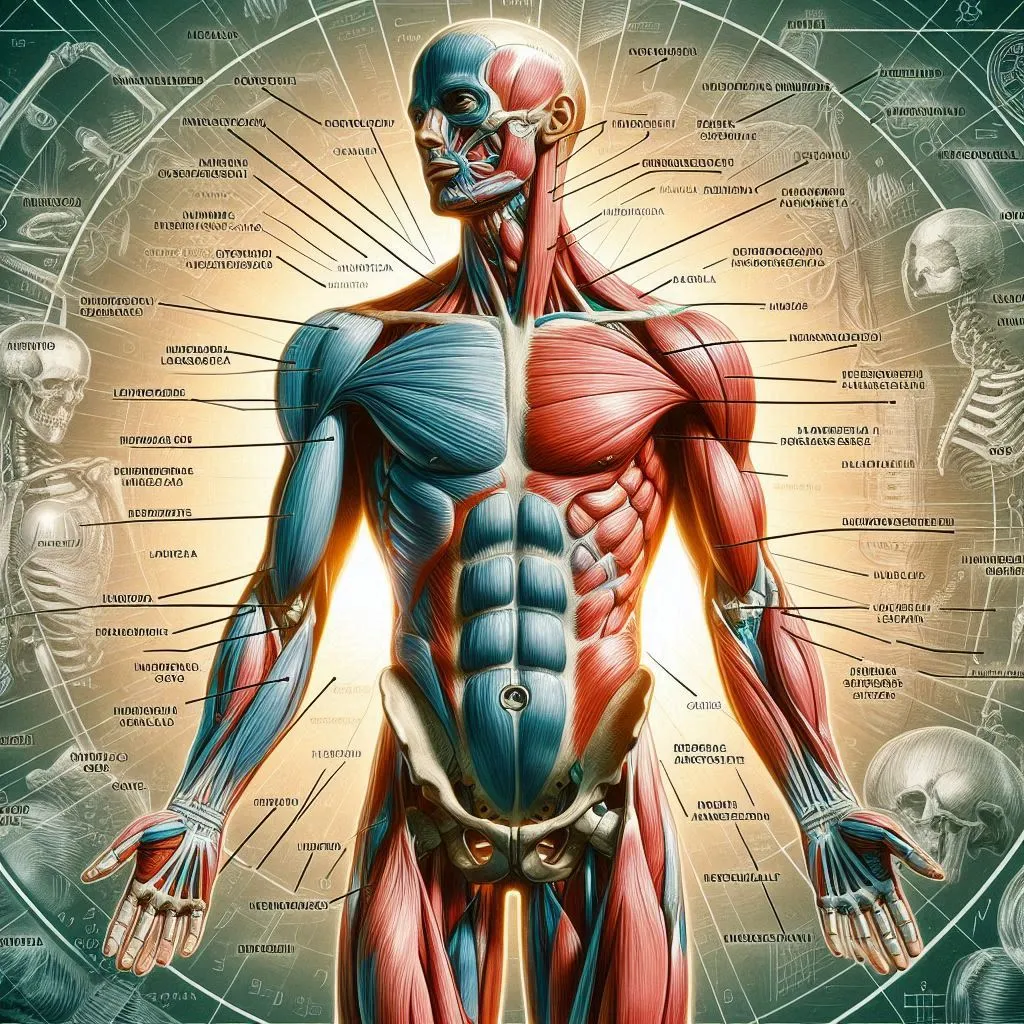
The human body is an amazing and complex system filled with fascinating structures, functions, and scientific discoveries.
These Anatomy Trivia Questions and Answers are a fun and educational way to test your knowledge of the human body while learning interesting facts about organs, bones, muscles, tissues, and body systems.
Whether you’re a student, teacher, healthcare enthusiast, or simply curious about how the body works, this collection of anatomy trivia questions offers an exciting challenge for everyone.
From basic body facts to surprising details about human anatomy, these questions will help you explore the incredible science behind the body in an enjoyable way.
Anatomy Trivia Questions And Answers
1. What is the largest organ in the human body?
A. Heart
B. Skin
C. Liver
D. Brain
Correct Answer: B. Skin
Explanation: The skin is the body’s largest organ and protects internal tissues from the outside environment.
Key Information: Skin helps regulate body temperature and provides protection against germs.
2. How many bones are in the adult human body?
A. 106
B. 206
C. 306
D. 406
Correct Answer: B. 206
Explanation: An average adult human skeleton contains 206 bones.
Key Information: Babies are born with more bones that gradually fuse together as they grow.
3. Which organ pumps blood throughout the body?
A. Lung
B. Brain
C. Heart
D. Kidney
Correct Answer: C. Heart
Explanation: The heart pushes blood through blood vessels to deliver oxygen and nutrients.
Key Information: The human heart has four chambers.
4. Which part of the body controls thoughts, memory, and movement?
A. Liver
B. Brain
C. Stomach
D. Kidney
Correct Answer: B. Brain
Explanation: The brain is the control center of the nervous system.
Key Information: The human brain contains billions of nerve cells called neurons.
5. What is the largest bone in the human body?
A. Femur
B. Skull
C. Spine
D. Rib
Correct Answer: A. Femur
Explanation: The femur, or thigh bone, is the longest and strongest bone in the human body.
Key Information: It supports much of the body’s weight during movement.
6. Which organ is responsible for breathing?
A. Heart
B. Lungs
C. Stomach
D. Pancreas
Correct Answer: B. Lungs
Explanation: The lungs take in oxygen and remove carbon dioxide from the body.
Key Information: Humans have two lungs located in the chest.
7. What is the smallest bone in the human body?
A. Femur
B. Stapes
C. Radius
D. Tibia
Correct Answer: B. Stapes
Explanation: The stapes is a tiny bone located in the middle ear.
Key Information: It helps transmit sound vibrations.
8. Which organ filters waste from the blood?
A. Kidney
B. Heart
C. Lung
D. Brain
Correct Answer: A. Kidney
Explanation: The kidneys remove waste and extra fluids from the blood.
Key Information: Most people have two kidneys.
9. What is the main function of the stomach?
A. Pump blood
B. Digest food
C. Control movement
D. Produce oxygen
Correct Answer: B. Digest food
Explanation: The stomach breaks down food using acids and digestive enzymes.
Key Information: It is an important part of the digestive system.
10. Which system includes the brain and spinal cord?
A. Digestive system
B. Nervous system
C. Respiratory system
D. Skeletal system
Correct Answer: B. Nervous system
Explanation: The nervous system controls communication between the brain and body.
Key Information: It helps control movement, feelings, and responses.
11. Which muscle is responsible for breathing?
A. Biceps
B. Diaphragm
C. Triceps
D. Quadriceps
Correct Answer: B. Diaphragm
Explanation: The diaphragm contracts and relaxes to help the lungs breathe.
Key Information: It separates the chest cavity from the abdominal cavity.
12. What connects muscles to bones?
A. Ligaments
B. Tendons
C. Cartilage
D. Nerves
Correct Answer: B. Tendons
Explanation: Tendons attach muscles to bones and help create movement.
Key Information: Ligaments connect bones to other bones.
13. Which blood cells fight infections?
A. Red blood cells
B. White blood cells
C. Platelets
D. Plasma
Correct Answer: B. White blood cells
Explanation: White blood cells help protect the body from harmful organisms.
Key Information: They are part of the immune system.
14. Which organ produces insulin?
A. Liver
B. Pancreas
C. Kidney
D. Heart
Correct Answer: B. Pancreas
Explanation: The pancreas produces insulin, which helps control blood sugar levels.
Key Information: Insulin allows cells to use glucose for energy.
15. What is the main function of red blood cells?
A. Fight diseases
B. Carry oxygen
C. Digest food
D. Control hormones
Correct Answer: B. Carry oxygen
Explanation: Red blood cells transport oxygen throughout the body.
Key Information: They contain a protein called hemoglobin.
16. Which part of the eye controls how much light enters?
A. Retina
B. Iris
C. Lens
D. Cornea
Correct Answer: B. Iris
Explanation: The iris adjusts the size of the pupil to control light entry.
Key Information: Eye color comes from the iris.
17. What is the hardest substance in the human body?
A. Bone
B. Tooth enamel
C. Muscle
D. Cartilage
Correct Answer: B. Tooth enamel
Explanation: Tooth enamel is the strongest material in the human body.
Key Information: It protects teeth from damage during chewing.
18. Which organ stores bile?
A. Gallbladder
B. Liver
C. Stomach
D. Spleen
Correct Answer: A. Gallbladder
Explanation: The gallbladder stores bile produced by the liver.
Key Information: Bile helps digest fats.
19. How many chambers does the human heart have?
A. Two
B. Three
C. Four
D. Five
Correct Answer: C. Four
Explanation: The heart has two atria and two ventricles.
Key Information: These chambers work together to circulate blood.
20. Which body system supports and protects internal organs?
A. Skeletal system
B. Digestive system
C. Nervous system
D. Respiratory system
Correct Answer: A. Skeletal system
Explanation: The skeleton provides structure and protects important organs.
Key Information: Bones also help produce blood cells inside bone marrow.
General Anatomy Trivia Questions And Answers
1. Which part of the human body contains the spinal cord?
A. Skull
B. Vertebral column
C. Rib cage
D. Pelvis
Correct Answer: B. Vertebral column
Explanation: The vertebral column, also called the spine, protects the spinal cord.
Key Information: The spine is made up of small bones called vertebrae.
2. What is the main function of the lungs?
A. Digest food
B. Pump blood
C. Exchange oxygen and carbon dioxide
D. Produce hormones
Correct Answer: C. Exchange oxygen and carbon dioxide
Explanation: The lungs take oxygen into the body and remove carbon dioxide.
Key Information: Gas exchange occurs in tiny air sacs called alveoli.
3. Which organ is known as the control center of the human body?
A. Heart
B. Brain
C. Liver
D. Stomach
Correct Answer: B. Brain
Explanation: The brain controls thoughts, emotions, movements, and body functions.
Key Information: It communicates with the body through the nervous system.
4. How many teeth does a typical adult human have?
A. 20
B. 28
C. 32
D. 36
Correct Answer: C. 32
Explanation: Most adults have 32 permanent teeth, including wisdom teeth.
Key Information: Teeth help with biting, chewing, and speaking.
5. Which organ helps remove toxins from the blood?
A. Liver
B. Heart
C. Lung
D. Brain
Correct Answer: A. Liver
Explanation: The liver processes harmful substances and helps clean the blood.
Key Information: The liver also helps with digestion and metabolism.
6. Which type of tissue connects bones together?
A. Tendons
B. Ligaments
C. Muscles
D. Nerves
Correct Answer: B. Ligaments
Explanation: Ligaments connect one bone to another and help stabilize joints.
Key Information: Strong ligaments help prevent excessive joint movement.
7. Which organ produces bile?
A. Stomach
B. Liver
C. Pancreas
D. Kidney
Correct Answer: B. Liver
Explanation: The liver produces bile, which helps digest fats.
Key Information: Bile is stored in the gallbladder.
8. Which part of the ear helps maintain balance?
A. Outer ear
B. Inner ear
C. Ear lobe
D. Eardrum
Correct Answer: B. Inner ear
Explanation: Structures in the inner ear help the body maintain balance and orientation.
Key Information: The vestibular system controls balance.
9. Which muscle is the strongest based on the force it produces?
A. Tongue
B. Heart
C. Jaw muscle
D. Arm muscle
Correct Answer: C. Jaw muscle
Explanation: The masseter muscle in the jaw produces powerful biting force.
Key Information: Muscle strength can be measured in different ways.
10. What is the main function of the skeleton?
A. Produce hormones
B. Support and protect the body
C. Digest food
D. Control breathing
Correct Answer: B. Support and protect the body
Explanation: Bones provide structure and protect important organs.
Key Information: The skeleton also helps with movement.
11. Which blood vessel carries blood away from the heart?
A. Veins
B. Arteries
C. Capillaries
D. Nerves
Correct Answer: B. Arteries
Explanation: Arteries transport blood away from the heart to the body.
Key Information: Veins carry blood back toward the heart.
12. Which organ system is responsible for breaking down food?
A. Digestive system
B. Nervous system
C. Respiratory system
D. Skeletal system
Correct Answer: A. Digestive system
Explanation: The digestive system processes food and absorbs nutrients.
Key Information: It includes organs such as the stomach and intestines.
13. What is the name of the largest muscle in the human body?
A. Biceps
B. Gluteus maximus
C. Heart muscle
D. Calf muscle
Correct Answer: B. Gluteus maximus
Explanation: The gluteus maximus is the largest muscle in the human body.
Key Information: It helps with hip movement and posture.
14. Which part of the brain controls breathing and heartbeat?
A. Cerebrum
B. Cerebellum
C. Brainstem
D. Skull
Correct Answer: C. Brainstem
Explanation: The brainstem controls many automatic body functions.
Key Information: It connects the brain to the spinal cord.
15. What is the main job of the immune system?
A. Move muscles
B. Fight harmful organisms
C. Pump blood
D. Digest food
Correct Answer: B. Fight harmful organisms
Explanation: The immune system protects the body from infections.
Key Information: White blood cells are important parts of immunity.
16. Which organ is responsible for hearing?
A. Eye
B. Ear
C. Nose
D. Skin
Correct Answer: B. Ear
Explanation: The ear detects sound vibrations and sends signals to the brain.
Key Information: The ear also helps maintain balance.
17. Which hormone helps control growth in the human body?
A. Insulin
B. Growth hormone
C. Adrenaline
D. Melatonin
Correct Answer: B. Growth hormone
Explanation: Growth hormone helps regulate growth and development.
Key Information: It is produced by the pituitary gland.
18. Which part of the eye detects light?
A. Lens
B. Retina
C. Iris
D. Pupil
Correct Answer: B. Retina
Explanation: The retina contains cells that detect light and send signals to the brain.
Key Information: The retina is essential for vision.
19. Which organ stores urine before it leaves the body?
A. Kidney
B. Bladder
C. Liver
D. Ureter
Correct Answer: B. Bladder
Explanation: The bladder stores urine produced by the kidneys.
Key Information: Urine leaves the body through the urethra.
20. Which system is responsible for movement of the body?
A. Musculoskeletal system
B. Digestive system
C. Respiratory system
D. Endocrine system
Correct Answer: A. Musculoskeletal system
Explanation: Muscles and bones work together to create movement.
Key Information: This system provides support, stability, and mobility.
Anatomy Trivia Questions And Answers General Knowledge
1. Which part of the human body is responsible for pumping blood?
A. Brain
B. Heart
C. Liver
D. Lung
Correct Answer: B. Heart
Explanation: The heart is a muscular organ that pumps blood throughout the body.
Key Information: The heart beats continuously to supply oxygen and nutrients to cells.
2. What is the name of the tube that carries food from the mouth to the stomach?
A. Trachea
B. Esophagus
C. Intestine
D. Aorta
Correct Answer: B. Esophagus
Explanation: The esophagus is a muscular tube that moves swallowed food toward the stomach.
Key Information: It is part of the digestive system.
3. Which organ helps control blood sugar levels?
A. Pancreas
B. Kidney
C. Spleen
D. Lung
Correct Answer: A. Pancreas
Explanation: The pancreas produces insulin, which helps regulate glucose in the blood.
Key Information: Proper insulin function is important for energy use in the body.
4. What is the largest internal organ in the human body?
A. Brain
B. Liver
C. Stomach
D. Heart
Correct Answer: B. Liver
Explanation: The liver is the largest internal organ and performs many important functions.
Key Information: It helps process nutrients and remove harmful substances.
5. Which part of the skeleton protects the brain?
A. Rib cage
B. Skull
C. Spine
D. Pelvis
Correct Answer: B. Skull
Explanation: The skull surrounds and protects the brain from injury.
Key Information: The skull is made of several bones joined together.
6. Which cells carry oxygen throughout the body?
A. White blood cells
B. Platelets
C. Red blood cells
D. Nerve cells
Correct Answer: C. Red blood cells
Explanation: Red blood cells contain hemoglobin, which carries oxygen.
Key Information: They are the most common type of blood cell.
7. Which organ helps the body maintain balance?
A. Inner ear
B. Stomach
C. Liver
D. Heart
Correct Answer: A. Inner ear
Explanation: The inner ear contains structures that help control balance and body position.
Key Information: Balance depends on signals from the inner ear, eyes, and muscles.
8. What is the main function of the kidneys?
A. Pump blood
B. Filter waste from blood
C. Digest food
D. Control movement
Correct Answer: B. Filter waste from blood
Explanation: Kidneys remove waste and extra water to produce urine.
Key Information: Healthy kidneys help maintain fluid balance.
9. Which part of the body contains vocal cords?
A. Nose
B. Larynx
C. Tongue
D. Throat muscles
Correct Answer: B. Larynx
Explanation: The larynx contains vocal cords that produce sound.
Key Information: The larynx is also called the voice box.
10. Which type of joint allows the widest range of movement?
A. Hinge joint
B. Ball-and-socket joint
C. Fixed joint
D. Pivot joint
Correct Answer: B. Ball-and-socket joint
Explanation: Ball-and-socket joints allow movement in many directions.
Key Information: The shoulder and hip have ball-and-socket joints.
11. Which body system transports oxygen and nutrients?
A. Circulatory system
B. Digestive system
C. Nervous system
D. Skeletal system
Correct Answer: A. Circulatory system
Explanation: The circulatory system uses blood vessels to move materials around the body.
Key Information: The heart, blood, and blood vessels make up this system.
12. Which organ helps produce digestive enzymes?
A. Pancreas
B. Brain
C. Heart
D. Skin
Correct Answer: A. Pancreas
Explanation: The pancreas releases enzymes that help break down food.
Key Information: It has both digestive and hormone-related functions.
13. Which bone protects the heart and lungs?
A. Femur
B. Rib bones
C. Skull
D. Arm bones
Correct Answer: B. Rib bones
Explanation: The ribs form a protective cage around important chest organs.
Key Information: The rib cage also helps with breathing.
14. Which part of the nervous system carries messages between the brain and body?
A. Spinal cord
B. Heart
C. Muscle
D. Bone marrow
Correct Answer: A. Spinal cord
Explanation: The spinal cord connects the brain with nerves throughout the body.
Key Information: It is protected by the vertebral column.
15. Which organ is responsible for taste?
A. Ear
B. Tongue
C. Eye
D. Skin
Correct Answer: B. Tongue
Explanation: The tongue contains taste buds that detect different flavors.
Key Information: Taste buds help identify sweet, salty, sour, bitter, and savory tastes.
16. What connects the brain to the spinal cord?
A. Brainstem
B. Skull
C. Retina
D. Rib cage
Correct Answer: A. Brainstem
Explanation: The brainstem links the brain with the spinal cord.
Key Information: It controls important automatic functions.
17. Which organ helps store and digest food temporarily?
A. Stomach
B. Kidney
C. Lung
D. Heart
Correct Answer: A. Stomach
Explanation: The stomach stores food and begins the digestion process.
Key Information: Stomach acid helps break down food.
18. Which tissue covers and protects body surfaces?
A. Muscle tissue
B. Epithelial tissue
C. Nerve tissue
D. Bone tissue
Correct Answer: B. Epithelial tissue
Explanation: Epithelial tissue forms protective coverings such as skin.
Key Information: It also lines many internal organs.
19. Which part of the blood helps stop bleeding?
A. Plasma
B. Platelets
C. Red blood cells
D. White blood cells
Correct Answer: B. Platelets
Explanation: Platelets help form clots to stop bleeding.
Key Information: They are essential for normal healing.
20. Which system produces hormones in the body?
A. Endocrine system
B. Skeletal system
C. Respiratory system
D. Digestive system
Correct Answer: A. Endocrine system
Explanation: The endocrine system uses glands to produce hormones.
Key Information: Hormones help regulate growth, metabolism, and many body functions.
Funny Human Body Trivia Questions And Answers
1. Which organ is responsible for producing bile?
A. Pancreas
B. Liver
C. Kidney
D. Stomach
Correct Answer: B. Liver
Explanation: The liver produces bile, a substance that helps digest fats.
Key Information: Bile is stored in the gallbladder before being released into the small intestine.
2. What is the name of the smallest unit of life in the human body?
A. Tissue
B. Cell
C. Organ
D. Bone
Correct Answer: B. Cell
Explanation: Cells are the basic building blocks that make up the human body.
Key Information: The human body contains trillions of specialized cells.
3. Which part of the brain controls coordination and balance?
A. Cerebrum
B. Cerebellum
C. Brainstem
D. Hypothalamus
Correct Answer: B. Cerebellum
Explanation: The cerebellum helps control balance, posture, and coordinated movements.
Key Information: It plays an important role in smooth body movements.
4. Which muscle allows the heart to beat continuously?
A. Smooth muscle
B. Cardiac muscle
C. Skeletal muscle
D. Voluntary muscle
Correct Answer: B. Cardiac muscle
Explanation: Cardiac muscle is a special type of muscle found only in the heart.
Key Information: It works automatically without conscious control.
5. Which organ is part of both the digestive and endocrine systems?
A. Pancreas
B. Lung
C. Brain
D. Skin
Correct Answer: A. Pancreas
Explanation: The pancreas helps digestion and also produces hormones like insulin.
Key Information: It has both digestive and hormone-producing roles.
6. What is the main function of the small intestine?
A. Pump blood
B. Absorb nutrients
C. Store urine
D. Control movement
Correct Answer: B. Absorb nutrients
Explanation: The small intestine absorbs nutrients from digested food.
Key Information: Most digestion and nutrient absorption occur here.
7. Which part of the body protects the spinal cord?
A. Skull
B. Vertebral column
C. Rib cage
D. Pelvis
Correct Answer: B. Vertebral column
Explanation: The spine surrounds and protects the spinal cord.
Key Information: The vertebral column also supports body movement.
8. Which organ helps control body temperature?
A. Skin
B. Heart
C. Stomach
D. Kidney
Correct Answer: A. Skin
Explanation: The skin helps regulate temperature through sweating and blood flow changes.
Key Information: Skin is the largest organ of the body.
9. Which type of tissue connects and supports body structures?
A. Connective tissue
B. Nervous tissue
C. Muscle tissue
D. Epithelial tissue
Correct Answer: A. Connective tissue
Explanation: Connective tissue supports and connects different parts of the body.
Key Information: Bones, cartilage, and tendons are types of connective tissue.
10. What is the main function of white blood cells?
A. Carry oxygen
B. Fight infections
C. Digest food
D. Produce hormones
Correct Answer: B. Fight infections
Explanation: White blood cells protect the body from harmful organisms.
Key Information: They are an important part of the immune system.
11. Which organ helps remove carbon dioxide from the body?
A. Heart
B. Lungs
C. Liver
D. Kidney
Correct Answer: B. Lungs
Explanation: The lungs remove carbon dioxide during breathing.
Key Information: They exchange gases through tiny air sacs called alveoli.
12. Which bone is located in the upper arm?
A. Femur
B. Humerus
C. Tibia
D. Radius
Correct Answer: B. Humerus
Explanation: The humerus is the long bone found between the shoulder and elbow.
Key Information: It is the largest bone in the upper limb.
13. Which organ controls hormone release in the body?
A. Pituitary gland
B. Heart
C. Lung
D. Bladder
Correct Answer: A. Pituitary gland
Explanation: The pituitary gland releases hormones that control many body functions.
Key Information: It is often called the “master gland.”
14. Which part of the digestive system absorbs water?
A. Stomach
B. Large intestine
C. Esophagus
D. Mouth
Correct Answer: B. Large intestine
Explanation: The large intestine absorbs water and forms waste.
Key Information: It plays an important role in digestion.
15. Which organ is responsible for filtering blood?
A. Kidney
B. Heart
C. Brain
D. Lung
Correct Answer: A. Kidney
Explanation: Kidneys filter waste and extra substances from the blood.
Key Information: They help maintain the body’s chemical balance.
16. What connects muscles to bones?
A. Ligaments
B. Tendons
C. Cartilage
D. Nerves
Correct Answer: B. Tendons
Explanation: Tendons attach muscles to bones and allow movement.
Key Information: Ligaments connect bones to other bones.
17. Which part of the eye focuses light?
A. Retina
B. Lens
C. Iris
D. Pupil
Correct Answer: B. Lens
Explanation: The lens focuses light onto the retina to create clear images.
Key Information: The lens changes shape to focus on objects at different distances.
18. Which body system is responsible for removing waste?
A. Excretory system
B. Nervous system
C. Skeletal system
D. Muscular system
Correct Answer: A. Excretory system
Explanation: The excretory system removes waste products from the body.
Key Information: Kidneys are major organs of this system.
19. Which organ stores and concentrates bile?
A. Gallbladder
B. Liver
C. Pancreas
D. Stomach
Correct Answer: A. Gallbladder
Explanation: The gallbladder stores bile produced by the liver.
Key Information: Bile helps break down fats during digestion.
20. Which part of the body contains taste receptors?
A. Nose
B. Tongue
C. Ear
D. Skin
Correct Answer: B. Tongue
Explanation: Taste buds on the tongue detect different flavors.
Key Information: Taste and smell work together to create the sense of flavor.
Anatomy Trivia Questions And Answers For Adults
1. Which organ is the largest gland in the human body?
A. Pancreas
B. Liver
C. Thyroid
D. Pituitary
Correct Answer: B. Liver
Explanation: The liver is the largest gland and performs many important functions, including digestion and detoxification.
Key Information: The liver produces bile and helps process nutrients.
2. Which part of the human body contains the largest number of bones?
A. Skull
B. Hands and feet
C. Spine
D. Rib cage
Correct Answer: B. Hands and feet
Explanation: The hands and feet contain many small bones that help with movement and balance.
Key Information: Each hand contains 27 bones, and each foot contains 26 bones.
3. Which organ is responsible for storing urine?
A. Kidney
B. Bladder
C. Ureter
D. Liver
Correct Answer: B. Bladder
Explanation: The bladder stores urine until it leaves the body.
Key Information: The kidneys produce urine, while the bladder stores it.
4. Which type of joint is found in the elbow?
A. Ball-and-socket joint
B. Hinge joint
C. Pivot joint
D. Fixed joint
Correct Answer: B. Hinge joint
Explanation: The elbow joint allows bending and straightening movements.
Key Information: Knee joints are also examples of hinge joints.
5. Which part of the blood carries nutrients and hormones?
A. Plasma
B. Platelets
C. Red blood cells
D. White blood cells
Correct Answer: A. Plasma
Explanation: Plasma is the liquid part of blood that transports many substances.
Key Information: Plasma makes up more than half of blood volume.
6. Which organ produces digestive juices?
A. Stomach
B. Heart
C. Brain
D. Spleen
Correct Answer: A. Stomach
Explanation: The stomach produces acids and enzymes that help break down food.
Key Information: Stomach acid also helps destroy harmful bacteria.
7. What is the main function of the nervous system?
A. Digest food
B. Send and receive messages
C. Pump blood
D. Produce bones
Correct Answer: B. Send and receive messages
Explanation: The nervous system allows communication between the brain and body.
Key Information: It controls movement, sensation, and responses.
8. Which organ helps regulate metabolism?
A. Thyroid gland
B. Heart
C. Lung
D. Bladder
Correct Answer: A. Thyroid gland
Explanation: The thyroid produces hormones that influence metabolism.
Key Information: It is part of the endocrine system.
9. Which bone protects the heart and lungs?
A. Femur
B. Ribs
C. Skull
D. Humerus
Correct Answer: B. Ribs
Explanation: The ribs form a protective cage around the chest organs.
Key Information: The rib cage also helps with breathing movements.
10. Which part of the eye controls the amount of light entering?
A. Retina
B. Iris
C. Lens
D. Optic nerve
Correct Answer: B. Iris
Explanation: The iris changes pupil size to control incoming light.
Key Information: Eye color is determined by the iris.
11. Which organ helps digest fats?
A. Gallbladder
B. Brain
C. Heart
D. Lung
Correct Answer: A. Gallbladder
Explanation: The gallbladder releases bile that helps break down fats.
Key Information: Bile is produced by the liver.
12. Which muscle helps you breathe?
A. Biceps
B. Diaphragm
C. Triceps
D. Calf muscle
Correct Answer: B. Diaphragm
Explanation: The diaphragm moves to help air enter and leave the lungs.
Key Information: It is the main breathing muscle.
13. Which part of the ear receives sound vibrations?
A. Eardrum
B. Retina
C. Tongue
D. Nose
Correct Answer: A. Eardrum
Explanation: The eardrum vibrates when sound waves reach it.
Key Information: These vibrations are passed through the ear bones.
14. Which organ is known as the body’s defense barrier?
A. Skin
B. Heart
C. Liver
D. Brain
Correct Answer: A. Skin
Explanation: Skin protects the body from germs and environmental damage.
Key Information: It also helps control body temperature.
15. Which cells help blood clot?
A. Platelets
B. Neurons
C. Red blood cells
D. Muscle cells
Correct Answer: A. Platelets
Explanation: Platelets help stop bleeding by forming clots.
Key Information: They are essential for wound healing.
16. Which part of the skeleton supports body weight?
A. Femur
B. Skull
C. Ribs
D. Fingers
Correct Answer: A. Femur
Explanation: The femur is the strongest and longest bone in the body.
Key Information: It supports walking, standing, and running.
17. Which organ helps remove excess water from the body?
A. Kidney
B. Heart
C. Brain
D. Stomach
Correct Answer: A. Kidney
Explanation: Kidneys regulate water levels and remove waste through urine.
Key Information: They help maintain internal balance.
18. Which structure carries signals from nerves to muscles?
A. Nerve cells
B. Bones
C. Blood cells
D. Skin cells
Correct Answer: A. Nerve cells
Explanation: Nerve cells transmit messages that control muscle movement.
Key Information: These signals allow the body to respond quickly.
19. Which organ is responsible for memory and thinking?
A. Brain
B. Heart
C. Liver
D. Kidney
Correct Answer: A. Brain
Explanation: The brain controls thinking, learning, and memory.
Key Information: Different brain regions perform different functions.
20. Which system allows humans to move?
A. Muscular system
B. Digestive system
C. Respiratory system
D. Endocrine system
Correct Answer: A. Muscular system
Explanation: Muscles work with bones to create movement.
Key Information: The human body has hundreds of muscles that support motion.
Anatomy Trivia Quiz
1: Why did the skeleton go to the party?
Answer: Because he had no body to go with.
2: What did the femur say to the tibia?
Answer: I’m bone to be with you forever.
3: Why don’t skeletons fight each other?
Answer: They don’t have the guts.
4: What do you call a doctor who fixes broken bones?
Answer: A bone doctor.
5: Why was the brain always invited to parties?
Answer: Because it was the smartest one in the room.
6: What’s a skeleton’s least favorite room?
Answer: The living room.
7: Why did the heart break up with the brain?
Answer: Because it needed some space.
8: How did the lungs get their exercise?
Answer: They took deep breaths.
9: Why do muscles never tell secrets?
Answer: Because they’re afraid of being pulled.
10: What did one kidney say to the other?
Answer: You’re kidney-ing me!
11: Why was the nose so good at telling jokes?
Answer: It had a great sense of humor.
12: What did the doctor say to the patient with a sore arm?
Answer: You need a little elbow grease.
13: Why did the hand break up with the wrist?
Answer: It was tired of being tied down.
14: How did the stomach feel after eating too much?
Answer: It was totally stuffed.
15: Why was the spine always in trouble?
Answer: It couldn’t keep its back straight.
16: What do you call a nervous tissue?
Answer: A bundle of nerves.
17: Why did the heart refuse to go out?
Answer: It was too busy keeping things pumping.
18: What did the rib say to the chest?
Answer: Stop cracking up!
19: Why do the eyes always work together?
Answer: Because they’re so eye-conic.
20: What did the muscle say to the bicep?
Answer: You’re looking really strong today.
Human Body Trivia Questions For Kids
1. Which organ is responsible for producing hormones that control many body functions?
A. Heart
B. Endocrine glands
C. Lungs
D. Stomach
Correct Answer: B. Endocrine glands
Explanation: Endocrine glands produce hormones that regulate growth, metabolism, and other body processes.
Key Information: Major endocrine glands include the pituitary, thyroid, and adrenal glands.
2. What is the main function of the skeletal system?
A. Produce energy
B. Support and protect the body
C. Digest food
D. Control emotions
Correct Answer: B. Support and protect the body
Explanation: The skeletal system provides structure and protects important organs.
Key Information: Bones also store minerals and help produce blood cells.
3. Which part of the human body contains the vocal cords?
A. Larynx
B. Stomach
C. Nose
D. Tongue
Correct Answer: A. Larynx
Explanation: The larynx, also called the voice box, contains vocal cords used for producing sound.
Key Information: The larynx is part of the respiratory system.
4. Which organ is responsible for pumping oxygen-rich blood?
A. Heart
B. Kidney
C. Brain
D. Liver
Correct Answer: A. Heart
Explanation: The heart pumps blood through the circulatory system.
Key Information: The heart works continuously throughout life.
5. Which part of the brain controls breathing and heartbeat?
A. Cerebrum
B. Brainstem
C. Cerebellum
D. Skull
Correct Answer: B. Brainstem
Explanation: The brainstem controls automatic functions such as breathing and heartbeat.
Key Information: It connects the brain to the spinal cord.
6. Which organ absorbs most nutrients from food?
A. Stomach
B. Small intestine
C. Large intestine
D. Liver
Correct Answer: B. Small intestine
Explanation: The small intestine absorbs nutrients after digestion.
Key Information: It contains tiny structures called villi that increase absorption.
7. Which type of muscle is found in the walls of internal organs?
A. Cardiac muscle
B. Smooth muscle
C. Skeletal muscle
D. Bone muscle
Correct Answer: B. Smooth muscle
Explanation: Smooth muscle controls movements inside organs like the stomach and intestines.
Key Information: Smooth muscle works automatically.
8. Which organ removes waste products from the blood?
A. Kidney
B. Lung
C. Brain
D. Heart
Correct Answer: A. Kidney
Explanation: Kidneys filter blood and remove waste through urine.
Key Information: They help maintain water and mineral balance.
9. What is the name of the protective covering around the brain?
A. Rib cage
B. Skull
C. Spine
D. Pelvis
Correct Answer: B. Skull
Explanation: The skull protects the brain from injury.
Key Information: The skull is made up of several connected bones.
10. Which organ helps the body fight infections?
A. Immune system
B. Digestive system
C. Skeletal system
D. Respiratory system
Correct Answer: A. Immune system
Explanation: The immune system protects the body against harmful organisms.
Key Information: White blood cells are important immune cells.
11. Which part of the nervous system carries messages throughout the body?
A. Nerves
B. Bones
C. Muscles
D. Blood vessels
Correct Answer: A. Nerves
Explanation: Nerves transmit signals between the brain, spinal cord, and body.
Key Information: They allow movement, sensation, and responses.
12. Which organ helps store and concentrate bile?
A. Gallbladder
B. Pancreas
C. Liver
D. Kidney
Correct Answer: A. Gallbladder
Explanation: The gallbladder stores bile produced by the liver.
Key Information: Bile helps digest fats.
13. Which bone is found in the lower leg?
A. Humerus
B. Tibia
C. Femur
D. Radius
Correct Answer: B. Tibia
Explanation: The tibia is the large bone in the lower leg.
Key Information: It supports much of the body’s weight.
14. Which body system is responsible for breathing?
A. Respiratory system
B. Digestive system
C. Nervous system
D. Endocrine system
Correct Answer: A. Respiratory system
Explanation: The respiratory system brings oxygen into the body and removes carbon dioxide.
Key Information: Lungs are the main organs of this system.
15. Which organ helps control balance and coordination?
A. Cerebellum
B. Liver
C. Heart
D. Stomach
Correct Answer: A. Cerebellum
Explanation: The cerebellum coordinates movement and maintains balance.
Key Information: It is located at the back of the brain.
16. Which part of the body detects smells?
A. Nose
B. Ear
C. Eye
D. Tongue
Correct Answer: A. Nose
Explanation: The nose contains receptors that detect odors.
Key Information: Smell is closely connected with taste.
17. Which tissue covers the outside of the body?
A. Muscle tissue
B. Skin tissue
C. Bone tissue
D. Nerve tissue
Correct Answer: B. Skin tissue
Explanation: Skin forms a protective outer covering for the body.
Key Information: Skin helps prevent water loss and infection.
18. Which organ helps break down food using acid?
A. Stomach
B. Heart
C. Lung
D. Brain
Correct Answer: A. Stomach
Explanation: The stomach uses acid and enzymes to digest food.
Key Information: It is an important part of the digestive system.
19. Which part of the body contains the spinal cord?
A. Vertebral column
B. Skull
C. Rib cage
D. Arm
Correct Answer: A. Vertebral column
Explanation: The vertebral column surrounds and protects the spinal cord.
Key Information: It also provides support for the body.
20. Which organ controls most body activities?
A. Brain
B. Heart
C. Liver
D. Kidney
Correct Answer: A. Brain
Explanation: The brain controls thoughts, movements, emotions, and many body functions.
Key Information: It is the main control center of the nervous system.
FAQS
1. What are Anatomy Trivia Questions and Answers?
Anatomy Trivia Questions and Answers are educational quiz questions that test your knowledge of the human body, including organs, bones, muscles, body systems, and medical facts. They are a fun way to learn and review important anatomy concepts.
2. What topics are included in Anatomy Trivia Questions?
Anatomy trivia questions can cover topics such as the skeletal system, muscular system, nervous system, circulatory system, respiratory system, organs, body functions, and interesting facts about human anatomy.
3. Who can use Anatomy Trivia Questions and Answers?
Anatomy trivia is useful for students, teachers, healthcare learners, quiz enthusiasts, and anyone interested in understanding how the human body works. They can be used for classrooms, study sessions, competitions, and educational games.
4. How can Anatomy Trivia Questions help with learning?
Anatomy Trivia Questions make learning more interactive and enjoyable by helping people remember important facts about the human body. They can improve knowledge retention and provide a fun way to test understanding of anatomy topics.
Final Thoughts
These Anatomy Trivia Questions and Answers provide a fun opportunity to learn more about the human body while challenging your memory and knowledge.
Whether you’re preparing for a classroom quiz, a study session, or a friendly trivia competition, these questions are a great way to make learning anatomy more engaging.
The human body is full of remarkable facts and discoveries, and every question offers a chance to learn something new.
Gather your friends, classmates, or fellow science lovers and enjoy this exciting journey through the fascinating world of human anatomy.
Read more:
135+ Fascinating Anatomy Trivia Questions and Answers
145+ Ultimate Scientific Trivia Questions and Answers