
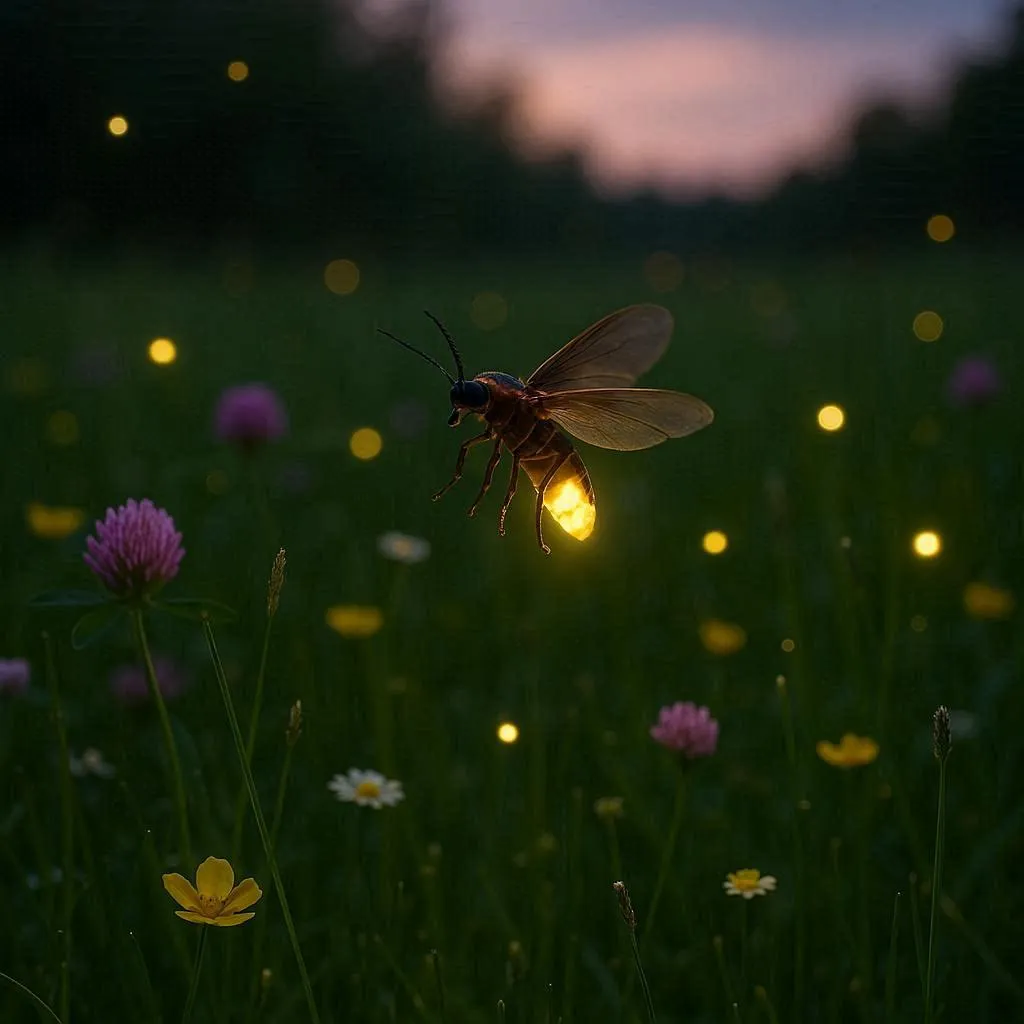
Time to aim to misbehave, trivia style! Our Firefly Trivia Questions and Answers are here to test how well you know the cult classic that stole every sci-fi fan’s heart.
From Captain Mal’s sharp wit to the Serenity crew’s wild adventures, this quiz is packed with clever questions, fun facts, and a few surprises only true Browncoats will catch.
Whether you’ve watched the series a hundred times or just discovered it in the ’Verse, get ready to see if you can keep flying with the best of them!
Funny Firefly Trivia Question and Answers
1. What is a firefly?
Answer: A small flying beetle that can produce light.
Explanation: Fireflies are insects known for their glowing bodies, especially at night.
Key Information: They belong to the beetle family Lampyridae.
2. Why do fireflies glow?
Answer: Mainly to communicate with other fireflies.
Explanation: Their flashes are often used to attract mates and identify members of the same species.
Key Information: Different species have different flashing patterns.
3. What is another common name for a firefly?
Answer: Lightning bug.
Explanation: The name “lightning bug” is especially common in parts of North America.
Key Information: Both terms generally refer to luminous beetles in the family Lampyridae.
4. What type of animal is a firefly?
Answer: An insect.
Explanation: Fireflies have six legs, three body sections, and other characteristics typical of insects.
Key Information: They are beetles, not flies.
5. What part of a firefly produces its light?
Answer: The abdomen.
Explanation: Specialized light-producing organs are located in the abdomen.
Key Information: The light is produced through a chemical reaction called bioluminescence.
6. What is bioluminescence?
Answer: The production of light by a living organism.
Explanation: Fireflies create light through chemical reactions inside their bodies.
Key Information: Other bioluminescent organisms include some fungi, marine animals, and bacteria.
7. What chemical helps fireflies produce light?
Answer: Luciferin.
Explanation: Luciferin reacts with oxygen in the presence of enzymes and other substances to produce light.
Key Information: The enzyme involved is called luciferase.
8. What enzyme helps produce light in fireflies?
Answer: Luciferase.
Explanation: Luciferase helps catalyze the chemical reaction involving luciferin.
Key Information: The reaction is highly efficient and produces very little heat.
9. Why is firefly light sometimes called “cold light”?
Answer: Because it produces very little heat.
Explanation: Most of the energy from the chemical reaction is released as visible light rather than heat.
Key Information: Firefly bioluminescence is considered extremely energy-efficient.
10. When are fireflies most commonly seen?
Answer: At night.
Explanation: Their glowing signals are much easier to see in darkness.
Key Information: Many species are most active during warm summer evenings.
11. What do fireflies use flashing patterns for?
Answer: Communication, especially mating.
Explanation: Males and females can recognize each other through species-specific flashes.
Key Information: Flash timing can vary greatly between species.
12. Where do fireflies commonly live?
Answer: In areas with vegetation and moisture.
Explanation: Many species prefer forests, meadows, wetlands, and grassy areas.
Key Information: Suitable habitats often provide food, shelter, and moisture.
13. What do firefly larvae commonly live in?
Answer: Soil, leaf litter, or damp ground habitats.
Explanation: Firefly larvae often spend much of their lives on or near the ground.
Key Information: The larvae are sometimes called glowworms because some species can glow.
14. What do many firefly larvae eat?
Answer: Small invertebrates such as snails, slugs, and worms.
Explanation: Larvae are often predators that hunt small soft-bodied animals.
Key Information: Adult firefly diets vary by species.
15. Do all adult fireflies eat?
Answer: No.
Explanation: Some adult species eat nectar, pollen, or other food, while some adults eat very little or not at all.
Key Information: Their feeding habits depend on the species.
16. Why are fireflies important to ecosystems?
Answer: They are predators, prey, and indicators of healthy habitats.
Explanation: Fireflies participate in food webs and often depend on clean, suitable environments.
Key Information: Their presence can indicate favorable environmental conditions.
17. What can threaten firefly populations?
Answer: Habitat loss, pesticides, light pollution, and environmental changes.
Explanation: Fireflies depend on suitable habitats and darkness for important parts of their life cycle.
Key Information: Reducing unnecessary nighttime lighting can help preserve their habitats.
18. Why can artificial light be a problem for fireflies?
Answer: It can interfere with their communication signals.
Explanation: Bright nighttime lighting can make it harder for fireflies to detect each other’s flashes.
Key Information: This is known as light pollution.
19. What season is strongly associated with fireflies in many regions?
Answer: Summer.
Explanation: Warm, humid summer evenings often provide favorable conditions for firefly activity.
Key Information: The exact season varies depending on species and location.
20. Are fireflies actually flies?
Answer: No, they are beetles.
Explanation: Despite their common name, fireflies belong to the beetle order Coleoptera.
Key Information: Their scientific family is Lampyridae.
Recommended: 145+ Sizzling Summer Trivia Questions and Answers
Best Firefly Trivia Question and Answers
1. How many legs does a firefly have?
Answer: Six.
Explanation: Like all adult insects, fireflies have three pairs of legs.
Key Information: Fireflies are beetles belonging to the family Lampyridae.
2. What color do fireflies commonly glow?
Answer: Yellow, green, or yellowish-green.
Explanation: Different firefly species can produce different shades of light.
Key Information: The exact color depends on the species and its biology.
3. Can fireflies control when they flash?
Answer: Yes.
Explanation: Fireflies can regulate the chemical reaction that produces their light.
Key Information: Flash timing is important for communication between individuals.
4. What is the main reason male fireflies flash?
Answer: To attract females.
Explanation: Males often fly and produce species-specific flashes to advertise themselves.
Key Information: Females of some species respond with their own flashes.
5. How do female fireflies recognize males?
Answer: By their flashing patterns.
Explanation: Females can identify potential mates by the timing and pattern of their flashes.
Key Information: Each species can have its own characteristic flash code.
6. What is a group of fireflies flashing together called?
Answer: A synchronous firefly display.
Explanation: In some species, many males coordinate their flashes at nearly the same time.
Key Information: Synchronous displays are especially famous in parts of Southeast Asia and North America.
7. What causes fireflies to glow chemically?
Answer: A reaction involving luciferin, oxygen, and luciferase.
Explanation: These substances interact inside specialized light-producing organs.
Key Information: ATP and other components are also involved in the biochemical process.
8. Where is a firefly’s light-producing organ located?
Answer: In the abdomen.
Explanation: Specialized cells in the abdomen generate the characteristic flashes.
Key Information: The light organ is often visible from the outside.
9. Do fireflies produce heat when they glow?
Answer: Very little.
Explanation: Their bioluminescent reaction converts most of its energy into light rather than heat.
Key Information: This is why firefly light is often described as cold light.
10. What is a firefly larva sometimes called?
Answer: A glowworm.
Explanation: Some firefly larvae produce light even though they do not resemble adult flying fireflies.
Key Information: The term “glowworm” can also refer to other unrelated bioluminescent organisms.
11. Where do firefly larvae spend most of their lives?
Answer: On or near the ground.
Explanation: Larvae commonly live in soil, leaf litter, forests, and damp areas.
Key Information: The larval stage can last much longer than the adult stage.
12. What do many firefly larvae hunt?
Answer: Snails and slugs.
Explanation: Many larvae are predators that use enzymes to help digest their prey.
Key Information: Some species also eat worms and other small invertebrates.
13. Why do fireflies prefer damp habitats?
Answer: Moist environments support their life cycle and prey.
Explanation: Eggs and larvae can be sensitive to dry conditions, while many prey species also require moisture.
Key Information: Wet meadows, marshes, forests, and stream edges can be suitable habitats.
14. What can happen to fireflies when wetlands are destroyed?
Answer: Their populations can decline.
Explanation: Habitat destruction removes breeding areas, food sources, and shelter.
Key Information: Protecting wetlands can benefit many firefly species.
15. How can pesticides affect fireflies?
Answer: They can harm fireflies and their prey.
Explanation: Chemicals used to control insects and other pests can affect different stages of the firefly life cycle.
Key Information: Reducing unnecessary pesticide use can help support insect biodiversity.
16. Why can mowing lawns frequently reduce firefly habitat?
Answer: It can destroy vegetation and disturb larvae and their habitat.
Explanation: Fireflies often depend on tall grass, leaf litter, and undisturbed ground.
Key Information: Leaving some areas of vegetation unmowed can provide better habitat.
17. What is light pollution?
Answer: Excessive or unwanted artificial light at night.
Explanation: Artificial lighting can interfere with natural nighttime behaviors.
Key Information: Fireflies rely on darkness to make their flashes visible.
18. Why are fireflies difficult to see in brightly lit areas?
Answer: Their flashes can be overwhelmed by artificial light.
Explanation: Bright surroundings make their relatively small signals harder to detect.
Key Information: Dark natural areas are better places to observe fireflies.
19. How long can the firefly life cycle take?
Answer: Often one to several years, depending on the species.
Explanation: Fireflies spend much of their lives as larvae before becoming adults.
Key Information: The adult stage may last only a few weeks in some species.
20. What is one of the best ways to help fireflies?
Answer: Protect their natural habitat and reduce nighttime light pollution.
Explanation: Fireflies need suitable vegetation, moisture, food, and darkness to reproduce successfully.
Key Information: Creating pesticide-free, naturally vegetated areas can also support firefly populations.
Firefly Trivia Question and Answers for Adults
1. What family do fireflies belong to?
Answer: Lampyridae.
Explanation: Lampyridae is the scientific family that includes fireflies and related luminous beetles.
Key Information: There are thousands of described firefly species worldwide.
2. Are fireflies found on every continent?
Answer: No.
Explanation: Fireflies are found across many parts of the world but are absent from Antarctica.
Key Information: They are especially diverse in warm and tropical regions.
3. What body part helps a firefly fly?
Answer: Its wings.
Explanation: Adult fireflies have wings covered by protective forewings typical of beetles.
Key Information: Fireflies are members of the beetle order Coleoptera.
4. What are the hard outer wing covers of beetles called?
Answer: Elytra.
Explanation: Elytra protect the delicate flying wings underneath.
Key Information: Fireflies have these protective wing covers like other beetles.
5. Can fireflies fly during the day?
Answer: Yes, some can.
Explanation: Fireflies are generally most noticeable at night, but adults may fly during daylight depending on the species.
Key Information: Some species are active primarily during the day and may not produce visible flashes.
6. Do all fireflies produce visible flashes?
Answer: No.
Explanation: Some species communicate using pheromones or other signals rather than obvious flashing.
Key Information: Firefly communication varies considerably between species.
7. What is a pheromone?
Answer: A chemical signal used to communicate with other members of the same species.
Explanation: Some fireflies use chemical signals, especially for finding mates.
Key Information: Pheromones are common in many insects.
8. What is the purpose of firefly mating flashes?
Answer: To help males and females find and identify each other.
Explanation: Flash patterns can communicate species identity and mating availability.
Key Information: Timing is often more important than brightness alone.
9. What happens after a female firefly lays eggs?
Answer: The eggs hatch into larvae.
Explanation: The larvae begin a long developmental stage before becoming adults.
Key Information: Depending on the species, eggs may be laid in soil, leaf litter, or vegetation.
10. What is the first stage of a firefly’s life?
Answer: Egg.
Explanation: Fireflies begin life as eggs before developing into larvae.
Key Information: Their life cycle includes egg, larva, pupa, and adult stages.
11. What stage comes after the firefly larva?
Answer: Pupa.
Explanation: During the pupal stage, the insect undergoes major changes before becoming an adult.
Key Information: This process is part of complete metamorphosis.
12. What type of metamorphosis do fireflies undergo?
Answer: Complete metamorphosis.
Explanation: Their life cycle includes four distinct stages: egg, larva, pupa, and adult.
Key Information: Beetles commonly undergo complete metamorphosis.
13. Why are firefly larvae useful predators?
Answer: They help control populations of small invertebrates.
Explanation: Many larvae prey on snails, slugs, worms, and other small animals.
Key Information: Their predatory role contributes to ecosystem balance.
14. What habitat is especially important for many firefly species?
Answer: Wet or moist natural areas.
Explanation: Many fireflies depend on moisture during their larval development.
Key Information: Wetlands, forests, meadows, and stream edges can provide suitable conditions.
15. Why can fallen leaves be important for fireflies?
Answer: They provide shelter and habitat for larvae and other organisms.
Explanation: Leaf litter helps maintain moisture and supports the small animals that firefly larvae may eat.
Key Information: Removing all leaf litter can reduce suitable firefly habitat.
16. What natural feature can make a habitat attractive to fireflies?
Answer: A nearby stream or wetland.
Explanation: Moist environments can provide suitable conditions for eggs, larvae, and prey.
Key Information: Different species have different habitat requirements.
17. Why do fireflies often appear in large numbers in some places?
Answer: Suitable habitat and favorable environmental conditions can support large populations.
Explanation: When food, moisture, vegetation, and breeding conditions are good, many fireflies may gather in the same area.
Key Information: Some species also form spectacular synchronized displays.
18. What is a firefly display?
Answer: A nighttime scene in which many fireflies produce visible flashes.
Explanation: Large numbers of flashing insects can create a spectacular natural light show.
Key Information: Some displays involve synchronized flashing.
19. Why are fireflies considered fascinating examples of animal communication?
Answer: They use precise light signals to communicate.
Explanation: Their flashes can convey information about species and mating opportunities.
Key Information: Different species often have distinct flash patterns.
20. What makes firefly light especially efficient?
Answer: Most of the chemical energy is converted into light with very little heat.
Explanation: Their bioluminescent system is highly efficient compared with many artificial light sources.
Key Information: Firefly bioluminescence has inspired scientific research into biological light production.
Firefly Trivia Question and Answers for Kids
1. What time of night are fireflies often easiest to see?
Answer: Around dusk and after dark.
Explanation: Their flashes become much easier to notice once natural light levels decrease.
Key Information: Activity varies by species, weather, and habitat.
2. What weather conditions can favor firefly activity?
Answer: Warm and humid conditions.
Explanation: Many firefly species are most active when temperatures and moisture levels are suitable.
Key Information: Exact preferences vary between species.
3. Can fireflies glow continuously?
Answer: Some can, but many produce short flashes.
Explanation: Different species use different types of light signals.
Key Information: Flash duration and timing are important parts of firefly communication.
4. What determines the flashing pattern of a firefly?
Answer: Its species and communication behavior.
Explanation: Different species have characteristic flash rhythms that help individuals recognize one another.
Key Information: Flash patterns can also vary with sex and mating behavior.
5. Why do some fireflies flash at different speeds?
Answer: Different species use different communication signals.
Explanation: A particular flash rhythm can help fireflies identify potential mates of their own species.
Key Information: Some species have very rapid flashes, while others flash more slowly.
6. Can fireflies use their light to warn predators?
Answer: Yes.
Explanation: Their bright coloration and chemical defenses can signal that they may taste unpleasant or be toxic.
Key Information: This defensive signaling is known as aposematism.
7. What is aposematism?
Answer: A warning signal that tells predators an animal may be dangerous or unpleasant to eat.
Explanation: Bright colors, sounds, or lights can serve as warning signals.
Key Information: Fireflies are among the insects that can use visual signals for defense.
8. Do some fireflies have chemical defenses?
Answer: Yes.
Explanation: Certain fireflies contain defensive chemicals that can make them unappealing or harmful to predators.
Key Information: These chemicals can include compounds called lucibufagins.
9. What predator may avoid eating a firefly because of its chemical defenses?
Answer: Birds.
Explanation: Some fireflies are distasteful or toxic to predators that attempt to eat them.
Key Information: Defensive chemistry varies among firefly species.
10. What is a male firefly usually doing when it flies and flashes?
Answer: Searching for a mate.
Explanation: Male fireflies often use their flashes to advertise their presence to females.
Key Information: Females of some species respond from vegetation or the ground.
11. Where might a female firefly wait for a male?
Answer: On vegetation or near the ground.
Explanation: In some species, females remain relatively stationary while males fly and display.
Key Information: Mating behavior differs greatly between species.
12. What can firefly eggs look like?
Answer: Small pale or yellowish eggs.
Explanation: Their appearance varies depending on the species.
Key Information: Some firefly eggs can also produce a faint glow.
13. Can firefly larvae glow?
Answer: Yes.
Explanation: Many firefly larvae possess light-producing organs even though they do not fly.
Key Information: Their glow may help deter predators.
14. How long can the larval stage of a firefly last?
Answer: Often one or more years.
Explanation: Fireflies spend a significant portion of their lives as larvae feeding and growing.
Key Information: The duration varies substantially by species.
15. What do firefly larvae use their jaws for?
Answer: Capturing and feeding on prey.
Explanation: Predatory larvae use their mouthparts to grasp small animals such as snails and slugs.
Key Information: Some larvae inject digestive fluids into their prey.
16. Why are fireflies considered useful environmental indicators?
Answer: They often depend on healthy habitats with suitable moisture and food.
Explanation: Changes in habitat quality can affect firefly populations.
Key Information: Their decline can sometimes signal broader environmental problems.
17. How can homeowners create better firefly habitat?
Answer: By reducing pesticides, preserving vegetation, and limiting unnecessary outdoor lighting.
Explanation: These steps can provide shelter, food, moisture, and darkness.
Key Information: Leaving some natural leaf litter and grass can also benefit fireflies.
18. Why should outdoor lights be reduced in areas where fireflies live?
Answer: To make their natural flashes easier to detect.
Explanation: Artificial light can interfere with the visual signals fireflies use to communicate.
Key Information: Shielded, dimmer, or motion-activated lighting can reduce light pollution.
19. What natural habitat is often ideal for observing fireflies?
Answer: A dark meadow, forest edge, or wetland.
Explanation: These areas can provide vegetation, moisture, food, and darkness.
Key Information: The best viewing locations depend on the local species and season.
20. Why are fireflies sometimes called nature’s living lights?
Answer: Because they produce their own light through bioluminescence.
Explanation: Their bodies create visible flashes through a chemical reaction rather than electricity or heat.
Key Information: Fireflies are among the most familiar examples of bioluminescent land animals.
Hard Firefly Trivia Question and Answers
1. What is the scientific name for the light-producing process used by fireflies?
Answer: Bioluminescence.
Explanation: Bioluminescence is the production of visible light through a chemical reaction inside a living organism.
Key Information: Fireflies are one of the best-known examples of terrestrial bioluminescence.
2. What gas is essential for the firefly light reaction?
Answer: Oxygen.
Explanation: Oxygen participates in the chemical reaction that produces the firefly’s light.
Key Information: Fireflies can regulate oxygen flow to their light-producing organs.
3. What molecule provides energy for the firefly’s light-producing reaction?
Answer: ATP.
Explanation: ATP supplies energy that helps drive the biochemical process.
Key Information: ATP is an important energy-carrying molecule in living cells.
4. What substance reacts with luciferin to help create firefly light?
Answer: Oxygen.
Explanation: Luciferin is oxidized in the presence of oxygen during the bioluminescent reaction.
Key Information: Luciferase helps speed up this reaction.
5. What is luciferase?
Answer: An enzyme involved in bioluminescence.
Explanation: Luciferase catalyzes the chemical reaction that produces light in fireflies.
Key Information: The enzyme is widely studied in scientific research.
6. What is luciferin?
Answer: A light-producing molecule.
Explanation: Luciferin participates in the chemical reaction that generates visible light.
Key Information: Different organisms can use different types of luciferin.
7. Why can fireflies control the timing of their flashes?
Answer: They can regulate the conditions needed for the light-producing reaction.
Explanation: Controlling oxygen delivery and other biochemical factors allows fireflies to turn their light on and off.
Key Information: Flash timing is essential for mating communication.
8. What is one reason fireflies flash in specific patterns?
Answer: To identify members of their own species.
Explanation: Species-specific signals help males and females recognize appropriate mates.
Key Information: Flash patterns can differ dramatically among species.
9. Can firefly flashing patterns vary by region?
Answer: Yes.
Explanation: Different species and populations can have different communication signals.
Key Information: Geographic variation makes accurate identification important when studying fireflies.
10. What can make firefly populations decline?
Answer: Habitat destruction.
Explanation: Removing wetlands, forests, grasslands, and other natural habitats can eliminate breeding and feeding areas.
Key Information: Habitat conservation is important for firefly protection.
11. How can excessive lawn mowing affect fireflies?
Answer: It can destroy their habitat.
Explanation: Firefly larvae often live in soil, leaf litter, and vegetation close to the ground.
Key Information: Allowing some areas to grow naturally can create better habitat.
12. Why is leaf litter useful for fireflies?
Answer: It provides shelter and helps retain moisture.
Explanation: Leaf litter creates a suitable environment for larvae and their prey.
Key Information: Removing all fallen leaves can reduce habitat quality.
13. What type of animals are common prey for firefly larvae?
Answer: Snails and slugs.
Explanation: Many firefly larvae are predators of soft-bodied invertebrates.
Key Information: Some species also feed on worms and other small organisms.
14. Do adult fireflies always eat insects?
Answer: No.
Explanation: Adult diets differ among species, and some adults eat very little or do not feed at all.
Key Information: Larvae are generally more important predators than adults.
15. What is a firefly’s life cycle called when it has four stages?
Answer: Complete metamorphosis.
Explanation: Fireflies develop through egg, larva, pupa, and adult stages.
Key Information: This is typical of beetles and many other insects.
16. What stage of a firefly is usually the longest?
Answer: The larval stage.
Explanation: Fireflies can spend months or years feeding and growing as larvae.
Key Information: The adult stage may be comparatively short.
17. Why do fireflies need darkness?
Answer: Darkness makes their communication flashes visible.
Explanation: Bright artificial light can make it difficult for fireflies to detect each other’s signals.
Key Information: Reducing nighttime light pollution can benefit firefly populations.
18. What type of lighting can help reduce disturbance to fireflies?
Answer: Dim, shielded, or motion-activated lighting.
Explanation: These lighting choices reduce unnecessary illumination of natural areas.
Key Information: Turning off outdoor lights when they are not needed is another simple step.
19. What is one fascinating feature of firefly communication?
Answer: Some species synchronize their flashes.
Explanation: Large groups can produce coordinated displays in which many individuals flash together.
Key Information: Synchronous firefly displays are famous natural spectacles.
20. Why are fireflies important beyond their beautiful nighttime displays?
Answer: They contribute to ecosystems and can indicate habitat quality.
Explanation: Fireflies participate in food webs, while their dependence on suitable environmental conditions makes them useful ecological indicators.
Key Information: Protecting fireflies also helps conserve the natural habitats they depend on.
Tricky Firefly Trivia Question and Answers
1. What is the scientific order that fireflies belong to?
Answer: Coleoptera.
Explanation: Coleoptera is the scientific order containing all beetles, including fireflies.
Key Information: Fireflies are beetles, not true flies.
2. What is the scientific family of fireflies?
Answer: Lampyridae.
Explanation: Lampyridae contains fireflies and other closely related luminous beetles.
Key Information: Thousands of firefly species have been described worldwide.
3. What is another name for a firefly in North America?
Answer: Lightning bug.
Explanation: The term is commonly used in many parts of the United States and Canada.
Key Information: “Firefly” and “lightning bug” generally refer to the same group of beetles.
4. Why do fireflies appear to blink?
Answer: They produce short bursts of bioluminescent light.
Explanation: Fireflies control their light-producing reaction to create flashes rather than a constant glow.
Key Information: Flash patterns are important for communication.
5. Which fireflies are usually responsible for spectacular synchronized displays?
Answer: Certain species that naturally coordinate their flashes.
Explanation: Males in some species synchronize their signals to attract females.
Key Information: Not all firefly species synchronize their flashing.
6. What can a firefly’s flash pattern tell another firefly?
Answer: Its species and potential mating availability.
Explanation: Timing and rhythm help individuals recognize appropriate partners.
Key Information: Flash patterns act like species-specific communication codes.
7. What color can some fireflies glow besides yellow?
Answer: Green.
Explanation: Many firefly species produce yellow-green or greenish light.
Key Information: Glow color can vary among species.
8. Can firefly light be orange or reddish?
Answer: Yes, in some species.
Explanation: Firefly bioluminescence can occur in several colors depending on species and biology.
Key Information: Yellow-green is among the most commonly observed colors.
9. What part of a firefly usually contains its light organ?
Answer: The abdomen.
Explanation: Specialized cells in the abdomen produce the characteristic glow.
Key Information: The light organ is especially visible when the insect flashes.
10. What do firefly larvae look more like than adult fireflies?
Answer: Small, elongated, segmented insects.
Explanation: Larvae do not have the familiar appearance of flying adults.
Key Information: Some larvae can also produce light.
11. Why are firefly larvae sometimes called glowworms?
Answer: Because some larvae produce visible light.
Explanation: Their glowing bodies can make them look like tiny worms or glowing creatures.
Key Information: “Glowworm” is also used for several unrelated bioluminescent organisms.
12. What type of environment do many firefly larvae prefer?
Answer: Moist environments.
Explanation: Larvae often live in damp soil, leaf litter, forests, wetlands, and grassy areas.
Key Information: Moisture is important for many species’ survival.
13. What happens to fireflies when their breeding habitat is destroyed?
Answer: Their populations can decrease.
Explanation: Habitat loss removes places where fireflies can feed, grow, and reproduce.
Key Information: Wetland and woodland conservation can help protect firefly populations.
14. Why can pesticides be harmful to fireflies?
Answer: They can directly harm fireflies or reduce their prey.
Explanation: Chemical treatments can affect insects and other small organisms within the food web.
Key Information: Limiting unnecessary pesticide use can support insect diversity.
15. Why is standing water or moisture important to some firefly habitats?
Answer: It helps maintain suitable conditions for larvae and prey.
Explanation: Many fireflies depend on moist environments during their development.
Key Information: Different species have different moisture requirements.
16. What can fireflies use their light for besides attracting mates?
Answer: Defense and communication.
Explanation: Their glow can serve as a warning to predators and can also communicate information.
Key Information: The exact function varies among species and life stages.
17. What is one defense used by some fireflies against predators?
Answer: Producing distasteful or toxic chemicals.
Explanation: Certain fireflies contain defensive compounds that discourage predators.
Key Information: Their bright signals may warn predators about these defenses.
18. Why are fireflies sensitive to light pollution?
Answer: Artificial light can interfere with their visual signals.
Explanation: Excessive nighttime lighting can make natural flashes harder to see.
Key Information: Darker habitats generally provide better conditions for firefly communication.
19. What is one simple way people can help fireflies in their yards?
Answer: Leave some natural vegetation and reduce unnecessary nighttime lighting.
Explanation: Natural vegetation provides shelter and food, while darkness helps fireflies communicate.
Key Information: Avoiding unnecessary pesticides can also benefit them.
20. Why are fireflies considered special among insects?
Answer: They can produce their own visible light.
Explanation: Their ability to create bioluminescence makes them one of the most recognizable nighttime insects.
Key Information: Their natural light comes from a highly efficient chemical reaction inside the body.
Easy Firefly Trivia Question and Answers
1. What is the main purpose of a firefly’s flashing light?
Answer: Communication.
Explanation: Fireflies commonly use flashes to find and attract mates.
Key Information: Different species often have unique flashing patterns.
2. Which fireflies usually fly around while flashing to attract mates?
Answer: Males.
Explanation: In many species, males fly and display while females respond from nearby vegetation.
Key Information: Mating behavior differs among species.
3. Where might female fireflies wait for males?
Answer: On grass, leaves, or low vegetation.
Explanation: Females of many species remain relatively stationary while watching for male signals.
Key Information: Their responses can help males locate them.
4. What happens when a female recognizes the correct male flash?
Answer: She may respond with a flash.
Explanation: The response helps the male locate a potential mate.
Key Information: The timing of the response can be highly species-specific.
5. What is a firefly flash sometimes compared to?
Answer: A tiny natural signal light.
Explanation: The insect produces a brief, visible burst of light in the darkness.
Key Information: These signals are part of an elaborate communication system.
6. Why are fireflies easier to spot in rural areas than cities?
Answer: Rural areas often have less artificial light.
Explanation: Darkness makes the insects’ flashes much easier to see.
Key Information: Cities can also have fewer suitable natural habitats.
7. What kind of habitat can support large firefly populations?
Answer: Moist areas with vegetation and little artificial light.
Explanation: Fireflies need suitable places for feeding, breeding, and development.
Key Information: Meadows, wetlands, forests, and stream edges can be valuable habitats.
8. Why are wetlands important to many fireflies?
Answer: They provide moisture and suitable habitat.
Explanation: Many firefly larvae require damp conditions and prey found in wet environments.
Key Information: Wetland conservation can benefit fireflies and many other species.
9. What can firefly larvae do that surprises many people?
Answer: They can glow.
Explanation: Some larvae have functioning light organs before reaching adulthood.
Key Information: Their glow may help discourage predators.
10. Are firefly larvae predators?
Answer: Yes, many are.
Explanation: They hunt small animals such as snails, slugs, and worms.
Key Information: Their diet depends on the species.
11. How do some firefly larvae subdue their prey?
Answer: They use specialized mouthparts and digestive chemicals.
Explanation: Some larvae inject substances that help immobilize and digest prey.
Key Information: Their feeding strategy is unusual compared with many other beetle larvae.
12. How long can a firefly remain a larva?
Answer: Often for one or more years.
Explanation: The larval stage is commonly the longest part of the firefly’s life cycle.
Key Information: Some species spend several years developing underground or in leaf litter.
13. What happens during the firefly pupal stage?
Answer: The larva transforms into an adult.
Explanation: Major body changes occur during metamorphosis inside the pupal stage.
Key Information: This is the stage between larva and adult.
14. What does complete metamorphosis include?
Answer: Egg, larva, pupa, and adult.
Explanation: Each stage has a distinct appearance and role in the life cycle.
Key Information: Fireflies share this type of life cycle with many other beetles.
15. Why can fallen leaves help firefly populations?
Answer: They provide shelter and help retain moisture.
Explanation: Leaf litter can create a favorable environment for larvae and their prey.
Key Information: Leaving some leaves in natural areas can improve habitat.
16. How can artificial lights affect firefly mating?
Answer: They can make mating flashes harder to detect.
Explanation: Bright lights may interfere with the visual signals fireflies rely on.
Key Information: Reducing unnecessary outdoor lighting can help preserve dark habitats.
17. What is one way to make a garden more firefly-friendly?
Answer: Keep some areas natural and avoid unnecessary pesticides.
Explanation: Natural vegetation and healthy soil provide habitat and food sources.
Key Information: Reducing nighttime lighting is another useful step.
18. Why should some grass be allowed to grow longer for fireflies?
Answer: Tall grass can provide shelter and moisture.
Explanation: Fireflies and their larvae can use vegetation for protection and habitat.
Key Information: Less frequent mowing can improve habitat quality.
19. What is one major threat to fireflies worldwide?
Answer: Habitat loss.
Explanation: Development can remove wetlands, forests, meadows, and other areas where fireflies reproduce.
Key Information: Light pollution, pesticides, and environmental changes can also contribute to declines.
20. What makes watching fireflies a memorable nighttime experience?
Answer: Their natural flashes create a living display of light.
Explanation: Groups of fireflies can illuminate dark fields, forests, and wetlands with repeated flashes.
Key Information: Some locations are famous for spectacular seasonal firefly displays.
FAQS
1. What causes fireflies to glow at night?
Answer: Fireflies produce light through a chemical reaction called bioluminescence.
This glow is mainly used to communicate and attract mates.
2. Are fireflies actually flies?
Answer: No, fireflies are actually beetles.
They belong to the family Lampyridae.
3. What do fireflies usually eat?
Answer: Firefly larvae often eat small insects, snails, and other tiny creatures.
Some adult fireflies feed on nectar or may not eat at all.
4. Where are fireflies commonly found?
Answer: Fireflies are often found in warm, humid areas.
They commonly live near forests, fields, wetlands, and streams.
Final Thoughts
Wrapping up our Firefly Trivia Questions and Answers, it’s clear you’re no stranger to life aboard the Serenity! Whether you soared through every question or hit a few bumps in the ’Verse, you’ve shown true Browncoat heart.
Keep your aim steady, your crew close, and your curiosity flying high because in this galaxy, the adventure never truly ends.
Read also:
176+ Buffy Trivia Questions and Answers