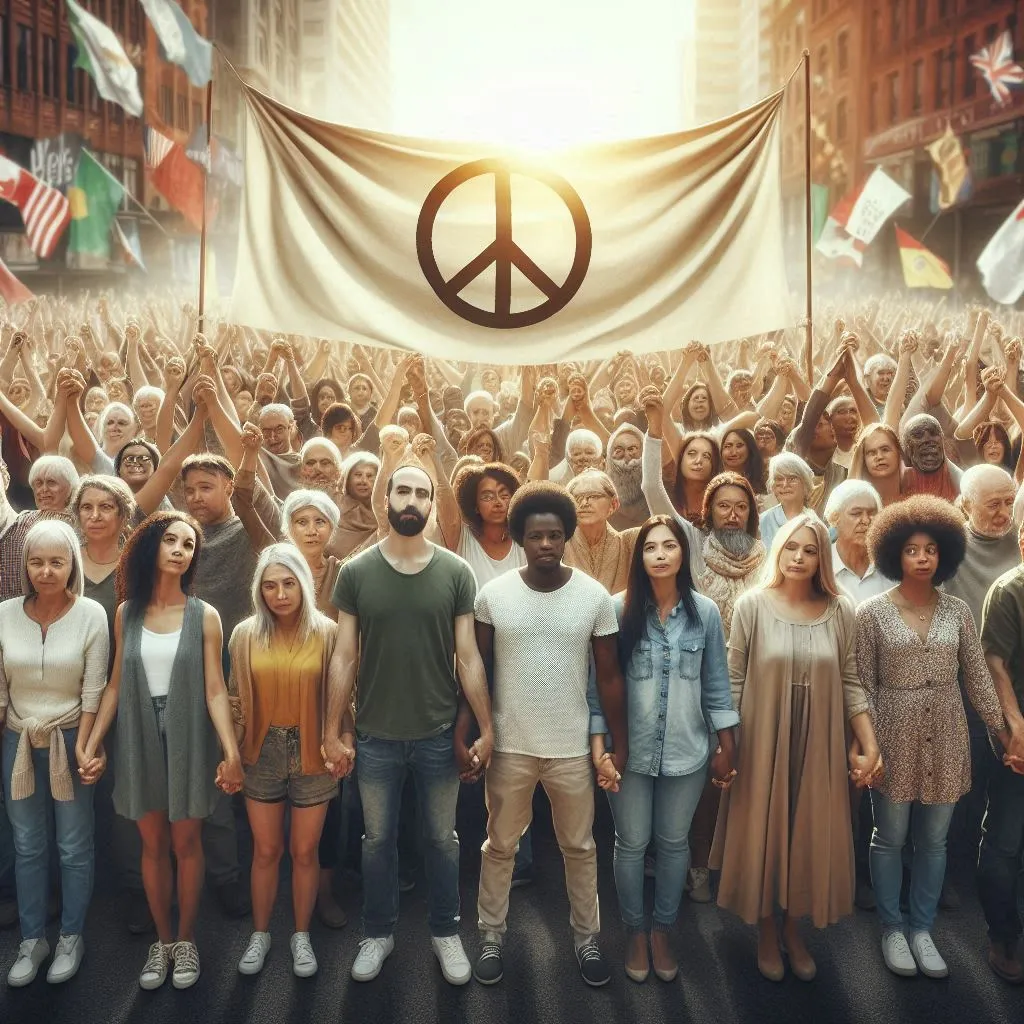
How well do you know the life, legacy, and achievements of Martin Luther King Jr.? These MLK Trivia Questions and Answers (2026) explore important moments from his life, his role in the Civil Rights Movement, his famous speeches, major accomplishments, and the lasting impact of his work.
Whether you’re a history enthusiast, a student, or simply interested in learning more about one of America’s most influential leaders, this trivia collection offers an engaging way to test and expand your knowledge.
Martin Luther King Questions for Students
1. When was Martin Luther King Jr. born?
A. January 15, 1929
B. January 20, 1930
C. February 15, 1928
D. March 4, 1929
Answer: A. January 15, 1929
Explanation: Martin Luther King Jr. was born on January 15, 1929, in Atlanta, Georgia.
Key Information: His birthday is commemorated in the United States with Martin Luther King Jr. Day.
2. Where was Martin Luther King Jr. born?
A. Birmingham, Alabama
B. Atlanta, Georgia
C. Memphis, Tennessee
D. Montgomery, Alabama
Answer: B. Atlanta, Georgia
Explanation: King was born in Atlanta, where he spent much of his early life.
Key Information: Atlanta remained an important place in King’s life and civil rights work.
3. What was Martin Luther King Jr.’s birth name?
A. Martin Michael King Jr.
B. Michael King Jr.
C. Marcus King Jr.
D. Michael Luther King Jr.
Answer: B. Michael King Jr.
Explanation: He was born Michael King Jr.; his name was later changed to Martin Luther King Jr.
Key Information: The change was made when he was a child, following his father’s trip to Germany.
4. What profession did Martin Luther King Jr. have?
A. Lawyer
B. Journalist
C. Baptist minister
D. Teacher
Answer: C. Baptist minister
Explanation: King was a Baptist minister who used his religious leadership to support the civil rights movement.
Key Information: He served as pastor at several Baptist churches during his career.
5. Which famous speech did Martin Luther King Jr. deliver in 1963?
A. Freedom and Justice
B. I Have a Dream
C. A New Beginning
D. The American Promise
Answer: B. I Have a Dream
Explanation: King delivered his famous “I Have a Dream” speech during the March on Washington in 1963.
Key Information: The speech became one of the most recognized moments of the American Civil Rights Movement.
6. Where did King deliver his famous 1963 speech?
A. U.S. Capitol
B. White House
C. Lincoln Memorial
D. Supreme Court
Answer: C. Lincoln Memorial
Explanation: King delivered the speech from the steps of the Lincoln Memorial in Washington, D.C.
Key Information: The speech took place during the March on Washington for Jobs and Freedom.
7. Which protest did King help lead after Rosa Parks was arrested?
A. Birmingham Campaign
B. Montgomery Bus Boycott
C. Selma Campaign
D. Albany Movement
Answer: B. Montgomery Bus Boycott
Explanation: The Montgomery Bus Boycott began in 1955 after Rosa Parks was arrested for refusing to give up her bus seat.
Key Information: King emerged as a prominent civil rights leader during the boycott.
8. Who was Martin Luther King Jr.’s wife?
A. Rosa Parks
B. Coretta Scott King
C. Ella Baker
D. Dorothy Height
Answer: B. Coretta Scott King
Explanation: Coretta Scott King married Martin Luther King Jr. in 1953 and became an important figure in the civil rights movement herself.
Key Information: She continued advocating for civil rights and peace after King’s death.
9. Which organization did King help establish in 1957?
A. NAACP
B. Southern Christian Leadership Conference
C. Congress of Racial Equality
D. Student Nonviolent Coordinating Committee
Answer: B. Southern Christian Leadership Conference
Explanation: King helped establish the Southern Christian Leadership Conference, commonly called the SCLC, in 1957.
Key Information: The organization promoted nonviolent action for civil rights.
10. What philosophy of protest did King strongly advocate?
A. Armed resistance
B. Nonviolent resistance
C. Political isolation
D. Economic competition
Answer: B. Nonviolent resistance
Explanation: King believed that peaceful protest and civil disobedience could challenge unjust laws and systems.
Key Information: His approach was influenced by Christian teachings and the work of Mahatma Gandhi.
11. Who strongly influenced King’s philosophy of nonviolence?
A. Abraham Lincoln
B. Mahatma Gandhi
C. Winston Churchill
D. Theodore Roosevelt
Answer: B. Mahatma Gandhi
Explanation: Gandhi’s philosophy of nonviolent resistance had a significant influence on King’s approach to civil rights activism.
Key Information: King studied Gandhi’s methods while developing his own approach to social change.
12. What major award did King receive in 1964?
A. Pulitzer Prize
B. Nobel Peace Prize
C. Presidential Medal of Freedom
D. Congressional Gold Medal
Answer: B. Nobel Peace Prize
Explanation: King received the Nobel Peace Prize in 1964 for his nonviolent struggle for civil rights.
Key Information: At age 35, he was the youngest recipient of the prize at that time.
13. What famous document did King write while imprisoned in Birmingham?
A. Letter from Birmingham Jail
B. Birmingham Declaration
C. Freedom Letter
D. Justice in America
Answer: A. Letter from Birmingham Jail
Explanation: King wrote “Letter from Birmingham Jail” in 1963 while responding to criticism of civil rights demonstrations.
Key Information: The letter became an influential statement about justice, civil disobedience, and racial equality.
14. Which city was central to King’s 1963 civil rights campaign that included major demonstrations?
A. Birmingham
B. Chicago
C. Atlanta
D. Richmond
Answer: A. Birmingham
Explanation: The Birmingham Campaign challenged racial segregation through organized nonviolent demonstrations.
Key Information: Images of police violence against protesters drew national and international attention.
15. Which 1965 voting-rights campaign is closely associated with Martin Luther King Jr.?
A. Selma to Montgomery marches
B. Freedom Summer
C. Montgomery Campaign
D. Atlanta Movement
Answer: A. Selma to Montgomery marches
Explanation: King and other civil rights activists participated in marches from Selma to Montgomery, Alabama, to demand voting rights.
Key Information: The campaign helped build support for the Voting Rights Act of 1965.
16. What federal law was passed in 1964 to prohibit discrimination in several areas of American life?
A. Voting Rights Act
B. Civil Rights Act
C. Fair Housing Act
D. Equal Pay Act
Answer: B. Civil Rights Act
Explanation: The Civil Rights Act of 1964 prohibited discrimination based on race, color, religion, sex, and national origin in several important areas.
Key Information: King’s activism helped build public support for major civil rights legislation.
17. What federal law strengthened voting protections in 1965?
A. Voting Rights Act
B. Civil Rights Act
C. Fair Housing Act
D. Social Security Act
Answer: A. Voting Rights Act
Explanation: The Voting Rights Act of 1965 was designed to protect the voting rights of African Americans and other citizens.
Key Information: The Selma campaign played an important role in creating momentum for the law.
18. In which city was Martin Luther King Jr. assassinated?
A. Atlanta
B. Birmingham
C. Memphis
D. Montgomery
Answer: C. Memphis
Explanation: King was assassinated in Memphis, Tennessee, on April 4, 1968.
Key Information: He had traveled to Memphis to support striking sanitation workers.
19. What campaign was King organizing shortly before his death?
A. Poor People’s Campaign
B. Freedom Summer
C. Albany Campaign
D. Birmingham Project
Answer: A. Poor People’s Campaign
Explanation: The Poor People’s Campaign sought to bring attention to poverty and economic inequality in the United States.
Key Information: King was working to unite poor people from different racial and ethnic backgrounds around economic justice.
20. What national holiday honors Martin Luther King Jr.?
A. Civil Rights Day
B. Freedom Day
C. Martin Luther King Jr. Day
D. Equality Day
Answer: C. Martin Luther King Jr. Day
Explanation: Martin Luther King Jr. Day honors King’s life, leadership, and contributions to civil rights.
Key Information: The holiday is observed on the third Monday of January each year.
Related: 125+ Fascinating Elderly Trivia Questions and Answers
Mlk Trivia Questions and Answers Printable
1. Which college did Martin Luther King Jr. attend as an undergraduate?
A. Morehouse College
B. Howard University
C. Yale University
D. Harvard University
Answer: A. Morehouse College
Explanation: King attended Morehouse College in Atlanta, Georgia, where he earned his bachelor’s degree.
Key Information: Morehouse was also attended by his father and grandfather.
2. What degree did Martin Luther King Jr. earn from Morehouse College?
A. Bachelor of Arts
B. Bachelor of Science
C. Bachelor of Theology
D. Bachelor of Laws
Answer: A. Bachelor of Arts
Explanation: King graduated from Morehouse College in 1948 with a Bachelor of Arts degree in sociology.
Key Information: His education at Morehouse helped shape his intellectual and religious development.
3. Which seminary did King attend in Pennsylvania?
A. Crozer Theological Seminary
B. Princeton Seminary
C. Union Theological Seminary
D. Wesley Seminary
Answer: A. Crozer Theological Seminary
Explanation: King studied at Crozer Theological Seminary in Chester, Pennsylvania, where he earned a Bachelor of Divinity degree.
Key Information: During this period, he studied theology and ideas about social reform.
4. Where did Martin Luther King Jr. earn his doctorate?
A. Boston University
B. Harvard University
C. Yale University
D. Columbia University
Answer: A. Boston University
Explanation: King earned his Ph.D. in systematic theology from Boston University in 1955.
Key Information: His doctoral studies were an important part of his academic preparation for ministry.
5. What subject did King study for his doctorate?
A. History
B. Systematic Theology
C. Political Science
D. Sociology
Answer: B. Systematic Theology
Explanation: King’s doctoral work focused on systematic theology, the study of religious beliefs in an organized framework.
Key Information: His theological education strongly influenced his public leadership.
6. What was the name of the church where King became pastor in Montgomery?
A. Dexter Avenue Baptist Church
B. Ebenezer Baptist Church
C. First Baptist Church
D. Riverside Baptist Church
Answer: A. Dexter Avenue Baptist Church
Explanation: King became pastor of Dexter Avenue Baptist Church in Montgomery, Alabama, in 1954.
Key Information: The church became closely connected with his early civil rights leadership.
7. Which church in Atlanta did King later co-pastor with his father?
A. Ebenezer Baptist Church
B. Dexter Avenue Baptist Church
C. Mount Zion Baptist Church
D. Friendship Baptist Church
Answer: A. Ebenezer Baptist Church
Explanation: King served as co-pastor of Ebenezer Baptist Church with his father, Martin Luther King Sr.
Key Information: The church remained an important part of the King family’s history.
8. What was Martin Luther King Sr.’s nickname?
A. Big Mike
B. Daddy King
C. Reverend King
D. Senior King
Answer: B. Daddy King
Explanation: Martin Luther King Sr., King’s father, was affectionately known as Daddy King.
Key Information: He was also a prominent Baptist minister in Atlanta.
9. What was the name of King’s father?
A. Martin Luther King Sr.
B. James King Sr.
C. Michael King Sr.
D. Albert King Sr.
Answer: A. Martin Luther King Sr.
Explanation: Martin Luther King Sr. was a Baptist minister and an important influence on his son’s life.
Key Information: Both father and son served as pastors at Ebenezer Baptist Church.
10. Which civil rights leader was Rosa Parks working with during the Montgomery Bus Boycott?
A. Martin Luther King Jr.
B. Malcolm X
C. Thurgood Marshall
D. Bayard Rustin
Answer: A. Martin Luther King Jr.
Explanation: King became the leading spokesperson for the Montgomery Bus Boycott after local activists organized the protest.
Key Information: Rosa Parks’ arrest helped trigger the boycott in December 1955.
11. How long did the Montgomery Bus Boycott last?
A. 181 days
B. 381 days
C. 481 days
D. 581 days
Answer: B. 381 days
Explanation: The Montgomery Bus Boycott lasted for 381 days before the city’s segregated bus system was legally challenged successfully.
Key Information: The boycott demonstrated the effectiveness of organized nonviolent protest.
12. Which Supreme Court decision helped end segregation on Montgomery buses?
A. Brown v. Board of Education
B. Browder v. Gayle
C. Plessy v. Ferguson
D. Loving v. Virginia
Answer: B. Browder v. Gayle
Explanation: Browder v. Gayle resulted in a ruling that segregation on Alabama public buses was unconstitutional.
Key Information: The decision helped bring the Montgomery Bus Boycott to an end.
13. Which organization was founded in 1909 and became a major civil rights organization?
A. NAACP
B. SCLC
C. SNCC
D. CORE
Answer: A. NAACP
Explanation: The National Association for the Advancement of Colored People was founded in 1909 to fight racial discrimination and promote equal rights.
Key Information: The NAACP played a major role in legal challenges against segregation.
14. Which 1954 Supreme Court case declared segregated public schools unconstitutional?
A. Brown v. Board of Education
B. Browder v. Gayle
C. Plessy v. Ferguson
D. Shelby County v. Holder
Answer: A. Brown v. Board of Education
Explanation: Brown v. Board of Education ruled that racial segregation in public schools violated the U.S. Constitution.
Key Information: The decision became a landmark victory in the civil rights movement.
15. Which march took place in Washington, D.C., in August 1963?
A. March on Washington for Jobs and Freedom
B. March for Voting Rights
C. Freedom March
D. March for Equality
Answer: A. March on Washington for Jobs and Freedom
Explanation: The March on Washington brought together civil rights, labor, and religious groups demanding jobs, freedom, and equality.
Key Information: King delivered his famous “I Have a Dream” speech at the event.
16. Approximately how many people participated in the 1963 March on Washington?
A. 25,000
B. 100,000
C. 250,000
D. 500,000
Answer: C. 250,000
Explanation: Roughly 250,000 people gathered in Washington, D.C., for the historic march.
Key Information: It became one of the largest civil rights demonstrations of its era.
17. Which civil rights leader was known for the phrase “Black Power”?
A. Stokely Carmichael
B. Martin Luther King Jr.
C. Roy Wilkins
D. Bayard Rustin
Answer: A. Stokely Carmichael
Explanation: Stokely Carmichael became closely associated with the Black Power movement during the 1960s.
Key Information: His approach differed from King’s emphasis on nonviolent integration.
18. Which city hosted the 1965 Selma voting-rights marches?
A. Selma, Alabama
B. Jackson, Mississippi
C. Birmingham, Alabama
D. Atlanta, Georgia
Answer: A. Selma, Alabama
Explanation: Selma became a major center of the voting-rights struggle in 1965.
Key Information: The marches from Selma to Montgomery helped draw national attention to voting discrimination.
19. What nickname was given to the first Selma march because of the violence against protesters?
A. Bloody Sunday
B. Black Sunday
C. Freedom Sunday
D. Justice Sunday
Answer: A. Bloody Sunday
Explanation: On March 7, 1965, peaceful marchers were attacked by law enforcement on the Edmund Pettus Bridge.
Key Information: The event increased national support for federal voting-rights legislation.
20. What was the main focus of King’s final campaign?
A. Economic justice and poverty
B. Foreign policy
C. Education reform
D. Environmental protection
Answer: A. Economic justice and poverty
Explanation: King’s Poor People’s Campaign sought greater economic opportunity and support for Americans living in poverty.
Key Information: The campaign reflected King’s growing focus on economic inequality as well as racial justice.
Recommended: 151+ African American Trivia Questions and Answers
Martin Luther King Questions Worksheet
1. Which university awarded Martin Luther King Jr. his Ph.D.?
A. Boston University
B. Morehouse College
C. Harvard University
D. Yale University
Answer: A. Boston University
Explanation: King earned his doctorate in systematic theology from Boston University in 1955.
Key Information: His doctoral studies helped shape his understanding of theology, ethics, and social responsibility.
2. What was the name of Martin Luther King Jr.’s doctoral dissertation topic?
A. The Influence of Christianity on Social Reform
B. A Comparison of the Conceptions of God in the Thinking of Paul Tillich and Henry Nelson Wieman
C. The Philosophy of Nonviolent Resistance
D. Religion and American Democracy
Answer: B. A Comparison of the Conceptions of God in the Thinking of Paul Tillich and Henry Nelson Wieman
Explanation: King’s dissertation examined differing theological ideas about the nature and concept of God.
Key Information: The dissertation was completed at Boston University in 1955.
3. Which city did King move to after accepting his first pastorate?
A. Montgomery
B. Atlanta
C. Birmingham
D. Memphis
Answer: A. Montgomery
Explanation: King moved to Montgomery, Alabama, in 1954 to become pastor of Dexter Avenue Baptist Church.
Key Information: His time in Montgomery launched him into national civil rights leadership.
4. What was the name of the organization that organized the Montgomery Bus Boycott?
A. Montgomery Improvement Association
B. Southern Christian Leadership Conference
C. National Baptist Convention
D. Alabama Civil Rights Council
Answer: A. Montgomery Improvement Association
Explanation: The Montgomery Improvement Association, or MIA, coordinated the boycott and selected King as its president.
Key Information: The organization was established shortly after Rosa Parks’ arrest.
5. Who served as King’s adviser and close colleague during the Montgomery Bus Boycott?
A. Ralph Abernathy
B. Malcolm X
C. Thurgood Marshall
D. James Meredith
Answer: A. Ralph Abernathy
Explanation: Ralph Abernathy was one of King’s closest colleagues and later helped lead the SCLC.
Key Information: Abernathy became a major civil rights leader in his own right.
6. Which civil rights leader became King’s successor as president of the SCLC?
A. Ralph Abernathy
B. Andrew Young
C. Jesse Jackson
D. John Lewis
Answer: A. Ralph Abernathy
Explanation: Ralph Abernathy succeeded King as president of the Southern Christian Leadership Conference after King’s death.
Key Information: The two leaders had worked closely together for many years.
7. What does SCLC stand for?
A. Southern Christian Leadership Conference
B. Southern Civil Liberties Council
C. Social Christian Leadership Committee
D. Southern Community Law Center
Answer: A. Southern Christian Leadership Conference
Explanation: SCLC stands for Southern Christian Leadership Conference, a major organization in the civil rights movement.
Key Information: King served as its first president.
8. Which civil rights organization was primarily composed of college students?
A. Student Nonviolent Coordinating Committee
B. Southern Christian Leadership Conference
C. NAACP
D. National Urban League
Answer: A. Student Nonviolent Coordinating Committee
Explanation: The Student Nonviolent Coordinating Committee, or SNCC, was formed by young activists who organized protests and voter-registration campaigns.
Key Information: SNCC became especially active throughout the American South.
9. Which form of protest involved refusing to use segregated facilities?
A. Sit-in
B. Boycott
C. March
D. Strike
Answer: A. Sit-in
Explanation: Sit-ins were peaceful demonstrations in which protesters occupied segregated public spaces and refused to leave.
Key Information: Student activists used sit-ins extensively during the civil rights movement.
10. Which city became famous for the 1960 lunch-counter sit-ins?
A. Greensboro
B. Memphis
C. Montgomery
D. Selma
Answer: A. Greensboro
Explanation: Four Black college students began a famous sit-in at a Woolworth lunch counter in Greensboro, North Carolina, in 1960.
Key Information: The protest inspired similar demonstrations across the country.
11. What was the main goal of the Freedom Rides?
A. Challenge segregation in interstate transportation
B. End school segregation
C. Register voters in Atlanta
D. Protest housing prices
Answer: A. Challenge segregation in interstate transportation
Explanation: Freedom Riders traveled together on interstate buses to challenge segregation in transportation facilities.
Key Information: The rides faced violence and arrests but helped force federal action.
12. Which group organized many of the Freedom Rides?
A. Congress of Racial Equality
B. Southern Christian Leadership Conference
C. NAACP
D. National Urban League
Answer: A. Congress of Racial Equality
Explanation: The Congress of Racial Equality, known as CORE, organized the first major Freedom Ride in 1961.
Key Information: CORE promoted nonviolent direct action against racial segregation.
13. Which city was the site of King’s famous “I Have a Dream” speech?
A. Washington, D.C.
B. Atlanta
C. Montgomery
D. Birmingham
Answer: A. Washington, D.C.
Explanation: King delivered the speech in Washington, D.C., during the March on Washington in 1963.
Key Information: The speech was delivered from the Lincoln Memorial.
14. What major issue did the March on Washington emphasize?
A. Jobs and civil rights
B. Foreign policy
C. Tax reform
D. Immigration
Answer: A. Jobs and civil rights
Explanation: The official name of the event was the March on Washington for Jobs and Freedom.
Key Information: Economic opportunity and racial equality were both major demands.
15. Which president signed the Civil Rights Act of 1964?
A. Lyndon B. Johnson
B. John F. Kennedy
C. Dwight D. Eisenhower
D. Harry Truman
Answer: A. Lyndon B. Johnson
Explanation: President Lyndon B. Johnson signed the Civil Rights Act into law on July 2, 1964.
Key Information: The law prohibited discrimination in several areas of American public life.
16. Which president signed the Voting Rights Act of 1965?
A. Lyndon B. Johnson
B. John F. Kennedy
C. Richard Nixon
D. Dwight Eisenhower
Answer: A. Lyndon B. Johnson
Explanation: Johnson signed the Voting Rights Act on August 6, 1965.
Key Information: The law aimed to remove barriers that prevented many African Americans from voting.
17. Which award did King receive from the American Academy of Achievement in 1964?
A. Golden Plate Award
B. Freedom Medal
C. American Justice Award
D. Presidential Leadership Award
Answer: A. Golden Plate Award
Explanation: King received the Golden Plate Award from the American Academy of Achievement in 1964.
Key Information: The award recognized his leadership and achievements in civil rights.
18. How old was Martin Luther King Jr. when he was assassinated?
A. 35
B. 39
C. 42
D. 45
Answer: B. 39
Explanation: King was 39 years old when he was assassinated on April 4, 1968.
Key Information: He was born in 1929 and died in 1968.
19. What was Martin Luther King Jr.’s final public speech?
A. I’ve Been to the Mountaintop
B. The American Dream
C. Freedom Is Coming
D. Our Final Journey
Answer: A. I’ve Been to the Mountaintop
Explanation: King delivered “I’ve Been to the Mountaintop” in Memphis, Tennessee, on April 3, 1968.
Key Information: The speech was delivered the day before his assassination.
20. Why had King traveled to Memphis shortly before his death?
A. To support sanitation workers
B. To attend a university ceremony
C. To give a political speech
D. To visit his family
Answer: A. To support sanitation workers
Explanation: King traveled to Memphis to support African American sanitation workers who were striking for better working conditions and recognition.
Key Information: Their campaign became part of King’s broader focus on economic justice.
Questions to Ask Martin Luther King Jr if He Was Still Alive
1. What was the main purpose of the Montgomery Improvement Association?
A. To organize the Montgomery Bus Boycott
B. To establish new churches
C. To create public schools
D. To organize military training
Answer: A. To organize the Montgomery Bus Boycott
Explanation: The Montgomery Improvement Association coordinated the boycott and worked to challenge racial segregation on city buses.
Key Information: Martin Luther King Jr. served as the organization’s first president.
2. Which woman became famous for refusing to give up her bus seat in Montgomery?
A. Rosa Parks
B. Ella Baker
C. Dorothy Height
D. Diane Nash
Answer: A. Rosa Parks
Explanation: Rosa Parks was arrested in December 1955 after refusing to surrender her seat to a white passenger.
Key Information: Her arrest helped spark the Montgomery Bus Boycott.
3. In which year did the Montgomery Bus Boycott begin?
A. 1953
B. 1955
C. 1957
D. 1960
Answer: B. 1955
Explanation: The Montgomery Bus Boycott began in December 1955 following Rosa Parks’ arrest.
Key Information: The boycott lasted for more than a year.
4. What major principle guided King’s civil rights campaigns?
A. Violent revolution
B. Nonviolent direct action
C. Political isolation
D. Armed resistance
Answer: B. Nonviolent direct action
Explanation: King believed peaceful protests, boycotts, marches, and civil disobedience could challenge injustice.
Key Information: Nonviolence became a defining feature of his leadership.
5. Which ancient Christian teaching strongly influenced King’s commitment to love and forgiveness?
A. Love your enemies
B. Wealth creates justice
C. Power comes from conquest
D. Silence prevents conflict
Answer: A. Love your enemies
Explanation: King’s Christian faith emphasized love, forgiveness, and reconciliation even when confronting injustice.
Key Information: Religious teachings were central to King’s philosophy of nonviolence.
6. Which book by Henry David Thoreau influenced King’s thinking about civil disobedience?
A. Walden
B. Civil Disobedience
C. The Scarlet Letter
D. Democracy in America
Answer: B. Civil Disobedience
Explanation: Thoreau’s essay argued that individuals should not cooperate with unjust government policies.
Key Information: King studied ideas about civil disobedience as part of his development as an activist.
7. Which Indian leader’s philosophy greatly influenced King’s approach to nonviolence?
A. Jawaharlal Nehru
B. Mahatma Gandhi
C. Subhas Chandra Bose
D. Rabindranath Tagore
Answer: B. Mahatma Gandhi
Explanation: Gandhi’s use of nonviolent resistance against injustice deeply influenced King.
Key Information: King and his associates studied Gandhi’s methods of peaceful protest.
8. Which organization awarded King the Nobel Peace Prize?
A. Nobel Committee
B. United Nations
C. U.S. Congress
D. World Council of Churches
Answer: A. Nobel Committee
Explanation: The Norwegian Nobel Committee awarded King the Nobel Peace Prize in 1964.
Key Information: King donated the prize money to organizations working for civil rights.
9. What did King do with the money from his Nobel Peace Prize?
A. Invested it in a business
B. Donated it to the civil rights movement
C. Used it to purchase a home
D. Saved it for retirement
Answer: B. Donated it to the civil rights movement
Explanation: King chose to give the prize money to support organizations and efforts advancing civil rights.
Key Information: His decision reflected his commitment to collective social change.
10. Which city was the center of the Birmingham Campaign?
A. Birmingham, Alabama
B. Memphis, Tennessee
C. Atlanta, Georgia
D. Jackson, Mississippi
Answer: A. Birmingham, Alabama
Explanation: The Birmingham Campaign of 1963 challenged racial segregation and discrimination in Birmingham.
Key Information: The campaign became a major turning point in the civil rights movement.
11. What nickname did Birmingham gain during the civil rights era?
A. Magic City
B. Bombingham
C. Freedom City
D. Steel City
Answer: B. Bombingham
Explanation: Birmingham was sometimes called “Bombingham” because of the frequent bombings associated with racial violence.
Key Information: The city became an important battleground for civil rights.
12. What happened to King during the Birmingham Campaign?
A. He was arrested
B. He became governor
C. He left the movement
D. He was elected mayor
Answer: A. He was arrested
Explanation: King was arrested during demonstrations in Birmingham and used his time in jail to write his famous letter defending civil disobedience.
Key Information: “Letter from Birmingham Jail” became an influential civil rights document.
13. Who was President of the United States during King’s assassination?
A. John F. Kennedy
B. Lyndon B. Johnson
C. Richard Nixon
D. Harry Truman
Answer: B. Lyndon B. Johnson
Explanation: Lyndon B. Johnson was president when King was assassinated in April 1968.
Key Information: Johnson had signed major civil rights legislation during his presidency.
14. On what date was Martin Luther King Jr. assassinated?
A. January 15, 1968
B. April 4, 1968
C. August 28, 1968
D. December 1, 1968
Answer: B. April 4, 1968
Explanation: King was assassinated on April 4, 1968, in Memphis, Tennessee.
Key Information: He was staying at the Lorraine Motel when he was killed.
15. At which location was King staying when he was assassinated?
A. Lorraine Motel
B. Peabody Hotel
C. Riverside Hotel
D. Memphis Inn
Answer: A. Lorraine Motel
Explanation: King was staying at the Lorraine Motel in Memphis during his visit to support sanitation workers.
Key Information: The site is now part of the National Civil Rights Museum.
16. What museum now occupies the historic Lorraine Motel site?
A. National Civil Rights Museum
B. American History Museum
C. Freedom Heritage Museum
D. Southern History Museum
Answer: A. National Civil Rights Museum
Explanation: The National Civil Rights Museum preserves the Lorraine Motel and tells the history of the American civil rights movement.
Key Information: The museum is located in Memphis, Tennessee.
17. Who was James Earl Ray?
A. A civil rights organizer
B. The man convicted of King’s assassination
C. A Supreme Court justice
D. A Baptist minister
Answer: B. The man convicted of King’s assassination
Explanation: James Earl Ray pleaded guilty to King’s assassination in 1969 and was sentenced to prison.
Key Information: Ray later recanted his guilty plea and maintained his innocence.
18. Which family member of King became a prominent civil rights activist after his death?
A. Coretta Scott King
B. Martin Luther King III
C. Both A and B
D. Neither A nor B
Answer: C. Both A and B
Explanation: Coretta Scott King continued her husband’s work, while Martin Luther King III later became involved in civil and human rights advocacy.
Key Information: The King family continued to play an important role in promoting equality.
19. In which month is Martin Luther King Jr. Day observed?
A. January
B. February
C. March
D. April
Answer: A. January
Explanation: Martin Luther King Jr. Day is observed in January, near King’s January 15 birthday.
Key Information: The holiday is observed on the third Monday of January.
20. When was Martin Luther King Jr. Day first observed as a federal holiday?
A. 1975
B. 1980
C. 1986
D. 1990
Answer: C. 1986
Explanation: Martin Luther King Jr. Day was first observed as a federal holiday on January 20, 1986.
Key Information: The holiday honors King’s contributions to civil rights, equality, and nonviolent social change.
Best Mlk Trivia Questions and Answers
1. Which historic church was Martin Luther King Jr. associated with in Atlanta?
A. Ebenezer Baptist Church
B. Dexter Avenue Baptist Church
C. First Baptist Church
D. Riverside Baptist Church
Answer: A. Ebenezer Baptist Church
Explanation: King served as co-pastor of Ebenezer Baptist Church in Atlanta alongside his father.
Key Information: The church became an important landmark in King’s life and legacy.
2. What was the name of King’s mother?
A. Alberta Williams King
B. Coretta Williams King
C. Willie Mae King
D. Christine King
Answer: A. Alberta Williams King
Explanation: Alberta Williams King was Martin Luther King Jr.’s mother and was deeply involved in church life and music.
Key Information: She was the daughter of Reverend Adam Daniel Williams, who had previously served as pastor of Ebenezer Baptist Church.
3. What was Martin Luther King Jr.’s middle name?
A. Luther
B. Michael
C. Daniel
D. James
Answer: A. Luther
Explanation: His full name became Martin Luther King Jr. after his name was changed during his childhood.
Key Information: The name honored the famous Protestant reformer Martin Luther.
4. Which city did King visit in 1959 to study nonviolent resistance?
A. New Delhi
B. Mumbai
C. Kolkata
D. Chennai
Answer: A. New Delhi
Explanation: King traveled to India in 1959 and studied the legacy of Mahatma Gandhi’s nonviolent movement.
Key Information: The trip strengthened his understanding of nonviolent social change.
5. Who accompanied Martin Luther King Jr. on his 1959 trip to India?
A. Coretta Scott King
B. Ralph Abernathy
C. Andrew Young
D. Bayard Rustin
Answer: A. Coretta Scott King
Explanation: Coretta Scott King accompanied her husband during their important visit to India.
Key Information: King described the trip as deeply influential to his understanding of nonviolent resistance.
6. Which civil rights leader worked closely with King during the March on Washington?
A. Bayard Rustin
B. George Wallace
C. Strom Thurmond
D. J. Edgar Hoover
Answer: A. Bayard Rustin
Explanation: Bayard Rustin was a key organizer of the 1963 March on Washington for Jobs and Freedom.
Key Information: Rustin was an important strategist and organizer within the civil rights movement.
7. Which activist helped organize the Montgomery Bus Boycott alongside King?
A. Jo Ann Robinson
B. Harriet Tubman
C. Fannie Lou Hamer
D. Shirley Chisholm
Answer: A. Jo Ann Robinson
Explanation: Jo Ann Robinson was a key organizer who helped distribute leaflets calling for the Montgomery Bus Boycott.
Key Information: She was a member of the Women’s Political Council in Montgomery.
8. Which group played an important role in organizing the Montgomery Bus Boycott?
A. Women’s Political Council
B. Freedom Riders Council
C. Southern Workers League
D. Alabama Education Society
Answer: A. Women’s Political Council
Explanation: The Women’s Political Council helped prepare and distribute materials supporting the boycott.
Key Information: Women activists were crucial to organizing and sustaining the Montgomery protest.
9. What type of transportation was targeted by the Montgomery Bus Boycott?
A. City buses
B. Trains
C. Streetcars
D. Taxis
Answer: A. City buses
Explanation: Black residents of Montgomery stopped using city buses to protest racial segregation and unfair treatment.
Key Information: The boycott lasted 381 days.
10. Which landmark Supreme Court case preceded King’s major civil rights campaigns by challenging school segregation?
A. Brown v. Board of Education
B. Roe v. Wade
C. Miranda v. Arizona
D. Gideon v. Wainwright
Answer: A. Brown v. Board of Education
Explanation: The 1954 Brown decision declared racial segregation in public schools unconstitutional.
Key Information: It overturned the legal principle that segregated schools could be considered equal.
11. Which Alabama governor strongly opposed the civil rights movement during King’s era?
A. George Wallace
B. George Romney
C. Nelson Rockefeller
D. Earl Warren
Answer: A. George Wallace
Explanation: Alabama Governor George Wallace became nationally known for opposing desegregation and civil rights reforms.
Key Information: His opposition made Alabama a major battleground in the civil rights struggle.
12. What phrase was associated with George Wallace’s opposition to desegregation?
A. “Segregation now, segregation tomorrow, segregation forever”
B. “Freedom for everyone”
C. “Justice before politics”
D. “Equality through education”
Answer: A. “Segregation now, segregation tomorrow, segregation forever”
Explanation: Wallace used this phrase in his 1963 inaugural address while defending segregation.
Key Information: The statement became a symbol of resistance to the civil rights movement.
13. Which Alabama city became a major center of the civil rights movement alongside Montgomery?
A. Birmingham
B. Mobile
C. Huntsville
D. Tuscaloosa
Answer: A. Birmingham
Explanation: Birmingham became a major site of demonstrations against racial segregation during King’s leadership.
Key Information: The 1963 Birmingham Campaign attracted worldwide attention.
14. Which church in Birmingham was bombed in 1963, killing four girls?
A. 16th Street Baptist Church
B. Dexter Avenue Baptist Church
C. Ebenezer Baptist Church
D. Brown Chapel
Answer: A. 16th Street Baptist Church
Explanation: The 16th Street Baptist Church bombing killed four young girls and shocked the nation.
Key Information: The tragedy became a powerful symbol of the violence faced by civil rights activists.
15. Which four girls were killed in the 16th Street Baptist Church bombing?
A. Addie Mae Collins, Denise McNair, Carole Robertson, and Cynthia Wesley
B. Rosa Parks, Diane Nash, Ella Baker, and Fannie Lou Hamer
C. Coretta King, Alberta King, Jo Ann Robinson, and Dorothy Height
D. Ruby Bridges, Claudette Colvin, Mamie Till, and Linda Brown
Answer: A. Addie Mae Collins, Denise McNair, Carole Robertson, and Cynthia Wesley
Explanation: These four girls were killed in the bombing on September 15, 1963.
Key Information: Their deaths became an enduring part of the history of the civil rights movement.
16. Which major civil rights law was signed shortly after King’s 1963 Washington speech?
A. Civil Rights Act of 1964
B. Voting Rights Act of 1965
C. Fair Housing Act of 1968
D. National Labor Relations Act
Answer: A. Civil Rights Act of 1964
Explanation: The Civil Rights Act of 1964 became law less than a year after the March on Washington.
Key Information: The law prohibited discrimination in several areas and strengthened federal civil rights protections.
17. Which law was signed in 1968 shortly after King’s assassination?
A. Fair Housing Act
B. Voting Rights Act
C. Civil Rights Act of 1957
D. Social Security Act
Answer: A. Fair Housing Act
Explanation: The Fair Housing Act of 1968 prohibited discrimination in housing based on protected characteristics.
Key Information: President Lyndon B. Johnson signed the legislation on April 11, 1968, shortly after King’s death.
18. What was the main goal of the Fair Housing Act that King supported?
A. Prevent discrimination in housing
B. Create free universities
C. End military segregation
D. Increase voting age
Answer: A. Prevent discrimination in housing
Explanation: The Fair Housing Act was designed to prohibit discriminatory practices in the sale, rental, and financing of housing.
Key Information: Housing equality was an important part of the broader civil rights struggle.
19. Which speech did King deliver shortly before his death in Memphis?
A. I’ve Been to the Mountaintop
B. I Have a Dream
C. Beyond Vietnam
D. Give Us the Ballot
Answer: A. I’ve Been to the Mountaintop
Explanation: King delivered this powerful speech at Mason Temple in Memphis on April 3, 1968.
Key Information: It was his final major public speech.
20. At which Memphis church did King deliver his final speech?
A. Mason Temple
B. Ebenezer Baptist Church
C. Riverside Church
D. Dexter Avenue Baptist Church
Answer: A. Mason Temple
Explanation: King delivered “I’ve Been to the Mountaintop” at Mason Temple, the headquarters of the Church of God in Christ.
Key Information: Mason Temple remains an important historical site connected to King’s final days.
Tricky Mlk Trivia Questions and Answers
1. Which famous civil rights march did Martin Luther King Jr. lead in Selma in 1965?
A. Selma to Montgomery March
B. March on Washington
C. Birmingham Freedom March
D. Montgomery Justice March
Answer: A. Selma to Montgomery March
Explanation: King participated in the Selma to Montgomery marches to demand voting rights for African Americans.
Key Information: The marches helped build momentum for the Voting Rights Act of 1965.
2. What bridge became famous during the Selma voting-rights campaign?
A. Edmund Pettus Bridge
B. Lincoln Bridge
C. Freedom Bridge
D. Alabama River Bridge
Answer: A. Edmund Pettus Bridge
Explanation: Marchers crossed the Edmund Pettus Bridge during the 1965 Selma campaign.
Key Information: The bridge became an enduring symbol of the struggle for voting rights.
3. What happened on “Bloody Sunday” in Selma?
A. Peaceful marchers were attacked by law enforcement
B. A major election was held
C. King received an award
D. A new civil rights law was signed
Answer: A. Peaceful marchers were attacked by law enforcement
Explanation: On March 7, 1965, peaceful voting-rights marchers were attacked while crossing the Edmund Pettus Bridge.
Key Information: The violence received widespread national attention.
4. Which federal law followed the Selma voting-rights campaign?
A. Voting Rights Act of 1965
B. Civil Rights Act of 1957
C. Fair Housing Act
D. Social Security Act
Answer: A. Voting Rights Act of 1965
Explanation: The Voting Rights Act of 1965 strengthened federal protections against racial discrimination in voting.
Key Information: President Lyndon B. Johnson signed the law on August 6, 1965.
5. Which famous speech did King deliver in 1967 criticizing the Vietnam War?
A. Beyond Vietnam
B. The American Dream
C. Freedom Forever
D. Our Nation’s Future
Answer: A. Beyond Vietnam
Explanation: King delivered “Beyond Vietnam: A Time to Break Silence” at Riverside Church in New York City in 1967.
Key Information: The speech reflected King’s growing opposition to the Vietnam War.
6. Where did King deliver his “Beyond Vietnam” speech?
A. Riverside Church
B. Lincoln Memorial
C. Ebenezer Baptist Church
D. Mason Temple
Answer: A. Riverside Church
Explanation: King delivered the speech at Riverside Church in New York City on April 4, 1967.
Key Information: He spoke about war, poverty, and what he viewed as the moral responsibilities of the United States.
7. Which major social issue did King increasingly address toward the end of his life?
A. Poverty
B. Space exploration
C. Agricultural reform
D. Immigration
Answer: A. Poverty
Explanation: King increasingly focused on economic inequality and poverty alongside racial injustice.
Key Information: His Poor People’s Campaign sought economic opportunities for disadvantaged Americans.
8. What was the name of King’s 1968 economic justice campaign?
A. Poor People’s Campaign
B. People’s Freedom Campaign
C. Economic Equality Movement
D. National Justice Campaign
Answer: A. Poor People’s Campaign
Explanation: The Poor People’s Campaign sought to unite people from different backgrounds around economic justice.
Key Information: The campaign continued after King’s assassination.
9. What did the Poor People’s Campaign seek to highlight?
A. Economic inequality and poverty
B. Foreign trade
C. Military expansion
D. Environmental protection
Answer: A. Economic inequality and poverty
Explanation: The campaign focused on the needs of poor Americans and demanded greater economic security and opportunity.
Key Information: King viewed economic justice as closely connected to racial justice.
10. Which city did King visit in 1967 to speak against the Vietnam War?
A. New York City
B. Chicago
C. Los Angeles
D. Boston
Answer: A. New York City
Explanation: King delivered his “Beyond Vietnam” address at Riverside Church in New York City.
Key Information: His opposition to the war became increasingly prominent during the final year of his life.
11. Which organization did King lead when he opposed the Vietnam War?
A. Southern Christian Leadership Conference
B. NAACP
C. Congress of Racial Equality
D. Student Nonviolent Coordinating Committee
Answer: A. Southern Christian Leadership Conference
Explanation: King was the president of the SCLC, which promoted nonviolent civil rights activism.
Key Information: The organization also became involved in economic justice campaigns.
12. Which major city did King target for a campaign against racial segregation in 1966?
A. Chicago
B. Detroit
C. Cleveland
D. Philadelphia
Answer: A. Chicago
Explanation: The Chicago Freedom Movement focused on housing discrimination, poverty, and racial inequality.
Key Information: King and other activists organized marches and demonstrations in Chicago.
13. What issue was especially important during the Chicago Freedom Movement?
A. Housing discrimination
B. Voting age
C. Military recruitment
D. Foreign policy
Answer: A. Housing discrimination
Explanation: The movement challenged discriminatory housing practices and racial segregation in Chicago neighborhoods.
Key Information: King argued that civil rights protections should extend beyond the South.
14. Which organization did King establish to coordinate nonviolent civil rights campaigns?
A. Southern Christian Leadership Conference
B. National Urban League
C. Federal Civil Rights Committee
D. American Equality League
Answer: A. Southern Christian Leadership Conference
Explanation: King and other ministers helped establish the SCLC in 1957.
Key Information: The organization coordinated campaigns across the American South.
15. Who served as King’s close associate and fellow SCLC leader?
A. Ralph Abernathy
B. Malcolm X
C. Thurgood Marshall
D. Medgar Evers
Answer: A. Ralph Abernathy
Explanation: Ralph Abernathy worked closely with King for many years in the civil rights movement.
Key Information: Abernathy later succeeded King as SCLC president.
16. Which civil rights activist worked closely with King during the Selma campaign?
A. John Lewis
B. Malcolm X
C. Marcus Garvey
D. Booker T. Washington
Answer: A. John Lewis
Explanation: John Lewis was a major civil rights activist who participated in the Selma voting-rights campaign.
Key Information: Lewis was among those injured during the events of Bloody Sunday.
17. Which organization was John Lewis associated with during the civil rights movement?
A. Student Nonviolent Coordinating Committee
B. Southern Christian Leadership Conference
C. NAACP Legal Defense Fund
D. National Urban League
Answer: A. Student Nonviolent Coordinating Committee
Explanation: John Lewis served as chairman of SNCC during a crucial period of civil rights activism.
Key Information: He later became a long-serving member of the U.S. House of Representatives.
18. What did Martin Luther King Jr. advocate regarding unjust laws?
A. Peaceful civil disobedience
B. Violent rebellion
C. Political withdrawal
D. Military intervention
Answer: A. Peaceful civil disobedience
Explanation: King believed people could peacefully refuse to obey unjust laws while accepting legal consequences for their actions.
Key Information: His approach was rooted in moral responsibility and nonviolent resistance.
19. Which book contains many of King’s writings and speeches about civil rights?
A. Why We Can’t Wait
B. The Souls of Black Folk
C. Up from Slavery
D. The Autobiography of Malcolm X
Answer: A. Why We Can’t Wait
Explanation: “Why We Can’t Wait” is a collection of King’s writings about the civil rights movement, particularly the Birmingham Campaign.
Key Information: The book was published in 1964.
20. What major event is described extensively in “Why We Can’t Wait”?
A. Birmingham Campaign
B. Montgomery Bus Boycott
C. Selma March
D. Chicago Freedom Movement
Answer: A. Birmingham Campaign
Explanation: King’s book examines the Birmingham Campaign and the broader struggle for racial equality.
Key Information: It was published during a pivotal period in the American Civil Rights Movement.
Easy Mlk Trivia Questions and Answers
1. Which book by Martin Luther King Jr. was published in 1967?
A. Where Do We Go from Here: Chaos or Community?
B. Why We Can’t Wait
C. Stride Toward Freedom
D. Strength to Love
Answer: A. Where Do We Go from Here: Chaos or Community?
Explanation: King published this book in 1967, examining racial inequality, poverty, economic justice, and the future of America.
Key Information: It was one of his final major books.
2. What was the title of King’s 1958 book about the Montgomery Bus Boycott?
A. Stride Toward Freedom
B. Why We Can’t Wait
C. Strength to Love
D. The Measure of a Man
Answer: A. Stride Toward Freedom
Explanation: King described the Montgomery Bus Boycott and the principles of nonviolent resistance in this book.
Key Information: The book was published in 1958.
3. Which collection of King’s sermons was published in 1963?
A. Strength to Love
B. Chaos or Community
C. Stride Toward Freedom
D. The American Dream
Answer: A. Strength to Love
Explanation: “Strength to Love” is a collection of King’s sermons emphasizing faith, love, justice, and nonviolence.
Key Information: It became one of his best-known collections of religious writings.
4. Which book contains King’s reflections on his philosophy of nonviolence?
A. Stride Toward Freedom
B. The Souls of Black Folk
C. Up from Slavery
D. Black Boy
Answer: A. Stride Toward Freedom
Explanation: King discusses the Montgomery Bus Boycott and explains how nonviolent resistance influenced the movement.
Key Information: The book provides a first-person account of King’s early civil rights leadership.
5. What was the name of King’s final book?
A. Where Do We Go from Here: Chaos or Community?
B. Stride Toward Freedom
C. Strength to Love
D. Why We Can’t Wait
Answer: A. Where Do We Go from Here: Chaos or Community?
Explanation: Published in 1967, this book explored the challenges facing America after major civil rights victories.
Key Information: King discussed poverty, racial inequality, economic justice, and community.
6. Which historic location became the headquarters of the Southern Christian Leadership Conference?
A. Atlanta, Georgia
B. Montgomery, Alabama
C. Memphis, Tennessee
D. Birmingham, Alabama
Answer: A. Atlanta, Georgia
Explanation: The SCLC was headquartered in Atlanta, where King and other leaders coordinated civil rights campaigns.
Key Information: Atlanta was also King’s hometown and the location of Ebenezer Baptist Church.
7. What type of organization was the Southern Christian Leadership Conference?
A. Civil rights organization
B. Political party
C. Labor union
D. Military organization
Answer: A. Civil rights organization
Explanation: The SCLC was established to coordinate nonviolent campaigns for racial equality and civil rights.
Key Information: Many of its leaders were Black ministers.
8. Which famous civil rights activist was assassinated in 1963 in Mississippi?
A. Medgar Evers
B. Bayard Rustin
C. Ralph Abernathy
D. Andrew Young
Answer: A. Medgar Evers
Explanation: Medgar Evers was a civil rights leader and NAACP field secretary who was assassinated in Jackson, Mississippi, in 1963.
Key Information: His murder increased national attention to the dangers faced by civil rights activists.
9. Which organization employed Medgar Evers as a field secretary?
A. NAACP
B. SCLC
C. SNCC
D. CORE
Answer: A. NAACP
Explanation: Evers worked for the NAACP, organizing voter registration and challenging racial segregation in Mississippi.
Key Information: He became one of the most prominent civil rights activists in the state.
10. Which civil rights leader was known for organizing voter-registration drives in Mississippi?
A. Fannie Lou Hamer
B. Coretta Scott King
C. Jo Ann Robinson
D. Dorothy Height
Answer: A. Fannie Lou Hamer
Explanation: Fannie Lou Hamer was a major voting-rights activist who worked to increase Black political participation in Mississippi.
Key Information: She helped establish the Mississippi Freedom Democratic Party.
11. What major issue did King and other activists challenge through voter-registration campaigns?
A. Discrimination against Black voters
B. High college tuition
C. Foreign immigration
D. Military recruitment
Answer: A. Discrimination against Black voters
Explanation: Activists challenged literacy tests, intimidation, poll taxes, and other barriers that prevented many Black citizens from voting.
Key Information: Voting rights became one of the central goals of the civil rights movement.
12. Which amendment to the U.S. Constitution abolished slavery?
A. 13th Amendment
B. 14th Amendment
C. 15th Amendment
D. 19th Amendment
Answer: A. 13th Amendment
Explanation: The 13th Amendment abolished slavery in the United States after the Civil War.
Key Information: Later civil rights struggles focused on securing the equal rights promised by subsequent amendments.
13. Which constitutional amendment guaranteed equal protection under the law?
A. 14th Amendment
B. 13th Amendment
C. 15th Amendment
D. 16th Amendment
Answer: A. 14th Amendment
Explanation: The 14th Amendment established citizenship and guaranteed equal protection under the law.
Key Information: It became an important constitutional foundation for civil rights litigation.
14. Which constitutional amendment protected voting rights regardless of race?
A. 15th Amendment
B. 13th Amendment
C. 14th Amendment
D. 19th Amendment
Answer: A. 15th Amendment
Explanation: The 15th Amendment prohibited denying the right to vote based on race, color, or previous condition of servitude.
Key Information: Civil rights activists later worked to ensure these protections were actually enforced.
15. Which U.S. president appointed Thurgood Marshall as the first Black Supreme Court justice?
A. Lyndon B. Johnson
B. John F. Kennedy
C. Richard Nixon
D. Harry Truman
Answer: A. Lyndon B. Johnson
Explanation: President Lyndon B. Johnson nominated Thurgood Marshall to the Supreme Court in 1967.
Key Information: Marshall had previously served as the NAACP’s leading attorney in major civil rights cases.
16. What was King’s primary goal during the civil rights movement?
A. Racial equality and justice
B. Political office
C. Military expansion
D. Economic isolation
Answer: A. Racial equality and justice
Explanation: King worked to end racial segregation and discrimination while promoting equal rights and opportunities.
Key Information: His activism connected racial justice with economic and social equality.
17. Which phrase best describes King’s approach to racial injustice?
A. Nonviolent resistance
B. Armed conflict
C. Political withdrawal
D. Economic isolation
Answer: A. Nonviolent resistance
Explanation: King consistently promoted peaceful demonstrations, boycotts, marches, and civil disobedience.
Key Information: His approach was influenced by Christian teachings and Gandhi’s philosophy.
18. What did King believe protesters should do when confronted with violence?
A. Maintain nonviolence
B. Respond with greater violence
C. Abandon the movement
D. Seek military support
Answer: A. Maintain nonviolence
Explanation: King urged activists to remain committed to peaceful resistance even when faced with hostility or violence.
Key Information: He believed nonviolence could expose injustice while avoiding cycles of retaliation.
19. Which phrase became closely associated with King’s vision of racial equality?
A. “I Have a Dream”
B. “Four Freedoms”
C. “New Deal”
D. “New Frontier”
Answer: A. “I Have a Dream”
Explanation: The phrase comes from King’s landmark 1963 speech at the March on Washington.
Key Information: The speech expressed his hope for a future based on racial equality and freedom.
20. What does Martin Luther King Jr.’s legacy primarily represent?
A. Civil rights and nonviolent social change
B. Military leadership
C. Economic expansion
D. Political party leadership
Answer: A. Civil rights and nonviolent social change
Explanation: King’s legacy is closely associated with the struggle for racial equality, justice, voting rights, and peaceful social change.
Key Information: His life and work continue to be studied as a major part of American history.
conclusion
Martin Luther King Jr.’s life and work left a lasting mark on American history and the continuing pursuit of equality and justice.
These MLK Trivia Questions and Answers provide an informative and engaging way to revisit important events, achievements, and milestones connected to his legacy.
Challenge yourself, share these questions with others, and discover how much you know about this remarkable chapter of history.