
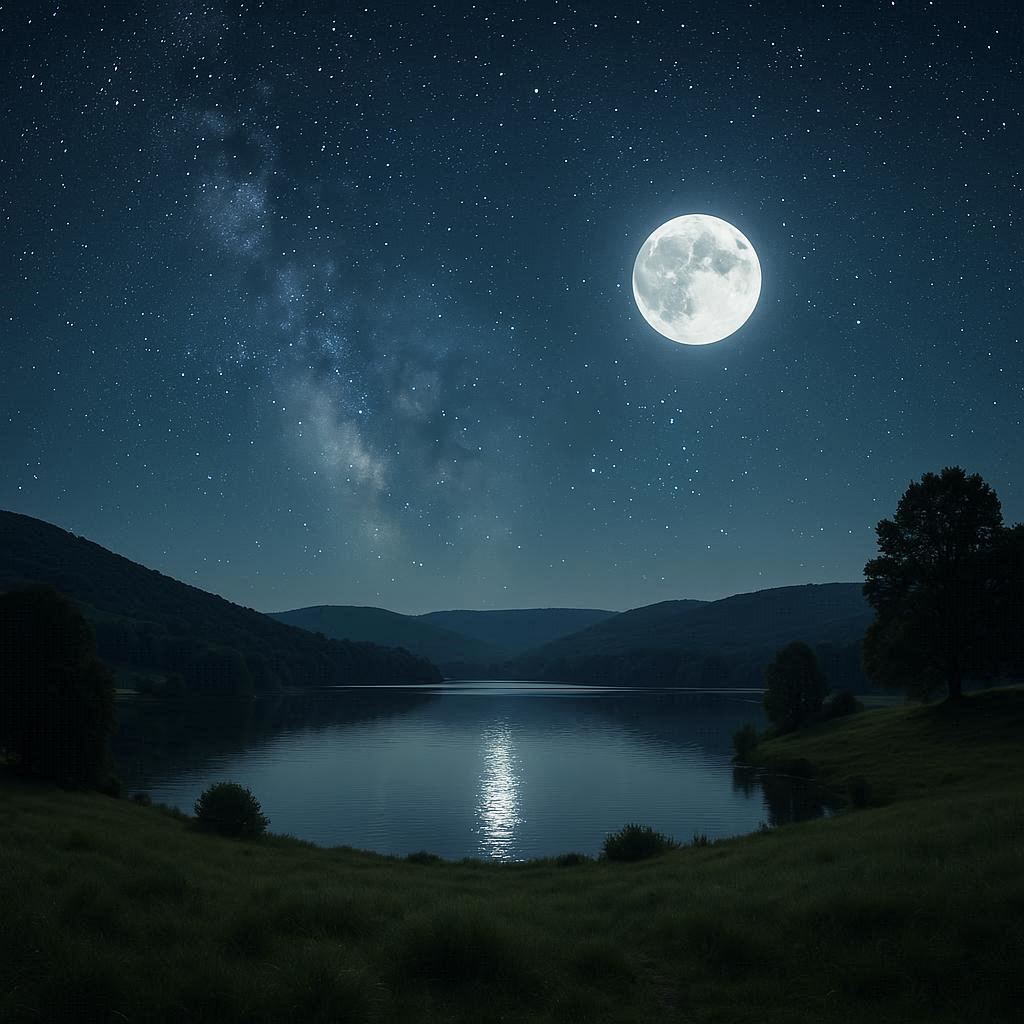
Looking for fun and interesting Night Trivia Questions and Answers to challenge yourself, your friends, or your family? You’re in the right place.
From fascinating facts about nighttime, stars, sleep, animals, history, and the world after dark to tricky general knowledge questions, this collection has something for every trivia fan.
Whether you’re planning a quiz night, party, game night, or simply want to test your knowledge, these night trivia questions are designed to keep you entertained and guessing.
Get ready to explore the mysteries of the night and see how many questions you can answer correctly!
Night Trivia Questions and Answers Australia
1. What causes night on Earth?
Answer: Earth’s rotation.
Explanation: Earth rotates on its axis, and the side facing away from the Sun experiences nighttime.
Key Information: Earth completes one rotation in approximately 24 hours.
2. What is Earth’s natural satellite?
Answer: The Moon.
Explanation: The Moon orbits Earth and reflects sunlight.
Key Information: The Moon is Earth’s only permanent natural satellite.
3. What is a full Moon?
Answer: A lunar phase when the Moon appears fully illuminated.
Explanation: A full Moon occurs when the Moon is opposite the Sun from Earth’s viewpoint.
Key Information: Full Moons occur roughly once a month.
4. What is a lunar eclipse?
Answer: When Earth’s shadow falls on the Moon.
Explanation: Earth comes between the Sun and Moon, blocking direct sunlight from reaching the Moon.
Key Information: A total lunar eclipse can make the Moon appear reddish.
5. What is the brightest star in the night sky?
Answer: Sirius.
Explanation: Sirius is a very bright star in the constellation Canis Major.
Key Information: Sirius is also called the Dog Star.
6. Which star is known as the North Star?
Answer: Polaris.
Explanation: Polaris appears very close to the north celestial pole.
Key Information: It is located in the constellation Ursa Minor.
7. What is the Milky Way?
Answer: The galaxy containing our Solar System.
Explanation: From a dark location, it appears as a faint band across the night sky.
Key Information: The Milky Way is a barred spiral galaxy.
8. Which planet is known as the Red Planet?
Answer: Mars.
Explanation: Iron-rich minerals on Mars have oxidized, giving its surface a reddish color.
Key Information: Mars has two moons, Phobos and Deimos.
9. Which is the largest planet in our Solar System?
Answer: Jupiter.
Explanation: Jupiter is a massive gas giant and is much larger than Earth.
Key Information: Jupiter has the famous Great Red Spot storm.
10. Which planet is famous for its rings?
Answer: Saturn.
Explanation: Saturn has a spectacular ring system made mostly of ice and rock particles.
Key Information: Other giant planets also have ring systems.
11. What is a shooting star?
Answer: A meteor.
Explanation: It is the bright streak produced when a meteoroid enters Earth’s atmosphere.
Key Information: A piece that reaches the ground is called a meteorite.
12. What is a meteor shower?
Answer: A period when many meteors appear in the night sky.
Explanation: Earth passes through debris left behind by comets or asteroids.
Key Information: The Perseids and Geminids are famous meteor showers.
13. What is an aurora?
Answer: A natural light display in the sky.
Explanation: Charged particles from the Sun interact with gases in Earth’s upper atmosphere.
Key Information: The Northern Lights are called the aurora borealis.
14. What causes stars to appear to twinkle?
Answer: Earth’s atmosphere.
Explanation: Moving layers of air bend and distort starlight.
Key Information: Planets usually appear to twinkle less than stars.
15. Why does the Moon appear to change shape?
Answer: Because we see different portions of its sunlit side.
Explanation: The Moon’s position changes as it orbits Earth.
Key Information: These changing appearances are called lunar phases.
16. What does “nocturnal” mean?
Answer: Active mainly at night.
Explanation: Nocturnal animals are generally more active after sunset.
Key Information: Owls, bats, and many moths are nocturnal.
17. Which mammal can truly fly?
Answer: The bat.
Explanation: Bats use wings made from skin stretched over elongated finger bones.
Key Information: Flying squirrels glide but do not truly fly.
18. What do many bats use to find prey in darkness?
Answer: Echolocation.
Explanation: Bats produce sounds and use returning echoes to detect objects.
Key Information: Echolocation helps bats hunt effectively in darkness.
19. Which nocturnal bird is famous for its large eyes and excellent hearing?
Answer: The owl.
Explanation: Owls have specialized adaptations for hunting in low light.
Key Information: Their facial disks help direct sounds toward their ears.
20. What is bioluminescence?
Answer: The production of light by a living organism.
Explanation: Certain organisms create light through chemical reactions in their bodies.
Key Information: Fireflies and many marine organisms are bioluminescent.
Night Trivia Questions and Answers Categories
1. Which animal is often called the “ship of the desert”?
Answer: Camel.
Explanation: Camels are well adapted to hot, dry desert environments and can travel long distances with limited water.
Key Information: Their humps store fat, not water.
2. Which is the largest ocean on Earth?
Answer: Pacific Ocean.
Explanation: The Pacific Ocean covers more area than any other ocean.
Key Information: It stretches between Asia, Australia, and the Americas.
3. What is the capital city of France?
Answer: Paris.
Explanation: Paris is France’s largest city and its political, cultural, and economic center.
Key Information: The Eiffel Tower is one of its most famous landmarks.
4. Which planet is closest to the Sun?
Answer: Mercury.
Explanation: Mercury has the smallest orbit of all eight planets in our Solar System.
Key Information: Mercury completes one orbit around the Sun in about 88 Earth days.
5. What is the largest mammal in the world?
Answer: Blue whale.
Explanation: The blue whale can grow longer and heavier than any other known animal.
Key Information: It can reach around 30 meters in length.
6. Which country is famous for the Great Wall?
Answer: China.
Explanation: The Great Wall is a vast network of fortifications built and rebuilt over many centuries.
Key Information: Major sections were constructed during the Ming dynasty.
7. What is the hardest natural substance on Earth?
Answer: Diamond.
Explanation: Diamond has a highly rigid crystal structure made of carbon atoms.
Key Information: It is rated 10 on the Mohs hardness scale.
8. Which organ pumps blood around the human body?
Answer: The heart.
Explanation: The heart is a muscular organ that continuously pumps blood through the circulatory system.
Key Information: A healthy adult heart typically beats around 60–100 times per minute at rest.
9. Which gas do humans need to breathe to survive?
Answer: Oxygen.
Explanation: Cells use oxygen during cellular respiration to release energy from nutrients.
Key Information: Oxygen makes up about 21% of Earth’s atmosphere.
10. Who painted the Mona Lisa?
Answer: Leonardo da Vinci.
Explanation: Leonardo da Vinci was an Italian Renaissance artist, inventor, and scientist.
Key Information: The Mona Lisa is displayed at the Louvre Museum in Paris.
11. Which is the fastest land animal?
Answer: Cheetah.
Explanation: Cheetahs can accelerate extremely quickly over short distances.
Key Information: They can reach speeds of roughly 100 km/h or more in short bursts.
12. What is the largest continent?
Answer: Asia.
Explanation: Asia is the largest continent by both area and population.
Key Information: It contains more than half of the world’s population.
13. Which instrument has black and white keys and is commonly found in classical music?
Answer: Piano.
Explanation: A piano produces sound when felt-covered hammers strike strings.
Key Information: A standard modern piano has 88 keys.
14. What is H₂O commonly known as?
Answer: Water.
Explanation: Each water molecule contains two hydrogen atoms and one oxygen atom.
Key Information: Water is essential for almost all known forms of life.
15. Which bird is known for its ability to mimic human speech?
Answer: Parrot.
Explanation: Many parrots can imitate sounds they hear, including human words.
Key Information: African grey parrots are particularly well known for vocal learning.
16. What is the largest desert in the world?
Answer: Antarctica.
Explanation: A desert is defined by very low precipitation, not by heat. Antarctica receives extremely little precipitation.
Key Information: The Sahara is the world’s largest hot desert.
17. Which metal is liquid at room temperature?
Answer: Mercury.
Explanation: Mercury remains liquid under normal room-temperature conditions.
Key Information: Mercury is a chemical element with the symbol Hg.
18. How many continents are there traditionally recognized?
Answer: Seven.
Explanation: The commonly taught continents are Asia, Africa, North America, South America, Antarctica, Europe, and Australia.
Key Information: Different geographical models sometimes group continents differently.
19. Which animal is known for its black-and-white stripes?
Answer: Zebra.
Explanation: Zebras are African equids famous for their distinctive striped coats.
Key Information: Each zebra has a unique stripe pattern.
20. What is the tallest mountain above sea level?
Answer: Mount Everest.
Explanation: Mount Everest reaches the highest elevation above sea level of any mountain on Earth.
Key Information: Its commonly cited elevation is about 8,849 meters.
Related : 127+ Saturday Night Live Trivia Questions & Answers
Night Trivia Questions and Answers for Adults
1. Which is the smallest planet in our Solar System?
Answer: Mercury.
Explanation: Mercury is the smallest of the eight planets and is also the closest planet to the Sun.
Key Information: Mercury has no substantial atmosphere and experiences extreme temperature changes.
2. Which country is known as the Land of the Rising Sun?
Answer: Japan.
Explanation: Japan lies east of the Asian mainland, where the Sun appears to rise.
Key Information: Japan’s Japanese name, Nihon or Nippon, is associated with the origin of the Sun.
3. What is the largest organ of the human body?
Answer: Skin.
Explanation: Skin covers and protects the entire outside of the body.
Key Information: It helps regulate temperature and provides protection against the environment.
4. Which animal is known as the King of the Jungle?
Answer: Lion.
Explanation: Lions have long been given this title because of their strength, social behavior, and cultural symbolism.
Key Information: Most wild lions live in Africa, with a small population in India.
5. What is the chemical symbol for gold?
Answer: Au.
Explanation: The symbol Au comes from the Latin word “aurum,” meaning gold.
Key Information: Gold is a highly valuable and relatively unreactive metal.
6. Which country has the largest population in the world?
Answer: India.
Explanation: India became the world’s most populous country in 2023, surpassing China.
Key Information: India has more than 1.4 billion people.
7. Which is the longest river in South America?
Answer: Amazon River.
Explanation: The Amazon flows across a huge portion of South America.
Key Information: It carries more water than any other river in the world.
8. Which planet is known for its Great Red Spot?
Answer: Jupiter.
Explanation: The Great Red Spot is a gigantic storm in Jupiter’s atmosphere.
Key Information: The storm has been observed for centuries.
9. Who wrote the famous play Romeo and Juliet?
Answer: William Shakespeare.
Explanation: Shakespeare wrote the tragedy about two young lovers from rival families.
Key Information: The play was first performed around the late 16th century.
10. Which vitamin is mainly produced when human skin is exposed to sunlight?
Answer: Vitamin D.
Explanation: Ultraviolet B radiation helps the skin begin producing vitamin D.
Key Information: Vitamin D is important for healthy bones and calcium metabolism.
11. What is the largest bird in the world?
Answer: Ostrich.
Explanation: Ostriches are enormous flightless birds native to Africa.
Key Information: They are also among the fastest-running birds.
12. Which ocean lies between Africa and Australia?
Answer: Indian Ocean.
Explanation: The Indian Ocean is bordered by Africa, Asia, Australia, and Antarctica.
Key Information: It is the third-largest ocean in the world.
13. What is the freezing point of water at standard atmospheric pressure?
Answer: 0°C.
Explanation: Pure water freezes at 0 degrees Celsius under standard atmospheric pressure.
Key Information: In Fahrenheit, this is 32°F.
14. Which animal is famous for changing its color for communication and camouflage?
Answer: Chameleon.
Explanation: Chameleons can alter their coloration using specialized skin cells.
Key Information: Color changes can also communicate mood, territory, or reproductive status.
15. Which country is home to the pyramids of Giza?
Answer: Egypt.
Explanation: The pyramids of Giza were built as monumental tombs during ancient Egypt.
Key Information: The Great Pyramid is the oldest surviving Wonder of the Ancient World.
16. What is the boiling point of water at sea level?
Answer: 100°C.
Explanation: At standard atmospheric pressure, water boils at 100 degrees Celsius.
Key Information: The boiling point decreases at higher elevations.
17. Which mammal is known for laying eggs?
Answer: Platypus.
Explanation: The platypus is one of the few mammals that lays eggs instead of giving birth to live young.
Key Information: The platypus is native to Australia.
18. What is the capital of Japan?
Answer: Tokyo.
Explanation: Tokyo is Japan’s capital and one of the world’s largest metropolitan areas.
Key Information: Tokyo is a major global center for finance, technology, and culture.
19. Which gas makes up the largest portion of Earth’s atmosphere?
Answer: Nitrogen.
Explanation: Nitrogen makes up about 78% of Earth’s atmosphere.
Key Information: Oxygen makes up about 21%.
20. Which famous scientist developed the theory of relativity?
Answer: Albert Einstein.
Explanation: Einstein developed special and general relativity, transforming our understanding of space, time, gravity, and motion.
Key Information: He received the 1921 Nobel Prize in Physics for his explanation of the photoelectric effect.
Funny Night Trivia Questions and Answers
1. Which is the hottest planet in our Solar System?
Answer: Venus.
Explanation: Venus has a thick atmosphere rich in carbon dioxide, creating an extreme greenhouse effect.
Key Information: Venus is hotter than Mercury even though Mercury is closer to the Sun.
2. Which animal is the largest living land animal?
Answer: African elephant.
Explanation: African elephants are enormous mammals and are the largest land animals alive today.
Key Information: Adult males can weigh several tons.
3. What is the capital of Italy?
Answer: Rome.
Explanation: Rome is Italy’s capital and has been an important center of European history for thousands of years.
Key Information: Vatican City is located entirely within Rome.
4. Which element has the chemical symbol O?
Answer: Oxygen.
Explanation: Oxygen is a highly reactive chemical element essential for most animal life.
Key Information: Oxygen makes up about 21% of Earth’s atmosphere.
5. Which is the fastest animal in the world?
Answer: Peregrine falcon.
Explanation: During a hunting dive, a peregrine falcon can reach speeds of more than 300 km/h.
Key Information: It is considered the fastest animal when measured by diving speed.
6. What is the capital of Australia?
Answer: Canberra.
Explanation: Canberra was selected as Australia’s capital as a compromise between Sydney and Melbourne.
Key Information: It became the national capital in 1913.
7. Which blood type is known as the universal donor for red blood cells?
Answer: O negative.
Explanation: O-negative red blood cells lack A, B, and Rh D antigens, making them suitable in many emergency situations.
Key Information: Hospitals often use O-negative blood when the patient’s blood type is unknown.
8. Which planet has the most prominent ring system?
Answer: Saturn.
Explanation: Saturn’s rings are made of countless pieces of ice, rock, and dust.
Key Information: The rings extend far beyond the planet’s visible surface.
9. Who discovered penicillin?
Answer: Alexander Fleming.
Explanation: Fleming noticed in 1928 that a mold called Penicillium inhibited the growth of bacteria.
Key Information: Penicillin became one of the most important antibiotics in medical history.
10. Which is the deepest ocean trench on Earth?
Answer: Mariana Trench.
Explanation: The Mariana Trench is located in the western Pacific Ocean and reaches extraordinary depths.
Key Information: Its deepest known point is called Challenger Deep.
11. Which fruit is known for having its seeds on the outside?
Answer: Strawberry.
Explanation: The small structures on the outside of a strawberry are actually individual fruits containing seeds.
Key Information: Botanically, the strawberry is an unusual accessory fruit.
12. What is the capital of Canada?
Answer: Ottawa.
Explanation: Ottawa is located in the province of Ontario along the Ottawa River.
Key Information: It became Canada’s capital in the 19th century.
13. Which human organ is primarily responsible for filtering blood and producing urine?
Answer: Kidneys.
Explanation: The kidneys remove waste products and excess substances from the blood.
Key Information: Most people have two kidneys.
14. Which ancient civilization built Machu Picchu?
Answer: The Inca civilization.
Explanation: Machu Picchu was built in the Andes Mountains of present-day Peru.
Key Information: It is believed to have been constructed during the 15th century.
15. What is the largest planet after Jupiter?
Answer: Saturn.
Explanation: Saturn is the second-largest planet in the Solar System.
Key Information: Saturn is a gas giant with a much lower average density than Earth.
16. Which country gifted the Statue of Liberty to the United States?
Answer: France.
Explanation: France presented the Statue of Liberty to the United States as a symbol of friendship.
Key Information: The statue was dedicated in New York Harbor in 1886.
17. What is the smallest bone in the human body?
Answer: Stapes.
Explanation: The stapes is one of the three tiny bones located in the middle ear.
Key Information: It helps transmit sound vibrations toward the inner ear.
18. Which continent is known as the “Dark Continent” in old historical terminology?
Answer: Africa.
Explanation: The phrase was historically used by Europeans because much of Africa was unfamiliar to them, not because of its physical appearance.
Key Information: The expression is now considered outdated and is generally avoided.
19. Which country is famous for the ancient city of Petra?
Answer: Jordan.
Explanation: Petra was an important ancient city carved into sandstone cliffs.
Key Information: Petra is often called the “Rose City” because of the color of its rock.
20. What is the main language spoken in Brazil?
Answer: Portuguese.
Explanation: Brazil was colonized by Portugal, which is why Portuguese became the country’s dominant language.
Key Information: Brazil is the largest Portuguese-speaking country in the world.
Easy Night Trivia Questions and Answers
1. Which is the largest country in the world by area?
Answer: Russia.
Explanation: Russia spans a vast area across Eastern Europe and northern Asia.
Key Information: It covers more than 17 million square kilometers.
2. Which animal is known for having a long neck and eating leaves from tall trees?
Answer: Giraffe.
Explanation: Giraffes use their long necks to reach vegetation that many other animals cannot access.
Key Information: The giraffe is the tallest living land animal.
3. What is the capital of Spain?
Answer: Madrid.
Explanation: Madrid is Spain’s capital and one of its major cultural and economic centers.
Key Information: It is located near the geographical center of Spain.
4. Which planet is known for rotating on its side?
Answer: Uranus.
Explanation: Uranus has an extreme axial tilt of about 98 degrees.
Key Information: This unusual tilt produces very extreme seasonal patterns.
5. What is the largest internal organ in the human body?
Answer: Liver.
Explanation: The liver performs hundreds of important functions, including processing nutrients and helping remove harmful substances.
Key Information: It is the largest internal organ in humans.
6. Which country is famous for the Taj Mahal?
Answer: India.
Explanation: The Taj Mahal is a magnificent marble mausoleum in Agra.
Key Information: It was commissioned by Mughal emperor Shah Jahan in memory of Mumtaz Mahal.
7. What is the chemical symbol for silver?
Answer: Ag.
Explanation: The symbol Ag comes from the Latin word “argentum.”
Key Information: Silver is an excellent conductor of electricity.
8. Which bird is the national bird of the United States?
Answer: Bald eagle.
Explanation: The bald eagle has been a national symbol of the United States since the 18th century.
Key Information: It is a large bird of prey native to North America.
9. Which is the longest bone in the human body?
Answer: Femur.
Explanation: The femur is the major bone of the upper leg and is extremely strong.
Key Information: It connects the hip to the knee.
10. What is the capital of Germany?
Answer: Berlin.
Explanation: Berlin is Germany’s capital and largest city.
Key Information: The Berlin Wall divided the city during the Cold War until 1989.
11. Which animal is famous for its black-and-white coat and bamboo diet?
Answer: Giant panda.
Explanation: Giant pandas primarily eat bamboo despite belonging to the order Carnivora.
Key Information: Giant pandas are native to central China.
12. Which is the smallest continent by land area?
Answer: Australia.
Explanation: Australia is both a country and a continent.
Key Information: It is the smallest of the seven traditionally recognized continents.
13. Who was the first person to walk on the Moon?
Answer: Neil Armstrong.
Explanation: Armstrong stepped onto the lunar surface during NASA’s Apollo 11 mission in 1969.
Key Information: Buzz Aldrin also walked on the Moon during the same mission.
14. Which gas do plants absorb during photosynthesis?
Answer: Carbon dioxide.
Explanation: Plants use carbon dioxide, water, and sunlight to produce glucose through photosynthesis.
Key Information: Oxygen is released as a major byproduct.
15. Which city is famous for the Eiffel Tower?
Answer: Paris.
Explanation: The Eiffel Tower was constructed for the 1889 Exposition Universelle.
Key Information: It has become one of the most recognizable landmarks in the world.
16. Which planet has the shortest year?
Answer: Mercury.
Explanation: Mercury orbits the Sun faster than any other planet.
Key Information: One Mercury year lasts about 88 Earth days.
17. What is the largest hot desert in the world?
Answer: Sahara Desert.
Explanation: The Sahara covers a huge portion of North Africa.
Key Information: It is larger than many countries.
18. Which country is famous for the pyramids of Giza?
Answer: Egypt.
Explanation: The pyramids were built as monumental tombs during ancient Egyptian civilization.
Key Information: The Great Pyramid is the only surviving Wonder of the Ancient World.
19. What is the main gas found in Earth’s atmosphere?
Answer: Nitrogen.
Explanation: Nitrogen makes up approximately 78% of Earth’s atmosphere.
Key Information: Oxygen is the second most abundant gas at about 21%.
20. Which instrument is used to measure temperature?
Answer: Thermometer.
Explanation: A thermometer measures how hot or cold something is.
Key Information: Common temperature scales include Celsius, Fahrenheit, and Kelvin.
Night Trivia Questions and Answers for Kids
1. Which country is known as the Land of a Thousand Lakes?
Answer: Finland.
Explanation: Finland has an exceptionally large number of lakes spread across its landscape.
Key Information: Finland is located in Northern Europe and is famous for its forests and lakes.
2. Which is the largest species of shark?
Answer: Whale shark.
Explanation: The whale shark is the largest known fish species in the world.
Key Information: Despite its size, it mainly feeds on plankton and small organisms.
3. What is the capital of South Korea?
Answer: Seoul.
Explanation: Seoul is the political, economic, and cultural center of South Korea.
Key Information: The city is located along the Han River.
4. Which planet is famous for its blue color and strong winds?
Answer: Neptune.
Explanation: Neptune appears blue because methane in its atmosphere absorbs much of the red light.
Key Information: Neptune has some of the fastest winds measured in the Solar System.
5. Which part of the human eye controls how much light enters?
Answer: Iris.
Explanation: The iris adjusts the size of the pupil to control the amount of light entering the eye.
Key Information: The colored part of the eye is the iris.
6. Which country is home to the ancient city of Angkor?
Answer: Cambodia.
Explanation: Angkor was the center of the Khmer Empire and contains the famous Angkor Wat temple complex.
Key Information: Angkor Wat is one of the largest religious monuments in the world.
7. What is the chemical symbol for iron?
Answer: Fe.
Explanation: The symbol Fe comes from the Latin word “ferrum.”
Key Information: Iron is essential for producing hemoglobin in human blood.
8. Which animal is famous for its ability to regenerate lost limbs?
Answer: Axolotl.
Explanation: Axolotls have an extraordinary ability to regenerate limbs and several other body tissues.
Key Information: They are native to lakes around Mexico City.
9. Which is the largest island in the world?
Answer: Greenland.
Explanation: Greenland is the world’s largest island that is not considered a continent.
Key Information: Much of Greenland is covered by a massive ice sheet.
10. Who developed the laws of motion and universal gravitation?
Answer: Isaac Newton.
Explanation: Newton formulated three laws of motion and the law of universal gravitation.
Key Information: His work became a foundation of classical physics.
11. Which ocean is the smallest of the five major oceans?
Answer: Arctic Ocean.
Explanation: The Arctic Ocean surrounds the North Pole and is smaller than the other major oceans.
Key Information: It is largely covered by sea ice during much of the year.
12. Which animal is known for its ability to sleep while standing?
Answer: Horse.
Explanation: Horses have specialized leg structures that allow them to rest while standing.
Key Information: Horses can also lie down when they need deeper rest.
13. What is the capital of Turkey?
Answer: Ankara.
Explanation: Ankara became the capital of the Republic of Turkey in 1923.
Key Information: Istanbul is Turkey’s largest city but is not its capital.
14. Which vitamin is important for normal blood clotting?
Answer: Vitamin K.
Explanation: Vitamin K is required to produce several proteins involved in blood clotting.
Key Information: Leafy green vegetables are important dietary sources of vitamin K.
15. Which famous structure connects San Francisco and Marin County?
Answer: Golden Gate Bridge.
Explanation: The bridge spans the Golden Gate strait in California.
Key Information: It opened to traffic in 1937.
16. Which planet is the largest terrestrial planet?
Answer: Earth.
Explanation: Earth is the largest of the four rocky planets in our Solar System.
Key Information: The other terrestrial planets are Mercury, Venus, and Mars.
17. What is the largest rainforest in the world?
Answer: Amazon Rainforest.
Explanation: The Amazon rainforest covers a huge area of South America and contains extraordinary biodiversity.
Key Information: Most of it lies within Brazil.
18. Which animal is known for producing pearls?
Answer: Oyster.
Explanation: Some oysters form pearls when an irritant becomes enclosed by layers of nacre.
Key Information: Pearls can form naturally or through pearl farming.
19. What is the capital of Greece?
Answer: Athens.
Explanation: Athens is one of the world’s oldest continuously inhabited cities.
Key Information: It is famous for ancient landmarks such as the Acropolis.
20. Which natural phenomenon is measured using the Richter scale historically?
Answer: Earthquakes.
Explanation: The Richter scale was developed to quantify earthquake magnitude, although modern seismology commonly uses the moment magnitude scale.
Key Information: Earthquake magnitude measures the energy released by an earthquake.
Night Trivia Questions and Answers for Friends
1. Which is the largest country in Africa by area?
Answer: Algeria.
Explanation: Algeria covers a vast area in North Africa and is the largest country on the African continent.
Key Information: Much of southern Algeria lies within the Sahara Desert.
2. Which animal is known for its ability to store water in its body?
Answer: Camel.
Explanation: Camels are highly adapted to desert environments and can survive long periods without drinking.
Key Information: A camel’s hump stores fat, not water.
3. Which is the longest river in Europe?
Answer: Volga River.
Explanation: The Volga flows through western Russia before reaching the Caspian Sea.
Key Information: It is about 3,500 kilometers long.
4. Which planet is known as the Morning Star or Evening Star?
Answer: Venus.
Explanation: Venus is often visible shortly before sunrise or after sunset and appears extremely bright.
Key Information: Venus is the brightest planet visible from Earth.
5. What is the largest muscle in the human body?
Answer: Gluteus maximus.
Explanation: The gluteus maximus is a powerful muscle involved in hip movement and maintaining posture.
Key Information: It is located in the buttocks.
6. Which country is home to Mount Fuji?
Answer: Japan.
Explanation: Mount Fuji is Japan’s highest mountain and an important cultural symbol.
Key Information: It is a stratovolcano located on Honshu Island.
7. Which element has the chemical symbol Na?
Answer: Sodium.
Explanation: Sodium is a soft, highly reactive metal that is commonly found in compounds such as table salt.
Key Information: Sodium chloride is the chemical name for ordinary table salt.
8. Which animal is famous for having a pouch for carrying its young?
Answer: Kangaroo.
Explanation: Female kangaroos carry their developing young, called joeys, in a pouch.
Key Information: Kangaroos are native to Australia.
9. Which is the largest lake in the world by surface area?
Answer: Caspian Sea.
Explanation: Despite being called a sea, the Caspian is classified as the world’s largest inland body of water.
Key Information: It lies between Europe and Asia.
10. Who was the first woman to win a Nobel Prize?
Answer: Marie Curie.
Explanation: Marie Curie received the Nobel Prize in Physics in 1903 for her work on radioactivity.
Key Information: She later won a second Nobel Prize in Chemistry.
11. Which ocean is the warmest of the major oceans?
Answer: Indian Ocean.
Explanation: Much of the Indian Ocean lies in tropical regions, giving it generally warm surface waters.
Key Information: Its northern portion is strongly influenced by seasonal monsoon winds.
12. Which animal is known for having the strongest bite force among living land animals?
Answer: Hippopotamus.
Explanation: Hippos have enormous jaws and very large canine and incisor teeth.
Key Information: They are powerful and highly territorial animals.
13. What is the capital of Brazil?
Answer: Brasília.
Explanation: Brasília became Brazil’s capital in 1960, replacing Rio de Janeiro.
Key Information: The city was deliberately planned and designed in a modernist style.
14. Which vitamin is essential for healthy vision, especially in low light?
Answer: Vitamin A.
Explanation: Vitamin A is needed to produce visual pigments used by the eyes.
Key Information: Severe vitamin A deficiency can cause night blindness.
15. Which famous clock tower is located in London?
Answer: Big Ben.
Explanation: Big Ben is actually the nickname of the great bell inside the Elizabeth Tower.
Key Information: The tower stands beside the Palace of Westminster.
16. Which planet has the longest day in the Solar System?
Answer: Venus.
Explanation: Venus rotates extremely slowly on its axis.
Key Information: One Venus rotation takes about 243 Earth days.
17. Which waterfall system is often considered the largest by volume of water?
Answer: Iguazu Falls.
Explanation: Iguazu Falls consists of hundreds of cascades along the Iguazu River.
Key Information: It lies on the border between Argentina and Brazil.
18. Which animal is famous for its ability to inflate its body when threatened?
Answer: Pufferfish.
Explanation: Pufferfish can rapidly take in water or air and expand their bodies.
Key Information: Many pufferfish contain the powerful toxin tetrodotoxin.
19. What is the capital of Norway?
Answer: Oslo.
Explanation: Oslo is Norway’s capital and largest city.
Key Information: It is located at the northern end of the Oslofjord.
20. What instrument is used to measure atmospheric pressure?
Answer: Barometer.
Explanation: A barometer measures the pressure exerted by the atmosphere.
Key Information: Changes in atmospheric pressure can help predict changes in weather.
FAQS
1. What is the brightest object visible in the night sky after the Moon?
Answer: Venus is often the brightest planet seen from Earth.
It is commonly called the “Evening Star” or “Morning Star.”
2. Which animal is known for being active mostly at night?
Answer: The owl is a famous nocturnal animal.
It has excellent night vision and hearing.
3. What causes stars to appear to twinkle at night?
Answer: Earth’s atmosphere bends and disturbs starlight.
This makes stars appear to flicker and twinkle.
4. Which planet is often called the Red Planet?
Answer: Mars is known as the Red Planet.
Its reddish color comes mainly from iron-rich dust on its surface.
Final Thoughts
We hope you enjoyed these Night Trivia Questions and Answers and discovered some surprising facts along the way.
Whether you answered most of them correctly or found a few challenging, these questions are a great way to have fun and test your knowledge.
Share these night trivia questions with your friends and family, challenge them to beat your score, and turn your next quiz or game night into an entertaining competition.
Keep exploring, keep learning, and come back for more fun trivia questions and answers.
Recommend:
187+ Gravity Falls Trivia Questions and Answers