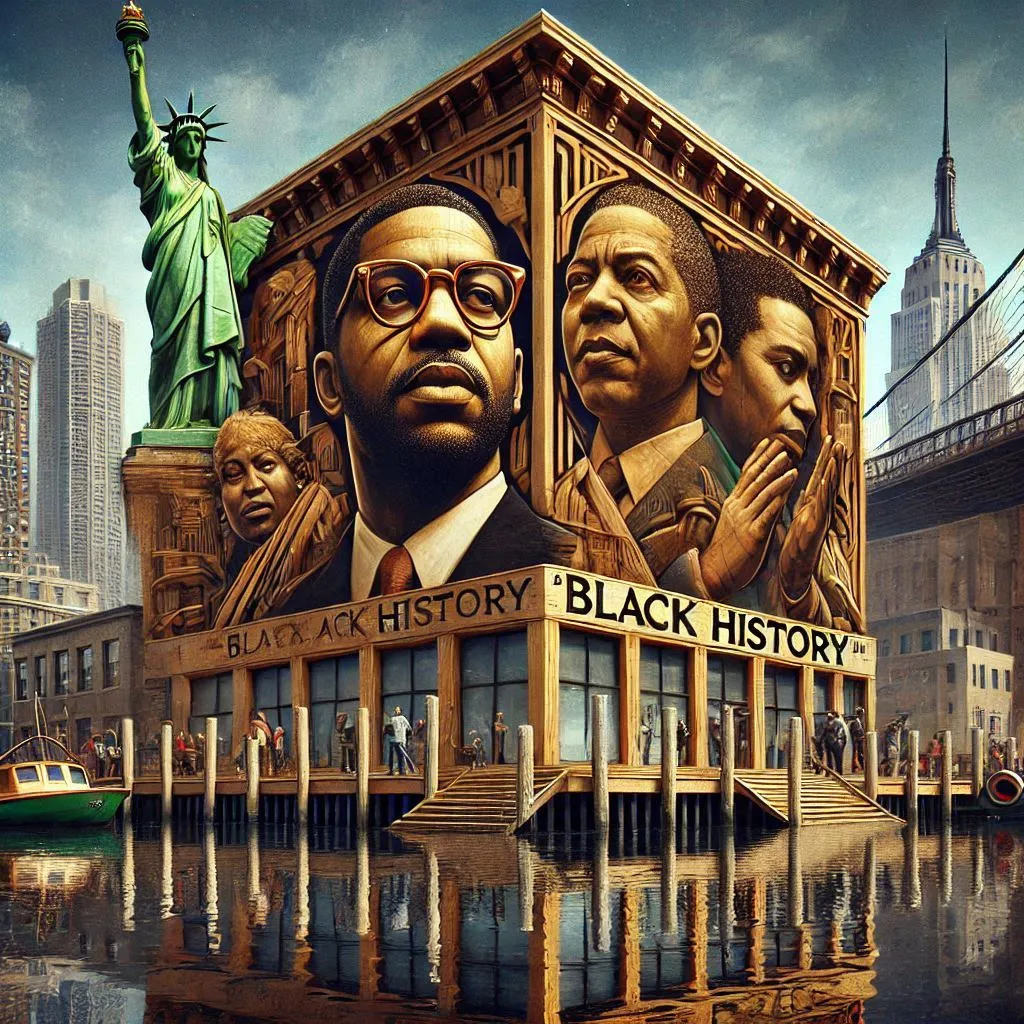
Looking for engaging Black History Trivia Questions and Answers? You’re in the right place!
From influential leaders and groundbreaking activists to remarkable artists, athletes, scientists, inventors, and important moments in history, this collection explores the people and events that have helped shape Black history.
Whether you’re preparing for Black History Month, planning a classroom activity, hosting a trivia night, or simply want to learn something new, these Black History Trivia Questions and Answers offer a fun way to test yourself while discovering fascinating facts and inspiring stories
Urban Black Trivia Questions and Answers
1. Who is widely known as the “Father of Black History”?
A. Carter G. Woodson
B. Frederick Douglass
C. W.E.B. Du Bois
D. Booker T. Washington
Answer: A. Carter G. Woodson
Explanation: Carter G. Woodson was a historian and educator who helped establish the study of Black history as an important academic field.
Key Information: Woodson founded the Association for the Study of Negro Life and History in 1915.
2. Who founded Black History Week, which later became Black History Month?
A. Carter G. Woodson
B. Martin Luther King Jr.
C. Rosa Parks
D. Malcolm X
Answer: A. Carter G. Woodson
Explanation: Woodson established Negro History Week in 1926 to encourage the study of Black history.
Key Information: The observance eventually expanded into Black History Month.
3. In which month is Black History Month observed in the United States?
A. February
B. March
C. May
D. October
Answer: A. February
Explanation: Black History Month is officially observed in the United States throughout February.
Key Information: February was selected in part because it includes the birthdays of Abraham Lincoln and Frederick Douglass.
4. Who was Rosa Parks?
A. Civil rights activist
B. Jazz musician
C. Scientist
D. Author
Answer: A. Civil rights activist
Explanation: Rosa Parks became a major figure in the U.S. civil rights movement after refusing to give up her seat on a segregated Montgomery bus in 1955.
Key Information: Her arrest helped spark the Montgomery Bus Boycott.
5. Who led the Montgomery Bus Boycott?
A. Martin Luther King Jr.
B. Malcolm X
C. Frederick Douglass
D. Thurgood Marshall
Answer: A. Martin Luther King Jr.
Explanation: Martin Luther King Jr. emerged as a prominent leader during the Montgomery Bus Boycott.
Key Information: The boycott lasted more than a year and contributed to the desegregation of Montgomery’s buses.
6. Who delivered the famous “I Have a Dream” speech?
A. Martin Luther King Jr.
B. Malcolm X
C. W.E.B. Du Bois
D. Booker T. Washington
Answer: A. Martin Luther King Jr.
Explanation: King delivered the speech during the March on Washington for Jobs and Freedom in 1963.
Key Information: The speech became one of the most famous addresses of the American civil rights movement.
7. Who was Frederick Douglass?
A. Abolitionist and writer
B. Inventor
C. President
D. Composer
Answer: A. Abolitionist and writer
Explanation: Frederick Douglass escaped slavery and became a powerful speaker, writer, and abolitionist.
Key Information: He published several autobiographies and advocated strongly for the abolition of slavery and equal rights.
8. Which famous abolitionist was born into slavery but escaped to freedom?
A. Harriet Tubman
B. Amelia Earhart
C. Susan B. Anthony
D. Clara Barton
Answer: A. Harriet Tubman
Explanation: Harriet Tubman escaped slavery and later helped other enslaved people reach freedom through the Underground Railroad.
Key Information: Tubman also served the Union during the American Civil War in several capacities.
9. What was the Underground Railroad?
A. A secret network helping enslaved people escape
B. A railway system under cities
C. A military railroad
D. A mining operation
Answer: A. A secret network helping enslaved people escape
Explanation: The Underground Railroad was a network of people, routes, and safe locations that assisted freedom seekers.
Key Information: Harriet Tubman became one of its most famous conductors.
10. Who was the first Black justice of the U.S. Supreme Court?
A. Thurgood Marshall
B. Clarence Thomas
C. Barack Obama
D. Colin Powell
Answer: A. Thurgood Marshall
Explanation: Thurgood Marshall was appointed to the Supreme Court in 1967.
Key Information: Before becoming a justice, Marshall successfully argued the landmark Brown v. Board of Education case.
11. What did the Supreme Court rule in Brown v. Board of Education?
A. School segregation was unconstitutional
B. Voting was unconstitutional
C. Slavery was legal
D. Public schools should close
Answer: A. School segregation was unconstitutional
Explanation: The 1954 Supreme Court decision ruled that racial segregation in public schools violated the Constitution.
Key Information: The decision became a major legal victory for the civil rights movement.
12. Who was the first Black president of the United States?
A. Barack Obama
B. Colin Powell
C. Jesse Jackson
D. Thurgood Marshall
Answer: A. Barack Obama
Explanation: Barack Obama was elected president in 2008 and took office in January 2009.
Key Information: He served as the 44th president of the United States from 2009 to 2017.
13. Who was the first Black woman elected to the U.S. Congress?
A. Shirley Chisholm
B. Rosa Parks
C. Kamala Harris
D. Maya Angelou
Answer: A. Shirley Chisholm
Explanation: Shirley Chisholm was elected to the U.S. House of Representatives in 1968.
Key Information: She represented New York and later became the first Black major-party candidate to seek the Democratic nomination for president.
14. Who was the first Black woman elected vice president of the United States?
A. Kamala Harris
B. Shirley Chisholm
C. Condoleezza Rice
D. Michelle Obama
Answer: A. Kamala Harris
Explanation: Kamala Harris became vice president after the 2020 election.
Key Information: She was also the first woman, first Black American, and first person of South Asian descent to serve as U.S. vice president.
15. Which famous Black author wrote “I Know Why the Caged Bird Sings”?
A. Maya Angelou
B. Toni Morrison
C. Zora Neale Hurston
D. Alice Walker
Answer: A. Maya Angelou
Explanation: Maya Angelou wrote the acclaimed memoir I Know Why the Caged Bird Sings.
Key Information: The 1969 book explores childhood, racism, identity, and resilience.
16. Which author became the first Black woman to win the Nobel Prize in Literature?
A. Toni Morrison
B. Maya Angelou
C. Alice Walker
D. Zora Neale Hurston
Answer: A. Toni Morrison
Explanation: Toni Morrison received the Nobel Prize in Literature in 1993.
Key Information: Morrison was celebrated for novels exploring race, identity, history, and the African American experience.
17. Who was known as a major leader of the civil rights movement and founder of the SCLC?
A. Martin Luther King Jr.
B. Booker T. Washington
C. George Washington Carver
D. Louis Armstrong
Answer: A. Martin Luther King Jr.
Explanation: King helped establish the Southern Christian Leadership Conference, which promoted nonviolent civil rights activism.
Key Information: The SCLC played an important role in major civil rights campaigns during the 1950s and 1960s.
18. Which Black scientist became famous for his work with peanuts and agricultural research?
A. George Washington Carver
B. Garrett Morgan
C. Lewis Latimer
D. Percy Julian
Answer: A. George Washington Carver
Explanation: Carver was an agricultural scientist who promoted crop diversification and developed numerous uses for crops such as peanuts and sweet potatoes.
Key Information: His agricultural research helped improve farming practices, particularly in the American South.
19. Which inventor developed an improved traffic signal and an early version of a gas mask?
A. Garrett Morgan
B. George Washington Carver
C. Elijah McCoy
D. Lewis Latimer
Answer: A. Garrett Morgan
Explanation: Garrett Morgan was an inventor and entrepreneur who patented several important devices.
Key Information: His inventions included a three-position traffic signal and a safety hood that helped protect users from smoke and gases.
20. Which Black inventor is associated with improvements to the electric light bulb and telephone technology?
A. Lewis Latimer
B. Booker T. Washington
C. Frederick Douglass
D. Thurgood Marshall
Answer: A. Lewis Latimer
Explanation: Lewis Latimer was an inventor and draftsman who contributed to developments in electric lighting and telecommunications.
Key Information: Latimer worked with major figures and companies involved in the development of electrical technology.
Read More: 149+ Challenging Urban Black Trivia Questions And Answers
Black Trivia Questions and Answers
1. Which African American scientist developed important treatments for leprosy?
A. Alice Ball
B. Mae Jemison
C. Katherine Johnson
D. Dorothy Vaughan
Answer: A. Alice Ball
Explanation: Alice Ball developed an injectable form of chaulmoogra oil that became an important treatment for leprosy in the early 20th century.
Key Information: She was the first woman and first African American to earn a master’s degree from the University of Hawaii.
2. Who was the first African American woman to travel into space?
A. Mae Jemison
B. Sally Ride
C. Katherine Johnson
D. Dorothy Vaughan
Answer: A. Mae Jemison
Explanation: Mae Jemison became the first African American woman in space when she flew aboard the Space Shuttle Endeavour in 1992.
Key Information: Jemison was also a physician, engineer, and advocate for science education.
3. Which mathematician’s calculations helped NASA send astronauts safely into space?
A. Katherine Johnson
B. Rosa Parks
C. Shirley Chisholm
D. Maya Angelou
Answer: A. Katherine Johnson
Explanation: Katherine Johnson performed critical calculations for NASA’s early human spaceflight programs.
Key Information: Her work included calculations for John Glenn’s 1962 orbital mission.
4. Who was Dorothy Vaughan?
A. NASA mathematician and supervisor
B. Civil rights lawyer
C. Jazz singer
D. Novelist
Answer: A. NASA mathematician and supervisor
Explanation: Dorothy Vaughan worked at NASA’s Langley Research Center and became a supervisor of the West Area Computing unit.
Key Information: She became an expert in FORTRAN programming as NASA transitioned to electronic computing.
5. Which Black woman became a leading figure in the abolitionist movement and women’s rights?
A. Sojourner Truth
B. Harriet Beecher Stowe
C. Susan B. Anthony
D. Clara Barton
Answer: A. Sojourner Truth
Explanation: Sojourner Truth was a formerly enslaved woman who became a powerful speaker for abolition and women’s rights.
Key Information: Her famous “Ain’t I a Woman?” speech is strongly associated with her legacy.
6. Who wrote the famous autobiography “Narrative of the Life of Frederick Douglass”?
A. Frederick Douglass
B. Booker T. Washington
C. W.E.B. Du Bois
D. James Baldwin
Answer: A. Frederick Douglass
Explanation: Frederick Douglass wrote several autobiographical works describing his life in slavery and his escape to freedom.
Key Information: His writings became influential works in the abolitionist movement.
7. Which organization did W.E.B. Du Bois help establish in 1909?
A. NAACP
B. NASA
C. SCLC
D. UN
Answer: A. NAACP
Explanation: W.E.B. Du Bois was one of the founders of the National Association for the Advancement of Colored People.
Key Information: The NAACP became one of the most influential civil rights organizations in the United States.
8. What does NAACP stand for?
A. National Association for the Advancement of Colored People
B. National Alliance Against Civil Politics
C. National Association of American Cultural People
D. National African American Community Program
Answer: A. National Association for the Advancement of Colored People
Explanation: The NAACP was established to fight racial discrimination and promote equal rights.
Key Information: The organization has played a major role in legal challenges to segregation and discrimination.
9. Which Black leader promoted vocational education and founded Tuskegee Institute?
A. Booker T. Washington
B. W.E.B. Du Bois
C. Frederick Douglass
D. Malcolm X
Answer: A. Booker T. Washington
Explanation: Booker T. Washington founded Tuskegee Institute in Alabama and emphasized education and economic advancement.
Key Information: Tuskegee later became Tuskegee University.
10. Who founded the Universal Negro Improvement Association?
A. Marcus Garvey
B. Martin Luther King Jr.
C. Malcolm X
D. Thurgood Marshall
Answer: A. Marcus Garvey
Explanation: Marcus Garvey founded the Universal Negro Improvement Association and promoted Black economic independence and global unity.
Key Information: Garvey became one of the most influential Black nationalist leaders of the early 20th century.
11. Which movement emphasized Black pride and economic independence under Marcus Garvey?
A. Garveyism
B. Abolitionism
C. Progressivism
D. Federalism
Answer: A. Garveyism
Explanation: Garveyism promoted racial pride, self-reliance, economic empowerment, and unity among people of African descent.
Key Information: Marcus Garvey’s ideas influenced later Black political and cultural movements.
12. Who was Malcolm X?
A. Civil rights and Black nationalist leader
B. Supreme Court justice
C. NASA engineer
D. Baseball player
Answer: A. Civil rights and Black nationalist leader
Explanation: Malcolm X became a prominent advocate for Black empowerment and human rights.
Key Information: His political and religious views evolved significantly during his life, especially after his pilgrimage to Mecca.
13. Which civil rights leader founded the Southern Christian Leadership Conference?
A. Martin Luther King Jr.
B. Malcolm X
C. Marcus Garvey
D. Booker T. Washington
Answer: A. Martin Luther King Jr.
Explanation: King was one of the founding leaders of the Southern Christian Leadership Conference in 1957.
Key Information: The organization used nonviolent protest to challenge racial segregation and injustice.
14. Which event in 1963 brought hundreds of thousands of people to Washington, D.C.?
A. March on Washington
B. Montgomery Bus Boycott
C. Selma March
D. Freedom Rides
Answer: A. March on Washington
Explanation: The March on Washington for Jobs and Freedom was held on August 28, 1963.
Key Information: Martin Luther King Jr. delivered his famous “I Have a Dream” speech during the event.
15. Which civil rights campaign focused on voting rights in Selma, Alabama?
A. Selma to Montgomery marches
B. Montgomery Bus Boycott
C. Freedom Summer
D. March on Washington
Answer: A. Selma to Montgomery marches
Explanation: The Selma marches were organized to protest barriers preventing Black Americans from exercising their voting rights.
Key Information: The events helped build support for the Voting Rights Act of 1965.
16. Who was the first African American woman to win an Olympic gold medal?
A. Alice Coachman
B. Wilma Rudolph
C. Florence Griffith Joyner
D. Jackie Joyner-Kersee
Answer: A. Alice Coachman
Explanation: Alice Coachman won the high jump at the 1948 London Olympics.
Key Information: She became the first Black woman from any country to win an Olympic gold medal.
17. Which Black athlete became the first African American to play Major League Baseball in the modern era?
A. Jackie Robinson
B. Jesse Owens
C. Muhammad Ali
D. Hank Aaron
Answer: A. Jackie Robinson
Explanation: Jackie Robinson broke Major League Baseball’s color barrier when he debuted with the Brooklyn Dodgers in 1947.
Key Information: He became a symbol of courage and racial integration in American sports.
18. Which athlete won four gold medals at the 1936 Berlin Olympics?
A. Jesse Owens
B. Jackie Robinson
C. Muhammad Ali
D. Joe Louis
Answer: A. Jesse Owens
Explanation: Jesse Owens won four gold medals in track and field at the 1936 Olympic Games.
Key Information: His achievements challenged Nazi racial ideology on an international stage.
19. Which boxer was famously known as “The Greatest”?
A. Muhammad Ali
B. Joe Louis
C. Sugar Ray Leonard
D. Mike Tyson
Answer: A. Muhammad Ali
Explanation: Muhammad Ali was one of the most celebrated heavyweight boxers in history.
Key Information: Beyond boxing, Ali became known worldwide for his outspoken views on race, religion, war, and social justice.
20. Which Black singer is often called the “Queen of Soul”?
A. Aretha Franklin
B. Whitney Houston
C. Diana Ross
D. Tina Turner
Answer: A. Aretha Franklin
Explanation: Aretha Franklin became one of the most influential soul singers of all time.
Key Information: Her signature songs and powerful voice made her a major figure in American music and culture.
Read More: 154+ Engaging Juneteenth Trivia Questions and Answers
Funny Black Trivia Questions and Answers
1. Which Black author wrote the novel “Their Eyes Were Watching God”?
A. Zora Neale Hurston
B. Toni Morrison
C. Maya Angelou
D. Alice Walker
Answer: A. Zora Neale Hurston
Explanation: Zora Neale Hurston wrote Their Eyes Were Watching God, published in 1937.
Key Information: The novel is considered an important work of the Harlem Renaissance and African American literature.
2. Which literary movement flourished in Harlem during the 1920s and 1930s?
A. Harlem Renaissance
B. Romanticism
C. Renaissance Revival
D. Modernist Revolution
Answer: A. Harlem Renaissance
Explanation: The Harlem Renaissance was a major cultural movement involving Black writers, artists, musicians, and intellectuals.
Key Information: Harlem became an important center of African American artistic and intellectual life during this period.
3. Who wrote the novel “Invisible Man”?
A. Ralph Ellison
B. James Baldwin
C. Langston Hughes
D. Richard Wright
Answer: A. Ralph Ellison
Explanation: Ralph Ellison published Invisible Man in 1952.
Key Information: The novel explores identity, racism, individuality, and social invisibility in American society.
4. Which poet was one of the leading figures of the Harlem Renaissance?
A. Langston Hughes
B. Robert Frost
C. Walt Whitman
D. Edgar Allan Poe
Answer: A. Langston Hughes
Explanation: Langston Hughes became one of the most influential poets of the Harlem Renaissance.
Key Information: His writing often celebrated Black culture, everyday life, music, and the pursuit of equality.
5. Which Black author wrote “Beloved”?
A. Toni Morrison
B. Maya Angelou
C. Alice Walker
D. Zora Neale Hurston
Answer: A. Toni Morrison
Explanation: Toni Morrison published Beloved in 1987.
Key Information: The novel explores the psychological effects of slavery and its lasting impact on families.
6. Who wrote “The Color Purple”?
A. Alice Walker
B. Toni Morrison
C. Maya Angelou
D. Gwendolyn Brooks
Answer: A. Alice Walker
Explanation: Alice Walker wrote The Color Purple, which was published in 1982.
Key Information: The novel explores racism, sexism, family, resilience, and personal empowerment.
7. Who was the first African American to win the Pulitzer Prize for Poetry?
A. Gwendolyn Brooks
B. Langston Hughes
C. Maya Angelou
D. James Baldwin
Answer: A. Gwendolyn Brooks
Explanation: Gwendolyn Brooks won the Pulitzer Prize for Poetry in 1950.
Key Information: She was the first Black person to receive a Pulitzer Prize.
8. Which famous Black musician is known as the “Godfather of Soul”?
A. James Brown
B. Ray Charles
C. Marvin Gaye
D. Stevie Wonder
Answer: A. James Brown
Explanation: James Brown became one of the most influential figures in soul and funk music.
Key Information: His energetic performances and rhythmic style strongly influenced later popular music.
9. Which musician is known for the song “What’s Going On”?
A. Marvin Gaye
B. James Brown
C. Louis Armstrong
D. Duke Ellington
Answer: A. Marvin Gaye
Explanation: Marvin Gaye released “What’s Going On” in 1971.
Key Information: The song addressed social issues, war, poverty, and the need for compassion.
10. Which legendary jazz musician was nicknamed “Satchmo”?
A. Louis Armstrong
B. Duke Ellington
C. Miles Davis
D. John Coltrane
Answer: A. Louis Armstrong
Explanation: Louis Armstrong was a pioneering jazz trumpeter and vocalist.
Key Information: His distinctive trumpet playing and gravelly singing voice helped shape the development of jazz.
11. Which Black composer and bandleader became one of the most important figures in jazz history?
A. Duke Ellington
B. James Brown
C. Stevie Wonder
D. Ray Charles
Answer: A. Duke Ellington
Explanation: Duke Ellington composed and performed thousands of pieces and led one of the most influential jazz orchestras.
Key Information: His career lasted for more than five decades.
12. Which singer became known as the “Queen of Gospel”?
A. Mahalia Jackson
B. Aretha Franklin
C. Diana Ross
D. Whitney Houston
Answer: A. Mahalia Jackson
Explanation: Mahalia Jackson was one of the most influential gospel singers of the 20th century.
Key Information: She also performed at major civil rights events and supported Martin Luther King Jr.
13. Which Black singer and songwriter was famous for songs such as “Superstition”?
A. Stevie Wonder
B. Marvin Gaye
C. Ray Charles
D. Prince
Answer: A. Stevie Wonder
Explanation: Stevie Wonder became a highly influential singer, songwriter, and multi-instrumentalist.
Key Information: He has won numerous Grammy Awards and is celebrated for his contributions to soul, R&B, and popular music.
14. Which Black musician was famous for combining blues, gospel, and R&B?
A. Ray Charles
B. Duke Ellington
C. Louis Armstrong
D. Miles Davis
Answer: A. Ray Charles
Explanation: Ray Charles blended gospel, blues, jazz, and R&B to create a distinctive musical style.
Key Information: He is often called “The Genius” because of his extraordinary musical influence.
15. Which Black filmmaker directed the movie “Do the Right Thing”?
A. Spike Lee
B. Jordan Peele
C. John Singleton
D. Tyler Perry
Answer: A. Spike Lee
Explanation: Spike Lee directed and starred in Do the Right Thing, released in 1989.
Key Information: The film explores race relations, community tensions, and social injustice.
16. Who directed the movie “Get Out”?
A. Jordan Peele
B. Spike Lee
C. Ryan Coogler
D. Barry Jenkins
Answer: A. Jordan Peele
Explanation: Jordan Peele wrote and directed Get Out, which was released in 2017.
Key Information: The film uses horror and satire to explore racism and social prejudice.
17. Which Black filmmaker directed “Black Panther”?
A. Ryan Coogler
B. Spike Lee
C. Jordan Peele
D. John Singleton
Answer: A. Ryan Coogler
Explanation: Ryan Coogler directed Black Panther, released by Marvel Studios in 2018.
Key Information: The film became a major cultural milestone and received multiple Academy Award nominations.
18. Which actress became the first Black woman to win the Academy Award for Best Actress?
A. Halle Berry
B. Viola Davis
C. Whoopi Goldberg
D. Angela Bassett
Answer: A. Halle Berry
Explanation: Halle Berry won the Best Actress Oscar for Monster’s Ball in 2002.
Key Information: She remains the first and, as of 2026, only Black woman to win the Academy Award for Best Actress.
19. Which Black actress starred as Dorothy in the 1978 film “The Wiz”?
A. Diana Ross
B. Oprah Winfrey
C. Whoopi Goldberg
D. Viola Davis
Answer: A. Diana Ross
Explanation: Diana Ross played Dorothy in the musical fantasy film The Wiz.
Key Information: The film featured an all-Black principal cast and included music from several major performers.
20. Which Black television personality became famous for her long-running talk show?
A. Oprah Winfrey
B. Maya Angelou
C. Shirley Chisholm
D. Rosa Parks
Answer: A. Oprah Winfrey
Explanation: Oprah Winfrey became one of the most influential television personalities through The Oprah Winfrey Show.
Key Information: Her career expanded into acting, publishing, philanthropy, and media entrepreneurship.
Black Trivia Questions and Answers for Students
1. Which African American woman became known as the “Mother of the Civil Rights Movement”?
A. Rosa Parks
B. Harriet Tubman
C. Maya Angelou
D. Shirley Chisholm
Answer: A. Rosa Parks
Explanation: Rosa Parks became a major symbol of the civil rights movement after refusing to surrender her bus seat in Montgomery, Alabama, in 1955.
Key Information: Her arrest helped inspire the Montgomery Bus Boycott.
2. Who was the first African American to serve as U.S. Secretary of State?
A. Colin Powell
B. Thurgood Marshall
C. Jesse Jackson
D. John Lewis
Answer: A. Colin Powell
Explanation: Colin Powell became the first African American U.S. Secretary of State in 2001.
Key Information: Powell also served as Chairman of the Joint Chiefs of Staff.
3. Who was the first Black woman to serve as U.S. Secretary of State?
A. Condoleezza Rice
B. Kamala Harris
C. Shirley Chisholm
D. Michelle Obama
Answer: A. Condoleezza Rice
Explanation: Condoleezza Rice served as Secretary of State from 2005 to 2009.
Key Information: She was the second woman and first Black woman to hold the position.
4. Which civil rights leader was known for the phrase “Black Power”?
A. Stokely Carmichael
B. Martin Luther King Jr.
C. Frederick Douglass
D. Thurgood Marshall
Answer: A. Stokely Carmichael
Explanation: Stokely Carmichael, later known as Kwame Ture, became a prominent advocate of Black Power during the 1960s.
Key Information: He was active in the Student Nonviolent Coordinating Committee.
5. Which organization was founded by Black college students in 1960 to promote nonviolent civil rights activism?
A. SNCC
B. NAACP
C. NASA
D. SCLC
Answer: A. SNCC
Explanation: The Student Nonviolent Coordinating Committee became an important force in the civil rights movement.
Key Information: SNCC participated in sit-ins, Freedom Rides, voter-registration campaigns, and other actions.
6. What does SNCC stand for?
A. Student Nonviolent Coordinating Committee
B. Southern National Civil Committee
C. Student National Community Council
D. Social Nonviolent Civil Coalition
Answer: A. Student Nonviolent Coordinating Committee
Explanation: SNCC was formed in 1960 by young activists committed to challenging racial segregation.
Key Information: The organization played a major role in grassroots civil rights organizing.
7. Which Black civil rights leader served as chairman of SNCC?
A. John Lewis
B. Malcolm X
C. Booker T. Washington
D. Marcus Garvey
Answer: A. John Lewis
Explanation: John Lewis became chairman of SNCC and participated in major civil rights demonstrations.
Key Information: He later served for decades as a U.S. representative from Georgia.
8. Which civil rights leader was one of the original Freedom Riders?
A. John Lewis
B. Barack Obama
C. Colin Powell
D. Jesse Owens
Answer: A. John Lewis
Explanation: John Lewis participated in the Freedom Rides challenging segregation in interstate transportation.
Key Information: Freedom Riders faced violence and arrests while challenging discriminatory laws and practices.
9. Which Supreme Court case challenged racial segregation in public schools?
A. Brown v. Board of Education
B. Roe v. Wade
C. Miranda v. Arizona
D. Marbury v. Madison
Answer: A. Brown v. Board of Education
Explanation: The 1954 decision declared racial segregation in public schools unconstitutional.
Key Information: Thurgood Marshall was the lead attorney for the NAACP legal team in the case.
10. Which constitutional amendment abolished slavery in the United States?
A. 13th Amendment
B. 14th Amendment
C. 15th Amendment
D. 19th Amendment
Answer: A. 13th Amendment
Explanation: The 13th Amendment abolished slavery and involuntary servitude, except as punishment for a crime.
Key Information: It was ratified in December 1865.
11. Which amendment granted citizenship and equal protection under the law to people born or naturalized in the United States?
A. 14th Amendment
B. 13th Amendment
C. 15th Amendment
D. 16th Amendment
Answer: A. 14th Amendment
Explanation: The 14th Amendment established important constitutional protections including citizenship and equal protection.
Key Information: It was ratified in 1868 during the Reconstruction era.
12. Which amendment prohibited denying the right to vote based on race?
A. 15th Amendment
B. 13th Amendment
C. 14th Amendment
D. 19th Amendment
Answer: A. 15th Amendment
Explanation: The 15th Amendment prohibited the federal and state governments from denying voting rights on the basis of race, color, or previous condition of servitude.
Key Information: It was ratified in 1870.
13. Which Black leader founded the Tuskegee Institute?
A. Booker T. Washington
B. W.E.B. Du Bois
C. Frederick Douglass
D. Marcus Garvey
Answer: A. Booker T. Washington
Explanation: Booker T. Washington founded the school in Alabama in 1881.
Key Information: The institution is now known as Tuskegee University.
14. Which Black historian founded Negro History Week in 1926?
A. Carter G. Woodson
B. W.E.B. Du Bois
C. Booker T. Washington
D. James Baldwin
Answer: A. Carter G. Woodson
Explanation: Woodson created Negro History Week to encourage Americans to learn about Black history.
Key Information: The observance eventually developed into Black History Month.
15. Which Black poet wrote “The Negro Speaks of Rivers”?
A. Langston Hughes
B. Claude McKay
C. Countee Cullen
D. Paul Laurence Dunbar
Answer: A. Langston Hughes
Explanation: Langston Hughes wrote the poem in 1920.
Key Information: The poem connects African American identity with the history and symbolism of major rivers.
16. Which Black poet wrote “We Wear the Mask”?
A. Paul Laurence Dunbar
B. Langston Hughes
C. Countee Cullen
D. Gwendolyn Brooks
Answer: A. Paul Laurence Dunbar
Explanation: Paul Laurence Dunbar wrote “We Wear the Mask,” a famous poem about hidden pain and social oppression.
Key Information: Dunbar was one of the most prominent African American writers of the late 19th and early 20th centuries.
17. Which Black entrepreneur founded the hair-care company associated with Madam C.J. Walker?
A. Madam C.J. Walker
B. Sarah Breedlove only
C. Maggie Lena Walker
D. Annie Malone
Answer: A. Madam C.J. Walker
Explanation: Madam C.J. Walker, born Sarah Breedlove, built a successful business producing hair-care products for Black women.
Key Information: She became one of America’s best-known early Black female entrepreneurs.
18. Which Black woman became the first female self-made millionaire in the United States according to Guinness World Records?
A. Madam C.J. Walker
B. Oprah Winfrey
C. Rosa Parks
D. Shirley Chisholm
Answer: A. Madam C.J. Walker
Explanation: Madam C.J. Walker built a highly successful hair-care business and became a prominent philanthropist.
Key Information: Her business success made her an important figure in African American economic history.
19. Which Black educator and activist wrote “The Souls of Black Folk”?
A. W.E.B. Du Bois
B. Booker T. Washington
C. Frederick Douglass
D. Carter G. Woodson
Answer: A. W.E.B. Du Bois
Explanation: W.E.B. Du Bois published The Souls of Black Folk in 1903.
Key Information: The book is a foundational work in African American sociology and literature.
20. Which Black activist famously organized the March on Washington for Jobs and Freedom with other civil rights leaders?
A. A. Philip Randolph
B. Marcus Garvey
C. Booker T. Washington
D. Malcolm X
Answer: A. A. Philip Randolph
Explanation: A. Philip Randolph was a major labor and civil rights leader and helped organize the 1963 March on Washington.
Key Information: Randolph had advocated for Black workers’ rights for decades before the historic 1963 march.
Fun Black Trivia Questions and Answers
1. Who was the first African American woman elected to the U.S. House of Representatives?
A. Shirley Chisholm
B. Rosa Parks
C. Maya Angelou
D. Barbara Jordan
Answer: A. Shirley Chisholm
Explanation: Shirley Chisholm was elected to Congress in 1968, representing New York’s 12th congressional district.
Key Information: She served seven terms and became a pioneering figure in American politics.
2. Who was the first Black American to serve as a U.S. senator?
A. Hiram Revels
B. Barack Obama
C. Edward Brooke
D. Thurgood Marshall
Answer: A. Hiram Revels
Explanation: Hiram Revels of Mississippi became the first African American U.S. senator in 1870.
Key Information: He served in the Senate during the Reconstruction era.
3. Who was the first African American elected governor of a U.S. state?
A. P. B. S. Pinchback
B. Douglas Wilder
C. Barack Obama
D. Andrew Young
Answer: A. P. B. S. Pinchback
Explanation: Pinchback became acting governor of Louisiana in 1872.
Key Information: His brief tenure made him the first person of African descent to serve as governor of a U.S. state.
4. Who became the first Black elected governor of a U.S. state through a general election?
A. Douglas Wilder
B. P. B. S. Pinchback
C. Jesse Jackson
D. Colin Powell
Answer: A. Douglas Wilder
Explanation: Douglas Wilder was elected governor of Virginia in 1989.
Key Information: He was the first African American elected governor of a U.S. state.
5. Which Black woman became the first African American to serve as U.S. poet laureate?
A. Rita Dove
B. Maya Angelou
C. Gwendolyn Brooks
D. Toni Morrison
Answer: A. Rita Dove
Explanation: Rita Dove served as Poet Laureate Consultant in Poetry from 1993 to 1995.
Key Information: She was the youngest person to hold the position at the time of her appointment.
6. Who was the first African American to win the Nobel Prize in Literature?
A. Toni Morrison
B. Ralph Ellison
C. James Baldwin
D. Langston Hughes
Answer: A. Toni Morrison
Explanation: Toni Morrison received the Nobel Prize in Literature in 1993.
Key Information: Her writing explored African American history, identity, memory, and the effects of racism.
7. Which Black author wrote “Go Tell It on the Mountain”?
A. James Baldwin
B. Ralph Ellison
C. Richard Wright
D. Langston Hughes
Answer: A. James Baldwin
Explanation: James Baldwin published Go Tell It on the Mountain in 1953.
Key Information: The novel explores religion, family, identity, and race in Harlem.
8. Which Black writer wrote “Native Son”?
A. Richard Wright
B. James Baldwin
C. Ralph Ellison
D. Langston Hughes
Answer: A. Richard Wright
Explanation: Richard Wright published Native Son in 1940.
Key Information: The novel examines poverty, racism, and social inequality in the United States.
9. Which Black woman became a leading figure in the abolitionist movement after escaping slavery?
A. Harriet Tubman
B. Ida B. Wells
C. Mary McLeod Bethune
D. Sojourner Truth
Answer: A. Harriet Tubman
Explanation: Harriet Tubman escaped slavery and repeatedly returned to the South to help others reach freedom.
Key Information: She became one of the most famous conductors associated with the Underground Railroad.
10. Who was Ida B. Wells?
A. Journalist and anti-lynching activist
B. Famous singer
C. NASA scientist
D. Supreme Court justice
Answer: A. Journalist and anti-lynching activist
Explanation: Ida B. Wells used investigative journalism to expose racial violence and lynching in the United States.
Key Information: She was also active in the early civil rights and women’s suffrage movements.
11. Which Black educator founded the National Council of Negro Women?
A. Mary McLeod Bethune
B. Rosa Parks
C. Shirley Chisholm
D. Zora Neale Hurston
Answer: A. Mary McLeod Bethune
Explanation: Mary McLeod Bethune was an influential educator, organizer, and adviser to U.S. presidents.
Key Information: She founded a school for Black girls in Florida that later became part of Bethune-Cookman University.
12. Which Black woman founded a school that became Bethune-Cookman University?
A. Mary McLeod Bethune
B. Ida B. Wells
C. Madam C.J. Walker
D. Sojourner Truth
Answer: A. Mary McLeod Bethune
Explanation: Bethune established the school in Daytona Beach, Florida, in 1904.
Key Information: Education and economic opportunity were central themes of her life’s work.
13. Which Black activist helped establish the NAACP and campaigned against lynching?
A. Ida B. Wells
B. Harriet Tubman
C. Rosa Parks
D. Shirley Chisholm
Answer: A. Ida B. Wells
Explanation: Wells was involved in the founding of the NAACP and became one of America’s leading anti-lynching activists.
Key Information: Her investigative work challenged racist narratives surrounding racial violence.
14. Which famous Black military unit served with distinction during World War I?
A. Harlem Hellfighters
B. Tuskegee Airmen
C. Buffalo Soldiers
D. Red Tails
Answer: A. Harlem Hellfighters
Explanation: The Harlem Hellfighters were an African American infantry regiment that served with the French Army during World War I.
Key Information: Members of the unit received numerous military honors for their service.
15. Who were the Tuskegee Airmen?
A. Black military pilots and support personnel
B. Civil rights lawyers
C. Jazz musicians
D. Railroad workers
Answer: A. Black military pilots and support personnel
Explanation: The Tuskegee Airmen were African American military aviators and personnel trained at Tuskegee, Alabama, during World War II.
Key Information: Their service challenged racial stereotypes and supported the eventual integration of the U.S. military.
16. Which Black pilot became famous as a member of the Tuskegee Airmen?
A. Daniel “Chappie” James Jr.
B. Benjamin O. Davis Jr.
C. Jesse Owens
D. Jackie Robinson
Answer: B. Benjamin O. Davis Jr.
Explanation: Benjamin O. Davis Jr. commanded the 332nd Fighter Group and became a pioneering Black military officer.
Key Information: He later became the first African American four-star general in the U.S. Air Force.
17. Which Black inventor developed an early traffic signal system?
A. Garrett Morgan
B. Lewis Latimer
C. Elijah McCoy
D. Granville Woods
Answer: A. Garrett Morgan
Explanation: Garrett Morgan patented an improved three-position traffic signal in 1923.
Key Information: His design added a warning position between “stop” and “go.”
18. Which inventor is associated with the phrase “the real McCoy”?
A. Elijah McCoy
B. Garrett Morgan
C. Lewis Latimer
D. Granville Woods
Answer: A. Elijah McCoy
Explanation: Elijah McCoy developed an automatic lubricating device for steam engines.
Key Information: His invention became known for its reliability, contributing to the expression “the real McCoy.”
19. Which Black inventor contributed to improvements in railway technology?
A. Granville T. Woods
B. George Washington Carver
C. Garrett Morgan
D. Benjamin Banneker
Answer: A. Granville T. Woods
Explanation: Granville Woods developed and patented technologies related to electric railways and railroad communication.
Key Information: His inventions helped improve communication and safety in railway systems.
20. Which African American mathematician and astronomer helped survey Washington, D.C.?
A. Benjamin Banneker
B. George Washington Carver
C. Lewis Latimer
D. Elijah McCoy
Answer: A. Benjamin Banneker
Explanation: Benjamin Banneker was a mathematician, astronomer, author, and scientist who was involved in the surveying of the original boundaries of Washington, D.C.
Key Information: He also published an influential almanac containing astronomical calculations and observations.
Easy Black Trivia Questions and Answers
1. Which Black woman became the first African American to earn a medical degree in the United States?
A. Rebecca Lee Crumpler
B. Mary McLeod Bethune
C. Ida B. Wells
D. Harriet Tubman
Answer: A. Rebecca Lee Crumpler
Explanation: Rebecca Lee Crumpler earned her medical degree in 1864 and became the first Black woman in the United States to receive an M.D. degree.
Key Information: She later published A Book of Medical Discourses, one of the earliest medical books by an African American.
2. Who was the first African American to earn a Ph.D. from Harvard University?
A. W.E.B. Du Bois
B. Booker T. Washington
C. Carter G. Woodson
D. Frederick Douglass
Answer: A. W.E.B. Du Bois
Explanation: W.E.B. Du Bois earned his Ph.D. from Harvard University in 1895.
Key Information: He became an influential sociologist, historian, author, and civil rights activist.
3. Which Black scientist is famous for pioneering research in agricultural chemistry?
A. Percy Lavon Julian
B. George Washington Carver
C. Garrett Morgan
D. Benjamin Banneker
Answer: A. Percy Lavon Julian
Explanation: Percy Julian was a pioneering chemist who developed important methods for producing medicinal compounds from plants.
Key Information: His research contributed to the large-scale production of drugs such as cortisone.
4. Which Black scientist became the first African American woman to receive a Ph.D. in chemistry?
A. Marie Maynard Daly
B. Alice Ball
C. Katherine Johnson
D. Mae Jemison
Answer: A. Marie Maynard Daly
Explanation: Marie Maynard Daly earned her Ph.D. in chemistry from Columbia University in 1947.
Key Information: Her research contributed to understanding cholesterol, hypertension, and heart disease.
5. Which Black scientist is known for pioneering work in blood transfusion and blood preservation?
A. Charles Drew
B. Percy Julian
C. Daniel Hale Williams
D. James McCune Smith
Answer: A. Charles Drew
Explanation: Charles Drew developed important techniques for processing and storing blood plasma.
Key Information: His research played a major role in improving blood banks and transfusion medicine.
6. Who performed one of the first successful open-heart surgeries in the United States?
A. Daniel Hale Williams
B. Charles Drew
C. James McCune Smith
D. Louis T. Wright
Answer: A. Daniel Hale Williams
Explanation: In 1893, Daniel Hale Williams successfully performed an early open-heart operation on a patient with a stab wound.
Key Information: Williams also founded Provident Hospital in Chicago, an institution that provided training opportunities for Black medical professionals.
7. Which Black physician was the first African American woman to earn a medical degree in the United States?
A. Rebecca Lee Crumpler
B. Rebecca Cole
C. Susan McKinney Steward
D. Sarah G. Jones
Answer: A. Rebecca Lee Crumpler
Explanation: Crumpler graduated from the New England Female Medical College in 1864.
Key Information: Her career focused heavily on providing medical care to formerly enslaved people.
8. Which Black mathematician worked at NASA and helped calculate trajectories for space missions?
A. Katherine Johnson
B. Dorothy Vaughan
C. Mary Jackson
D. Annie Easley
Answer: A. Katherine Johnson
Explanation: Katherine Johnson performed complex calculations for NASA’s spaceflight programs.
Key Information: Her work helped verify the flight path for John Glenn’s orbital mission.
9. Who became NASA’s first African American female engineer?
A. Mary Jackson
B. Katherine Johnson
C. Dorothy Vaughan
D. Mae Jemison
Answer: A. Mary Jackson
Explanation: Mary Jackson became an engineer at NASA after overcoming barriers related to race and gender.
Key Information: She later worked to help other women advance in engineering and mathematics careers.
10. Which Black woman became a famous journalist and newspaper publisher in the 19th century?
A. Ida B. Wells
B. Rosa Parks
C. Shirley Chisholm
D. Mary McLeod Bethune
Answer: A. Ida B. Wells
Explanation: Ida B. Wells used journalism to expose racial injustice and violence.
Key Information: She co-owned and edited newspapers and became a major anti-lynching campaigner.
11. Which Black activist was known for leading the Brotherhood of Sleeping Car Porters?
A. A. Philip Randolph
B. Marcus Garvey
C. W.E.B. Du Bois
D. Booker T. Washington
Answer: A. A. Philip Randolph
Explanation: A. Philip Randolph organized the Brotherhood of Sleeping Car Porters, a major Black labor union.
Key Information: His activism helped improve working conditions and wages for Black railroad workers.
12. Which Black labor leader pressured President Franklin D. Roosevelt to prohibit racial discrimination in defense industries?
A. A. Philip Randolph
B. Martin Luther King Jr.
C. John Lewis
D. Malcolm X
Answer: A. A. Philip Randolph
Explanation: Randolph threatened a large protest march on Washington, which helped persuade Roosevelt to issue Executive Order 8802.
Key Information: The order prohibited racial discrimination in defense industries receiving federal contracts.
13. Which Black activist became famous for refusing to give up her bus seat before Rosa Parks?
A. Claudette Colvin
B. Ella Baker
C. Diane Nash
D. Fannie Lou Hamer
Answer: A. Claudette Colvin
Explanation: Claudette Colvin was arrested in Montgomery in March 1955 after refusing to surrender her seat to a white passenger.
Key Information: She was only 15 years old at the time and later became a plaintiff in a major desegregation lawsuit.
14. Which civil rights organizer was known for helping build grassroots movements and mentoring younger activists?
A. Ella Baker
B. Rosa Parks
C. Shirley Chisholm
D. Maya Angelou
Answer: A. Ella Baker
Explanation: Ella Baker was a highly influential organizer who believed in empowering local communities rather than relying solely on prominent leaders.
Key Information: She played an important role in the creation of SNCC.
15. Which Black activist became a prominent voting-rights organizer in Mississippi?
A. Fannie Lou Hamer
B. Rosa Parks
C. Dorothy Height
D. Angela Davis
Answer: A. Fannie Lou Hamer
Explanation: Fannie Lou Hamer worked tirelessly to register Black voters and challenge racial discrimination.
Key Information: She helped establish the Mississippi Freedom Democratic Party in 1964.
16. Which Black civil rights organization was founded in 1909?
A. NAACP
B. SNCC
C. SCLC
D. CORE
Answer: A. NAACP
Explanation: The National Association for the Advancement of Colored People was founded in 1909 to fight racial discrimination.
Key Information: The NAACP used legal challenges, advocacy, and public campaigns to advance civil rights.
17. Which Black activist became famous for the phrase “Black is beautiful”?
A. Bill Allen
B. Stokely Carmichael
C. Malcolm X
D. James Baldwin
Answer: B. Stokely Carmichael
Explanation: Stokely Carmichael became closely associated with the Black Power movement and the promotion of Black pride.
Key Information: The broader “Black is beautiful” movement encouraged African Americans to embrace their natural features, culture, and heritage.
18. Which Black activist wrote “The Autobiography of Malcolm X” with Malcolm X?
A. Alex Haley
B. James Baldwin
C. Ralph Ellison
D. Langston Hughes
Answer: A. Alex Haley
Explanation: Alex Haley collaborated with Malcolm X to produce The Autobiography of Malcolm X, published in 1965.
Key Information: The book became one of the most influential autobiographical works about race and identity in America.
19. Which Black author wrote “A Raisin in the Sun”?
A. Lorraine Hansberry
B. Maya Angelou
C. Toni Morrison
D. Alice Walker
Answer: A. Lorraine Hansberry
Explanation: Lorraine Hansberry wrote A Raisin in the Sun, which premiered on Broadway in 1959.
Key Information: Hansberry became the first Black woman to have a play performed on Broadway.
20. Which Black playwright wrote “Fences”?
A. August Wilson
B. James Baldwin
C. Langston Hughes
D. Richard Wright
Answer: A. August Wilson
Explanation: August Wilson wrote Fences, a celebrated play about family, race, work, and identity.
Key Information: Wilson’s plays are collectively known as the Pittsburgh Cycle and explore African American life across different decades.
FAQS
1. WHO WAS MARTIN LUTHER KING JR.?
Answer: Martin Luther King Jr. was a civil rights leader who fought for racial equality through nonviolent activism.
2. WHO WAS ROSA PARKS?
Answer: Rosa Parks was a civil rights activist who became famous for refusing to give up her seat on a segregated bus in Alabama.
3. WHO WAS HARRIET TUBMAN?
Answer: Harriet Tubman was an abolitionist who helped enslaved people escape to freedom through the Underground Railroad.
4. WHO WAS FREDERICK DOUGLASS?
Answer: Frederick Douglass was a famous abolitionist, writer, and speaker who fought against slavery and for equal rights.
Final Thoughts
Black history is filled with remarkable people, powerful achievements, important milestones, and stories that continue to inspire generations.
These Black History Trivia Questions and Answers provide an enjoyable way to learn more about the individuals and events that have made a lasting impact on history and culture.
How many questions did you answer correctly? Share your score, challenge your friends and family, and keep exploring the incredible stories behind Black history!
You may also like:
144+ Spring Season Trivia Questions and Answers