
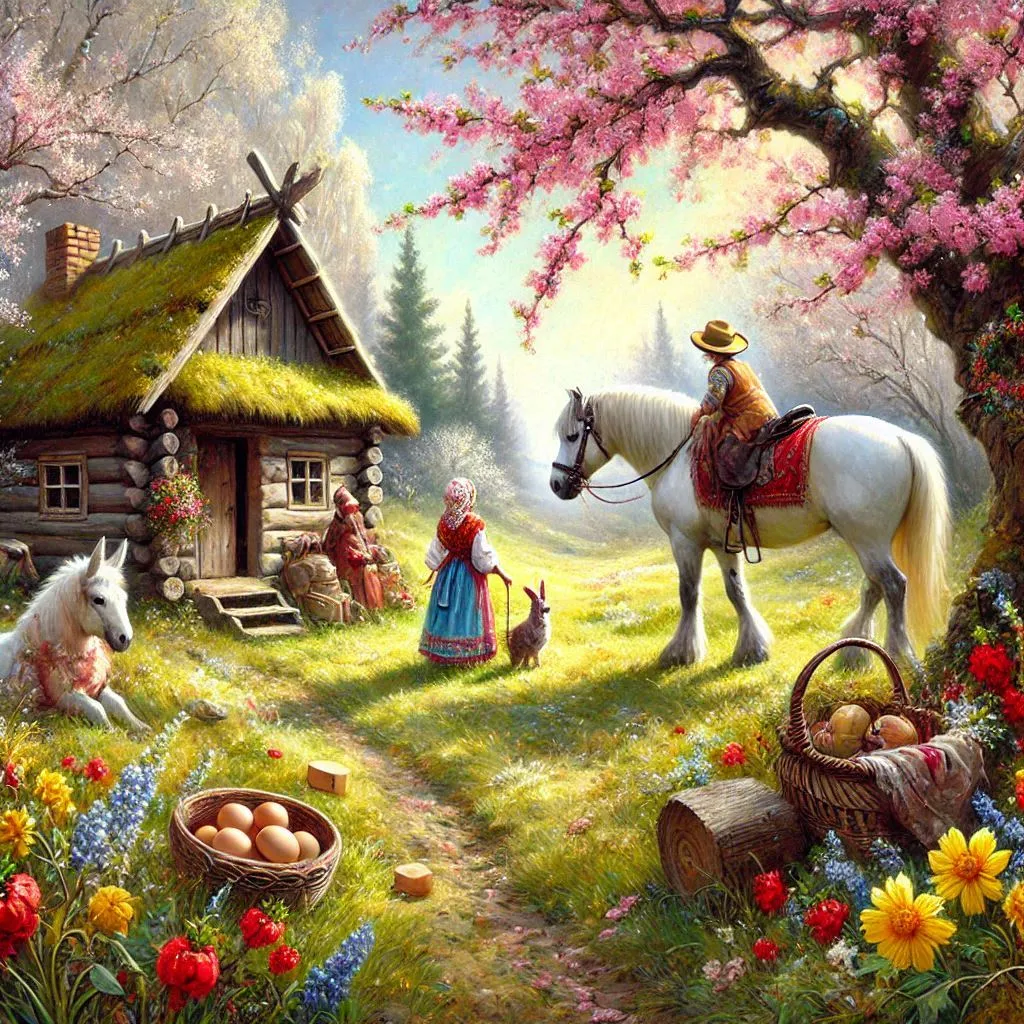
Looking for fun Spring Season Trivia Questions and Answers? You’re in the right place!
From blooming flowers and changing weather to spring holidays, animals, traditions, gardening, and fascinating seasonal facts, this collection is packed with questions to enjoy.
Whether you’re planning a spring party, classroom activity, family game, trivia night, or simply want to test yourself,
these Spring Season Trivia Questions and Answers offer an entertaining mix of easy, interesting, and challenging questions. Get ready to celebrate the season and see how many you can answer correctly!
Spring Season Trivia Questions and Answers for Seniors
1. What season comes after winter in the Northern Hemisphere?
A. Summer
B. Spring
C. Autumn
D. Winter
Answer: B. Spring
Explanation: Spring follows winter and comes before summer in the seasonal cycle.
Key Information: Spring is generally associated with warmer temperatures, blooming plants, and longer days.
2. Which month commonly marks the beginning of spring in the Northern Hemisphere?
A. March
B. June
C. September
D. December
Answer: A. March
Explanation: Astronomical spring begins around March in the Northern Hemisphere.
Key Information: The exact date varies slightly each year because of Earth’s orbit.
3. What is the spring equinox?
A. The longest day of the year
B. The shortest day of the year
C. A time when day and night are nearly equal
D. The hottest day of spring
Answer: C. A time when day and night are nearly equal
Explanation: Around the spring equinox, daylight and nighttime are approximately equal in length.
Key Information: The spring equinox usually occurs around March 20 in the Northern Hemisphere.
4. Which flowers are commonly associated with spring?
A. Tulips
B. Sunflowers
C. Chrysanthemums
D. Poinsettias
Answer: A. Tulips
Explanation: Tulips are popular spring-blooming flowers found in gardens around the world.
Key Information: Tulips come in many colors, including red, yellow, pink, purple, and white.
5. What process allows plants to produce new growth in spring?
A. Germination
B. Hibernation
C. Evaporation
D. Freezing
Answer: A. Germination
Explanation: Germination is the process by which a seed begins to grow into a new plant.
Key Information: Warmth, water, oxygen, and suitable conditions help many seeds germinate.
6. Which animals are famous for emerging from hibernation in spring?
A. Bears
B. Penguins
C. Sharks
D. Eagles
Answer: A. Bears
Explanation: Some bear species spend winter in dens with greatly reduced activity and emerge when conditions improve.
Key Information: Spring provides bears with increasing access to food after winter.
7. What weather phenomenon is especially common during spring thunderstorms?
A. Lightning
B. Blizzard
C. Avalanche
D. Ice fog
Answer: A. Lightning
Explanation: Spring can bring thunderstorms when warm and cool air masses meet.
Key Information: Thunderstorms can produce lightning, heavy rain, strong winds, and sometimes hail.
8. Which insect is strongly associated with spring flowers?
A. Butterfly
B. Cockroach
C. Termite
D. Flea
Answer: A. Butterfly
Explanation: Butterflies become more active as temperatures rise and flowers provide nectar.
Key Information: Butterflies also help pollinate many flowering plants.
9. What is pollination?
A. Transfer of pollen between flowers
B. Growth of roots
C. Formation of clouds
D. Falling of leaves
Answer: A. Transfer of pollen between flowers
Explanation: Pollination occurs when pollen is transferred to the reproductive parts of a flower.
Key Information: Bees, butterflies, birds, bats, and wind can all help with pollination.
10. Which bird is commonly associated with the arrival of spring?
A. Swallow
B. Penguin
C. Ostrich
D. Emu
Answer: A. Swallow
Explanation: Many swallow species migrate and return to breeding areas during spring.
Key Information: Bird migration is one of the most noticeable seasonal changes in spring.
11. What happens to daylight hours during spring in the Northern Hemisphere?
A. They generally increase
B. They disappear
C. They remain exactly the same
D. They become shorter
Answer: A. They generally increase
Explanation: As Earth moves toward the summer solstice, the Northern Hemisphere receives increasingly longer periods of daylight.
Key Information: Longer days help plants receive more sunlight for photosynthesis.
12. Which holiday is often associated with spring and decorated eggs?
A. Easter
B. Halloween
C. Thanksgiving
D. New Year’s Day
Answer: A. Easter
Explanation: Easter is traditionally celebrated in spring in the Northern Hemisphere, and decorated eggs are a common symbol.
Key Information: Eggs are often associated with new life and renewal.
13. What colorful natural event is often called a “spring bloom”?
A. Flowers opening
B. Leaves falling
C. Rivers freezing
D. Snow forming
Answer: A. Flowers opening
Explanation: A spring bloom occurs when plants produce flowers, often creating colorful displays.
Key Information: Blooming times depend on plant species, temperature, and location.
14. Which tree is famous for producing blossoms in spring?
A. Cherry tree
B. Pine tree
C. Palm tree
D. Fir tree
Answer: A. Cherry tree
Explanation: Cherry trees are celebrated for their beautiful spring blossoms.
Key Information: Cherry blossom festivals take place in many countries, especially Japan.
15. What is a common reason people begin gardening in spring?
A. Favorable growing conditions
B. Frozen soil
C. Shorter days
D. Heavy snowfall
Answer: A. Favorable growing conditions
Explanation: Increasing temperatures and daylight make spring a popular season for planting.
Key Information: The best planting time depends on the local climate and the type of plant.
16. Which season follows spring?
A. Summer
B. Winter
C. Autumn
D. Monsoon
Answer: A. Summer
Explanation: In the traditional four-season cycle, spring is followed by summer.
Key Information: Summer generally brings warmer temperatures and longer daylight in the Northern Hemisphere.
17. What is one common sign that spring has arrived?
A. Trees growing new leaves
B. Rivers freezing
C. Days becoming dramatically shorter
D. Permanent snow cover
Answer: A. Trees growing new leaves
Explanation: Many deciduous trees produce fresh leaves as temperatures rise in spring.
Key Information: New leaves allow trees to increase photosynthesis after winter.
18. Why do many animals have babies in spring?
A. Food becomes more abundant
B. Temperatures always reach freezing
C. Daylight disappears
D. Plants stop growing
Answer: A. Food becomes more abundant
Explanation: Spring often provides more insects, plants, and other food sources for young animals.
Key Information: Seasonal breeding helps many species raise offspring when resources are more plentiful.
19. Which natural process causes snow and ice to disappear as temperatures rise?
A. Melting
B. Freezing
C. Condensation
D. Crystallization
Answer: A. Melting
Explanation: When temperatures rise above the freezing point, solid water can change into liquid water.
Key Information: Melting snow contributes to increased water flow in many rivers and streams during spring.
20. What is spring most commonly associated with?
A. Renewal and new growth
B. Extreme darkness
C. Permanent freezing
D. Falling leaves
Answer: A. Renewal and new growth
Explanation: Spring brings new plant growth, blooming flowers, returning wildlife, and increasing daylight.
Key Information: Because of these changes, spring is widely viewed as a season of renewal and fresh beginnings.
Spring Season Trivia Questions and Answers for Adults
1. Which hemisphere experiences spring from approximately September to November?
A. Northern Hemisphere
B. Southern Hemisphere
C. Eastern Hemisphere
D. Western Hemisphere
Answer: B. Southern Hemisphere
Explanation: Seasons are reversed between the Northern and Southern Hemispheres.
Key Information: While the Northern Hemisphere experiences autumn, the Southern Hemisphere is experiencing spring.
2. What is another name for the spring equinox?
A. Vernal equinox
B. Winter solstice
C. Summer solstice
D. Autumnal equinox
Answer: A. Vernal equinox
Explanation: The spring equinox is also called the vernal equinox.
Key Information: It marks the astronomical beginning of spring in the Northern Hemisphere.
3. Which planet’s tilt is responsible for Earth’s changing seasons?
A. Earth
B. Mars
C. Jupiter
D. Venus
Answer: A. Earth
Explanation: Earth’s axial tilt, combined with its orbit around the Sun, causes seasonal changes.
Key Information: Earth’s axis is tilted by about 23.5 degrees.
4. What happens to many deciduous trees during spring?
A. They grow new leaves
B. They lose all their roots
C. They stop photosynthesis
D. They become dormant
Answer: A. They grow new leaves
Explanation: Warmer temperatures and increasing daylight trigger new leaf growth in many deciduous trees.
Key Information: Fresh leaves allow trees to capture sunlight and produce food through photosynthesis.
5. Which insect is one of the most important spring pollinators?
A. Bee
B. Mosquito
C. Flea
D. Cockroach
Answer: A. Bee
Explanation: Bees collect nectar and pollen from flowers while transferring pollen between plants.
Key Information: Pollination is essential for the reproduction of many flowering plants and crops.
6. What do many bees collect from flowers to make honey?
A. Nectar
B. Soil
C. Leaves
D. Tree bark
Answer: A. Nectar
Explanation: Honeybees collect nectar from flowers and process it into honey.
Key Information: Bees also collect pollen, which provides important nutrients for the colony.
7. Which spring flower is especially famous in the Netherlands?
A. Tulip
B. Cactus
C. Orchid
D. Sunflower
Answer: A. Tulip
Explanation: The Netherlands is world-famous for tulip cultivation and colorful spring displays.
Key Information: Tulips are one of the country’s best-known horticultural symbols.
8. What is Hanami traditionally associated with in Japan?
A. Cherry blossom viewing
B. Snowboarding
C. Harvesting wheat
D. Autumn leaf collecting
Answer: A. Cherry blossom viewing
Explanation: Hanami is the Japanese tradition of enjoying the beauty of flowering trees, especially cherry blossoms.
Key Information: Cherry blossoms are often associated with the temporary beauty of life.
9. Which type of weather can occur when warm and cold air meet during spring?
A. Thunderstorms
B. Sandstorms only
C. Blizzards only
D. Polar nights
Answer: A. Thunderstorms
Explanation: Spring weather can be unstable as warmer air begins to replace colder winter air.
Key Information: Spring thunderstorms can bring heavy rain, lightning, strong winds, and hail.
10. What is the process by which a caterpillar becomes a butterfly?
A. Metamorphosis
B. Photosynthesis
C. Pollination
D. Germination
Answer: A. Metamorphosis
Explanation: Butterflies undergo complete metamorphosis through egg, larva, pupa, and adult stages.
Key Information: The transformation from caterpillar to butterfly is commonly associated with spring and new life.
11. Which animal is commonly associated with spring because it produces eggs in gardens and fields?
A. Robin
B. Penguin
C. Polar bear
D. Seal
Answer: A. Robin
Explanation: Robins are familiar garden birds and are active during the spring breeding season.
Key Information: Their appearance and singing are often considered signs of warmer weather.
12. Why do many birds migrate northward during Northern Hemisphere spring?
A. To breed and find food
B. To avoid all sunlight
C. To find colder weather
D. To escape flowers
Answer: A. To breed and find food
Explanation: Many migratory birds return north when food becomes more plentiful and breeding conditions improve.
Key Information: Longer daylight hours also provide more time for birds to feed their young.
13. What is the term for animals becoming active again after winter dormancy?
A. Emergence
B. Freezing
C. Migration
D. Evaporation
Answer: A. Emergence
Explanation: Animals that spend winter dormant may become active again as temperatures rise.
Key Information: Spring emergence can be seen in insects, reptiles, amphibians, and some mammals.
14. Which amphibian is commonly heard calling during spring?
A. Frog
B. Penguin
C. Eagle
D. Ostrich
Answer: A. Frog
Explanation: Many frog species become active and call loudly during spring breeding periods.
Key Information: Frog calls help males attract mates and can be especially noticeable near ponds.
15. What happens to many ponds and lakes after winter as temperatures rise?
A. Ice melts
B. Water permanently freezes
C. They disappear
D. They turn into deserts
Answer: A. Ice melts
Explanation: Rising temperatures cause ice covering bodies of water to melt.
Key Information: Melting snow and ice can also increase water levels in rivers, lakes, and streams.
16. Which gardening activity is especially common during spring?
A. Planting seeds
B. Harvesting snow
C. Freezing soil
D. Removing all flowers
Answer: A. Planting seeds
Explanation: Spring’s warmer temperatures and increasing daylight create favorable conditions for many plants.
Key Information: Gardeners choose planting times based on local climate and the needs of specific crops.
17. What is a common spring vegetable?
A. Asparagus
B. Pumpkin
C. Watermelon
D. Sweet potato
Answer: A. Asparagus
Explanation: Asparagus is commonly harvested during spring in many regions.
Key Information: Other spring crops can include peas, radishes, and certain leafy greens.
18. Which weather event can cause colorful arcs in the sky after spring rain?
A. Rainbow
B. Tornado
C. Blizzard
D. Dust storm
Answer: A. Rainbow
Explanation: Rainbows form when sunlight interacts with water droplets in the atmosphere.
Key Information: The light is refracted, reflected, and dispersed into different colors.
19. What is the main source of energy that helps plants grow during spring?
A. Sunlight
B. Moonlight
C. Starlight
D. Wind alone
Answer: A. Sunlight
Explanation: Plants use sunlight as energy for photosynthesis.
Key Information: Increasing sunlight during spring supports new leaves, flowers, and plant growth.
20. Which phrase best describes spring in many parts of the world?
A. A season of renewal
B. A season of permanent darkness
C. A season of freezing temperatures everywhere
D. A season without plant growth
Answer: A. A season of renewal
Explanation: Spring is associated with new leaves, flowers, wildlife activity, and longer days.
Key Information: The season is widely recognized as a symbol of growth, renewal, and new beginnings.
Related: 156+ Groovy 1975 Trivia Questions and Answers
Easy Spring Season Trivia Questions and Answers
1. Which spring month comes immediately after March in the Northern Hemisphere?
A. April
B. May
C. June
D. February
Answer: A. April
Explanation: April follows March and is one of the three traditional spring months in the Northern Hemisphere.
Key Information: April is often associated with rain showers, blooming flowers, and warmer temperatures.
2. Which month is the final traditional month of spring in the Northern Hemisphere?
A. March
B. April
C. May
D. June
Answer: C. May
Explanation: In the meteorological calendar, spring includes March, April, and May.
Key Information: Summer begins meteorologically in June.
3. What is the first day of meteorological spring in the Northern Hemisphere?
A. March 1
B. March 20
C. April 1
D. May 1
Answer: A. March 1
Explanation: Meteorologists divide the year into three-month seasons, making March 1 the start of spring.
Key Information: Meteorological seasons are based on annual temperature patterns rather than Earth’s astronomical position.
4. Which season is opposite to spring in the Southern Hemisphere?
A. Summer
B. Autumn
C. Winter
D. Monsoon
Answer: B. Autumn
Explanation: When it is spring in the Northern Hemisphere, it is generally autumn in the Southern Hemisphere.
Key Information: Earth’s hemispheres experience opposite seasons because of the planet’s axial tilt.
5. What colorful flowers are especially associated with spring gardens?
A. Daffodils
B. Cacti
C. Poinsettias
D. Lotus only
Answer: A. Daffodils
Explanation: Daffodils are popular spring flowers recognized by their bright yellow or white blooms.
Key Information: They are perennial plants and often return year after year.
6. Which flower is commonly one of the earliest signs of spring?
A. Crocus
B. Sunflower
C. Hibiscus
D. Marigold
Answer: A. Crocus
Explanation: Crocuses can bloom very early in the season, sometimes appearing while snow is still present.
Key Information: Their early blooming makes them a popular symbol of the arrival of spring.
7. What do trees release into the air during pollination season?
A. Pollen
B. Nectar
C. Seeds only
D. Roots
Answer: A. Pollen
Explanation: Many trees release pollen that can be carried by wind or insects to other plants.
Key Information: Tree pollen is a common seasonal allergen during spring.
8. Which spring weather condition can make outdoor activities difficult because of allergies?
A. High pollen levels
B. Snowfall only
C. Freezing fog
D. Polar darkness
Answer: A. High pollen levels
Explanation: Plants release pollen as they reproduce, and airborne pollen can trigger allergies in some people.
Key Information: Tree pollen is often especially common early in spring.
9. Which animal is known for building nests during spring?
A. Birds
B. Sharks
C. Whales
D. Polar bears only
Answer: A. Birds
Explanation: Many bird species build or repair nests during their spring breeding season.
Key Information: Nests provide a protected place for birds to lay eggs and raise chicks.
10. What do baby birds hatch from?
A. Eggs
B. Seeds
C. Cocoons
D. Flowers
Answer: A. Eggs
Explanation: Most birds reproduce by laying eggs, which hatch after being incubated.
Key Information: Spring is an important breeding season for many bird species.
11. Which insect goes through a caterpillar stage before becoming an adult butterfly?
A. Butterfly
B. Bee
C. Dragonfly
D. Grasshopper
Answer: A. Butterfly
Explanation: Butterflies begin life as caterpillars before entering the pupa stage and emerging as adults.
Key Information: This complete life-cycle transformation is called metamorphosis.
12. What do butterflies primarily drink from flowers?
A. Nectar
B. Pollen only
C. Tree sap only
D. Rainwater
Answer: A. Nectar
Explanation: Adult butterflies use their long proboscis to drink liquid nectar from flowers.
Key Information: While feeding, butterflies can transfer pollen and contribute to pollination.
13. Which animal is famous for making honey during the warmer months?
A. Honeybee
B. Butterfly
C. Ladybug
D. Grasshopper
Answer: A. Honeybee
Explanation: Honeybees collect flower nectar and convert it into honey inside their colonies.
Key Information: Bees play a crucial role in pollinating many food crops.
14. What is one major reason spring is important for farmers?
A. Many crops can be planted
B. All crops stop growing
C. Soil permanently freezes
D. Daylight disappears
Answer: A. Many crops can be planted
Explanation: Warmer temperatures and longer daylight make spring suitable for planting many crops.
Key Information: Exact planting times vary according to climate, soil conditions, and crop type.
15. Which activity is commonly enjoyed during spring?
A. Hiking
B. Ice fishing only
C. Snowboarding only
D. Building igloos
Answer: A. Hiking
Explanation: Milder temperatures and blooming landscapes make spring popular for outdoor activities such as hiking.
Key Information: Spring conditions can vary widely, so appropriate clothing and preparation are important.
16. What type of tree is famous for its pink and white spring blossoms?
A. Cherry tree
B. Coconut palm
C. Pine tree
D. Cedar tree
Answer: A. Cherry tree
Explanation: Cherry trees produce spectacular blossoms that attract visitors in many regions.
Key Information: Cherry blossom viewing is particularly famous in Japan and Washington, D.C.
17. What is the scientific process by which green plants make food using sunlight?
A. Photosynthesis
B. Germination
C. Pollination
D. Respiration only
Answer: A. Photosynthesis
Explanation: Plants use sunlight, carbon dioxide, and water to produce sugars through photosynthesis.
Key Information: Oxygen is released as a byproduct of photosynthesis.
18. Why do many plants grow rapidly during spring?
A. More light and suitable temperatures
B. Less sunlight
C. Permanent freezing
D. Lack of water
Answer: A. More light and suitable temperatures
Explanation: Increasing daylight and warmer conditions encourage plant growth.
Key Information: Rainfall and soil moisture also play important roles in spring plant development.
19. Which natural event can cause streams and rivers to rise in spring?
A. Snowmelt
B. Freezing
C. Drought only
D. Falling leaves
Answer: A. Snowmelt
Explanation: Snow accumulated during winter can melt as temperatures rise, adding water to streams and rivers.
Key Information: Rapid snowmelt can sometimes contribute to spring flooding.
20. What does the word “vernal” mean when describing the equinox?
A. Related to spring
B. Related to winter
C. Related to summer
D. Related to autumn
Answer: A. Related to spring
Explanation: “Vernal” comes from a Latin word associated with spring.
Key Information: The term “vernal equinox” is another name for the spring equinox.
Related: 156+ Fascinating Yellowstone Trivia Questions and Answers
Questions About Spring Season with Answers
1. Which famous holiday is celebrated on March 17 during spring?
A. St. Patrick’s Day
B. Easter
C. Earth Day
D. Mother’s Day
Answer: A. St. Patrick’s Day
Explanation: St. Patrick’s Day is celebrated every year on March 17.
Key Information: The holiday honors Saint Patrick, the patron saint of Ireland.
2. On which date is Earth Day celebrated?
A. April 22
B. March 17
C. May 1
D. June 5
Answer: A. April 22
Explanation: Earth Day is observed annually on April 22 to promote environmental awareness.
Key Information: The first Earth Day was held in 1970.
3. Which international day is celebrated on May 1 in many countries?
A. International Workers’ Day
B. World Oceans Day
C. Earth Day
D. World Food Day
Answer: A. International Workers’ Day
Explanation: May 1 is widely observed as International Workers’ Day or Labour Day.
Key Information: The day has historical connections to workers’ rights and labor movements.
4. Which spring holiday is associated with colorful eggs and rabbits?
A. Easter
B. Halloween
C. Christmas
D. Valentine’s Day
Answer: A. Easter
Explanation: Easter traditions in many cultures include decorated eggs and rabbits.
Key Information: Easter is a Christian holiday celebrating the resurrection of Jesus Christ.
5. What do many deciduous plants do as spring temperatures rise?
A. Begin producing new leaves
B. Stop growing permanently
C. Lose their roots
D. Become covered in snow
Answer: A. Begin producing new leaves
Explanation: Warmer conditions and increasing sunlight trigger growth in many deciduous plants.
Key Information: New leaves allow plants to increase photosynthesis.
6. Which natural event occurs when flowers open and produce colorful displays?
A. Blooming
B. Freezing
C. Hibernation
D. Migration
Answer: A. Blooming
Explanation: Blooming refers to the process of a plant producing flowers.
Key Information: The timing of flowering depends on species, temperature, daylight, and location.
7. Which spring flower is traditionally associated with Wales?
A. Daffodil
B. Tulip
C. Rose
D. Lavender
Answer: A. Daffodil
Explanation: The daffodil is a national symbol of Wales.
Key Information: Daffodils are common spring-blooming flowers with bright yellow or white petals.
8. Which animal is commonly associated with spring because it returns from migration?
A. Swallow
B. Penguin
C. Polar bear
D. Walrus
Answer: A. Swallow
Explanation: Swallows migrate long distances and return to breeding areas as spring arrives.
Key Information: Seasonal migration allows birds to take advantage of abundant food and suitable nesting conditions.
9. What is the main purpose of bird migration in spring?
A. Breeding and finding food
B. Finding permanent winter
C. Avoiding daylight
D. Finding frozen lakes
Answer: A. Breeding and finding food
Explanation: Many birds migrate to areas where food is plentiful and conditions are suitable for raising young.
Key Information: Longer spring days provide additional daylight for feeding and nesting.
10. Which small animal is often associated with spring gardens?
A. Rabbit
B. Penguin
C. Seal
D. Polar bear
Answer: A. Rabbit
Explanation: Rabbits become especially noticeable in gardens and fields as vegetation grows in spring.
Key Information: Rabbits are herbivores and feed on grasses, leaves, and other plant material.
11. What happens to many frogs when spring arrives?
A. They become more active and breed
B. They permanently hibernate
C. They migrate to Antarctica
D. They stop eating
Answer: A. They become more active and breed
Explanation: Warmer temperatures and rainfall encourage many frog species to become active.
Key Information: Frog calls are often especially noticeable during spring breeding seasons.
12. Which natural sound is commonly heard during spring mornings?
A. Birdsong
B. Ice cracking
C. Blizzard winds
D. Avalanche noise
Answer: A. Birdsong
Explanation: Many birds sing during spring to attract mates and defend territories.
Key Information: Spring is an important breeding season for numerous bird species.
13. What do plants need from the Sun to perform photosynthesis?
A. Light energy
B. Snow
C. Wind
D. Darkness
Answer: A. Light energy
Explanation: Plants capture light energy from the Sun and use it to produce sugars.
Key Information: Photosynthesis is fundamental to plant growth and produces oxygen as a byproduct.
14. Which spring weather condition can produce hail?
A. Thunderstorms
B. Clear skies
C. Calm nights
D. Light fog
Answer: A. Thunderstorms
Explanation: Strong thunderstorms can contain powerful upward air currents that allow ice particles to grow into hailstones.
Key Information: Severe spring storms can sometimes produce large hail, strong winds, and tornadoes.
15. What is a tornado?
A. A rapidly rotating column of air
B. A type of spring flower
C. A frozen river
D. A cloudless rainstorm
Answer: A. A rapidly rotating column of air
Explanation: A tornado is a violently rotating column of air that extends from a thunderstorm toward the ground.
Key Information: Tornadoes can occur in many seasons, but spring is an important tornado season in several regions.
16. Which season usually comes immediately before spring?
A. Winter
B. Summer
C. Autumn
D. Monsoon
Answer: A. Winter
Explanation: In the traditional four-season cycle, winter is followed by spring.
Key Information: Spring marks the transition from colder winter conditions toward warmer summer conditions.
17. What happens to many lawns during spring?
A. Grass begins growing more actively
B. Grass permanently disappears
C. Grass becomes frozen
D. Grass turns into trees
Answer: A. Grass begins growing more actively
Explanation: Warmer temperatures, sunlight, and moisture encourage grass growth.
Key Information: Spring is a common time for mowing, fertilizing, and caring for lawns.
18. Which type of rain is often mentioned in connection with spring?
A. Spring showers
B. Acid snow
C. Ice rain only
D. Desert rain only
Answer: A. Spring showers
Explanation: “April showers” is a traditional phrase describing rainy weather often associated with spring.
Key Information: Rainfall during spring can help replenish soil moisture and support new plant growth.
19. What does spring symbolize in many cultures?
A. Renewal and rebirth
B. Permanent darkness
C. Freezing temperatures
D. The end of all growth
Answer: A. Renewal and rebirth
Explanation: New flowers, leaves, and animal life make spring a natural symbol of renewal.
Key Information: Spring imagery is frequently used to represent fresh beginnings and hope.
20. What major astronomical event marks the transition into summer?
A. Summer solstice
B. Spring equinox
C. Winter solstice
D. Autumn equinox
Answer: A. Summer solstice
Explanation: The summer solstice marks the astronomical beginning of summer in the Northern Hemisphere.
Key Information: It is typically the longest day of the year in terms of daylight in the Northern Hemisphere.
Questions About Spring Season for Kindergarten
1. Which type of tree often produces catkins during spring?
A. Willow
B. Palm
C. Coconut
D. Pineapple
Answer: A. Willow
Explanation: Willow trees can produce catkins in early spring as part of their reproductive cycle.
Key Information: Catkins are slender flower clusters found on several types of trees.
2. Which spring flower is famous for its trumpet-shaped blooms?
A. Daffodil
B. Rose
C. Daisy
D. Violet
Answer: A. Daffodil
Explanation: Daffodils have a distinctive central trumpet surrounded by petal-like segments.
Key Information: Daffodils commonly bloom in early spring and are popular garden plants.
3. What do squirrels often become more active in searching for during spring?
A. Food
B. Snow
C. Ice
D. Hibernation caves
Answer: A. Food
Explanation: As temperatures rise, squirrels become increasingly active and search for available food.
Key Information: Spring provides squirrels with access to fresh plants, seeds, insects, and other foods.
4. Which natural process causes seeds to begin growing?
A. Germination
B. Hibernation
C. Migration
D. Pollination
Answer: A. Germination
Explanation: Germination occurs when a seed begins developing into a seedling under suitable conditions.
Key Information: Water, oxygen, and appropriate temperature are important for most seeds to germinate.
5. What part of a plant usually grows downward during germination?
A. Root
B. Flower
C. Fruit
D. Leaf
Answer: A. Root
Explanation: The developing root usually grows downward into the soil to absorb water and nutrients.
Key Information: The young root is called the radicle.
6. Which spring activity involves removing unwanted plants from a garden?
A. Weeding
B. Pollinating
C. Harvesting snow
D. Hibernating
Answer: A. Weeding
Explanation: Weeding removes unwanted plants that compete with garden crops for sunlight, water, and nutrients.
Key Information: Regular weeding can help garden plants grow more successfully.
7. Which tool is commonly used to dig holes for spring planting?
A. Trowel
B. Hammer
C. Saw
D. Paintbrush
Answer: A. Trowel
Explanation: A garden trowel is a small handheld tool used for digging and planting.
Key Information: Trowels are especially useful for planting flowers and small vegetable seedlings.
8. Which vegetable is commonly planted during cool spring weather?
A. Peas
B. Coconut
C. Pineapple
D. Banana
Answer: A. Peas
Explanation: Peas generally grow well in cool conditions and are often planted early in the growing season.
Key Information: Peas can be grown in gardens and containers when conditions are suitable.
9. Which spring fruit is known for its bright red color and small seeds on its surface?
A. Strawberry
B. Banana
C. Orange
D. Coconut
Answer: A. Strawberry
Explanation: Strawberries are popular spring and early-summer fruits with tiny seeds called achenes on their surface.
Key Information: Strawberries are technically aggregate fruits formed from a single flower.
10. Which type of animal often gives birth to young during spring?
A. Deer
B. Penguin only
C. Whale only
D. Shark only
Answer: A. Deer
Explanation: Many deer populations have their young in late spring or early summer when food is plentiful.
Key Information: Baby deer are called fawns.
11. What is a baby deer called?
A. Fawn
B. Calf
C. Foal
D. Cub
Answer: A. Fawn
Explanation: A young deer is called a fawn.
Key Information: Fawns are often born with spotted coats that help camouflage them.
12. Which bird is famous for building nests in human-made birdhouses?
A. Bluebird
B. Penguin
C. Ostrich
D. Albatross
Answer: A. Bluebird
Explanation: Bluebirds commonly use natural cavities or artificial nesting boxes.
Key Information: Birdhouses can provide nesting opportunities where natural tree cavities are limited.
13. What is a baby bird commonly called?
A. Chick
B. Kitten
C. Calf
D. Foal
Answer: A. Chick
Explanation: “Chick” is a general term for a young bird.
Key Information: Young birds develop at different rates depending on their species.
14. Which insect produces colorful wings after completing metamorphosis?
A. Butterfly
B. Ant
C. Beetle only
D. Termite
Answer: A. Butterfly
Explanation: Butterflies emerge from their pupal stage with fully developed wings.
Key Information: Their life cycle consists of egg, caterpillar, pupa, and adult stages.
15. What do caterpillars primarily eat?
A. Plant leaves
B. Rocks
C. Ice
D. Tree roots only
Answer: A. Plant leaves
Explanation: Most caterpillars feed on leaves to obtain the energy needed for growth.
Key Information: Caterpillars can eat large amounts of plant material before entering the pupal stage.
16. Which spring event is associated with longer periods of daylight?
A. Spring equinox
B. Winter solstice
C. Lunar eclipse
D. Meteor shower
Answer: A. Spring equinox
Explanation: After the spring equinox, daylight generally continues increasing in the Northern Hemisphere until the summer solstice.
Key Information: The spring equinox occurs around March 20 in the Northern Hemisphere.
17. Which natural phenomenon can occur when sunlight passes through raindrops?
A. Rainbow
B. Earthquake
C. Tornado
D. Avalanche
Answer: A. Rainbow
Explanation: Water droplets refract, reflect, and disperse sunlight, producing the colors of a rainbow.
Key Information: A rainbow can appear when the Sun is behind the observer and rain is in front.
18. Why do spring temperatures generally become warmer in the Northern Hemisphere?
A. The hemisphere receives more direct sunlight
B. Earth stops rotating
C. The Moon gets closer to Earth
D. The Sun stops producing heat in winter
Answer: A. The hemisphere receives more direct sunlight
Explanation: Earth’s axial tilt causes the Northern Hemisphere to receive increasingly direct sunlight as it moves toward summer.
Key Information: Earth’s tilt, not changes in the Sun’s distance alone, is the main reason for the seasons.
19. Which spring phenomenon involves flowers opening at particular times of year?
A. Seasonal flowering
B. Hibernation
C. Freezing
D. Migration
Answer: A. Seasonal flowering
Explanation: Many plants time their flowering according to temperature, daylight, and other environmental signals.
Key Information: Seasonal flowering helps plants reproduce when pollinators are available.
20. What is one major benefit of spring rainfall for plants?
A. It provides water
B. It freezes their roots
C. It removes sunlight
D. It stops germination
Answer: A. It provides water
Explanation: Rain supplies plants and soil with water needed for growth and photosynthesis.
Key Information: Adequate spring rainfall can support healthy vegetation, although excessive rain can also cause flooding and soil problems.
Spring Trivia for Seniors Printable
1. Which spring phenomenon causes many trees to release pollen into the air?
A. Pollination
B. Hibernation
C. Germination
D. Migration
Answer: A. Pollination
Explanation: During the reproductive season, many trees release pollen that can be carried by wind to other plants.
Key Information: Tree pollen is one of the most common seasonal allergens in spring.
2. Which flower is commonly associated with Easter celebrations?
A. Lily
B. Cactus
C. Sunflower
D. Chrysanthemum
Answer: A. Lily
Explanation: Easter lilies are widely used as decorative flowers during Easter celebrations.
Key Information: The white lily is often associated with purity and new life.
3. What is the term for a plant that lives for more than two years?
A. Perennial
B. Annual
C. Biennial
D. Seasonal
Answer: A. Perennial
Explanation: Perennial plants survive for multiple years and often return each spring.
Key Information: Many popular spring flowers, including some tulips and daffodils, are perennial plants.
4. Which plant structure develops into a flower in many flowering plants?
A. Flower bud
B. Root hair
C. Seed coat
D. Thorn
Answer: A. Flower bud
Explanation: A flower bud contains the developing flower and eventually opens when conditions are suitable.
Key Information: Flower buds can be triggered by changes in temperature and daylight.
5. Which colorful insect is an important pollinator during spring?
A. Butterfly
B. Mosquito
C. Flea
D. Silverfish
Answer: A. Butterfly
Explanation: Butterflies visit flowers to feed on nectar and can transfer pollen between plants.
Key Information: Butterflies are especially active on warm, sunny days.
6. Which spring flower is known for its bell-shaped blooms?
A. Bluebell
B. Sunflower
C. Rose
D. Daisy
Answer: A. Bluebell
Explanation: Bluebells produce clusters of small bell-shaped flowers during spring.
Key Information: Bluebell displays can create beautiful carpets of flowers in woodland areas.
7. Which animal is often associated with spring because it lays eggs in ponds?
A. Frog
B. Rabbit
C. Deer
D. Squirrel
Answer: A. Frog
Explanation: Many frogs reproduce in spring by laying eggs in ponds, wetlands, and other bodies of water.
Key Information: Frog eggs hatch into tadpoles, which later undergo metamorphosis.
8. What is a young frog called?
A. Tadpole
B. Fawn
C. Chick
D. Calf
Answer: A. Tadpole
Explanation: A tadpole is the aquatic larval stage of a frog.
Key Information: Tadpoles gradually develop legs and lungs as they transform into adult frogs.
9. Which spring activity helps plants receive water directly at their roots?
A. Watering
B. Pruning only
C. Weeding only
D. Pollination
Answer: A. Watering
Explanation: Watering supplies moisture that plant roots need for growth and other biological processes.
Key Information: Overwatering can harm plants, so the correct amount depends on the species and conditions.
10. What is pruning?
A. Cutting selected plant parts
B. Planting seeds
C. Watering flowers
D. Collecting pollen
Answer: A. Cutting selected plant parts
Explanation: Pruning involves removing selected branches, stems, or other parts of a plant.
Key Information: Proper pruning can encourage healthy growth and improve the shape of many plants.
11. Which spring event is celebrated with colorful kites in some cultures?
A. Basant
B. Halloween
C. Christmas
D. Thanksgiving
Answer: A. Basant
Explanation: Basant is a traditional spring festival associated with kite flying in parts of South Asia.
Key Information: Celebrations and traditions connected with Basant vary by region.
12. Which country is especially famous for its spring cherry blossom season?
A. Japan
B. Iceland
C. Egypt
D. Morocco
Answer: A. Japan
Explanation: Japan is internationally famous for its cherry blossoms, known as sakura.
Key Information: Cherry blossom viewing, or hanami, is a major seasonal tradition in Japan.
13. What does “sakura” refer to?
A. Cherry blossoms
B. Spring rain
C. Tulip gardens
D. Spring winds
Answer: A. Cherry blossoms
Explanation: Sakura is the Japanese term commonly used for cherry blossoms.
Key Information: Sakura season is celebrated across Japan and attracts visitors from around the world.
14. Which spring festival is known for colorful powders in India?
A. Holi
B. Diwali
C. Pongal
D. Onam
Answer: A. Holi
Explanation: Holi is a vibrant festival traditionally celebrated with colored powders and water.
Key Information: Holi is associated with spring, joy, community, and the arrival of warmer weather.
15. Which natural process helps flowers produce seeds?
A. Pollination
B. Hibernation
C. Evaporation
D. Freezing
Answer: A. Pollination
Explanation: Pollination transfers pollen to the appropriate part of a flower, allowing fertilization to occur in flowering plants.
Key Information: Seeds produced after successful reproduction allow many plants to grow in future seasons.
16. Which animal is an important pollinator besides bees and butterflies?
A. Hummingbird
B. Penguin
C. Polar bear
D. Crocodile
Answer: A. Hummingbird
Explanation: Hummingbirds visit flowers for nectar and can carry pollen between blossoms.
Key Information: Birds are important pollinators for certain flowering plants, particularly in warmer regions.
17. What do many plants absorb from the soil through their roots?
A. Water and minerals
B. Sunlight
C. Oxygen only
D. Pollen
Answer: A. Water and minerals
Explanation: Plant roots absorb water and dissolved mineral nutrients from the soil.
Key Information: These resources support growth, photosynthesis, and other essential plant functions.
18. Which spring condition can help seeds germinate?
A. Moist soil
B. Completely dry soil
C. Permanent ice
D. Total darkness
Answer: A. Moist soil
Explanation: Most seeds require adequate moisture to begin the germination process.
Key Information: Different plant species have different temperature, moisture, and light requirements.
19. Which weather feature often accompanies spring showers?
A. Clouds
B. Earthquakes
C. Volcanic lava
D. Sand dunes
Answer: A. Clouds
Explanation: Rain usually develops from clouds containing enough moisture for precipitation.
Key Information: Spring weather can change quickly because different air masses frequently interact.
20. Why is spring considered an important season for ecosystems?
A. Plants grow and animals reproduce
B. All living things become dormant
C. Sunlight disappears
D. Water permanently freezes
Answer: A. Plants grow and animals reproduce
Explanation: Spring brings favorable conditions for vegetation, pollination, breeding, nesting, and feeding.
Key Information: These seasonal changes help support food webs and the life cycles of many species.
Spring Flower Trivia Questions and Answers
1. Which spring flower is known for its delicate white petals and yellow center?
A. Daisy
B. Tulip
C. Daffodil
D. Iris
Answer: A. Daisy
Explanation: Daisies are common flowering plants that can bloom during spring and are recognized by their white petals surrounding a yellow center.
Key Information: Daisies belong to the Asteraceae family, one of the largest plant families.
2. Which spring flower is often associated with Easter and has trumpet-shaped blooms?
A. Daffodil
B. Rose
C. Lavender
D. Marigold
Answer: A. Daffodil
Explanation: Daffodils produce distinctive trumpet-shaped flowers and are common in spring gardens.
Key Information: Daffodils belong to the genus Narcissus.
3. What is the main reason many flowers bloom in spring?
A. Favorable temperature and daylight
B. Permanent darkness
C. Frozen soil
D. Lack of water
Answer: A. Favorable temperature and daylight
Explanation: Increasing temperatures and longer daylight provide signals and conditions that encourage flowering.
Key Information: Different plants respond to different combinations of temperature, daylight, and moisture.
4. Which spring activity is especially popular for observing flowers and wildlife?
A. Nature walks
B. Ice skating
C. Snowboarding
D. Ice fishing
Answer: A. Nature walks
Explanation: Spring brings increased plant growth and animal activity, making nature walks a popular outdoor activity.
Key Information: Parks, gardens, forests, and nature reserves can offer excellent opportunities for spring observation.
5. What do bees primarily collect from flowers?
A. Nectar and pollen
B. Leaves and roots
C. Seeds and bark
D. Soil and water
Answer: A. Nectar and pollen
Explanation: Bees collect nectar for energy and pollen as a major source of nutrients.
Key Information: While visiting flowers, bees transfer pollen and help plants reproduce.
6. Which spring insect is known for its colorful wings?
A. Butterfly
B. Ant
C. Termite
D. Mosquito
Answer: A. Butterfly
Explanation: Butterflies are recognized for their colorful wings and become increasingly active during warmer weather.
Key Information: Butterflies undergo complete metamorphosis during their life cycle.
7. Which stage comes immediately before an adult butterfly?
A. Pupa
B. Egg
C. Caterpillar
D. Seed
Answer: A. Pupa
Explanation: The butterfly develops inside a pupa, also called a chrysalis, before emerging as an adult.
Key Information: The complete butterfly life cycle is egg, larva, pupa, and adult.
8. Which animal commonly builds a nest to raise its young during spring?
A. Bird
B. Dolphin
C. Whale
D. Elephant
Answer: A. Bird
Explanation: Many bird species build or repair nests during spring breeding season.
Key Information: Nests protect eggs and young birds from weather and predators.
9. What is a young rabbit commonly called?
A. Kit
B. Fawn
C. Calf
D. Foal
Answer: A. Kit
Explanation: A baby rabbit is commonly called a kit or kitten.
Key Information: Rabbits can reproduce rapidly when food and environmental conditions are favorable.
10. Which animal is commonly seen carrying nesting materials during spring?
A. Bird
B. Penguin
C. Seal
D. Shark
Answer: A. Bird
Explanation: Many birds collect twigs, grass, feathers, and other materials to construct their nests.
Key Information: Nest-building behavior varies greatly between bird species.
11. What is one common sign of spring in forests?
A. New leaves
B. Permanent snow
C. Frozen branches
D. Complete darkness
Answer: A. New leaves
Explanation: Many deciduous trees produce fresh leaves as temperatures rise and daylight increases.
Key Information: New leaves allow trees to resume high levels of photosynthesis.
12. Which spring weather condition can cause temporary flooding?
A. Heavy rainfall
B. Light sunshine
C. Dry air
D. Clear skies
Answer: A. Heavy rainfall
Explanation: Heavy spring rain can overwhelm rivers, streams, and drainage systems.
Key Information: Rapid snowmelt combined with heavy rainfall can increase the risk of flooding.
13. What happens to many insects when temperatures become warmer in spring?
A. They become more active
B. They all disappear
C. They permanently freeze
D. They stop reproducing
Answer: A. They become more active
Explanation: Warmer temperatures allow many insects to become active after winter dormancy.
Key Information: Increased insect activity provides food for many birds, amphibians, and other animals.
14. Which animal often feeds on insects that become abundant in spring?
A. Swallow
B. Penguin
C. Polar bear
D. Camel
Answer: A. Swallow
Explanation: Swallows are agile birds that commonly catch flying insects while in flight.
Key Information: Increased insect availability can help support birds during their breeding season.
15. Which spring phenomenon is caused by plants releasing pollen?
A. Seasonal allergies
B. Earthquakes
C. Tides
D. Eclipses
Answer: A. Seasonal allergies
Explanation: Airborne pollen from trees, grasses, and other plants can trigger allergic reactions in susceptible people.
Key Information: Tree pollen is often prominent in early spring, followed by grass pollen later in the season.
16. What is the name for the study of weather and atmospheric conditions?
A. Meteorology
B. Geology
C. Biology
D. Astronomy
Answer: A. Meteorology
Explanation: Meteorology is the scientific study of Earth’s atmosphere and weather.
Key Information: Meteorologists monitor temperature, precipitation, wind, pressure, and other conditions.
17. Which instrument measures temperature?
A. Thermometer
B. Barometer
C. Rain gauge
D. Anemometer
Answer: A. Thermometer
Explanation: A thermometer measures temperature, making it useful for tracking seasonal changes.
Key Information: Thermometers can measure air, water, soil, and body temperatures.
18. Which instrument measures rainfall?
A. Rain gauge
B. Thermometer
C. Compass
D. Barometer
Answer: A. Rain gauge
Explanation: A rain gauge collects and measures the amount of precipitation that falls over a period of time.
Key Information: Rainfall measurements are important for agriculture, weather forecasting, and water management.
19. Which spring condition is particularly helpful for growing crops?
A. Warmer soil
B. Frozen soil
C. Complete darkness
D. Permanent drought
Answer: A. Warmer soil
Explanation: Many seeds require suitable soil temperatures before they can germinate and grow effectively.
Key Information: Farmers consider soil temperature as well as air temperature when deciding when to plant.
20. What is one major difference between spring and winter in many regions?
A. Spring generally has increasing temperatures
B. Spring always has snow
C. Winter always has flowers
D. Winter has longer daylight
Answer: A. Spring generally has increasing temperatures
Explanation: Spring is a transition period when temperatures generally rise as the region moves toward summer.
Key Information: Seasonal patterns vary by location, but increasing warmth and daylight are common characteristics of spring.
FAQS
1. WHAT SEASON COMES AFTER WINTER?
Answer: Spring comes after winter and brings warmer temperatures, blooming flowers, and longer days.
2. WHICH MONTHS ARE COMMONLY ASSOCIATED WITH SPRING?
Answer: March, April, and May are commonly associated with spring in the Northern Hemisphere.
3. WHAT HAPPENS TO MANY TREES IN SPRING?
Answer: Many trees begin growing new leaves and blossoms as the weather becomes warmer.
4. WHAT IS A POPULAR SPRING FLOWER?
Answer: Tulips are popular spring flowers known for their bright colors and beautiful blooms.
Final Thoughts
Spring brings warmer days, colorful flowers, new growth, and plenty of exciting traditions to explore.
These Spring Season Trivia Questions and Answers are a fun way to learn interesting facts about the season while challenging your friends, family, classmates, or fellow trivia fans.
How many questions did you get right? Share your score, challenge someone else, and see who can become the ultimate spring trivia champion!
Read more:
135+ Shrek Trivia Questions and Answers
165+ The Walking Dead Trivia Questions and Answers