Meta Description
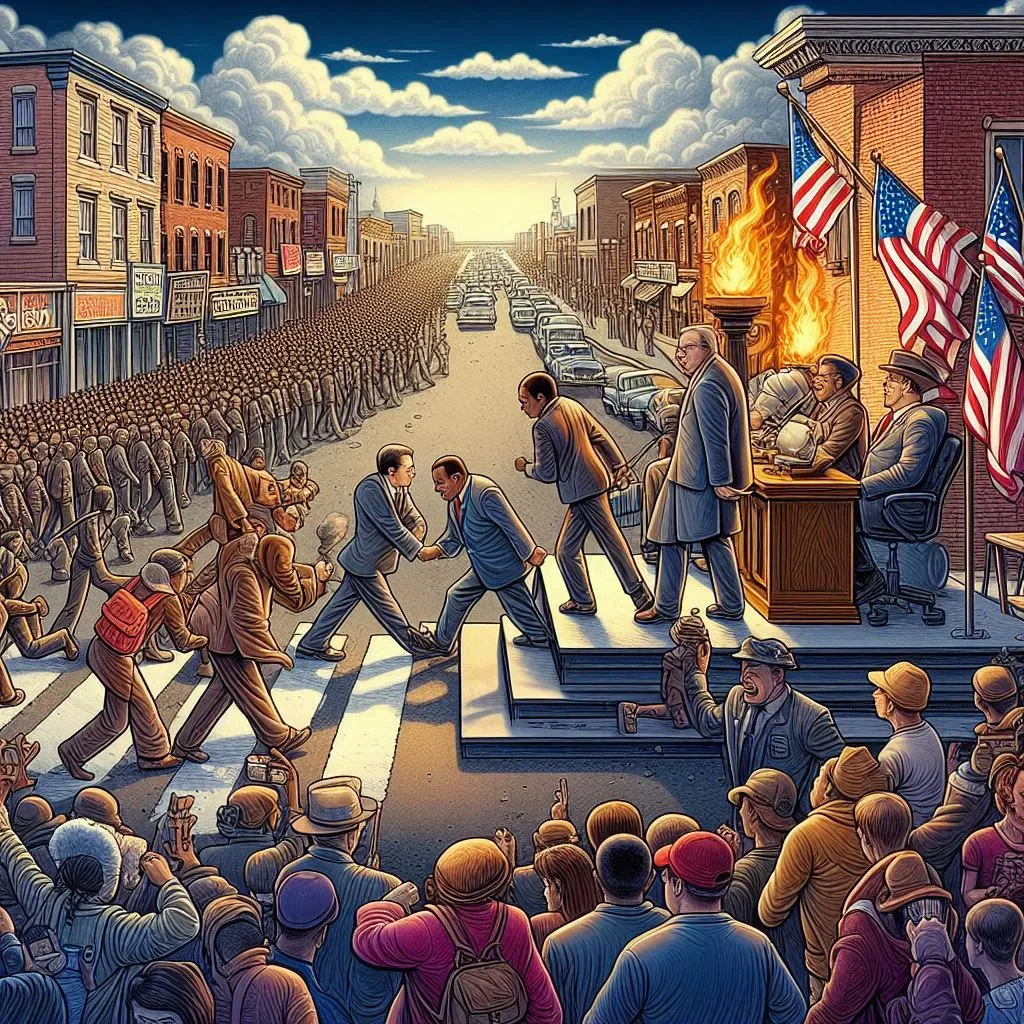
Test your knowledge with 122+ Civil Rights trivia questions and answers. Includes multiple-choice questions, explanations, and fun facts about key events, leaders, and milestones.
Introduction
The struggle for equality and justice has shaped societies across the world, inspiring generations to stand up for their rights. From powerful movements to influential leaders like Martin Luther King Jr., civil rights history is filled with meaningful stories and milestones.
Civil Rights Trivia Questions and Answers provide an engaging way to explore this important topic while testing your knowledge. Ideal for students, educators, and quiz lovers, this trivia collection combines learning with entertainment.
Challenge yourself, discover impactful facts, and deepen your understanding of civil rights in a fun and interactive way.
Table of Contents
History of Civil Rights
Why Civil Rights Trivia Is Popular
How to Play This Quiz
Trivia Questions (1–122)
Fun Facts
Did You Know
Challenge Round
Related Quiz Ideas
FAQs
Conclusion
History of Civil Rights
The civil rights movement primarily refers to the struggle for social justice and equal rights, especially in the United States during the 1950s and 1960s. Leaders like Martin Luther King Jr. and Rosa Parks helped challenge racial segregation and discrimination through peaceful protest, legal action, and grassroots organizing.
Why Civil Rights Trivia Is Popular
Civil rights trivia is popular because it blends education with engagement. It helps people understand history in a memorable way while encouraging awareness about equality and justice.
How to Play This Quiz
Read each question carefully
Choose the best answer A to D
Check the correct answer explanation and fact
Keep score to challenge yourself or others
Easy Civil Rights Trivia Questions and Answers
1. Question: Who refused to give up her bus seat in 1955
A. Harriet Tubman
B. Rosa Parks
C. Maya Angelou
D. Coretta Scott King
Correct Answer
✅ B. Rosa Parks
Explanation
Rosa Parks refused to give up her seat to a white passenger in Montgomery Alabama. This act sparked the Montgomery Bus Boycott.
Interesting Fact
The boycott lasted over a year and led to desegregation of buses.
2. Question: What speech is Martin Luther King Jr. famous for
A. Freedom Speech
B. Dream Speech
C. I Have a Dream
D. Justice Speech
Correct Answer
✅ C. I Have a Dream
Explanation
Delivered in 1963 during the March on Washington this speech became a defining moment in civil rights history.
Interesting Fact
Over 250000 people attended the march.
3. Question: What law ended segregation in public places
A. Civil Rights Act 1964
B. Freedom Act
C. Equality Act
D. Justice Law
Correct Answer
✅ A. Civil Rights Act 1964
Explanation
This law banned discrimination based on race color religion sex or national origin.
Interesting Fact
It also outlawed segregation in schools and workplaces.
4. Question: Which protest involved walking instead of riding buses
A. Freedom Walk
B. Montgomery Bus Boycott
C. Silent March
D. Civil Walk
Correct Answer
✅ B. Montgomery Bus Boycott
Explanation
African Americans refused to use buses to protest segregation laws.
Interesting Fact
It lasted 381 days.
5. Question: Who was a famous civil rights lawyer and Supreme Court justice
A. Malcolm X
B. Thurgood Marshall
C. Frederick Douglass
D. James Baldwin
Correct Answer
✅ B. Thurgood Marshall
Explanation
Marshall argued the Brown v Board case and later became the first Black Supreme Court justice.
Interesting Fact
He won 29 out of 32 cases before the Supreme Court.
Here’s Part 6 to 40 with bold numbering and full original content in your required format:
Easy to Medium Level
6. Question: Which event sparked the Montgomery Bus Boycott
A. A court ruling
B. Rosa Parks arrest
C. A speech
D. A protest march
Correct Answer
✅ B. Rosa Parks arrest
Explanation
Rosa Parks was arrested for refusing to give up her bus seat. This incident led the Black community to organize a boycott of city buses.
Interesting Fact
The boycott helped bring Martin Luther King Jr into national attention.
7. Question: What was the goal of the Civil Rights Movement
A. End taxation
B. Gain equal rights
C. Increase jobs
D. Expand territory
Correct Answer
✅ B. Gain equal rights
Explanation
The movement aimed to end racial discrimination and ensure equal rights under the law. It focused on justice fairness and opportunity.
Interesting Fact
The movement influenced equality laws around the world.
8. Question: Who led peaceful protests for civil rights
A. Malcolm X
B. Martin Luther King Jr
C. Marcus Garvey
D. Langston Hughes
Correct Answer
✅ B. Martin Luther King Jr
Explanation
Martin Luther King Jr promoted nonviolent resistance inspired by Mahatma Gandhi. His leadership shaped many major protests.
Interesting Fact
He was awarded the Nobel Peace Prize in 1964.
9. Question: What does segregation mean
A. Integration
B. Separation of races
C. Equality
D. Freedom
Correct Answer
✅ B. Separation of races
Explanation
Segregation refers to keeping people of different races apart especially in public spaces. It was enforced by laws in many states.
Interesting Fact
Segregation laws were known as Jim Crow laws.
10. Question: What was the March on Washington known for
A. Voting protest
B. Jobs rally
C. Famous speech
D. Court decision
Correct Answer
✅ C. Famous speech
Explanation
The March on Washington is remembered for the I Have a Dream speech delivered by Martin Luther King Jr.
Interesting Fact
It was one of the largest peaceful protests in US history.
11. Question: Who was the first Black Supreme Court justice
A. Barack Obama
B. Thurgood Marshall
C. Clarence Thomas
D. Colin Powell
Correct Answer
✅ B. Thurgood Marshall
Explanation
Thurgood Marshall was appointed to the Supreme Court in 1967. He previously fought against segregation in court.
Interesting Fact
He played a key role in the Brown v Board case.
12. Question: What year was the Civil Rights Act passed
A. 1950
B. 1964
C. 1970
D. 1945
Correct Answer
✅ B. 1964
Explanation
The Civil Rights Act of 1964 outlawed discrimination in public places and employment. It was a major victory for the movement.
Interesting Fact
President Lyndon B Johnson signed it into law.
13. Question: Which group organized student protests
A. NAACP
B. SNCC
C. FBI
D. CIA
Correct Answer
✅ B. SNCC
Explanation
The Student Nonviolent Coordinating Committee organized sit ins and protests led by young activists.
Interesting Fact
SNCC played a big role in Freedom Rides.
14. Question: What was a sit in
A. A speech
B. A protest by sitting
C. A march
D. A boycott
Correct Answer
✅ B. A protest by sitting
Explanation
Sit ins involved protesters sitting in segregated areas refusing to leave. This challenged unjust laws.
Interesting Fact
Sit ins often took place in restaurants and lunch counters.
15. Question: Who was Malcolm X known for
A. Peaceful protests
B. Black empowerment
C. Writing novels
D. Leading armies
Correct Answer
✅ B. Black empowerment
Explanation
Malcolm X encouraged pride self reliance and protection for Black communities. His views evolved later in life.
Interesting Fact
He became a global human rights advocate.
16. Question: What did the Voting Rights Act ensure
A. Equal pay
B. Voting access
C. School funding
D. Housing rights
Correct Answer
✅ B. Voting access
Explanation
The Voting Rights Act of 1965 removed barriers like literacy tests that prevented Black citizens from voting.
Interesting Fact
It led to a huge increase in voter registration.
17. Question: What was the Freedom Ride
A. Train protest
B. Bus protest
C. March
D. Court case
Correct Answer
✅ B. Bus protest
Explanation
Freedom Riders traveled on buses to challenge segregation laws in interstate travel.
Interesting Fact
They faced violence in several southern states.
18. Question: What does equality mean
A. Being different
B. Being treated fairly
C. Being separate
D. Being controlled
Correct Answer
✅ B. Being treated fairly
Explanation
Equality means all people have the same rights and opportunities regardless of background.
Interesting Fact
Equality is a core principle in democratic societies.
19. Question: What was Brown v Board about
A. Voting rights
B. School segregation
C. Housing
D. Employment
Correct Answer
✅ B. School segregation
Explanation
This case declared that segregated schools were unconstitutional. It changed education forever.
Interesting Fact
It overturned the separate but equal ruling.
20. Question: Who signed the Civil Rights Act
A. John Kennedy
B. Lyndon Johnson
C. Richard Nixon
D. Jimmy Carter
Correct Answer
✅ B. Lyndon Johnson
Explanation
President Lyndon B Johnson signed the Civil Rights Act into law in 1964.
Interesting Fact
He used his political power to push the law through Congress.
Related: 142+ Epic Civil War Trivia Questions
Civil Rights Trivia Questions and Answers for Students
21. Question: What did protests aim to change
A. Weather
B. Laws
C. Language
D. Food
Correct Answer
✅ B. Laws
Explanation
Civil rights protests were designed to change unfair laws and systems. They pushed for justice and equality.
Interesting Fact
Peaceful protests gained global attention.
22. Question: What is discrimination
A. Fair treatment
B. Unfair treatment
C. Equal rights
D. Freedom
Correct Answer
✅ B. Unfair treatment
Explanation
Discrimination happens when people are treated unfairly because of race gender or other factors.
Interesting Fact
Many laws today aim to prevent discrimination.
23. Question: Who led the Selma marches
A. Malcolm X
B. Martin Luther King Jr
C. Rosa Parks
D. W E B Du Bois
Correct Answer
✅ B. Martin Luther King Jr
Explanation
Martin Luther King Jr helped lead marches in Selma Alabama to demand voting rights.
Interesting Fact
These marches led to the Voting Rights Act.
24. Question: What was the main goal of boycotts
A. Spend more money
B. Avoid services
C. Build schools
D. Start wars
Correct Answer
✅ B. Avoid services
Explanation
Boycotts involved refusing to use services to protest unfair treatment.
Interesting Fact
They were a powerful nonviolent tool.
25. Question: What type of protest is nonviolent
A. Fighting
B. Peaceful action
C. War
D. Rioting
Correct Answer
✅ B. Peaceful action
Explanation
Nonviolent protests avoid harm and focus on peaceful resistance.
Interesting Fact
This strategy gained worldwide respect.
26. Question: What was the purpose of the NAACP
A. Promote sports
B. Fight discrimination
C. Build roads
D. Run schools
Correct Answer
✅ B. Fight discrimination
Explanation
The NAACP worked through legal action to end racial injustice.
Interesting Fact
It is one of the oldest civil rights organizations.
27. Question: What did activists demand
A. More taxes
B. Equal rights
C. Less education
D. Fewer jobs
Correct Answer
✅ B. Equal rights
Explanation
Activists demanded fairness and equal treatment in all areas of life.
Interesting Fact
Their efforts changed major laws.
28. Question: What was a key method of protest
A. Silence
B. Violence
C. Peaceful resistance
D. Isolation
Correct Answer
✅ C. Peaceful resistance
Explanation
Peaceful resistance involved marches boycotts and sit ins.
Interesting Fact
It influenced other global movements.
29. Question: What did civil rights laws aim to do
A. Divide people
B. Unite people
C. Create inequality
D. Limit freedom
Correct Answer
✅ B. Unite people
Explanation
These laws aimed to bring fairness and unity by ending discrimination.
Interesting Fact
They continue to shape society today.
30. Question: What was the role of courts
A. Ignore issues
B. Enforce laws
C. Build cities
D. Teach students
Correct Answer
✅ B. Enforce laws
Explanation
Courts played a key role in interpreting laws and ending segregation.
Interesting Fact
Many landmark cases changed history.
31. Question: What is justice
A. Fairness
B. Power
C. Control
D. Wealth
Correct Answer
✅ A. Fairness
Explanation
Justice means treating people fairly and upholding rights.
Interesting Fact
It is a key value in civil rights movements.
32. Question: What did freedom mean to activists
A. Control
B. Equality and rights
C. Wealth
D. Fame
Correct Answer
✅ B. Equality and rights
Explanation
Freedom meant having equal opportunities and protection under the law.
Interesting Fact
Freedom songs were sung during protests.
33. Question: What role did students play
A. No role
B. Led protests
C. Built roads
D. Fought wars
Correct Answer
✅ B. Led protests
Explanation
Students were active in organizing protests and sit ins.
Interesting Fact
Youth played a major role in change.
34. Question: What was segregation based on
A. Age
B. Race
C. Height
D. Job
Correct Answer
✅ B. Race
Explanation
Segregation laws separated people based on race especially in the US South.
Interesting Fact
These laws lasted for decades.
35. Question: What did marches show
A. Anger
B. Unity
C. Fear
D. Silence
Correct Answer
✅ B. Unity
Explanation
Marches brought people together to show collective support for equality.
Interesting Fact
Some marches attracted thousands of participants.
36. Question: What did speeches inspire
A. Confusion
B. Action
C. Silence
D. Fear
Correct Answer
✅ B. Action
Explanation
Powerful speeches encouraged people to join the movement and demand change.
Interesting Fact
Many speeches are still studied today.
37. Question: What is a civil right
A. A job
B. A basic freedom
C. A law book
D. A protest
Correct Answer
✅ B. A basic freedom
Explanation
Civil rights are basic freedoms guaranteed to all citizens such as equality and justice.
Interesting Fact
They are protected by law.
38. Question: What did activists risk
A. Nothing
B. Their safety
C. Money only
D. Time only
Correct Answer
✅ B. Their safety
Explanation
Many activists faced arrest violence and threats for their actions.
Interesting Fact
Their courage helped bring lasting change.
39. Question: What did media coverage do
A. Hide events
B. Spread awareness
C. Stop protests
D. End laws
Correct Answer
✅ B. Spread awareness
Explanation
Media showed the reality of discrimination to the world.
Interesting Fact
Television played a major role in public opinion.
40. Question: What is equality under law
A. Different rules
B. Same rules for all
C. No laws
D. Private laws
Correct Answer
✅ B. Same rules for all
Explanation
Equality under law means everyone is treated the same regardless of background.
Interesting Fact
It is a foundation of democratic systems.
Related: 120+ Ultimate Constitution Trivia Questions and Answers
Civil Rights Movement Trivia Questions and Answers
41. Question: Which amendment granted equal protection under the law
A. 10th Amendment
B. 14th Amendment
C. 1st Amendment
D. 5th Amendment
Correct Answer
✅ B. 14th Amendment
Explanation
The 14th Amendment ensures equal protection and due process for all citizens. It became a foundation for many civil rights cases.
Interesting Fact
It was adopted in 1868 after the Civil War.
42. Question: What was the main focus of the Selma marches
A. Education
B. Voting rights
C. Employment
D. Housing
Correct Answer
✅ B. Voting rights
Explanation
The Selma marches highlighted the barriers Black citizens faced when trying to vote. They helped push for federal voting protections.
Interesting Fact
The events became known as Bloody Sunday due to violence against marchers.
43. Question: Which organization was led by Martin Luther King Jr
A. NAACP
B. SCLC
C. SNCC
D. CORE
Correct Answer
✅ B. SCLC
Explanation
The Southern Christian Leadership Conference focused on nonviolent protest and civil rights reform.
Interesting Fact
It played a major role in organizing marches and campaigns.
44. Question: What did the Freedom Summer campaign focus on
A. Education reform
B. Voter registration
C. Housing rights
D. Job training
Correct Answer
✅ B. Voter registration
Explanation
Freedom Summer aimed to register Black voters in the South. Volunteers worked despite threats and violence.
Interesting Fact
It took place in Mississippi in 1964.
45. Question: Who was Medgar Evers
A. Lawyer
B. Activist
C. President
D. Judge
Correct Answer
✅ B. Activist
Explanation
Medgar Evers was a civil rights activist who worked to end segregation. He was assassinated for his efforts.
Interesting Fact
He was a field secretary for the NAACP.
46. Question: What was the purpose of the Civil Rights Act
A. Increase taxes
B. End discrimination
C. Build schools
D. Expand trade
Correct Answer
✅ B. End discrimination
Explanation
The Civil Rights Act aimed to eliminate discrimination in public places and employment.
Interesting Fact
It was one of the most important laws of the 20th century.
47. Question: What role did churches play in the movement
A. None
B. Leadership and organization
C. Business
D. Government control
Correct Answer
✅ B. Leadership and organization
Explanation
Churches served as meeting places and centers for organizing protests. Many leaders were ministers.
Interesting Fact
Religious songs became protest anthems.
48. Question: What did the term integration mean
A. Separation
B. Inclusion
C. Division
D. Isolation
Correct Answer
✅ B. Inclusion
Explanation
Integration means bringing people of different races together in shared spaces.
Interesting Fact
It replaced segregation in schools and public areas.
49. Question: Which event involved crossing a bridge in Selma
A. Freedom Ride
B. Bloody Sunday
C. Bus Boycott
D. Sit in
Correct Answer
✅ B. Bloody Sunday
Explanation
Peaceful marchers were attacked while crossing the Edmund Pettus Bridge.
Interesting Fact
The event shocked the nation and led to federal action.
50. Question: What was CORE
A. A school
B. Civil rights group
C. Government agency
D. Court
Correct Answer
✅ B. Civil rights group
Explanation
The Congress of Racial Equality organized protests and Freedom Rides.
Interesting Fact
CORE was founded in 1942.
51. Question: What was the aim of sit ins
A. Start violence
B. Challenge segregation
C. Build businesses
D. Raise money
Correct Answer
✅ B. Challenge segregation
Explanation
Sit ins directly confronted segregated services by refusing to leave.
Interesting Fact
They often led to arrests of protesters.
52. Question: Who wrote about civil rights struggles in essays and books
A. James Baldwin
B. Malcolm X
C. MLK Jr
D. Thurgood Marshall
Correct Answer
✅ A. James Baldwin
Explanation
James Baldwin used writing to highlight racial injustice and inequality.
Interesting Fact
His works influenced public opinion worldwide.
53. Question: What was the main idea of nonviolence
A. Attack back
B. Peaceful resistance
C. Avoid action
D. Ignore laws
Correct Answer
✅ B. Peaceful resistance
Explanation
Nonviolence means resisting injustice without physical force. It aimed to win moral support.
Interesting Fact
It was inspired by Gandhi methods.
54. Question: What did activists seek in education
A. Separation
B. Equal access
C. Less funding
D. Fewer schools
Correct Answer
✅ B. Equal access
Explanation
Activists wanted equal educational opportunities for all races.
Interesting Fact
Education became a key battleground for civil rights.
55. Question: What was a freedom song
A. A national anthem
B. Protest music
C. Military song
D. Church hymn only
Correct Answer
✅ B. Protest music
Explanation
Freedom songs inspired and united protesters during marches.
Interesting Fact
Many were adapted from spiritual songs.
56. Question: What did activists face during protests
A. Rewards
B. Violence
C. Celebrations
D. Fame
Correct Answer
✅ B. Violence
Explanation
Protesters often faced police brutality and public hostility.
Interesting Fact
Images of violence helped gain sympathy worldwide.
57. Question: What was the goal of equality laws
A. Divide society
B. Ensure fairness
C. Limit rights
D. Control groups
Correct Answer
✅ B. Ensure fairness
Explanation
Equality laws aimed to give everyone the same legal rights.
Interesting Fact
They continue to evolve today.
58. Question: What was a boycott strategy
A. Spend more
B. Refuse services
C. Start businesses
D. Join government
Correct Answer
✅ B. Refuse services
Explanation
Boycotts pressured businesses by reducing income.
Interesting Fact
They were highly effective in the movement.
59. Question: What did legal cases achieve
A. Delay change
B. Create change
C. Stop protests
D. Increase taxes
Correct Answer
✅ B. Create change
Explanation
Court rulings helped end discriminatory laws.
Interesting Fact
Many victories came through the Supreme Court.
60. Question: What was the role of youth
A. No role
B. Active leadership
C. Government jobs
D. Military action
Correct Answer
✅ B. Active leadership
Explanation
Young people led protests and brought energy to the movement.
Interesting Fact
Student groups organized many demonstrations.
Related: 105+ Funny Monday Trivia Questions and Answers
Civil Rights Questions and Answers for Discussion
61. Question: What did activists demand in jobs
A. Less work
B. Equal opportunity
C. Higher taxes
D. Fewer workers
Correct Answer
✅ B. Equal opportunity
Explanation
They demanded fair hiring and equal pay regardless of race.
Interesting Fact
Workplace equality became law in 1964.
62. Question: What was the purpose of marches
A. Entertainment
B. Show unity
C. Avoid change
D. Stop laws
Correct Answer
✅ B. Show unity
Explanation
Marches demonstrated collective support for civil rights.
Interesting Fact
Some marches influenced national legislation.
63. Question: What did protests highlight
A. Wealth
B. Injustice
C. Peace only
D. Culture
Correct Answer
✅ B. Injustice
Explanation
Protests exposed unfair treatment and inequality.
Interesting Fact
Media coverage amplified their message.
64. Question: What is civil disobedience
A. Following rules
B. Breaking unjust laws peacefully
C. Ignoring protests
D. Fighting authority
Correct Answer
✅ B. Breaking unjust laws peacefully
Explanation
Civil disobedience involves refusing to obey unfair laws to bring change.
Interesting Fact
It has been used worldwide for justice movements.
65. Question: What did activists hope to achieve
A. Fame
B. Equality
C. Wealth
D. Control
Correct Answer
✅ B. Equality
Explanation
The ultimate goal was equal rights and justice for all.
Interesting Fact
Their efforts changed history.
66. Question: What role did media play
A. Hide truth
B. Spread awareness
C. Stop protests
D. Control laws
Correct Answer
✅ B. Spread awareness
Explanation
Media coverage showed injustices to a wide audience.
Interesting Fact
Television helped influence public opinion.
67. Question: What was segregation challenged by
A. Violence
B. Laws and protests
C. Silence
D. Ignorance
Correct Answer
✅ B. Laws and protests
Explanation
Segregation ended through both legal action and public protest.
Interesting Fact
Multiple strategies worked together.
68. Question: What did civil rights leaders promote
A. Division
B. Unity
C. Fear
D. Control
Correct Answer
✅ B. Unity
Explanation
Leaders encouraged cooperation and equality among all people.
Interesting Fact
Unity strengthened the movement.
69. Question: What did court rulings do
A. Stop change
B. Support equality
C. Delay justice
D. Ignore laws
Correct Answer
✅ B. Support equality
Explanation
Courts helped remove discriminatory practices through decisions.
Interesting Fact
Many rulings are still referenced today.
70. Question: What did protests demand from government
A. Less laws
B. Fair laws
C. More taxes
D. Less education
Correct Answer
✅ B. Fair laws
Explanation
Activists demanded that governments pass laws ensuring equality.
Interesting Fact
This led to major reforms in the 1960s.
71. Question: What was a major outcome of the movement
A. Division
B. Legal equality
C. War
D. Isolation
Correct Answer
✅ B. Legal equality
Explanation
The movement resulted in laws guaranteeing equal rights.
Interesting Fact
It influenced future equality movements.
72. Question: What was the role of speeches
A. Entertain
B. Inspire change
C. Stop protests
D. Confuse people
Correct Answer
✅ B. Inspire change
Explanation
Speeches motivated people to act and join the cause.
Interesting Fact
Some speeches remain famous today.
73. Question: What was challenged in public spaces
A. Taxes
B. Segregation
C. Education
D. Jobs
Correct Answer
✅ B. Segregation
Explanation
Activists fought to end racial separation in public areas.
Interesting Fact
Public facilities were a major focus.
74. Question: What did activists seek in housing
A. Separation
B. Equal access
C. Higher rent
D. Less space
Correct Answer
✅ B. Equal access
Explanation
They wanted fair housing opportunities without discrimination.
Interesting Fact
Housing rights became law later in 1968.
75. Question: What did unity create
A. Division
B. Strength
C. Fear
D. Conflict
Correct Answer
✅ B. Strength
Explanation
Unity among activists made the movement stronger and more effective.
Interesting Fact
Coalitions helped achieve major victories.
76. Question: What did protests influence
A. Weather
B. Laws
C. Nature
D. Trade
Correct Answer
✅ B. Laws
Explanation
Public pressure led lawmakers to change discriminatory laws.
Interesting Fact
Protests often led directly to legislation.
77. Question: What did fairness mean
A. Unequal treatment
B. Equal treatment
C. Control
D. Power
Correct Answer
✅ B. Equal treatment
Explanation
Fairness means everyone is treated equally regardless of differences.
Interesting Fact
It is a key principle of justice systems.
78. Question: What did activism require
A. Fear
B. Courage
C. Wealth
D. Silence
Correct Answer
✅ B. Courage
Explanation
Activists risked their lives and safety to fight for justice.
Interesting Fact
Many were arrested for their efforts.
79. Question: What was the impact of civil rights laws
A. Increase inequality
B. Reduce discrimination
C. Stop education
D. Limit rights
Correct Answer
✅ B. Reduce discrimination
Explanation
These laws helped reduce unfair treatment in society.
Interesting Fact
They are still enforced today.
80. Question: What is the legacy of the movement
A. Division
B. Equality progress
C. Conflict
D. Isolation
Correct Answer
✅ B. Equality progress
Explanation
The movement left a lasting impact by advancing civil rights and freedoms.
Interesting Fact
It continues to inspire movements worldwide.
Civil Rights Training Quiz Questions with Answers
81. Question: Which organization did W E B Du Bois help found
A. SCLC
B. NAACP
C. SNCC
D. CORE
Correct Answer
✅ B. NAACP
Explanation
W E B Du Bois was one of the founders of the NAACP which focused on legal strategies to fight racial injustice.
Interesting Fact
The NAACP was established in 1909 and is still active today.
82. Question: What was the primary goal of the Freedom Rides
A. Improve education
B. Test desegregation laws
C. Promote jobs
D. Expand housing
Correct Answer
✅ B. Test desegregation laws
Explanation
Freedom Riders traveled across states to challenge segregation in interstate bus travel.
Interesting Fact
They were often attacked by mobs during their journeys.
83. Question: Which act prohibited discrimination in voting
A. Civil Rights Act
B. Voting Rights Act
C. Education Act
D. Fair Housing Act
Correct Answer
✅ B. Voting Rights Act
Explanation
The Voting Rights Act of 1965 removed barriers like literacy tests that restricted voting access.
Interesting Fact
It significantly increased voter registration among Black citizens.
84. Question: What did the Fair Housing Act address
A. School access
B. Housing discrimination
C. Job equality
D. Voting laws
Correct Answer
✅ B. Housing discrimination
Explanation
The Fair Housing Act of 1968 made it illegal to discriminate when selling or renting housing.
Interesting Fact
It was passed shortly after the assassination of Martin Luther King Jr.
85. Question: Who was Ella Baker known for
A. Writing novels
B. Grassroots organizing
C. Supreme Court rulings
D. Military leadership
Correct Answer
✅ B. Grassroots organizing
Explanation
Ella Baker believed in empowering local communities and helped organize major civil rights groups.
Interesting Fact
She played a key role in forming SNCC.
86. Question: What was the purpose of the 24th Amendment
A. End segregation
B. Ban poll taxes
C. Improve education
D. Expand housing
Correct Answer
✅ B. Ban poll taxes
Explanation
The 24th Amendment eliminated poll taxes in federal elections making voting more accessible.
Interesting Fact
Poll taxes had been used to prevent poor and Black citizens from voting.
87. Question: What was the main issue in Plessy v Ferguson
A. Voting rights
B. Segregation legality
C. Housing
D. Employment
Correct Answer
✅ B. Segregation legality
Explanation
This 1896 case upheld segregation under the separate but equal doctrine.
Interesting Fact
It was overturned by Brown v Board of Education.
88. Question: What did the Greensboro sit ins protest
A. Schools
B. Segregated lunch counters
C. Voting laws
D. Housing
Correct Answer
✅ B. Segregated lunch counters
Explanation
Students protested by sitting at whites only lunch counters and refusing to leave.
Interesting Fact
The protests spread to many cities.
89. Question: What was the main goal of the March on Washington
A. Housing reform
B. Jobs and freedom
C. Military reform
D. Tax reduction
Correct Answer
✅ B. Jobs and freedom
Explanation
The march demanded economic and civil rights for African Americans.
Interesting Fact
It took place in 1963 in Washington DC.
90. Question: Who was Fannie Lou Hamer
A. Judge
B. Activist
C. President
D. Lawyer
Correct Answer
✅ B. Activist
Explanation
Fannie Lou Hamer fought for voting rights and equality in Mississippi.
Interesting Fact
She helped found the Mississippi Freedom Democratic Party.
91. Question: What was the role of the Supreme Court in civil rights
A. Create protests
B. Interpret laws
C. Lead marches
D. Run elections
Correct Answer
✅ B. Interpret laws
Explanation
The Supreme Court reviewed laws and made decisions that shaped civil rights policies.
Interesting Fact
Its rulings often set national precedents.
92. Question: What did the Civil Rights Act ban in workplaces
A. Promotions
B. Discrimination
C. Hiring
D. Salaries
Correct Answer
✅ B. Discrimination
Explanation
The act made it illegal to discriminate in hiring firing or promotions.
Interesting Fact
It also created the Equal Employment Opportunity Commission.
93. Question: What was the significance of Little Rock Nine
A. Voting protest
B. School integration
C. Housing reform
D. Job equality
Correct Answer
✅ B. School integration
Explanation
Nine Black students integrated Central High School under federal protection.
Interesting Fact
The event required intervention by federal troops.
94. Question: What did activists demand in transportation
A. Free travel
B. Desegregation
C. More buses
D. Faster service
Correct Answer
✅ B. Desegregation
Explanation
Activists pushed for equal access to public transportation.
Interesting Fact
Bus boycotts played a key role in this effort.
95. Question: What was the impact of the Selma marches
A. Housing laws
B. Voting laws
C. Education laws
D. Job laws
Correct Answer
✅ B. Voting laws
Explanation
The marches helped lead to the passage of the Voting Rights Act.
Interesting Fact
They gained national attention through media coverage.
96. Question: What was the Black Power movement focused on
A. Peace only
B. Self determination
C. Government control
D. Isolation
Correct Answer
✅ B. Self determination
Explanation
The Black Power movement emphasized pride independence and control over communities.
Interesting Fact
It emerged in the late 1960s.
97. Question: What role did women play in the movement
A. Minor role
B. Leadership and support
C. No role
D. Only observers
Correct Answer
✅ B. Leadership and support
Explanation
Women organized events led groups and played crucial roles behind the scenes.
Interesting Fact
Many female leaders were not fully recognized at the time.
98. Question: What was the main goal of legal challenges
A. Delay change
B. End unfair laws
C. Promote violence
D. Build institutions
Correct Answer
✅ B. End unfair laws
Explanation
Legal challenges aimed to overturn discriminatory laws in courts.
Interesting Fact
Many cases reached the Supreme Court.
99. Question: What did protests in Birmingham highlight
A. Housing issues
B. Police brutality
C. School funding
D. Employment
Correct Answer
✅ B. Police brutality
Explanation
Images of violent responses to peaceful protests shocked the nation.
Interesting Fact
They helped build support for civil rights laws.
100. Question: What was the purpose of Freedom Schools
A. Teach trades
B. Educate students on rights
C. Train soldiers
D. Build skills
Correct Answer
✅ B. Educate students on rights
Explanation
Freedom Schools taught African American history and civil rights.
Interesting Fact
They were part of Freedom Summer.
Civil Rights Questions and Answers for Adults
101. Question: What did activists demand in law enforcement
A. Less police
B. Fair treatment
C. More arrests
D. Higher taxes
Correct Answer
✅ B. Fair treatment
Explanation
Activists sought equal and just treatment by police and legal systems.
Interesting Fact
This remains an important issue today.
102. Question: What did the term civil liberties refer to
A. Economic rights
B. Personal freedoms
C. Job access
D. Housing laws
Correct Answer
✅ B. Personal freedoms
Explanation
Civil liberties include freedoms like speech religion and assembly.
Interesting Fact
They are protected by the Constitution.
103. Question: What was the goal of integration in schools
A. Separation
B. Equal learning
C. Reduced access
D. Private education
Correct Answer
✅ B. Equal learning
Explanation
Integration ensured all students could learn together regardless of race.
Interesting Fact
It faced strong resistance in some areas.
104. Question: What did activists seek in public services
A. Limited access
B. Equal access
C. Paid services
D. Private control
Correct Answer
✅ B. Equal access
Explanation
They wanted all public services available to everyone equally.
Interesting Fact
This included parks libraries and transportation.
105. Question: What was the impact of media on civil rights
A. Silence
B. Awareness
C. Confusion
D. Delay
Correct Answer
✅ B. Awareness
Explanation
Media coverage brought national attention to injustice.
Interesting Fact
Television played a key role in shaping opinions.
106. Question: What was the main idea behind equality
A. Different rules
B. Same rights
C. Limited freedom
D. Control
Correct Answer
✅ B. Same rights
Explanation
Equality ensures everyone is treated the same under the law.
Interesting Fact
It remains a global goal.
107. Question: What did protests influence lawmakers to do
A. Ignore issues
B. Pass laws
C. Stop education
D. Reduce rights
Correct Answer
✅ B. Pass laws
Explanation
Public pressure forced lawmakers to create new civil rights legislation.
Interesting Fact
Many laws were passed in the 1960s.
108. Question: What did activists risk during campaigns
A. Nothing
B. Their lives
C. Money only
D. Time only
Correct Answer
✅ B. Their lives
Explanation
Many activists faced serious danger including violence and imprisonment.
Interesting Fact
Their sacrifices helped achieve change.
109. Question: What was the role of alliances in the movement
A. Divide groups
B. Strengthen efforts
C. Stop protests
D. Limit change
Correct Answer
✅ B. Strengthen efforts
Explanation
Alliances between groups increased support and resources.
Interesting Fact
Coalitions helped expand the movement nationwide.
110. Question: What did the civil rights movement achieve overall
A. Division
B. Expanded freedoms
C. Conflict
D. Isolation
Correct Answer
✅ B. Expanded freedoms
Explanation
It led to major legal and social changes improving equality.
Interesting Fact
It inspired other global movements.
111. Question: What did peaceful protests aim to show
A. Weakness
B. Moral strength
C. Fear
D. Confusion
Correct Answer
✅ B. Moral strength
Explanation
Peaceful protests highlighted injustice while maintaining dignity.
Interesting Fact
They gained support from many communities.
112. Question: What did activists demand in education policies
A. Separation
B. Fair access
C. Reduced schools
D. Private systems
Correct Answer
✅ B. Fair access
Explanation
They wanted equal opportunities for all students regardless of race.
Interesting Fact
Education reforms followed major court rulings.
113. Question: What was the role of federal government
A. Ignore issues
B. Enforce laws
C. Stop protests
D. Limit rights
Correct Answer
✅ B. Enforce laws
Explanation
The federal government stepped in to enforce civil rights protections.
Interesting Fact
Federal troops were used during school integration.
114. Question: What did activists seek in society
A. Division
B. Justice
C. Control
D. Isolation
Correct Answer
✅ B. Justice
Explanation
Justice meant fairness equality and equal protection under law.
Interesting Fact
Justice remains a key goal worldwide.
115. Question: What did protests often include
A. Silence
B. Marches
C. Isolation
D. Business deals
Correct Answer
✅ B. Marches
Explanation
Marches were a visible way to demand change.
Interesting Fact
Some marches drew thousands of participants.
116. Question: What did equality laws protect
A. Only one group
B. All citizens
C. Government only
D. Businesses only
Correct Answer
✅ B. All citizens
Explanation
Equality laws ensure protection for everyone regardless of background.
Interesting Fact
They are enforced by courts and agencies.
117. Question: What was a major strategy of activists
A. Violence
B. Nonviolence
C. Silence
D. Avoidance
Correct Answer
✅ B. Nonviolence
Explanation
Nonviolence aimed to bring change without physical harm.
Interesting Fact
It gained global respect.
118. Question: What did civil rights leaders inspire
A. Fear
B. Change
C. Confusion
D. Silence
Correct Answer
✅ B. Change
Explanation
Leaders motivated people to fight for justice and equality.
Interesting Fact
Their influence continues today.
119. Question: What was the importance of unity
A. Weakness
B. Strength
C. Division
D. Conflict
Correct Answer
✅ B. Strength
Explanation
Unity made the movement more powerful and effective.
Interesting Fact
It brought together diverse groups.
120. Question: What did activism help achieve
A. Inequality
B. Progress
C. Isolation
D. Control
Correct Answer
✅ B. Progress
Explanation
Activism led to improvements in rights laws and opportunities.
Interesting Fact
It continues in modern movements.
121. Question: What did civil rights laws promote
A. Division
B. Equality
C. Control
D. Fear
Correct Answer
✅ B. Equality
Explanation
These laws aimed to ensure equal rights for all citizens.
Interesting Fact
They remain central to justice systems.
122. Question: What is the lasting impact of the civil rights movement
A. Conflict
B. Greater equality
C. Isolation
D. Division
Correct Answer
✅ B. Greater equality
Explanation
The movement created long term progress toward fairness and equal rights.
Interesting Fact
It continues to inspire movements worldwide today.
Fun Facts About Civil Rights
The civil rights movement influenced global human rights campaigns
Music and art played a big role in spreading awareness
Many activists were young students
Did You Know
The March on Washington was one of the largest protests in US history
Civil rights laws inspired equality movements worldwide
Challenge Round
Who led the Selma marches
What year was the Civil Rights Act passed
Name one major civil rights organization
Related Quiz Ideas
Black History Trivia
US History Quiz
Social Justice Trivia
Womens Rights Quiz
Frequently Asked Questions
What is civil rights trivia
It is a quiz focused on historical events and figures related to equality and justice
Who is the most famous civil rights leader
Martin Luther King Jr is widely recognized
Why is it important
It helps people understand history and social justice
Is this quiz for students
Yes it is useful for both learning and teaching
How many questions are included
More than 122 questions
Conclusion
Civil rights history is powerful complex and deeply important. Through this trivia you test your knowledge while gaining a deeper understanding of the struggles and achievements that shaped the modern world.
More Articles:
145+ Decade Trivia Questions And Answers
167+ Tennessee Trivia Questions and Answers
144+ Vegan Trivia Questions and Answers