
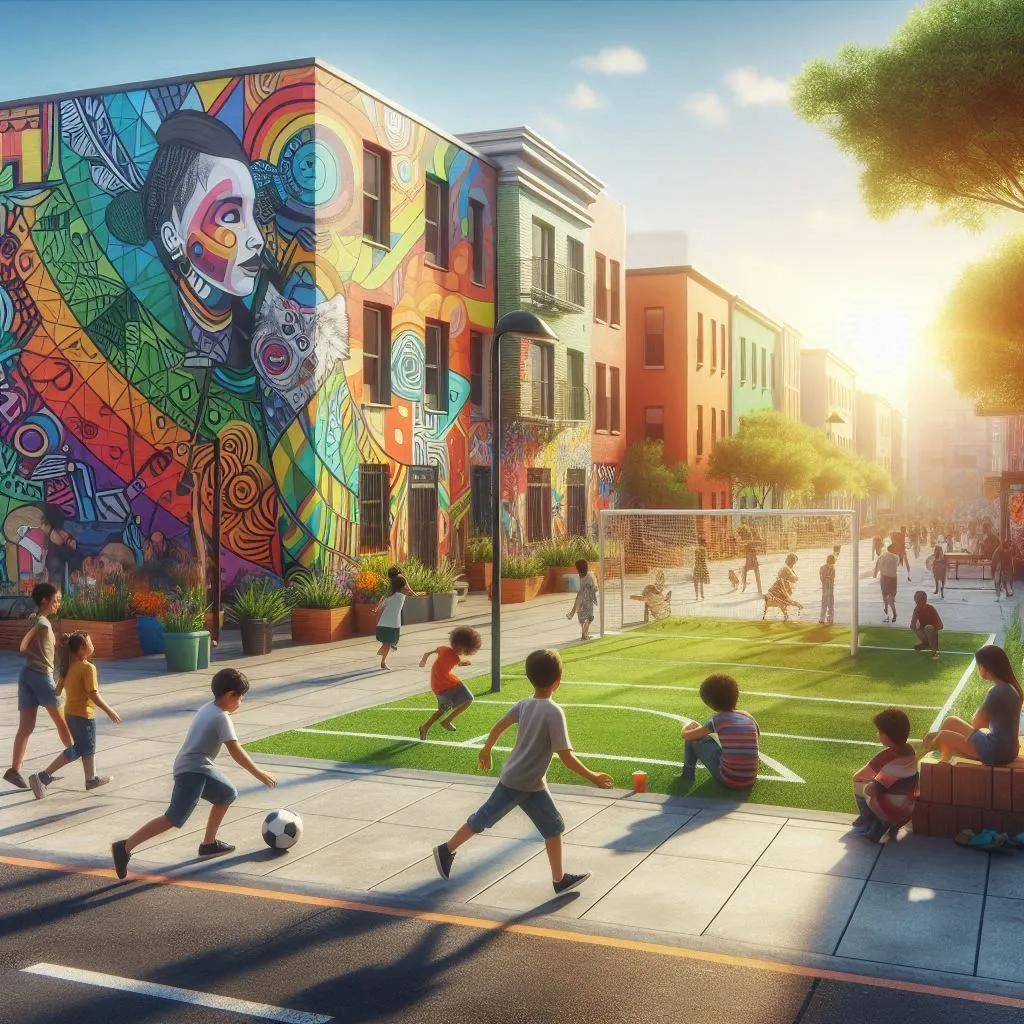
Urban culture is full of unique expressions, stories, and experiences that shape music, language, and everyday life. From street slang to pop culture influences, there is a rich and dynamic world to explore.
Ghetto Trivia Questions and Answers offer a fun and engaging way to test your knowledge while discovering interesting facts about urban culture and lifestyle. Perfect for quiz nights, social gatherings, or casual entertainment, this trivia brings humor, insight, and challenge together.
Get ready to learn something new, enjoy the vibe, and see how well you know the culture.
Table of Contents
- History of “Ghetto”
- Why Ghetto Topics Are Popular
- How to Play This Quiz
- Trivia Questions — Easy (1–45)
- Trivia Questions — Medium (46–90)
- Trivia Questions — Hard (91–125+)
- Fun Facts About “Ghetto”
- Did You Know?
- Challenge Round
- Related Quiz Ideas
- Frequently Asked Questions (10–15)
- Conclusion
History of “Ghetto”
The term “ghetto” has evolved across centuries. Originally used in 16th-century Venice to describe the Jewish quarter where Jews were required to live, the term later came to denote any segregated urban neighborhood, often inhabited by marginalized, economically disadvantaged communities.
In the 20th century, urbanization, discriminatory housing policies, and economic changes shaped modern ghettos in many countries. Over time, the word also became associated with rich cultural innovations — music, language, fashion, and art — that emerged from tight-knit communities under pressure.
Understanding this history is essential to appreciating the cultural context behind many trivia topics in this quiz.
Why Ghetto Topics Are Popular
- Cultural influence: Many mainstream music styles (hip-hop, reggae, grime), street art, and fashion trace roots to ghetto neighborhoods.
- Storytelling power: Ghettos have produced powerful narratives of resilience that resonate widely.
- Language and slang: Everyday expressions that entered mainstream speech often originate in these communities.
- Creative innovation: From graffiti to DIY business models, resourcefulness in the ghetto fueled cultural exports.
How to Play This Quiz
- Choose a difficulty level (Easy, Medium, Hard).
- Read each question and pick one option (A–D).
- After answering, check the Correct Answer and read the short Explanation and Interesting Fact to learn more.
- For group play, award points: Easy = 1, Medium = 2, Hard = 3.
- Use the Challenge Round for tie-breakers or bonus points.
Funny Ghetto Trivia Question and Answers
1. Question: What specific term is used to describe the intricate, stylized handwriting scripts used by graffiti artists to sign their street names rapidly on public surfaces?
A. Calligraphy Fonts
B. Tags (or Handstyles)
C. Stencils
D. Murals
Correct Answer: ✅ B. Tags (or Handstyles)
Explanation: Tags, or handstyles, are quick, personalized signatures graffiti writers use to mark territory or gain recognition; they emphasize speed and style.
Interesting Fact: Some renowned graffiti artists began by refining their handstyle tags before expanding to larger, more complex pieces.
2. Question: Which musical genre is most directly associated with the origins of the ghetto-born DJ-block party scene in 1970s New York?
A. Disco
B. Hip-hop
C. Punk rock
D. Soul
Correct Answer: ✅ B. Hip-hop
Explanation: Hip-hop emerged from block parties in the Bronx, where DJs isolated percussion breaks and MCs hyped crowds, forming the genre’s core elements.
Interesting Fact: DJ Kool Herc is widely credited with the “breakbeat” technique that helped birth hip-hop.
3. Question: In many urban neighborhoods, which small, often family-run convenience store is commonly referred to by locals as the “corner shop” or what colloquial term?
A. Bodega
B. Mart
C. Emporium
D. Bazaar
Correct Answer: ✅ A. Bodega
Explanation: A bodega is a small, often family-operated convenience store frequently found on street corners in cities like New York.
Interesting Fact: Bodegas often double as community hubs, offering groceries, music, and neighborhood news.
4. Question: Which dance style, known for quick footwork and popping, originated on the West Coast and became popular in ghetto communities during the 1970s-80s?
A. Breakdance
B. Tap
C. Ballet
D. Ballroom
Correct Answer: ✅ A. Breakdance
Explanation: Breakdance (or b-boying/b-girling) developed in urban American neighborhoods with acrobatic moves and distinctive footwork.
Interesting Fact: Breakdancing became an international phenomenon and is now an Olympic sport starting in 2024.
5. Question: What is the slang term for a rapidly passed, informal message or rumor spread through a community?
A. Bulletin
B. Word on the street
C. Press release
D. Circular
Correct Answer: ✅ B. Word on the street
Explanation: “Word on the street” is a colloquial phrase for information spreading informally within a neighborhood.
Interesting Fact: This oral network often influenced local trends, politics, and music promotion long before social media.
6. Question: Which instrument is central to reggae and dancehall music that often plays in ghetto communities in Jamaica and diaspora neighborhoods?
A. Violin
B. Electric guitar
C. Bass guitar
D. Harp
Correct Answer: ✅ C. Bass guitar
Explanation: Bass lines in reggae and dancehall are foundational, driving rhythm and melody in the genre’s sound.
Interesting Fact: Reggae producers often emphasize heavy, syncopated bass to create a warm, rolling groove.
7. Question: What clothing item became iconic in many urban “ghetto” scenes for its affordability and durability, especially among youths in the 1980s and 1990s?
A. Designer suit
B. Denim jeans
C. Wool coat
D. Silk scarf
Correct Answer: ✅ B. Denim jeans
Explanation: Denim jeans provided durable, affordable fashion and were often customized or distressed to create personal style.
Interesting Fact: Brands like Levi’s and later jeans with visible brand labels became status symbols in street culture.
8. Question: Which radio format historically served as a major platform for ghetto communities to hear local DJs and music not played on mainstream stations?
A. Classical radio
B. Pirate radio / Community radio
C. Country music radio
D. Talk radio
Correct Answer: ✅ B. Pirate radio / Community radio
Explanation: Pirate and community stations provided airtime for local DJs and regional music overlooked by commercial outlets.
Interesting Fact: In the UK, pirate radio was crucial to the growth of grime and UK garage scenes.
9. Question: What is the term for informal gatherings where people trade goods, clothes, and records in a neighborhood setting?
A. Flea market
B. Stock exchange
C. Black market
D. Trade union
Correct Answer: ✅ A. Flea market
Explanation: Flea markets are informal marketplaces that allow community members to buy, sell, and swap goods.
Interesting Fact: Many influential DJs sourced rare vinyl records at flea markets and thrift stalls.
10. Question: Which of these terms best describes a music mixtape distributed by DJs to promote local artists in ghetto neighborhoods?
A. Demo reel
B. Mixtape
C. Studio album
D. Single
Correct Answer: ✅ B. Mixtape
Explanation: Mixtapes compile tracks, often from local artists or live DJ sets, to share new music and build regional followings.
Interesting Fact: Early mixtapes were sold on cassette tapes and later became pivotal in hip-hop artist promotion.
11. Question: What common urban art form involves painting portraits or messages on objects like public benches, telephone boxes, or sides of buildings with permission?
A. Street photography
B. Mural
C. Tattooing
D. Pottery
Correct Answer: ✅ B. Mural
Explanation: Murals are large artworks painted on walls or surfaces, usually sanctioned and often community-focused.
Interesting Fact: Murals frequently commemorate local heroes or historical events in neighborhood memory.
12. Question: In urban slang, which word often means both “serious” and “respectable,” used when describing someone with credibility?
A. Fake
B. Legit
C. Basic
D. Sketchy
Correct Answer: ✅ B. Legit
Explanation: “Legit” stands for legitimate or credible; it signals trustworthiness in many street contexts.
Interesting Fact: The term crossed into mainstream use via music, TV, and online culture.
13. Question: Which beverage became a common symbol of celebration and status in many urban music videos and block parties?
A. Orange juice
B. Champagne
C. Tea
D. Smoothie
Correct Answer: ✅ B. Champagne
Explanation: Champagne symbolizes celebration and luxury and is frequently featured in party scenes.
Interesting Fact: Some artists used champagne visuals to contrast gritty origins with newfound success.
14. Question: What is the term for a small, informal meal or snack often sold by vendors in city neighborhoods?
A. Tiffin
B. Street food
C. Brunch
D. Buffet
Correct Answer: ✅ B. Street food
Explanation: Street food includes quick, portable meals sold by vendors, integral to urban daily life.
Interesting Fact: Street food often showcases cultural fusion and local flavors.
15. Question: Which movie is known for capturing life in New York City ghetto neighborhoods in the 1970s and influenced many urban narratives?
A. The Godfather
B. Mean Streets
C. Saturday Night Fever
D. Taxi Driver
Correct Answer: ✅ D. Taxi Driver
Explanation: Taxi Driver depicts gritty urban life and social decay in 1970s NYC, influencing later portrayals of the city.
Interesting Fact: The film’s visuals inspired many filmmakers exploring urban isolation and unrest.
16. Question: In graffiti culture, what does the term “bombing” refer to?
A. Creating a legal mural
B. Rapidly painting many surfaces in a short time
C. Detonating explosives
D. Printing flyers
Correct Answer: ✅ B. Rapidly painting many surfaces in a short time
Explanation: Bombing is the act of quickly covering surfaces with graffiti to spread a writer’s name.
Interesting Fact: Bombing prioritizes visibility and repetition; it’s distinct from carefully painted commissioned murals.
17. Question: Which of these producers helped popularize the lo-fi, sample-heavy sound in early ghetto hip-hop production?
A. Dr. Dre
B. Rick Rubin
C. DJ Premier
D. Nile Rodgers
Correct Answer: ✅ C. DJ Premier
Explanation: DJ Premier is known for gritty, sample-driven beats that became central to East Coast hip-hop.
Interesting Fact: Premier often used chopped jazz and soul samples to create signature loops and breaks.
18. Question: What term describes a neighborhood’s collective social network of support, trade, and information?
A. Social capital
B. Monopoly
C. Franchise
D. Oligarchy
Correct Answer: ✅ A. Social capital
Explanation: Social capital refers to the resources available through social networks and mutual aid in a community.
Interesting Fact: High social capital can help neighborhoods resist external pressures despite economic hardship.
19. Question: Which instrument or device was crucial for DJs in isolating drum breaks at block parties?
A. Synthesizer
B. Two-turntable setup
C. Drum machine
D. Violin
Correct Answer: ✅ B. Two-turntable setup
Explanation: Using two turntables allowed DJs to loop breakbeats by switching between records to extend a favorite beat.
Interesting Fact: The technique enabled the creation of longer danceable segments essential for early hip-hop.
20. Question: Which wearable item became a signature accessory in many urban hip-hop outfits, often representing pride and style?
A. Fedora
B. Gold chain
C. Wristwatch
D. Brooch
Correct Answer: ✅ B. Gold chain
Explanation: Gold chains became symbols of success, identity, and fashion within hip-hop culture.
Interesting Fact: The size and style of the chain often carried personal or cultural meaning.
Related: 142+ Spaghetti Trivia Questions and Answers
Ghetto Trivia Question and Answers for Adults
21. Question: In urban neighborhoods, what term can signify both a friend and a trusted companion?
A. Rival
B. Homie (or Homeboy/homegirl)
C. Stranger
D. Acquaintance
Correct Answer: ✅ B. Homie (or Homeboy/homegirl)
Explanation: “Homie” denotes a close friend, often someone from the same neighborhood or background.
Interesting Fact: The word’s usage spread rapidly through music, film, and everyday speech.
22. Question: Which photographic style documents everyday life in a neighborhood, often used by artists to capture street scenes?
A. Landscape photography
B. Street photography
C. Macro photography
D. Astrophotography
Correct Answer: ✅ B. Street photography
Explanation: Street photographers capture candid moments, daily routines, and urban character.
Interesting Fact: Iconic street photos have shaped public perception of many urban communities.
23. Question: Which of these is a common method for hip-hop MCs to show lyrical skill in a competitive setting?
A. Encore
B. Freestyle battle
C. Studio session
D. Dance-off
Correct Answer: ✅ B. Freestyle battle
Explanation: Freestyle battles test spontaneous rhyming ability and crowd engagement in a competitive setting.
Interesting Fact: Freestyle traditions helped many rappers gain recognition before studio records.
24. Question: What’s the slang term for cheap, thrifted clothing often repurposed into street style?
A. Haute couture
B. Thrifted
C. Pret-a-porter
D. Bespoke
Correct Answer: ✅ B. Thrifted
Explanation: Thrifted clothes are secondhand garments often bought at thrift stores and later styled uniquely.
Interesting Fact: Thrift culture supports circular fashion and has inspired high-fashion designers.
25. Question: Which US city is widely recognized as the birthplace of hip-hop?
A. Los Angeles
B. Chicago
C. New York City (The Bronx)
D. Atlanta
Correct Answer: ✅ C. New York City (The Bronx)
Explanation: Hip-hop originated in the Bronx during the 1970s through DJs, MCs, breakdancers, and graffiti artists.
Interesting Fact: Block parties and community centers were essential incubation sites for hip-hop culture.
26. Question: In many ghetto communities, which informal financial practice helps people pool small amounts to support each other?
A. Stock investment
B. Rotating savings (a ROSCA or chit fund)
C. Cryptocurrency
D. Bank loan
Correct Answer: ✅ B. Rotating savings (a ROSCA or chit fund)
Explanation: Rotating savings and credit associations pool contributions and rotate payouts to members in need.
Interesting Fact: Variants exist worldwide and provide credit without formal banking.
27. Question: Which style of beat-making relies heavily on short, repeated samples from older records?
A. Live orchestration
B. Sample-based production
C. Solo singing
D. A cappella
Correct Answer: ✅ B. Sample-based production
Explanation: Sample-based producers chop and loop fragments from records to create new beats.
Interesting Fact: Legal restrictions on sampling pushed producers to innovate, sometimes resulting in new musical styles.
28. Question: What term describes law enforcement practices criticized for targeting specific neighborhoods based on race or poverty?
A. Community policing
B. Racial profiling
C. Urban gardening
D. Redevelopment
Correct Answer: ✅ B. Racial profiling
Explanation: Racial profiling involves targeting people based on perceived race or ethnicity rather than behavior.
Interesting Fact: Activism against such practices has influenced policy reforms and public discourse.
29. Question: Which element is central to DJ culture and involves manipulating records to create rhythmic sounds?
A. Scratching
B. Scoring
C. Plucking
D. Blowing
Correct Answer: ✅ A. Scratching
Explanation: Scratching uses the turntable and mixer to produce rhythmic, percussive sounds by moving the record back and forth.
Interesting Fact: Scratching became a signature sound of hip-hop DJing and turntablism.
30. Question: Which popular street-level marketing tactic helped underground artists get attention before streaming?
A. Billboard ads
B. Handing out flyers and mixtapes
C. TV commercials
D. Radio jingles
Correct Answer: ✅ B. Handing out flyers and mixtapes
Explanation: Flyers and mixtapes were low-cost, direct ways to reach local audiences and build buzz.
Interesting Fact: Street teams and promoters often used car meetups and local stores to distribute music.
31. Question: What term describes the blending of cultural elements (music, fashion, language) that happens in diverse urban neighborhoods?
A. Cultural isolation
B. Cultural fusion
C. Cultural purity
D. Cultural embargo
Correct Answer: ✅ B. Cultural fusion
Explanation: Cultural fusion blends multiple traditions, resulting in new styles and hybrid forms.
Interesting Fact: Cultural fusion in cities often drives global trends in music and fashion.
32. Question: Which genre combines rapid-fire lyrics and socially conscious themes and emerged from ghetto neighborhoods worldwide?
A. Opera
B. Conscious rap
C. Polka
D. Gregorian chant
Correct Answer: ✅ B. Conscious rap
Explanation: Conscious rap focuses on social issues, history, and political commentary alongside lyrical skill.
Interesting Fact: Artists like KRS-One and Public Enemy helped define consciousness in hip-hop.
33. Question: Which type of community event often brings together youth for sports, music, and local vendors on a neighborhood block?
A. Block party
B. Conference
C. Fashion week
D. Trade fair
Correct Answer: ✅ A. Block party
Explanation: Block parties are neighborhood gatherings that celebrate community and often showcase local talent.
Interesting Fact: Block parties were instrumental in the early spread of hip-hop and breakdancing.
34. Question: In neighborhood slang, which word is commonly used to mean money?
A. Paper
B. Pebbles
C. Leaves
D. Pebbles
Correct Answer: ✅ A. Paper
Explanation: “Paper” is slang for money, referencing banknotes or cash.
Interesting Fact: Many slang terms for money arise from everyday physical forms like coins or paper.
35. Question: Which creative practice involves customizing sneakers with paint, studs, or unique laces?
A. Sneaker customisation (custom kicks)
B. Shoe disposal
C. Polishing
D. Shoemaking
Correct Answer: ✅ A. Sneaker customisation (custom kicks)
Explanation: Customizing sneakers lets wearers express identity and create one-of-a-kind footwear.
Interesting Fact: Sneaker culture has a massive resale market and a collector community.
36. Question: Which Caribbean musical form heavily influenced early hip-hop through sound system culture and MCing?
A. Classical
B. Reggae and toasting
C. K-pop
D. Blues
Correct Answer: ✅ B. Reggae and toasting
Explanation: Jamaican sound systems and toasting (talking rhythmically over tracks) influenced early MCing and DJ styles.
Interesting Fact: DJ Kool Herc was Jamaican-born and brought sound system techniques to NYC.
37. Question: What’s a common informal name for a local hangout spot where youths gather?
A. Headquarters
B. The corner
C. The office
D. The embassy
Correct Answer: ✅ B. The corner
Explanation: “The corner” often refers to a nearby street corner where people socialize and meet.
Interesting Fact: Corners historically served as informal public squares in many cities.
38. Question: Which low-cost instrument is often used by street musicians to add rhythm while busking?
A. Grand piano
B. Hand drum or djembe
C. Violin
D. Harpsichord
Correct Answer: ✅ B. Hand drum or djembe
Explanation: Hand drums are portable and produce strong rhythms suitable for outdoor performances.
Interesting Fact: Street percussion can trace rhythms back to African diasporic traditions.
39. Question: Which of the following describes a DIY approach to creating community resources like pop-up markets or art spaces?
A. Gentrification
B. Community-led initiatives
C. Corporate franchising
D. Zoning enforcement
Correct Answer: ✅ B. Community-led initiatives
Explanation: Community-led initiatives are grassroots projects driven by residents to meet local needs.
Interesting Fact: Such initiatives often occupy vacant lots temporarily to host events or gardens.
40. Question: Which term describes the trend of wealthier people moving into lower-income neighborhoods and changing the local culture and prices?
A. Redevelopment
B. Gentrification
C. Segregation
D. Urban decay
Correct Answer: ✅ B. Gentrification
Explanation: Gentrification occurs when investment and new residents raise costs and displace longtime residents.
Interesting Fact: Debates over gentrification center on preserving community identity vs. economic improvement.
Related: 143+ Buzzfeed Trivia Questions
Easy Ghetto Trivia Question and Answers
41. Question: What’s the name for short comedic or dramatic skits performed on the street or at block gatherings?
A. Mini-plays or skits
B. Opera scenes
C. Liturgy
D. Sonata
Correct Answer: ✅ A. Mini-plays or skits
Explanation: Short skits provide entertainment and often comment on local life and humor.
Interesting Fact: Street theater has a long tradition in urban communities as a tool for storytelling.
42. Question: Which economic activity involves selling homemade food from a front stoop or small stand?
A. Formal restaurant
B. Stooping or porch stand vending
C. Online delivery only
D. Catering company
Correct Answer: ✅ B. Stooping or porch stand vending
Explanation: Stooping or stand vending is informal but common, providing accessible homemade food.
Interesting Fact: Many entrepreneurs begin by selling food this way before opening formal eateries.
43. Question: Which slang refers to the act of showing off wealth or style in public?
A. Flexing
B. Hiding
C. Modesty
D. Retreating
Correct Answer: ✅ A. Flexing
Explanation: “Flexing” describes ostentatious displays of success or possessions.
Interesting Fact: The term gained popularity through social media and music lyrics.
44. Question: Which common urban pastime involves playing card games on stoops or in community centers?
A. Chess tournament
B. Card games like spades or poker
C. Beach volleyball
D. Kayaking
Correct Answer: ✅ B. Card games like spades or poker
Explanation: Card games such as spades serve as social rituals and community bonding activities.
Interesting Fact: Spades leagues and tournaments remain staples of neighborhood gatherings.
45. Question: Which phrase refers to music or art created independently, outside major labels or institutions?
A. Indie (independent)
B. Corporate
C. Sponsored
D. Licensed
Correct Answer: ✅ A. Indie (independent)
Explanation: Indie artists produce and distribute work independently, often using grassroots methods.
Interesting Fact: Indie scenes frequently incubate new styles later adopted by mainstream culture.
Medium (Questions 46–90)
46. Question: Which dance style, often performed in cyphers, emphasizes rhythm, improvisation, and footwork and originated within urban ghetto communities?
A. Waltz
B. Popping and locking
C. Tango
D. Breakin’ (breaking)
Correct Answer: ✅ D. Breakin’ (breaking)
Explanation: Breaking features acrobatic moves, top rock, footwork, and power moves, often in competitive cyphers.
Interesting Fact: Cyphers are circular dance gatherings where performers take turns showcasing skills.
47. Question: Which word describes a music producer’s distinctive, repeatable sound that fans immediately recognize?
A. Signature sound
B. Random noise
C. Melody glitch
D. Placeholder
Correct Answer: ✅ A. Signature sound
Explanation: A producer’s signature sound is a recognizable style or technique across multiple tracks.
Interesting Fact: Signature sounds often include favored instruments, sample sources, or specific drum patterns.
48. Question: Which neighborhood-built structure often becomes a canvas for murals highlighting local heroes or history?
A. Private mansion
B. Community center
C. Corporate headquarters
D. Highway overpass
Correct Answer: ✅ B. Community center
Explanation: Community centers often host murals that reflect local identity and heritage.
Interesting Fact: Murals at community centers frequently involve resident participation.
49. Question: In hip-hop history, which element refers to spoken-word delivery over beats?
A. Scoring
B. Rapping (MCing)
C. Conducting
D. Harmonizing
Correct Answer: ✅ B. Rapping (MCing)
Explanation: Rapping involves rhythmic spoken delivery, often with rhyme and meter, over instrumental beats.
Interesting Fact: MCs originally served to hype crowds and introduce DJs during block parties.
50. Question: Which term refers to inexpensive secondhand stores where one can find unique or vintage clothing?
A. Boutiques
B. Thrift stores
C. Department stores
D. Outlets
Correct Answer: ✅ B. Thrift stores
Explanation: Thrift stores sell donated secondhand items and are hotspots for vintage finds.
Interesting Fact: Thrift flips (upcycling thrifted items) are a popular DIY fashion trend.
51. Question: Which skateboard company helped popularize urban skating culture and street-based tricks?
A. Vans
B. Ripley’s
C. Microsoft
D. Rolex
Correct Answer: ✅ A. Vans
Explanation: Vans produced shoes favored by skateboarders and supported skate culture through events and sponsorships.
Interesting Fact: Vans later expanded into music and cultural sponsorships, reinforcing its street credibility.
52. Question: Which international movement of street art includes stencils, wheatpasting, and large-scale murals?
A. Minimalism
B. Street art movement
C. Impressionism
D. Renaissance
Correct Answer: ✅ B. Street art movement
Explanation: The street art movement encompasses diverse urban techniques used to make public statements.
Interesting Fact: Street artists often remain anonymous and create work that comments on social issues.
53. Question: Which instrument often anchors salsa and Latin music frequently enjoyed in many urban neighborhoods?
A. Accordion
B. Conga drums
C. Oboe
D. Bagpipes
Correct Answer: ✅ B. Conga drums
Explanation: Congas provide rhythmic foundation in many Afro-Latin musical styles common in urban Latinx communities.
Interesting Fact: Conga rhythms trace back to African traditions fused with Caribbean and Latin elements.
54. Question: Which term describes an underground music scene that thrives without corporate backing?
A. Grassroots scene
B. Corporate label
C. Mass-market trend
D. Franchise channel
Correct Answer: ✅ A. Grassroots scene
Explanation: Grassroots scenes grow organically through local venues, word of mouth, and DIY promotion.
Interesting Fact: Many mainstream genres began as grassroots movements before gaining commercial interest.
55. Question: Which film director documented inner-city life and later went on to direct influential urban dramas?
A. Spike Lee
B. Steven Spielberg
C. James Cameron
D. Alfred Hitchcock
Correct Answer: ✅ A. Spike Lee
Explanation: Spike Lee’s early films focused on race, community, and urban life, influencing public conversations.
Interesting Fact: Lee’s debut feature, “She’s Gotta Have It,” gained attention for its candid portrayal of Black life.
56. Question: What is the practice of artists producing limited-run physical copies of music to sell locally called?
A. Mass distribution
B. Local pressing or independent pressing
C. Digital-only release
D. Streaming
Correct Answer: ✅ B. Local pressing or independent pressing
Explanation: Independent pressing creates small batches of physical media like vinyl or cassettes for local sale.
Interesting Fact: Some rare local pressings become sought-after collector items.
57. Question: Which phrase describes neighborhood pride and loyalty to one’s block or area?
A. Block pride or street pride
B. Anonymity
C. Indifference
D. Outsourcing
Correct Answer: ✅ A. Block pride or street pride
Explanation: Block pride reflects a strong identification with one’s immediate community and peers.
Interesting Fact: Block parties and murals often reinforce block pride visually and socially.
58. Question: Which musical innovation allowed producers to rearrange songs by slicing audio into tiny pieces?
A. Live band recording
B. Digital sampling and chopping
C. Sheet music composition
D. Whistling
Correct Answer: ✅ B. Digital sampling and chopping
Explanation: Sampling and chopping let producers rearrange tiny snippets to craft new melodies and rhythms.
Interesting Fact: The Akai MPC series popularized this technique in hip-hop production.
59. Question: Which of the following best describes an urban legend passed down within a neighborhood?
A. Verified news report
B. Folklore or urban legend
C. Scientific paper
D. Company memo
Correct Answer: ✅ B. Folklore or urban legend
Explanation: Urban legends are community stories that mix fact and fiction to explain events or warn listeners.
Interesting Fact: Urban legends often reflect local anxieties and humor.
60. Question: Which kind of neighborhood program teaches youth skills like DJing, production, or graffiti in a structured way?
A. Corporate training
B. Youth arts programs or community arts workshops
C. Military boot camp
D. Banking seminars
Correct Answer: ✅ B. Youth arts programs or community arts workshops
Explanation: Community arts programs provide mentorship, tools, and safe spaces for creative development.
Interesting Fact: Many successful artists credit early community programs with their foundational skills.
Related: 122+ Fun Civil Rights Trivia Questions and Answers
Ghetto Trivia Question and Answers General Knowledge
61. Question: Which brand, originally a workwear manufacturer, became adopted as a status item in urban fashion scenes?
A. Carhartt
B. Prada
C. Gucci
D. Hermes
Correct Answer: ✅ A. Carhartt
Explanation: Carhartt’s durable workwear was embraced for practical use and later stylized in street fashion.
Interesting Fact: High-fashion labels have occasionally collaborated with workwear brands to mix styles.
62. Question: Which technology allowed early street photographers to capture candid moments more easily?
A. Large plate cameras
B. Portable 35mm cameras
C. Medieval lenses
D. Satellite photography
Correct Answer: ✅ B. Portable 35mm cameras
Explanation: Compact 35mm cameras let photographers move unnoticed and take candid shots on the street.
Interesting Fact: Photojournalists used these cameras to document social movements and urban life.
63. Question: Which of the following acts often demonstrates local pride during parades or block events?
A. Marching bands and local performers
B. Wall painting only
C. Door-to-door sales
D. Closed forums
Correct Answer: ✅ A. Marching bands and local performers
Explanation: Marching bands and performers celebrate community identity during public events.
Interesting Fact: Many schools and community groups use parades to showcase cultural heritage.
64. Question: Which vinyl record format was especially popular among DJs for mixing and scratching?
A. 8-track
B. 12-inch single
C. Cassette single
D. CD-R
Correct Answer: ✅ B. 12-inch single
Explanation: 12-inch singles had wider grooves and extended mixes ideal for club DJs and turntablists.
Interesting Fact: Many iconic beats and remixes were first released on 12-inch singles.
65. Question: Which social practice involves neighbors organizing to keep streets clean, safe, or improve local parks?
A. Community organizing
B. Corporate downsizing
C. Exporting resources
D. Isolationism
Correct Answer: ✅ A. Community organizing
Explanation: Community organizing brings residents together to address shared concerns and enact change.
Interesting Fact: Grassroots organizing often leads to lasting neighborhood improvements without large budgets.
66. Question: Which form of spoken-word poetry became popular in urban cafes and community centers as a means of expression?
A. Haiku
B. Slam poetry
C. Lullaby
D. Sonata
Correct Answer: ✅ B. Slam poetry
Explanation: Slam poetry combines performance and competitive elements to present emotionally charged pieces.
Interesting Fact: Slam stages launched many spoken-word artists into wider literary and performing careers.
67. Question: Which online platform significantly changed how indie urban artists distribute music to fans?
A. MySpace and later platforms like Bandcamp and SoundCloud
B. Fax machines
C. Landline telephones
D. Cable TV
Correct Answer: ✅ A. MySpace and later platforms like Bandcamp and SoundCloud
Explanation: These platforms allowed artists to upload and share music directly with listeners worldwide.
Interesting Fact: Early social platforms created new breakout stars outside traditional labels.
68. Question: Which neighborhood phenomenon measures cultural vibrancy by counting local music venues, murals, and small businesses?
A. Cultural density
B. Population density only
C. Greenbelt scoring
D. Crime index only
Correct Answer: ✅ A. Cultural density
Explanation: Cultural density gauges the concentration of cultural assets, indicating vibrancy and community activity.
Interesting Fact: Planners sometimes use cultural density to argue for preservation funding.
69. Question: Which urban cuisine fusion mixes elements of regional black foodways with international flavors, often found in street vendors?
A. Molecular gastronomy
B. Soul food fusion
C. Medieval banquet
D. Alpine cuisine
Correct Answer: ✅ B. Soul food fusion
Explanation: Soul food fusion blends traditional African-American dishes with global influences to create new flavors.
Interesting Fact: Pop-up kitchens often experiment with soul-food fusion to attract diverse crowds.
70. Question: Which practice involves passing beat patterns or dance moves from older generations to youths in the neighborhood?
A. Cultural transmission or intergenerational transmission
B. Genetic engineering
C. Corporate training
D. Isolation
Correct Answer: ✅ A. Cultural transmission or intergenerational transmission
Explanation: Cultural transmission ensures traditions continue through mentorship and informal teaching.
Interesting Fact: Hip-hop culture relies heavily on intergenerational mentorship between older DJs and young artists.
71. Question: Which of these terms refers to a small press-run booklet or magazine distributed in the neighborhood showcasing local writing?
A. Zine
B. Encyclopedia
C. Annual report
D. Brochure
Correct Answer: ✅ A. Zine
Explanation: Zines are DIY publications that highlight local voices, art, and opinions.
Interesting Fact: Zines have historically amplified underrepresented perspectives in local scenes.
72. Question: Which neighborhood safety approach emphasizes working with residents to solve problems collaboratively?
A. Broken windows policing only
B. Community policing
C. Militarized crackdown
D. Eviction notices
Correct Answer: ✅ B. Community policing
Explanation: Community policing builds relationships between officers and residents to address issues cooperatively.
Interesting Fact: Implementations vary widely, and success often hinges on genuine trust-building.
73. Question: Which creative practice uses recycled materials to make sculptures or installations in urban spaces?
A. Found-object art or upcycled art
B. Precious metal craft only
C. Marble carving only
D. Freshwater aquaculture
Correct Answer: ✅ A. Found-object art or upcycled art
Explanation: Found-object art repurposes discarded materials into meaningful artistic statements.
Interesting Fact: Many community art projects use upcycled materials to highlight sustainability.
74. Question: Which regional musical hybrid mixes hip-hop with Latin rhythms and Spanish-language lyrics?
A. Eurodance
B. Latin trap or Latin hip-hop fusion
C. Celtic punk
D. Klezmer
Correct Answer: ✅ B. Latin trap or Latin hip-hop fusion
Explanation: Latin trap fuses trap beats with Latin rhythms and Spanish lyrics, reflecting urban Latinx experiences.
Interesting Fact: Artists in cities like Miami and Los Angeles helped popularize this hybrid sound.
75. Question: Which local institution often offers classes in music, art, or technology to neighborhood youth?
A. Private bank branch
B. Community arts center or youth center
C. Multinational corporation HQ
D. Private jet terminal
Correct Answer: ✅ B. Community arts center or youth center
Explanation: These centers provide accessible learning opportunities and mentorship for creative development.
Interesting Fact: Many community centers run free or low-cost programs funded by grants or local donors.
76. Question: Which of these is a typical characteristic of DIY music venues in ghetto neighborhoods?
A. High ticket prices only
B. Low capacity, intimate atmosphere, and community-run bookings
C. Corporate sponsorship only
D. No live performances
Correct Answer: ✅ B. Low capacity, intimate atmosphere, and community-run bookings
Explanation: DIY venues prioritize accessibility and community engagement over profit.
Interesting Fact: Such venues incubate local talent and experimental performances.
77. Question: Which tool allows beatmakers to sequence drums and samples with pads and real-time controls?
A. Electric kettle
B. MPC or drum machine
C. Typewriter
D. Windmill
Correct Answer: ✅ B. MPC or drum machine
Explanation: MPCs let producers play, slice, and sequence samples using pads, revolutionizing beat-making.
Interesting Fact: The Akai MPC changed hip-hop production workflows in the late 80s and 90s.
78. Question: Which streetwear item often signals team or neighborhood affiliation when customized with logos or patches?
A. Baseball cap or snapback
B. Evening gown
C. Tuxedo
D. Ballet shoes
Correct Answer: ✅ A. Baseball cap or snapback
Explanation: Caps are easily customized and visible, making them common identity markers.
Interesting Fact: Sports team logos on caps sometimes get repurposed to represent local affiliations.
79. Question: Which community-driven economic model sells products directly from makers to neighborhood customers, often bypassing intermediaries?
A. Direct-to-consumer or local markets
B. Multi-level marketing only
C. Stock exchange trading only
D. Wholesale only
Correct Answer: ✅ A. Direct-to-consumer or local markets
Explanation: D2C and local markets let creators sell without large retail overhead, keeping profits local.
Interesting Fact: Farmers markets and popup stalls are common D2C formats in urban areas.
80. Question: Which audio codec or format was preferred by audiophiles and DJs for high-quality playback in the vinyl era?
A. MP3 only
B. Vinyl LPs and high-bitrate formats
C. MIDI files only
D. Text files
Correct Answer: ✅ B. Vinyl LPs and high-bitrate formats
Explanation: Vinyl and high-bitrate formats offered rich, warm audio preferred by many DJs and listeners.
Interesting Fact: Vinyl sales resurged in the 2010s as collectors sought analog sound fidelity.
Related: 142+ Epic Civil War Trivia Questions
Hard Ghetto Trivia Question and Answers
81. Question: What’s the name for an informal economy where skills and services are exchanged without formal contracts?
A. Gig economy and informal economy
B. Government job only
C. Corporate employment only
D. Nonexistent economy
Correct Answer: ✅ A. Gig economy and informal economy
Explanation: Informal and gig economies include freelance, short-term, and barter-based work common in neighborhoods.
Interesting Fact: Ride-sharing and freelance platforms formalized some gig work, but local informal networks remain vital.
82. Question: Which term refers to the vocal improvisation by MCs that often includes audience interaction?
A. Written speech only
B. Freestyling
C. Silent reading
D. Karaoke only
Correct Answer: ✅ B. Freestyling
Explanation: Freestyling involves off-the-cuff rapping that engages listeners and displays skill.
Interesting Fact: Notable battles showcased artists who later became mainstream stars.
83. Question: Which form of public art includes short written messages, slogans, or political statements on walls or posters?
A. Street propaganda and paste-ups
B. Opera librettos
C. Scientific journals
D. Patent filings
Correct Answer: ✅ A. Street propaganda and paste-ups
Explanation: Paste-ups and slogans communicate political messages and local commentary in public spaces.
Interesting Fact: Some paste-up artists recreate posters from historical movements to draw parallels.
84. Question: What is a common theme in music coming out of economically challenged neighborhoods?
A. Wealth only
B. Resilience, struggle, hope, and social critique
C. Weather reports only
D. Pure fantasy only
Correct Answer: ✅ B. Resilience, struggle, hope, and social critique
Explanation: Many artists narrate lived realities, addressing systemic issues and personal triumphs.
Interesting Fact: These themes often resonate widely, attracting diverse audiences.
85. Question: Which small musical ensemble often appears at neighborhood events to perform local styles and dances?
A. Big symphony orchestra only
B. Brass band or local ensemble
C. Submarine sonar crew
D. Scientific expedition team
Correct Answer: ✅ B. Brass band or local ensemble
Explanation: Brass bands are portable and energetic, commonly used in parades and block celebrations.
Interesting Fact: Brass band traditions in places like New Orleans combine African, Caribbean, and European influences.
86. Question: Which communication method historically helped local organizers coordinate events like protests or block parties?
A. Carrier pigeons only
B. Word of mouth, community flyers, and local radio
C. International press only
D. Satellite uplinks only
Correct Answer: ✅ B. Word of mouth, community flyers, and local radio
Explanation: Grassroots communication relied on low-cost, accessible channels to mobilize people.
Interesting Fact: Community organizers still use a blend of digital and analog methods to ensure broad reach.
87. Question: Which cultural product often becomes collectible and valuable when released in limited numbers by local artists?
A. Mass-produced brochure only
B. Limited-run vinyl, zines, or hand-printed posters
C. Generic flyers only
D. Standardized manuals only
Correct Answer: ✅ B. Limited-run vinyl, zines, or hand-printed posters
Explanation: Limited-run physical items create scarcity and cultural value among collectors.
Interesting Fact: Underground record pressings can fetch high prices at auctions.
88. Question: Which local practice helps artists display work without gallery fees?
A. Pop-up galleries or open-air exhibitions
B. Corporate auctions only
C. Private museum donations only
D. Closed subscription only
Correct Answer: ✅ A. Pop-up galleries or open-air exhibitions
Explanation: Pop-ups provide temporary spaces that reduce costs and increase exposure.
Interesting Fact: Pop-ups often rotate venues and collaborate with local businesses.
89. Question: Which tool helps street photographers and visual artists share images rapidly to local audiences in the social media era?
A. Morse code only
B. Smartphones and social platforms
C. Typewriter only
D. Fax machine only
Correct Answer: ✅ B. Smartphones and social platforms
Explanation: Smartphones make photographing and sharing immediate, amplifying local scenes worldwide.
Interesting Fact: Viral local posts can lead to funding or gallery opportunities for artists.
90. Question: Which local culinary tradition often involves slow-cooked, communal meals prepared for gatherings?
A. Fast food only
B. Stews, braises, and one-pot communal cooking
C. Instant noodles only
D. Raw diets only
Correct Answer: ✅ B. Stews, braises, and one-pot communal cooking
Explanation: Slow, communal meals bring people together and share cultural recipes across generations.
Interesting Fact: Communal cooking traditions often adapt to available ingredients, resulting in unique regional dishes.
Hard (Questions 91–125+)
91. Question: Which term describes the systemic policy that historically confined certain racial groups to specific neighborhoods through deeds, loans, and redlining?
A. Social mobility
B. Redlining and discriminatory housing policies
C. Open access housing
D. Free-market allocation
Correct Answer: ✅ B. Redlining and discriminatory housing policies
Explanation: Redlining denied mortgage access to neighborhoods deemed risky, reinforcing segregation and economic isolation.
Interesting Fact: Redlining maps created in the 1930s still correlate with many modern disparities in wealth and health.
92. Question: Which early 20th-century music genre from urban Black communities in the US influenced later urban music forms and used brass, piano, and improvisation?
A. Jazz
B. Classical Baroque
C. Gregorian chant
D. Medieval minstrel
Correct Answer: ✅ A. Jazz
Explanation: Jazz originated in African American communities and laid rhythmic, improvisational foundations for later genres.
Interesting Fact: Jazz clubs often acted as social hubs in urban neighborhoods, fostering artistic exchange.
93. Question: Which policy-driven urban renewal strategy in the mid-20th century often resulted in large-scale demolition and dislocation of low-income communities?
A. Urban renewal and highway construction projects
B. Preservation only
C. Suburban expansion only
D. Agricultural policy only
Correct Answer: ✅ A. Urban renewal and highway construction projects
Explanation: Urban renewal replaced neighborhoods with highways and developments, frequently displacing residents.
Interesting Fact: Many highways were routed through minority communities, fragmenting neighborhoods and local economies.
94. Question: In hip-hop historiography, which scholar coined influential frameworks for understanding hip-hop as cultural production rather than mere music?
A. Tricia Rose and others who advanced scholarly hip-hop studies
B. Isaac Newton only
C. Marie Curie only
D. Adam Smith only
Correct Answer: ✅ A. Tricia Rose and others who advanced scholarly hip-hop studies
Explanation: Tricia Rose’s scholarship framed hip-hop as a significant cultural form addressing race, class, and identity.
Interesting Fact: Rose’s book “Black Noise” is widely cited in hip-hop studies and cultural theory.
95. Question: Which legal doctrine or practice allowed municipalities to seize property for public use and sometimes facilitated displacement in urban neighborhoods?
A. Eminent domain
B. Freehold preservation only
C. Private contracting only
D. Royal decree only
Correct Answer: ✅ A. Eminent domain
Explanation: Eminent domain permits governments to acquire private property for public projects, sometimes controversially used to clear neighborhoods.
Interesting Fact: Legal challenges often arise when eminent domain appears to favor private development over community needs.
96. Question: Which classical anthropological term describes the study of how urban communities create meaning through rituals, symbols, and everyday practices?
A. Urban ethnography
B. Astral mapping only
C. Molecular biology only
D. Climate science only
Correct Answer: ✅ A. Urban ethnography
Explanation: Urban ethnography documents daily life and cultural expressions, offering nuanced community insights.
Interesting Fact: Ethnographers often spend extended time in neighborhoods to build trust and collect deep data.
97. Question: Which economic program of mutual aid was practiced historically in Black and immigrant communities to provide insurance and burial funds?
A. Fraternal societies and benevolent associations
B. Global finance only
C. Corporate charity only
D. Government austerity only
Correct Answer: ✅ A. Fraternal societies and benevolent associations
Explanation: Fraternal organizations pooled resources for mutual benefits like burial insurance and loans.
Interesting Fact: Such groups served as precursors to modern community credit unions.
98. Question: Which early 1980s electronic instrument and sampler influenced the texture of street-level music and early hip-hop?
A. Theremin only
B. Roland TR-808 drum machine
C. Violin only
D. Church organ only
Correct Answer: ✅ B. Roland TR-808 drum machine
Explanation: The TR-808 produced deep bass kicks and distinctive percussion, shaping many genres including hip-hop and electro.
Interesting Fact: The 808’s sounds remain popular and are widely emulated in digital instruments.
99. Question: Which sociological concept describes how spatial segregation concentrates poverty and limits upward mobility?
A. Spatial mismatch hypothesis and concentrated disadvantage
B. Singular mobility only
C. Global flux only
D. Random scattering only
Correct Answer: ✅ A. Spatial mismatch hypothesis and concentrated disadvantage
Explanation: Spatial mismatch suggests jobs and opportunities move away from where low-income residents live, reinforcing inequality.
Interesting Fact: Policies that connect transportation and employment can mitigate spatial mismatch effects.
100. Question: Which early 1990s movement in urban music and culture emphasized home-recording, lo-fi aesthetics, and DIY distribution?
A. Punk DIY and indie rap movements
B. Opera resurgences only
C. Classical conservatories only
D. Exclusive major-label signing only
Correct Answer: ✅ A. Punk DIY and indie rap movements
Explanation: Punk and indie rap emphasized self-production, grassroot distribution, and authenticity in aesthetics.
Interesting Fact: DIY ethics cross-pollinated across music scenes, inspiring zines and underground labels.
Ghetto Trivia Question and Answers In English

101. Question: Which legal restriction on public art installations forced many artists to shift from sanctioned murals to clandestine street art tactics?
A. Strict permitting and anti-graffiti ordinances
B. Open-access policies only
C. Public funding guarantees only
D. Universal mural rights only
Correct Answer: ✅ A. Strict permitting and anti-graffiti ordinances
Explanation: Regulations limited public art options, prompting artists to adopt stealth methods like wheatpasting and stencils.
Interesting Fact: Some cities later introduced legal mural programs to incorporate street art into planning.
102. Question: Which concept explains why cultural contributions from ghettos eventually attract mainstream commercial interest, often altering the original context?
A. Cultural appropriation and commodification
B. Purity preservation only
C. Static culture only
D. Irrelevance only
Correct Answer: ✅ A. Cultural appropriation and commodification
Explanation: Popular culture often extracts styles from marginalized communities and repackages them for profit, sometimes erasing origins.
Interesting Fact: Debates around appropriation fuel conversations about credit, compensation, and representation.
103. Question: Which grassroots funding mechanism uses small donations from many people to support local projects?
A. Crowdfunding and community fundraising
B. Single large endowment only
C. Bank-only loans only
D. Monopoly money only
Correct Answer: ✅ A. Crowdfunding and community fundraising
Explanation: Crowdfunding aggregates many small contributions to finance local projects and creative work.
Interesting Fact: Platforms like GoFundMe and Kickstarter enabled many neighborhood ventures to scale.
104. Question: Which early British urban music scene formed in council estates and used fast breakbeats and MCs, later influencing grime?
A. Skiffle only
B. UK garage and jungle scenes
C. Gregorian chant only
D. Surf rock only
Correct Answer: ✅ B. UK garage and jungle scenes
Explanation: UK garage and jungle developed in urban UK areas, borrowing from US and Caribbean styles and setting the stage for grime.
Interesting Fact: Pirate radio was crucial to these scenes’ development and dissemination.
105. Question: Which planning theory critiques large-scale top-down projects that ignore neighborhood input and social ties?
A. Participatory planning critique and New Urbanist responses
B. Top-down mandate only
C. Satellite planning only
D. Isolationist planning only
Correct Answer: ✅ A. Participatory planning critique and New Urbanist responses
Explanation: Critics argue for community participation in urban planning to preserve social networks and local needs.
Interesting Fact: Participatory budgeting initiatives give communities direct input over local spending.
106. Question: Which archival practice helps preserve oral histories, songs, and memories from urban neighborhoods?
A. Oral history projects and community archives
B. Destroying records only
C. Ignoring memories only
D. Single-source compilation only
Explanation: ✅ A. Oral history projects and community archives
Correct Answer: Oral history projects record personal testimonies and local stories to protect intangible cultural heritage.
Interesting Fact: Many universities partner with community groups to digitize and preserve neighborhood archives.
107. Question: Which governmental program in the mid-20th century aimed to build public housing but often concentrated poverty in poorly maintained high-rises?
A. Public housing projects and towers
B. Free-market housing only
C. Private luxury condos only
D. Rural homesteads only
Correct Answer: ✅ A. Public housing projects and towers
Explanation: Public housing provided subsidized units but frequently became stigmatized due to neglect and underfunding.
Interesting Fact: Later policies shifted toward mixed-income developments and housing vouchers.
108. Question: Which philosophical approach studies how marginalized communities create meaning through resistance and cultural production?
A. Critical race theory and cultural studies approaches
B. Classical utilitarianism only
C. Technical engineering only
D. Pure mathematics only
Correct Answer: ✅ A. Critical race theory and cultural studies approaches
Explanation: These frameworks analyze power dynamics and how culture resists and reframes oppression.
Interesting Fact: Scholars use these lenses to interpret music, art, and urban policies.
109. Question: Which historically grassroots musical distribution network relied on local record stores, DJs, and word of mouth to spread new tracks?
A. Underground record distribution networks
B. Global label syndicates only
C. Satellite TV networks only
D. National postal service only
Correct Answer: ✅ A. Underground record distribution networks
Explanation: Local stores and DJs formed networks that introduced new songs through physical sales and play.
Interesting Fact: Some independent record shops became cultural landmarks for scenes.
110. Question: Which economic instrument allowed community lenders to provide capital when banks refused to lend in certain areas?
A. Community development financial institutions (CDFIs) and credit unions
B. Central bank only
C. International IMF only
D. Barter systems only
Correct Answer: ✅ A. Community development financial institutions (CDFIs) and credit unions
Explanation: CDFIs and credit unions offer lending tailored to underserved communities, fostering small-business growth.
Interesting Fact: CDFIs often combine financial services with technical assistance for entrepreneurs.
111. Question: Which metric do researchers use to measure neighborhood-level health disparities linked to ghettoization?
A. Life expectancy, infant mortality, and chronic disease rates
B. Number of billboards only
C. Satellite imagery only
D. None of the above
Correct Answer: ✅ A. Life expectancy, infant mortality, and chronic disease rates
Explanation: These metrics highlight health inequities tied to environmental and social determinants of health.
Interesting Fact: Neighborhood improvements often correlate with measurable health gains.
112. Question: Which cultural strategy involves reclaiming derogatory terms and transforming them into empowerment tools?
A. Reclamation and re-signification
B. Silent acceptance only
C. Total erasure only
D. Legal prohibition only
Correct Answer: ✅ A. Reclamation and re-signification
Explanation: Communities sometimes reclaim slurs or stereotypes to neutralize harm and assert identity.
Interesting Fact: Reclamation debates often involve generational and contextual complexities.
113. Question: Which community-based art form maps local histories using images, text, and oral contributions on public panels or guided walks?
A. Participatory history projects and walking tours
B. Technical manuals only
C. Abstract math only
D. Isolated experiments only
Correct Answer: ✅ A. Participatory history projects and walking tours
Explanation: These projects engage residents to co-create public histories and spatial narratives.
Interesting Fact: Walking tours help connect newcomers and youth to neighborhood histories.
114. Question: Which digital innovation allowed fragmentary street recordings to be edited into full tracks without expensive studios?
A. Digital audio workstations (DAWs) and home recording tech
B. Candlelight only
C. Paper editing only
D. None of the above
Correct Answer: ✅ A. Digital audio workstations (DAWs) and home recording tech
Explanation: DAWs enabled affordable production and editing, democratizing music creation.
Interesting Fact: Bedroom producers used DAWs to build careers without initial label investment.
115. Question: Which urban agricultural practice transforms vacant lots into food gardens and community spaces?
A. Urban gardening and community gardens
B. Industrial mining only
C. Desertification only
D. Deforestation only
Correct Answer: ✅ A. Urban gardening and community gardens
Explanation: Community gardens repurpose vacant land to grow food, build green spaces, and strengthen ties.
Interesting Fact: Gardens can improve local food security and mental well-being.
116. Question: Which museological approach centers community voices in collecting and exhibiting local artifacts?
A. Community-curated exhibitions and participatory museums
B. Exclusive curatorial control only
C. Closed archives only
D. None of the above
Correct Answer: ✅ A. Community-curated exhibitions and participatory museums
Explanation: Inclusive exhibits invite residents to shape how their stories are represented.
Interesting Fact: Participatory curation helps correct historical omissions and biases.
117. Question: Which early 2000s phenomenon enabled previously isolated local scenes to collaborate and remix each other across regions?
A. High-speed internet and file-sharing networks
B. Telegraph only
C. Stagecoach only
D. Messenger pigeons only
Correct Answer: ✅ A. High-speed internet and file-sharing networks
Explanation: Faster internet allowed file sharing, remote collaboration, and cross-pollination between scenes.
Interesting Fact: Early file-sharing sites changed how music circulated before streaming dominated.
118. Question: Which measure of neighborhood economic resilience assesses business survival, local employment, and small-business density?
A. Small-business vitality indicators and economic resilience metrics
B. Only GDP of nation
C. Only postal code length
D. Only average rainfall
Correct Answer: ✅ A. Small-business vitality indicators and economic resilience metrics
Explanation: Such indicators track how well local economies adapt and sustain businesses over time.
Interesting Fact: Microgrants and technical support programs often boost small-business vitality.
119. Question: Which experimental musical technique layers ambient city sounds into compositions to evoke urban life?
A. Field recording and musique concrète techniques
B. Ancient incantation only
C. Silent meditation only
D. Isolated vacuum only
Correct Answer: ✅ A. Field recording and musique concrète techniques
Explanation: Artists record street sounds and integrate them into music for atmosphere and authenticity.
Interesting Fact: Field recordings can include traffic, construction, conversations, and birdsong.
120. Question: Which sociological term describes how cultural forms from ghettos can become mainstream but stripped of political context?
A. Depoliticization and commodification
B. Radicalization only
C. Exponentialization only
D. Amplification only
Correct Answer: ✅ A. Depoliticization and commodification
Explanation: When cultural elements are commodified, their original political or social meanings may be downplayed.
Interesting Fact: Scholars track how commercialization shifts messaging in music and fashion.
121. Question: Which community financial practice helps renters stave off eviction through pooled emergency funds?
A. Tenant emergency funds and rent solidarity pools
B. National budget only
C. Stock market only
D. Lottery only
Correct Answer: ✅ A. Tenant emergency funds and rent solidarity pools
Explanation: These funds provide temporary aid to tenants facing sudden hardship, preventing evictions.
Interesting Fact: Mutual aid networks often operate informally but with high local impact.
122. Question: Which archival technology best preserves fragile paper-based neighborhood ephemera like flyers and zines?
A. High-resolution scanning and proper storage in digital archives
B. Burning them only
C. Burying them only
D. Ignoring them only
Correct Answer: ✅ A. High-resolution scanning and proper storage in digital archives
Explanation: Scanning creates digital surrogates that protect originals and increase accessibility.
Interesting Fact: Many community archives digitize materials to share histories online.
123. Question: Which urban policy reform focuses on tenant rights, rent stabilization, and affordable housing advocacy?
A. Tenant protection laws and affordable housing policies
B. Eviction acceleration only
C. Luxury development only
D. None of the above
Correct Answer: ✅ A. Tenant protection laws and affordable housing policies
Explanation: Such reforms aim to preserve housing affordability and prevent displacement.
Interesting Fact: Rent control policies are debated for their impacts on supply and maintenance incentives.
124. Question: Which interdisciplinary research method combines mapping, interviews, and archival research to study neighborhoods?
A. Mixed-methods urban research and community-engaged scholarship
B. Only lab experiments
C. Only telescope observations
D. Only math proofs
Correct Answer: ✅ A. Mixed-methods urban research and community-engaged scholarship
Explanation: Mixed methods provide quantitative and qualitative insights that respect local voices.
Interesting Fact: Participatory mapping involves residents directly in analyzing spatial data.
125. Question: Which creative legal arrangement allows artists to license samples directly from rights holders, often used to clear music legally?
A. Sample clearance and licensing agreements
B. Silent sampling only
C. Illegal duplication only
D. None of the above
Correct Answer: ✅ A. Sample clearance and licensing agreements
Explanation: Clearing samples involves negotiating permission and fees with copyright owners to avoid infringement.
Interesting Fact: High-profile lawsuits in the 1990s reshaped sampling practices and prompted formal licensing channels.
Fun Facts About “Ghetto”
- Many global cultural trends began in marginalized neighborhoods before moving mainstream (e.g., hip-hop, streetwear).
- Community gardens and murals often serve as visible signs of neighborhood resilience and organization.
- DIY venues and pop-up retail spaces create low-cost pathways for entrepreneurs and artists.
Did You Know?
- “Ghetto” originally referred to the Venetian Jewish quarter in the 1500s.
- Pirate radio helped launch entire music scenes by bypassing mainstream gatekeepers.
- Field recordings of city sounds have been used in classical compositions as early as the mid-20th century.
Related Quiz Ideas
- 100+ Hip-Hop History Questions and Answers
- 75 Street Art & Graffiti Trivia Questions
- 60 Urban Music Producers and Tools Quiz
- 50 Slang Origins and Meanings Quiz
- 100 Community Activism and Policy Questions
Frequently Asked Questions
Q1: Are these questions culturally sensitive?
A1: Yes — they were written to inform and entertain while avoiding stereotypes; explanations and historical context provide respectful nuance.
Q2: Can I use these questions for a public quiz or event?
A2: Yes, the questions are original and free to use. Please credit your event and consider adding local context to engage participants.
Q3: Are the answers definitive?
A3: Each question includes an answer based on historical and cultural consensus; for complex social topics, explanations summarize mainstream understanding.
Q4: How should I balance difficulty for a mixed audience?
A4: Mix easy, medium, and hard questions; start with easy ones to warm up, then alternate medium/hard to keep engagement.
Q5: Can I adapt these for a mobile quiz app?
A5: Yes. Break questions into rounds, add timers, and include the explanations as optional “learn more” pop-ups.
Q6: How did you ensure originality?
A6: Questions were composed to be new and avoid copying existing trivia databases; explanations and facts are concise, original summaries.
Q7: Can I translate these into another language?
A7: Yes — translating is fine; just check cultural references remain accurate and respectful.
Q8: How do I score team play fairly?
A8: Use points per difficulty (Easy 1, Medium 2, Hard 3) and a Challenge Round for tie-breaks.
Q9: Where can I learn more about urban history and policy topics mentioned?
A9: Local university libraries, community archives, urban studies journals, and reputable documentaries provide deeper context.
Q10: Are any of these questions controversial?
A10: Some touch policy and history that can be sensitive; present them with context and encourage respectful discussion.
Conclusion
This collection of 125+ original trivia questions blends entertainment with education about ghetto and urban culture. Use it to spark conversations, teach history, or energize quizzes.
If you want, I can: create printable quiz sheets, export questions as CSV for a quiz app, or tailor a themed round for your event (music-only, art-only, policy-only). Which would you like next?
Read More :
120+ Ultimate Constitution Trivia Questions and Answers
105+ Funny Monday Trivia Questions and Answers
145+ Decade Trivia Questions And Answers
167+ Tennessee Trivia Questions and Answers